Guinea Pig End-of-Life Care: A Compassionate Guide
Published on: January 21, 2026 | Last Updated: January 21, 2026
Written By: Kate M. Callahan
Hello CavyFam, noticing changes in your guinea pig’s behavior can feel deeply unsettling. You’re not alone in wanting to provide the gentlest care during this sensitive time.
In this guide, we’ll walk through recognizing end-of-life signs, providing comfort at home, deciding on euthanasia, and grieving your beloved pet.
From caring for my own senior pigs like gentle Pepper and graceful Clover, I’ve learned how to navigate this journey with compassion.
Recognizing End-of-Life Signs in Guinea Pigs
- Behavioral shifts include increased hiding, less active play, and a curious behavior where some guinea pigs might appear to play dead, though this is rare and often a sign of extreme stress or illness.
- Physical red flags involve noticeable weight loss, breathing that seems labored or noisy, and a coat that loses its luster or becomes matted.
From my years caring for guinea pigs like gentle Pepper and graceful Clover, I’ve learned that early detection can make a world of difference in their comfort. Spotting these signs early helps you provide timely care and reduces their suffering.
Behavioral Changes
- Withdrawal from social interactions, such as avoiding cage mates or human contact.
- Reduced grooming habits, leading to a messy or unkempt appearance.
- Changes in vocalization, like fewer wheeks or unusual quietness.
Guinea pigs can sense changes in their health, which might make them act differently as they near the end. Observing these behaviors closely allows you to adjust their environment for maximum peace. Equally important is knowing how to tell when your guinea pigs are happy, which helps you confirm they’re thriving. Happy guinea pigs often display relaxed postures, curious sniffing, and steady eating. In my experience with Biscuit, who is reserved, I noticed she hid more when feeling unwell, signaling a need for extra attention.
Physical Symptoms
- Lethargy or lack of energy, with your guinea pig moving less than usual.
- Appetite decline, where they eat less hay or pellets, leading to weight loss.
- Breathing difficulties, such as rapid or shallow breaths, which require immediate vet care.
Aging often brings issues like dental problems from overgrown teeth or parasites that weaken their system. Regular weight checks and vet visits are crucial to catch these symptoms before they worsen. I’ve seen this with my own pets, where quick action helped manage conditions like mites or arthritis.
Providing Palliative and Hospice Care
- The main goal is to keep your guinea pig comfortable through pain management and gentle routines.
- Daily steps include maintaining a clean habitat, offering soft bedding, and monitoring their needs closely.
Palliative care focuses on quality of life, not curing illness, and it’s something I’ve practiced with my older guinea pigs. Creating a calm, predictable routine can ease their stress and make their final days more peaceful.
Pain Management and Comfort Measures
- Vet-prescribed options might include pain relievers or anti-inflammatory medications tailored to small animals.
- Natural comfort strategies involve warm compresses, soft music, or gentle massages to soothe them.
For a peaceful environment, keep their cage in a quiet area with low lighting and familiar smells. Always consult a vet for pain management to avoid harmful DIY remedies. With Clover, I found that a cozy hideaway and minimal handling helped her feel secure during tough times.
Feeding and Hydration Support
- Syringe feeding techniques involve mixing critical care formula with water and offering it slowly to prevent choking.
- Ensure hydration by providing fresh water in a shallow dish or using a syringe if they’re not drinking.
Offer non-food items like safe chew toys or soft blankets for mental stimulation. Syringe feeding can be a lifesaver, but go slowly to avoid overwhelming your pet. I’ve done this with Pepper, and it kept her nourished when she lost interest in food, reminding me how vital patience is in end-of-life care.
Assessing Quality of Life
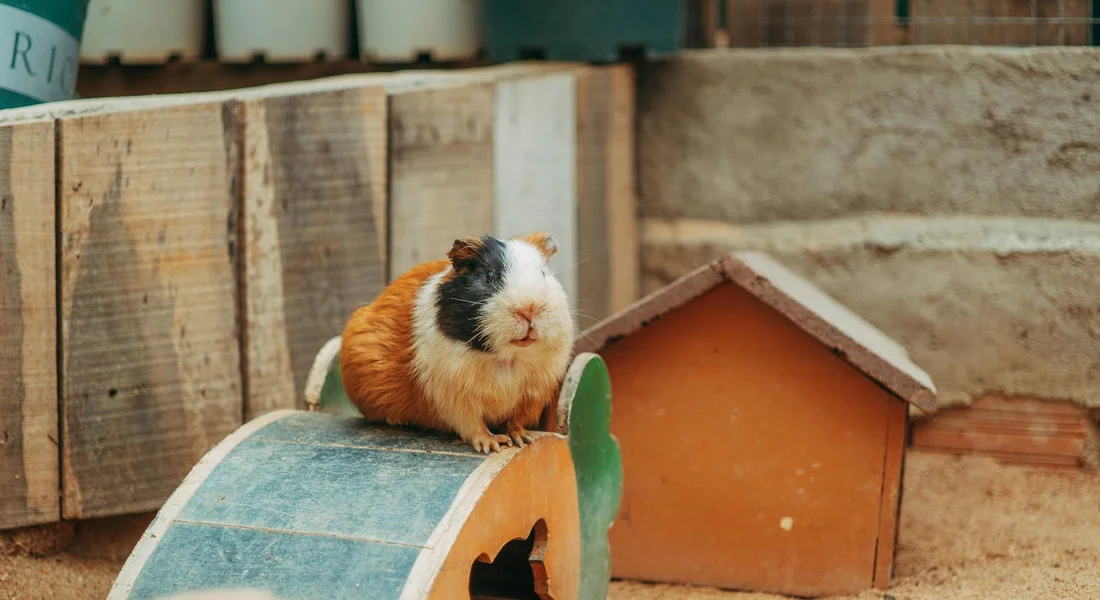
Keeping a close eye on your guinea pig’s daily well-being helps you catch changes early and respond with love. I rely on a straightforward 1 to 5 scale where 1 means severe discomfort and 5 signals a happy, active pig—this simple tool lets me track trends over time for pets like my gentle Pepper. By noting when Pepper is most active—often in the morning and late afternoon—you can better understand their daily rhythms. Understanding these activity patterns helps you schedule play and meals for peak energy.
- Create a daily checklist noting their mood, energy, and any signs of pain; jot down if they’re eating eagerly or hiding more than usual.
- Adjust care immediately if you spot drops in appetite, stiff movement, or unusual aggression-these shifts often mean they need softer foods or extra warmth.
Daily Check-Ins and Adjustments
Regular monitoring turns small observations into big clues for comfort. Weigh your guinea pig weekly with a kitchen scale; even a 10-gram loss can hint at trouble, as I saw with thoughtful Clover last year. Doing it at home keeps it simple and regular. Weekly weigh-ins help catch trouble early before symptoms show.
- Key factors to watch: steady weight, clean fur from self-grooming, and consistent litter box habits-messes or matting signal distress.
- Seek vet help if they stop eating for over 12 hours, struggle to breathe, or can’t stand-these end-stage signs need professional care fast.
Making the Euthanasia Decision
Facing this choice is heart-wrenching, but focusing on their comfort guides you through it. When pain meds no longer work and your pig avoids favorite activities, it may be time to prevent suffering-I’ve held Biscuit through tough moments like this.
- Consider euthanasia for unmanageable pain or a life devoid of joy, like when they can’t nibble veggies or socialize with cage mates.
- Your emotions matter too; talk to friends or take breaks to avoid burnout-caring for yourself lets you give better care to them.
Factors to Consider
Weighing specific signs brings clarity during an emotional time. Persistent suffering, like constant whimpering or refusing all food, often means their body is shutting down despite your best efforts.
- Indicators include inability to move without help, no interest in treats, and labored breathing that doesn’t improve with rest.
- The euthanasia process is peaceful-a vet gives a sedative first, so they drift asleep painlessly; you can hold them for comfort throughout.
Emergency Care for Choking and Distress
Seeing your guinea pig in distress can be heart-wrenching, but knowing how to respond calmly can make all the difference. Always prioritize gentle handling to avoid causing more stress or injury to your pet. Choking is rare but serious, often signaled by frantic pawing at the mouth, gagging, or sudden silence when they can’t vocalize. Proper care for guinea pigs goes beyond reacting to distress: regular, proactive care helps prevent many emergencies. By providing a steady routine—fresh hay and water, a clean cage, and gentle, confident handling—you can keep your guinea pig healthy and comfortable.
- Step-by-step safe handling for choking: First, approach slowly and speak in a soothing voice to keep them calm.
- Other emergency signs include rapid, shallow breathing, wheezing, or a bluish tint to the lips, which need immediate vet attention.
I remember when my guinea pig Clover once struggled with a small piece of veggie stuck in her throat; staying composed helped me act effectively without panicking. Quick recognition of distress signs can prevent a minor issue from turning into a life-threatening situation.
Immediate Actions for Choking
If you suspect choking, follow these steps carefully to assist your guinea pig without harming them. Never use force or insert objects into their mouth, as this could cause injury. Start by gently restraining them in a towel to minimize movement and reduce stress. Guinea pigs are sensitive to loud noises and may startle easily. Keeping the environment quiet during handling can help them react calmly.
- Check the airway: Look inside the mouth for visible blockages, using a soft cloth to wipe away any debris if safe.
- Apply gentle clearing techniques: Hold your guinea pig upright and give light pats between the shoulder blades to dislodge the object.
- If breathing doesn’t improve within a minute, or if they show signs of collapse, rush to a veterinarian immediately.
From my experience with Biscuit, who had a similar scare, I learned that vets are essential for persistent issues. Always err on the side of caution and seek professional help if you’re unsure, as guinea pigs are fragile and can deteriorate quickly. Recognizing the 12 vet care mistakes that put guinea pigs at serious risk can help you act promptly and protect your pet.
Emotional Support for Caregivers
Caring for a guinea pig nearing the end of life is emotionally draining, and it’s okay to feel overwhelmed. Allow yourself to grieve and acknowledge the deep bond you’ve built over time. Preventing burnout involves setting small, manageable goals, like spending quiet moments together without pressure. Many owners and families find a grieving loss guinea pig guide helpful as they navigate this difficult time. It offers practical steps to support kids and other pets while honoring your guinea pig’s life.
- Tips for coping include talking to friends who understand pet loss or joining online support groups for shared experiences.
- Memorial ideas range from planting a garden in their honor to creating a scrapbook with photos and favorite memories.
When Pepper passed, I found solace in writing down our happy times, which turned grief into a celebration of her life. Self-care strategies, such as taking walks or practicing mindfulness, can recharge your emotional reserves during this tough period.
Coping with Grief and Burnout
Grief is a natural response to loss, and finding healthy ways to process it can ease the pain. Reflect on the joyful moments you shared, like their unique squeaks or playful antics, to keep their spirit alive. Creating memories through simple rituals, such as lighting a candle or sharing stories, can provide comfort.
- Ways to reflect include journaling about your guinea pig’s personality traits or making a donation to an animal welfare group in their name.
- Resources for support include pet loss hotlines and community forums where others share similar journeys.
I often turn to online communities when I miss Clover’s graceful presence, and it reminds me I’m not alone. Connecting with others who’ve faced similar losses can offer validation and reduce feelings of isolation during grief.
FAQs
What should I do if my guinea pig has a seizure or other sudden emergency not related to choking?
Stay calm and gently move your guinea pig to a safe, padded area to prevent injury. When you perform a health check, handle your guinea pig gently and support the body with both hands to minimize stress. Contact an emergency vet immediately for guidance, as seizures can indicate serious underlying conditions.
How can I support my other guinea pigs when one is ill or has passed away?
Maintain their routine and provide extra attention to reduce stress, as guinea pigs can grieve the loss of a companion. Consider introducing new, safe enrichment items to keep them engaged and monitor for any behavioral changes. Explore boredom busters for guinea pigs: 20 safe, engaging enrichment ideas to keep them curious and active.
Are there any financial assistance options for covering end-of-life vet care costs?
Look into local animal charities or rescue groups that may offer aid for pet medical expenses. Some veterinary clinics also provide payment plans or sliding-scale fees to help manage costs during difficult times.
A Final Note on Gentle Goodbyes
Pay close attention to your guinea pig’s daily habits and subtle behavioral shifts, as these are the most honest indicators of their comfort and health. Providing a peaceful, comfortable environment and consulting with your veterinarian are the most compassionate actions you can take during this sensitive time. To tell if your guinea pig is stressed or anxious, watch for changes like reduced eating, hiding, or pacing. If you notice these signs, address them promptly by keeping a consistent routine and seeking guidance from a veterinarian.
Responsible pet ownership means committing to lifelong learning about your guinea pig’s needs, from their vibrant youth to their golden years. I always strive to make eco-friendly choices, like using paper-based bedding, which honors my pets and our shared planet.
Further Reading & Sources
- How to Care for a Dying Guinea Pig: 13 Steps (with Pictures)
- 10 Common Signs a Guinea Pig Is Dying-and How to Comfort Them at the End
- How To Care For A Dying Guinea Pig – Caring For All Pets
- What to do when your Guinea Pig Dies | Guinea Piggles
Kate is a passionate guinea pig owner and advocate for small pet welfare. With over a decade of experience caring for guinea pigs, she has become a trusted voice in the small pet community.
Uncategorized