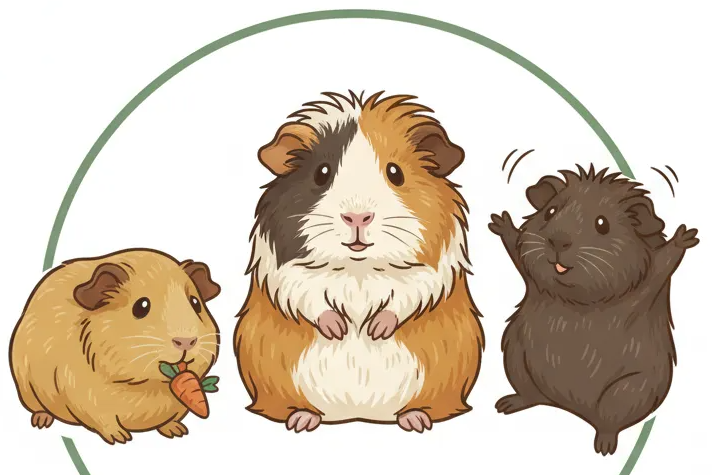
Guinea Pig Hearing and Ear Sensitivity
Published on: January 19, 2026 | Last Updated: January 19, 2026
Written By: Kate M. Callahan
Hello CavyFam! Have you ever wondered how well your guinea pig hears? You might worry that everyday household sounds could stress or harm their delicate ears.
I will explain how guinea pigs hear, signs of ear sensitivity, common ear problems, and simple care tips. With years of hands-on experience caring for guinea pigs like Pepper, Clover, and Biscuit, I share insights to keep your pets comfortable and healthy.
The Amazing World of Guinea Pig Hearing
What Is the Hearing Range of a Guinea Pig?
A guinea pig’s hearing is incredibly sharp, picking up frequencies from about 15 Hz to a staggering 50,000 Hz. This means they can hear sounds far higher-pitched than anything a human can detect. I’ve noticed my own guinea pigs, especially Biscuit, will freeze and perk up their ears at what seems like complete silence to me. They are listening to a whole secret symphony of high-frequency sounds in your home, from electronics humming to the subtle squeaks of mice in the walls that you’d never notice.
How Does Guinea Pig Hearing Compare to Humans?
Our human hearing range typically maxes out around 20,000 Hz, which is less than half of what a guinea pig can hear. Imagine their world is filled with a layer of ultrasonic noise that is completely silent to our ears. This is why a sudden, sharp sound like clanging pots or a dog barking can be so terrifying for them-it’s not just loud, it’s assaulting a sense we can’t even fully comprehend. My gentle Pepper startles easily, and I’ve learned to move more quietly around their enclosure to avoid causing that spike of fear.
Anatomy of Guinea Pig Ears
Key Parts of the Guinea Pig Ear
Their remarkable hearing starts with the physical structure of their ears. Let’s break down the main components:
- The Pinna: That’s the official name for the large, external part of the ear you can see. It acts like a satellite dish, funneling sound into the ear canal.
- The Middle Ear: This contains tiny bones that amplify the sound vibrations collected by the pinna.
- The Inner Ear (Cochlea): This spiral-shaped organ is where sound vibrations are translated into nerve signals the brain can understand.
Each part works in perfect harmony to create their super-sensitive auditory system. I often watch my Abyssinian, Clover, rotate her pinnae independently, tracking every little noise in the room with stunning precision.
Why Their Ears Are So Sensitive
This extreme sensitivity is a deep-seated survival instinct. In the wild, guinea pigs are prey animals, and their hearing is their primary early-warning system against predators. A rustle in the grass or the high-pitched call of a hunting bird needed to trigger an immediate flight response. This evolutionary trait is still very much active in our pampered pets. That’s why a calm, predictable sound environment is so crucial for their well-being. I make a point to avoid vacuuming near their cage during their active hours to give them a sense of security. Guinea pigs are indeed sensitive to loud noises and can react quickly to unexpected sounds. A sudden bang or screech may make them freeze or bolt for cover, underscoring why a quiet environment matters.
Signs of Hearing Sensitivity and Potential Issues
How to Tell If Your Guinea Pig Has Sensitive Ears
You might notice your guinea pig reacting more intensely to everyday sounds than expected. I’ve seen my guinea pig Pepper, who’s usually gentle and steady, jump and hide when a door slams shut nearby. Watch for subtle cues like ear twitching, head tilting, or sudden freezing in place during noisy moments. These behaviors often signal that their ears are picking up frequencies we might miss. For new owners, a quick guide to interpreting common guinea pig sounds can help you understand these reactions and respond appropriately. It can also teach you what each squeak or chirp means so you know when to calm or comfort them.
- Frequent ear shaking or scratching without visible irritation
- Hiding or seeking cover when household appliances like vacuums run
- Startling easily at moderate sounds, such as television volume or voices
- Changes in eating or social habits during louder periods of the day
From caring for Clover, my graceful Abyssinian, I learned that sensitive-eared pigs may avoid open spaces when noise levels rise. Creating a quiet corner with soft bedding can make them feel safer and reduce stress. Always approach handling gently, as sudden movements near their ears might cause discomfort.
Indicators of Hearing Loss
Hearing loss in guinea pigs can develop gradually, so it’s key to spot early signs. If your pig stops responding to familiar sounds like your voice or treat bag rustling, it might indicate an issue. I remember Biscuit, my reserved Peruvian, once ignored her usual veggie crunch time—a red flag that prompted a vet visit. Interpreting body language is key too—watch for signs like freezing or flattened ears. These cues, along with hearing changes, help you respond quickly.
- No reaction to loud noises that previously caused a startle
- Difficulty waking from sleep when called or touched lightly
- Increased vocalizations or confusion during interactions
- Ear discharge or persistent head tilting that doesn’t resolve
Regular check-ups help catch problems early, and I always advocate for prompt vet care to support their well-being. Observing daily routines closely lets you detect changes before they impact quality of life. Simple tests, like softly clapping from a distance, can gauge their hearing over time.
Common Ear Problems in Guinea Pigs
Understanding Ear Infections
Ear infections in guinea pigs often stem from bacteria or moisture buildup in the ear canal. These infections can cause pain and lead to more serious issues if left untreated, so early action is vital. I’ve dealt with this firsthand when Pepper showed signs of discomfort after a cage cleaning with damp bedding.
Keeping their living area dry and well-ventilated reduces infection risks. Regularly inspect ears for redness or swelling, and use a vet-recommended cleaning routine to maintain hygiene. Avoid inserting anything into the ear canal, as it can harm delicate tissues.
Symptoms of an Ear Infection
- Persistent head shaking or scratching at one or both ears
- Visible discharge that’s yellow, brown, or foul-smelling
- Loss of balance or circling behavior, indicating inner ear involvement
- Reduced appetite or lethargy due to pain and discomfort
If you suspect an infection, seek veterinary care immediately for proper diagnosis and treatment. Antibiotics or anti-inflammatory meds prescribed by a vet can clear up infections safely and effectively. In my experience, quick response helped Clover recover fully without complications.
Dealing with Ear Mites
Ear mites are tiny parasites that cause intense itching and irritation in guinea pigs. These pests spread easily in group settings, so isolate affected pigs and treat all cage mates to prevent recurrence. I once noticed Biscuit scratching relentlessly and found mites during a routine check-prompt treatment saved her from worse discomfort.
Look for dark, crusty buildup in the ears that resembles coffee grounds. Veterinarians can confirm mites with a simple ear swab and prescribe topical treatments like ivermectin. Always follow dosage instructions carefully to avoid overdose, and clean the habitat thoroughly to eliminate mites from the environment.
- Intense scratching that leads to hair loss or sores around the ears
- Head shaking or rubbing against cage surfaces to relieve itchiness
- Behavioral changes like irritability or reduced social interaction
Regular grooming and habitat maintenance are your best defenses against ear mites. I make it a habit to inspect my pigs’ ears weekly, using a damp cloth for gentle cleaning if needed. This proactive approach supports their comfort and overall health, aligning with good animal welfare practices.
Daily Care for Guinea Pig Ears
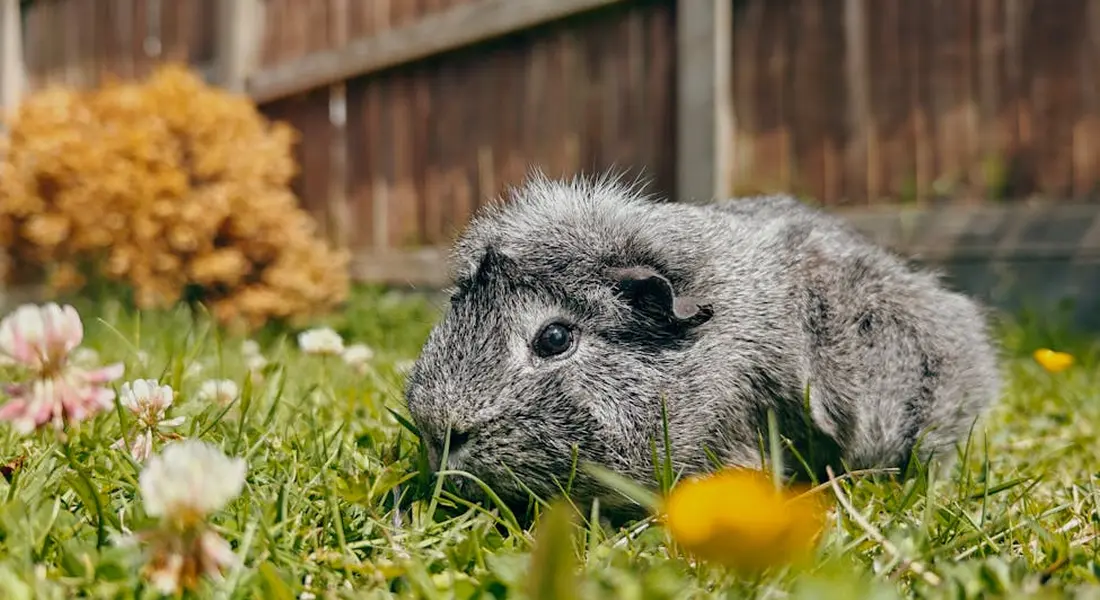
Do Guinea Pigs Need Ear Cleaning?
Generally, healthy guinea pig ears are self-cleaning and do not require routine intervention. My guinea pig, Pepper, has never needed an ear cleaning in her two years with me, which is quite typical. Their ears are designed to manage wax and debris naturally, so constant cleaning can disrupt this process and cause irritation. Common grooming mistakes to avoid include over-cleaning or using cleaners not meant for guinea pigs. When in doubt, consult a vet before attempting ear care.
You should only consider cleaning if you notice a significant, abnormal buildup of wax or debris. Signs of a potential problem include frequent head shaking, scratching at the ears, or a visible, dark, crumbly discharge. In these cases, it’s often a sign of mites or an infection, and your first step should always be a call to your veterinarian rather than reaching for a cleaning solution yourself.
Safe Ear Cleaning Practices
If your vet has confirmed that a gentle clean is safe, you must proceed with extreme caution. I keep a specific, vet-approved small animal ear cleaner on hand, but I use it so rarely the bottle lasts for years. Never use cotton swabs (Q-tips) or insert anything into the ear canal, as you can easily cause severe injury.
Here is the only method I feel comfortable recommending:
- Wrap your guinea pig snugly in a small towel to keep them calm and secure.
- Apply a small amount of the approved cleaner to a soft, damp cotton pad or gauze square.
- Gently wipe only the visible, outer folds of the ear, avoiding the inner canal entirely.
- Use a second clean, damp cloth to wipe away any residual cleaner.
- Offer a favorite veggie treat immediately afterward to create a positive association.
The goal is a superficial wipe, not a deep clean, and stopping at the first sign of guinea pig stress is non-negotiable. My more skittish guinea pig, Biscuit, would rather skip the entire process, and I always respect that.
Creating a Comfortable Environment
Minimizing Noise Stress
Because their hearing is so sensitive, the sounds in your home can be a major source of stress. Loud, sudden noises are the biggest culprits, causing them to freeze in place or frantically run for cover. I learned this quickly when my blender sent all three of my pigs scrambling into their hideys.
To create a calmer soundscape for them, consider these adjustments:
- Place their cage in a room away from the television, loud speakers, and busy hallways.
- Be mindful of vacuuming; try to do it when they are out of the room or in a covered part of their cage.
- Train family members, especially children, to use “indoor voices” near the guinea pig habitat.
- If you have noisy appliances, give a little warning tap on their cage before you turn them on.
A predictable and relatively quiet environment helps your guinea pigs feel secure enough to be their vocal, popcorn-ing selves.
Enrichment for Hearing Health
Just as important as reducing bad noise is providing positive auditory stimulation. Engaging their sharp hearing with pleasant sounds is a fantastic form of enrichment. I often talk softly to my pigs, Clover especially seems to enjoy the calm tone of my voice when I’m reading nearby.
You can enrich their world through sound in several simple ways:
- Talk to them frequently: Use their names and a gentle tone so they learn to associate your voice with safety.
- Play soft, classical music or nature sounds at a very low volume for short periods during the day.
- Introduce crinkly paper or bags (supervised) for them to explore; the soft rustling is often intriguing to them.
- Provide a variety of healthy veggies; the sound of a fresh lettuce leaf being torn is a dinner bell they love!
Paying attention to the soundscape of your home is one of the easiest and most effective ways to support your guinea pig’s overall well-being. By tuning into their vocal cues, you can know if they’re happy. This helps you spot stress early and adjust their environment accordingly.
When to Consult a Veterinarian
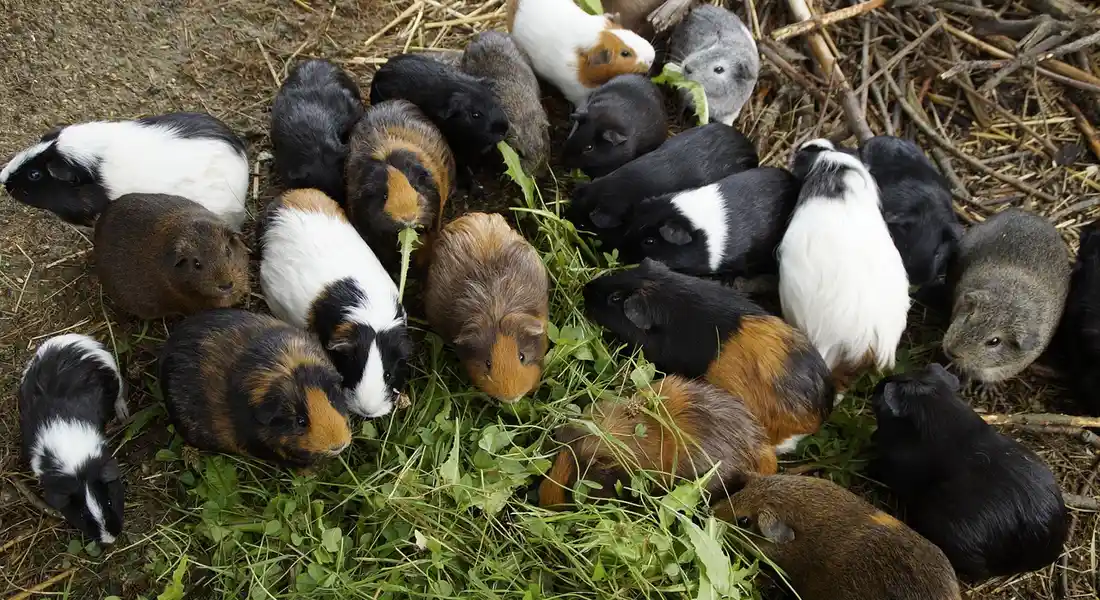
While guinea pigs are generally hardy, their ears are delicate and problems can escalate quickly. Trust your instincts-if something seems off with your piggy’s hearing or ear health, it’s always better to be safe and get a professional opinion. I learned this firsthand when my guinea pig, Biscuit, started tilting his head; a prompt vet visit caught a minor infection before it became serious.
Signs That Require Veterinary Attention
Some symptoms are clear red flags that your guinea pig needs medical help. Don’t wait to see if these resolve on their own. If you notice extreme lethargy, your guinea pig is unusually still, cold to the touch, or unresponsive, these could be critical signs that the animal is dying or in a life-threatening state. Seek urgent veterinary care immediately.
- A persistent head tilt or loss of balance: This often signals an inner ear infection and requires immediate treatment.
- Constant scratching or pawing at the ears: While an occasional scratch is normal, relentless scratching indicates irritation, pain, or possible mites.
- Visible discharge, crustiness, or a foul odor from the ear canal: These are classic signs of a bacterial or fungal infection.
- Noticeable swelling or redness around the ear: Inflammation is a clear sign of a problem that needs diagnosis.
- No reaction to familiar sounds: If your guinea pig no longer stirs at the crinkle of a salad bag or the sound of your voice, it could point to hearing loss or a blockage.
- Lethargy or loss of appetite combined with any ear-related symptom: This tells you your pet is feeling unwell systemically.
What to Expect at the Vet
Knowing what will happen can make the visit less stressful for both you and your pet. A typical ear examination is thorough but gentle.
- Initial Discussion: The vet will ask you about the symptoms you’ve observed, their duration, and any changes in your guinea pig’s behavior or environment.
- Physical Examination: The vet will gently feel around your guinea pig’s head and neck and use an otoscope to look deep into the ear canal for redness, debris, or mites.
- Diagnostic Tests: They may take a small sample of any ear wax or discharge to examine under a microscope. This helps identify the specific cause, like bacteria, yeast, or parasites.
- Treatment Plan: Based on the findings, your vet will prescribe medication. This is often antibiotic or anti-inflammatory ear drops. They will show you exactly how to administer them at home.
- Home Care Instructions: You’ll receive clear directions on how often to give medication, how to clean the ears if needed, and signs of improvement or complication to watch for.
Bringing a familiar item, like a small fleece hidey from their cage, can provide immense comfort to your guinea pig during the examination. My Clover always feels more secure when she has a piece of home with her.
FAQs
What is a heating pad for a guinea pig?
A heating pad provides supplemental warmth for guinea pigs in cooler environments to help maintain a comfortable body temperature. During winter, it helps keep the enclosure consistently warm and reduce cold-related stress. Always use it with caution by placing it under only part of the cage and monitoring closely to prevent overheating or burns. For more tips on keeping guinea pigs warm in winter, consider checking out additional resources.
What causes a guinea pig to heave hiccups?
Hiccups in guinea pigs are often triggered by eating too quickly or minor digestive disturbances like gas. Understanding what causes hiccups in guinea pigs can help you prevent them and keep your pet comfortable. They are typically harmless and short-lived, but if persistent, they could indicate a need for dietary adjustments or a vet check.
Why is my guinea pig rearing up?
Rearing up on hind legs is a natural behavior showing curiosity or an attempt to survey their surroundings for threats or rewards. However, if it occurs with wheezing or distress, it might signal respiratory issues requiring veterinary attention.
Your Guinea Pig’s Hearing Health: A Quick Wrap-Up
Guinea pigs rely on their sharp hearing to navigate their world, so always provide a peaceful home free from loud surprises. When you handle them for a health check, use a calm, gentle grip and support their chest and hindquarters to keep them secure. Be sure to keep sessions short and quiet to minimize stress. Regularly check their ears for redness or discharge to catch any issues early and keep them comfortable.
Being a responsible owner means committing to lifelong learning about your pet’s needs and choosing eco-friendly options like sustainable bedding. From caring for Pepper, Clover, and Biscuit, I’ve seen how small changes in routine can boost their well-being and protect our planet.
Further Reading & Sources
- The Auditory Sensitivity of Guinea Pigs on JSTOR
- Use of the guinea pig in studies on the development and prevention of acquired sensorineural hearing loss, with an emphasis on noise – PMC
- THE HIGH-FREQUENCY SENSITIVITY OF THE GUINEA PIG EAR – PMC
- Bone conduction hearing in the Guinea Pig: Sensitivity, directionality
Kate is a passionate guinea pig owner and advocate for small pet welfare. With over a decade of experience caring for guinea pigs, she has become a trusted voice in the small pet community.
Uncategorized