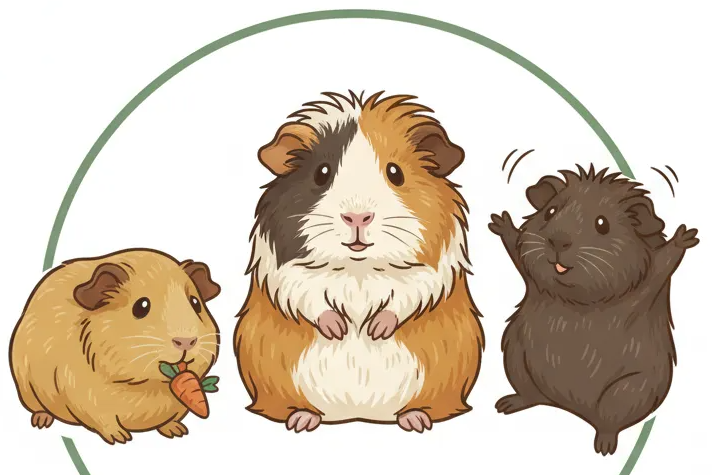
Guinea Pig Territory Marking: Decoding Their Behaviors
Hello, CavyFam! Have you ever noticed your guinea pig doing something strange, like rubbing its chin on everything or making a low rumbling sound? You’re not alone in wondering what these quirky actions mean.
In this guide, we’ll explore the fascinating world of guinea pig communication. We will cover urine spraying, chin rubbing, rumbling, and butt dragging. After years of caring for my own herd-Pepper, Clover, and Biscuit-I’ve learned to understand their unique ways of claiming space.
The Basics of Guinea Pig Territory Marking
Guinea pigs communicate their ownership of space through a fascinating set of behaviors. They aren’t being spiteful; they’re simply speaking a language of scent and action that is fundamental to their nature. You’ll notice them rubbing their chins, cheeks, and rear ends on cage corners, toys, and even you. This deposits scent from special glands, creating an invisible map of their domain.
My own guinea pig, Pepper, methodically makes his rounds every morning. He’ll chin-rub his favorite hidey, then scoot his bottom along the cage edge in a comical but deliberate ritual. This is his way of saying, “I was here, this is my spot.” Recognizing these actions is the first step to understanding your pet’s world.
Common Marking Behaviors You’ll See
- Chin Rubbing: They have scent glands under their chins and will drag them across objects.
- Butt Dragging: A less graceful but effective way to leave a scent trail from anal glands.
- Urine Spraying: This is more common in males and involves a quick squirt to mark vertical surfaces.
- Scatter Pooping: Leaving droppings in pathways isn’t messy; it’s a territorial bulletin board.
Why Guinea Pigs Engage in Territory Marking
This behavior is deeply wired into their DNA. In the wild, establishing a safe, recognized territory was a matter of survival, and that instinct remains strong in our domestic companions. It reduces conflict by clearly defining personal space and resources, creating a predictable and secure environment.
Instinctual Drives and Social Needs
Guinea pigs are prey animals, and a defined territory feels like a safe haven. Marking their space is a primal act that screams “home” to them, calming their nerves and reinforcing social bonds with their cage mates. My trio-Pepper, Clover, and Biscuit-have a clear understanding. Pepper, the steady one, marks the main food area, while graceful Clover claims the loft. Reserved Biscuit focuses on a single, cozy corner. This unspoken agreement prevents squabbles.
- It establishes a hierarchy without physical fights.
- It creates a communal scent that identifies their group.
- It satisfies a deep-seated need for environmental control.
Responses to New Environments or Changes
Any change can trigger a marking frenzy. A new cage, a different layout, or even a freshly washed blanket smells like “unknown” to them, and they work overtime to make it smell like “home” again. I learned this the hard way after a full cage cleaning led to a solid hour of frantic butt-dragging from all three pigs.
Major life events also turn up the volume on this behavior.
- Introducing a New Guinea Pig: Expect a significant increase in marking as they negotiate new social and physical boundaries.
- Moving to a New Home: The entire world is new, so they will mark everything to create a bubble of familiarity.
- Rearranging Their Cage: Even moving a tunnel can temporarily disrupt their scent map, requiring a quick update.
The key is to be patient during these times, as this is their natural way of coping with stress and re-establishing security. Providing plenty of hides and familiar items can help ease the transition.
Common Territory Marking Behaviors to Observe
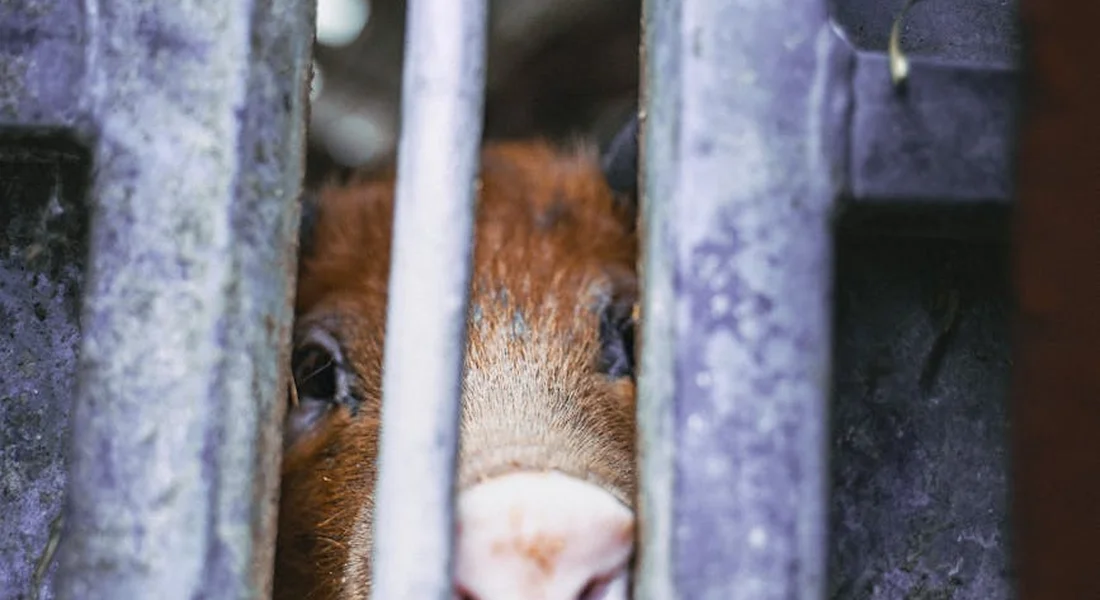
Scent Gland Rubbing and Chinning
Your guinea pig has a scent gland right on their chin, and they use it like a signature stamp. I’ve watched my own pig, Pepper, spend minutes meticulously rubbing his chin on his favorite hidey-hole. This behavior deposits their unique scent, effectively claiming an object or area as their own. In guinea pigs, scent marking is a big part of their communication, and boars often rely on chin glands to signal territory and social status. This “role scent” helps other guinea pigs recognize relationships and boundaries. In fact, the concept of guinea pig scent marking is a quiet, confident way of saying “This is mine.” You’ll often see this after cleaning their cage, as they work to re-establish their familiar scent profile in the now-neutral space.
Urine and Dropping Deposits
While it might seem like a simple biological function, guinea pigs strategically place their waste. My graceful Clover will often leave a single dropping right at the entrance of her sleeping area. These deposits act as scent posts, broadcasting information about the resident to any other potential guinea pigs. It’s crucial to distinguish this from improper elimination; territory marking is typically a single, deliberate deposit in a specific spot, not random soiling.
Look for these common patterns:
- Droppings left at cage corners or near food bowls.
- A small squirt of urine on a newly introduced toy.
- Waste placed along what they perceive as territorial boundaries.
Vocalizations and Body Language
The sounds and postures your guinea pig uses are a huge part of their territorial communication. A low, persistent rumble, often accompanied by a slow, swaying walk, is a classic “this is my space” declaration. This “rumble strut” is a dominant display meant to assert presence without direct physical confrontation. You might also hear sharper, more agitated “drrr” sounds if they feel their territory is being threatened, even by something as simple as your hand rearranging their furniture.
Other key signals include:
- Head raising to appear larger.
- Stiff-legged walking.
- Light, warning nips if their space is encroached upon too quickly.
Normal Marking vs. Signs of Stress or Over-Marking
Identifying Excessive or Aggressive Marking
A little marking is normal; a constant, frantic campaign is not. I learned this with my reserved pig, Biscuit, who started over-marking when his cage was moved to a busier part of the house. When marking becomes a primary activity that overshadows eating, sleeping, or exploring, it’s a red flag for stress. True aggression, like persistent chasing, biting, and barbering (chewing another’s fur), goes far beyond simple territory assertion and indicates a serious social problem that needs immediate attention.
Watch for these excessive behaviors:
- Constantly rubbing their chin until the skin becomes raw.
- Spraying urine at cage mates or your hands frequently.
- Guarding resources like food bowls or water bottles to the point others cannot access them.
When Marking Points to Health Problems
Sometimes, what looks like behavioral marking is actually a cry for help from their body. A sudden increase in urination or a change in dropping consistency can signal a Urinary Tract Infection (UTI) or bladder stones. Any marking behavior that coincides with signs of pain, like hunching, squeaking while urinating, or a loss of appetite, requires an urgent vet visit. I always do a quick health check first when I notice a new or intense marking habit, ruling out physical discomfort before addressing potential behavioral causes.
Key health-related signs to never ignore:
- Blood in the urine or on droppings.
- Straining to pass waste.
- A dramatic increase or decrease in the amount of waste produced.
Practical Tips for Managing Territory Marking at Home
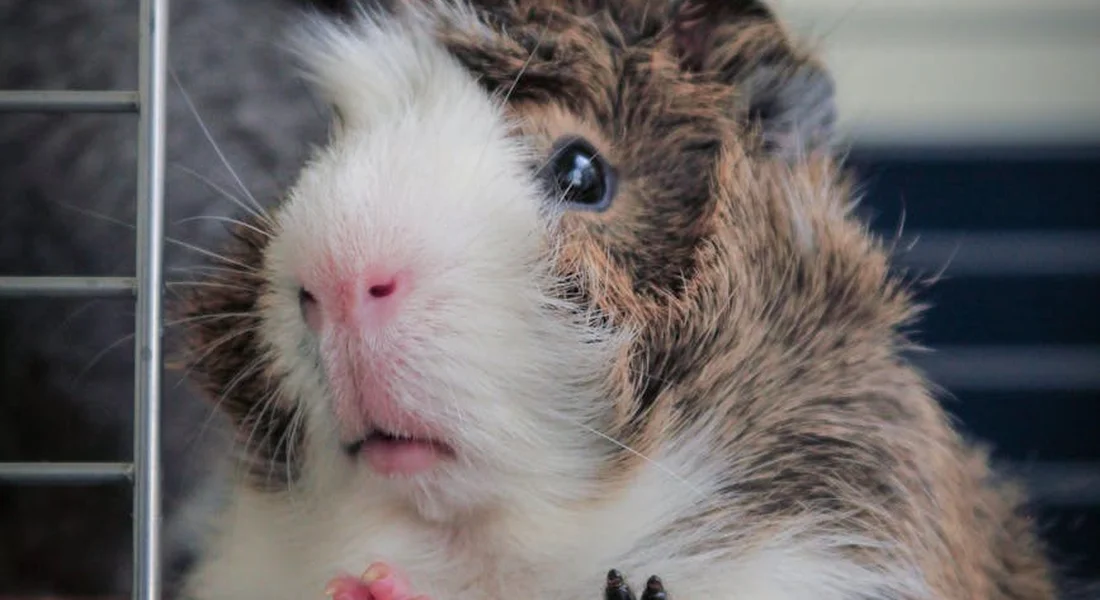
Creating a Marking-Friendly Yet Manageable Space
Guinea pigs feel safest when they can claim spots in their habitat. Designate specific corners with cozy hideouts to let them mark without chaos. Guinea pigs do need hideouts, and understanding their hiding behavior helps you tailor the space to support their stress relief and privacy. I use small cardboard boxes or fleece-lined tunnels for Pepper and Clover to snuggle into and scent-mark comfortably. For more information, you can read about why guinea pigs do need hideouts.
Rotate toys and accessories weekly to keep things fresh. This reduces boredom and minimizes excessive marking in one area. In my setup, swapping out chew toys and adding new hay racks keeps Biscuit engaged and less territorial.
- Place multiple food and water stations to spread out marking behavior.
- Use washable, absorbent bedding like fleece liners for easy cleanup.
- Include low platforms or ramps to encourage natural exploration and claiming.
Cleaning and Scent Control Methods
Clean soiled areas promptly to prevent scent buildup. I mix equal parts white vinegar and water for a pet-safe spray that neutralizes odors. This eco-friendly solution works wonders on cages and doesn’t irritate my guinea pigs’ sensitive noses.
Spot-clean daily and do a full cage scrub once a week. Leaving a bit of old bedding in a corner helps guinea pigs feel secure after cleaning. With Pepper, I’ve noticed he relaxes faster when his scent isn’t completely erased.
- Remove wet bedding and droppings every day to maintain hygiene.
- Wash fabric items with unscented detergent to avoid overwhelming their senses.
- Air out the cage in a well-ventilated area to reduce lingering smells.
Handling Marking in Multi-Pig Households
Balancing Social Hierarchy and Territory
In groups, guinea pigs establish a pecking order through marking. Observe who marks most often—usually the dominant pig—and provide extra space for subordinates. Clover, my Abyssinian, tends to lead, so I make sure Biscuit has his own quiet zone to avoid stress. Understanding guinea pig dominance behaviors helps read the hierarchy more clearly. It guides how you manage space and social interactions to keep the group peaceful.
Introduce new items slowly to prevent conflicts. Sudden changes can trigger marking battles as pigs reassert dominance. I once added a new hideout too quickly, and it took days for Pepper and Clover to settle their disputes with less chasing.
- Watch for signs of bullying, like excessive mounting or blocking resources.
- Ensure each pig has access to food, water, and hiding spots without competition.
- Monitor weight and behavior to catch stress early, promoting overall welfare.
Strategies for Peaceful Coexistence
Set up the cage with clear zones to reduce tension. I use dividers or multiple levels to give each guinea pig a personal area. This approach has helped my trio—Pepper, Clover, and Biscuit—coexist with fewer squabbles over territory. Keep safety in mind with multi-level setups. Ensure ramps are sturdy and non-slip, and gaps are small enough to prevent falls or escapes.
Bond during floor time in a neutral space. Supervised play sessions away from the cage encourage positive interactions and less aggressive marking. I scatter veggies around to distract them and build teamwork, which cuts down on territorial disputes.
- Provide identical resources, like two hay racks, to minimize competition.
- Use calming scents, such as a drop of lavender oil nearby (not in the cage), to soothe nerves.
- Intervene gently with a soft voice or hand barrier if marking leads to fights.
Health and Behavioral Considerations Beyond Marking

While territory marking is a normal part of guinea pig life, a sudden or dramatic increase in these behaviors can be a red flag. My guinea pig Biscuit once started rubbing her chin on everything obsessively, which turned out to be a sign of dental discomfort that needed a vet’s attention. It’s your job as a pet owner to notice when normal behavior shifts into something more concerning.
When Marking Signals a Health Problem
Excessive scent marking, especially when paired with other symptoms, can point to underlying health issues. If your guinea pig is suddenly marking far more than usual, it’s time to play detective and look for other clues. Their body is trying to tell you something important.
- Urine Marking and UTIs: A sudden increase in urination or small, frequent squirts outside the usual spot can indicate a urinary tract infection. Look for straining, blood in the urine, or a foul smell.
- Over-grooming and Skin Issues: If your piggy is rubbing their body against cage furnishings constantly, check for flaky skin, bald patches, or parasites like mites. My Abyssinian, Clover, started this, and it was mites.
- Dental Discomfort and Chin Rubbing: Constant, frantic chin rubbing on objects can signal overgrown teeth or dental pain, making eating difficult. This is a common issue that requires prompt veterinary care.
Stress: The Silent Culprit Behind Problematic Marking
Guinea pigs are sensitive creatures, and stress is a major trigger for intensified territorial displays. Creating a calm, predictable environment is the single best thing you can do to minimize stress-induced marking. Keep routines quiet and predictable to help them calm down and reduce stress, especially if they’re anxious. Think about what might have changed in their world recently.
- Check Their Living Space: Is their cage in a high-traffic, noisy area? Move it to a quieter spot. Is the cage too small? Upgrade to a larger enclosure to reduce competition for space.
- Review Their Social Dynamics: Have you introduced a new pet or person? Are your guinea pigs not getting along? Watch for bullying, as this causes immense stress. Sometimes, a temporary separation is needed.
- Maintain a Consistent Routine: Feed them at the same times daily. Handle them gently and predictably. Sudden changes in their schedule can make them feel insecure and more territorial.
Distinguishing Normal Behavior from a Cry for Help
It can be tricky to tell the difference between a happy, territorial pig and one in distress. The key is to look for clusters of symptoms, not just one odd behavior. Trust your instincts—you know your pet best. Learning to recognize signs of pain or illness in guinea pig behavior can help you act quickly. If you notice persistent changes in appetite, movement, or grooming, consult a veterinarian.
- Normal: Occasional chin rubbing on a favorite hideout. Scattering a few droppings in a new play area.
- Concerning: Frantic, non-stop rubbing. Peeing excessively while looking uncomfortable. Marking paired with hiding, refusing food, or chattering teeth aggressively.
I learned this the hard way with Pepper. His gentle nature turned grumpy, and he started marking everything. A visit to our vet revealed he was in pain from arthritis, and once we managed his pain, his need to constantly mark his territory subsided significantly. Always consider their whole well-being.
FAQs
Why is my guinea pig making soft chortles intermittently?
Soft chortles are typically a sign of contentment and relaxation in guinea pigs. They often make this sound when exploring their environment or feeling safe and happy.
What does it mean if my guinea pig is making a weird noise when breathing?
Unusual breathing noises can indicate respiratory distress or an underlying health issue in guinea pigs. It’s important to consult a veterinarian promptly to rule out serious conditions like infections. To help you decide when to seek care, refer to a respiratory distress emergency checklist for guinea pigs. Look for urgent signs such as rapid or labored breathing, gasping, or bluish gums.
What is the guinea pig barking sound effect?
Barking is a sharp, loud vocalization that usually signals alarm or fear in guinea pigs. They may bark when they sense danger or feel threatened in their surroundings.
Why is my guinea pig making a grunting noise when breathing?
Grunting noises during breathing can suggest respiratory problems such as a cold or pneumonia in guinea pigs. Immediate veterinary care is recommended to diagnose and address the issue.
What does a clicking noise when breathing mean in guinea pigs?
A clicking sound while breathing often points to a respiratory infection or fluid in the lungs. This is a serious symptom that requires urgent medical attention from a veterinarian.
Making Sense of Your Guinea Pig’s World
From my years with Pepper, Clover, and Biscuit, I’ve learned that observing their unique behaviors helps you create a peaceful home. Responding calmly to marking actions and offering plenty of hiding spots keeps everyone content.
Keep exploring guinea pig care to deepen your bond and ensure their long-term health. Selecting eco-conscious supplies, like natural wood chews, supports both your pets and a greener planet. This ties into our guinea pigs chew safely complete guide, which covers safe chews and dental care. Learn how to choose chews that promote healthy teeth and prevent dental issues.
Further Reading & Sources
- Behavior – Male Guinea Pig Possibly Marking its Territory?
- How Do Guinea Pigs Mark Their Territories? | Pets on Mom.com
- Do Guinea Pigs Mark Their Territory and Recognize Their Owners? | Expert Q&A
- Guinea Pig Dominance: How Long Does it Last? – Pocket Sized Pets
Kate is a passionate guinea pig owner and advocate for small pet welfare. With over a decade of experience caring for guinea pigs, she has become a trusted voice in the small pet community.
Uncategorized