How to Create a Guinea Pig Health Log to Track Vital Signs
Published on: January 6, 2026 | Last Updated: January 6, 2026
Written By: Kate M. Callahan
Hello CavyFam, do you ever worry about missing subtle health changes in your guinea pig? A health log helps you spot issues early and keep your pet thriving.
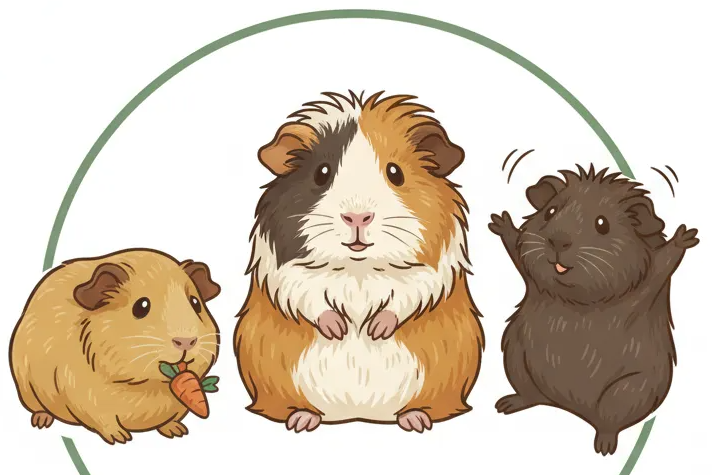
I will show you how to build a practical health log from scratch. We will cover setting up the log, tracking essential vital signs, using simple tools, and staying consistent with records. My own guinea pigs Pepper, Clover, and Biscuit have taught me the value of daily monitoring through their unique needs.
Why a Health Log is Your Guinea Pig’s Best Friend
I almost missed the subtle signs with Clover until my log showed a pattern. Her water consumption had dipped for three days straight, a tiny change I’d never have noticed otherwise. That early clue let us address a minor UTI before it became a major ordeal.
Tracking Pepper’s weekly weight revealed a slow, steady gain that helped us perfectly adjust his pellet intake. This simple act of logging transformed my worry into proactive, informed care.
- Early Illness Detection: Tiny changes in appetite or behavior become obvious trends over days, not vague worries.
- Better Vet Visits: You arrive with concrete data, not just a description, making diagnosis faster and more accurate.
- Peace of Mind: Seeing normal, consistent entries in the log provides a wonderful sense of reassurance about their well-being.
Think of it as a daily diary for your pet’s health. Just like you’d jot down a memorable moment, you’re recording the story of their vitality.
Essential Vital Signs and Daily Checks to Record
- Weight tracking: Use a small kitchen scale with a bowl or container. Weigh them at the same time each week. Note even small changes; a sudden drop can be the first sign of trouble.
- Temperature monitoring: Never use a rectal thermometer. Feel their ears; they should be warm, not hot or cold. The room temperature is your best guide for their ambient comfort.
- Heart and respiration rates: Watch their sides for breaths and gently feel their chest for heartbeats. Count for 15 seconds and multiply by four. Do this when they are calm and resting for an accurate baseline.
- Food and water intake: Note the amounts of fresh veggies, hay, and pellets offered and what’s left. Log any refusals of favorite foods immediately.
- Stool and urine observations: Check for well-formed, oval droppings. Look for any diarrhea or unusually colored urine. Consistency is more telling than a single odd day.
- Fur condition, eye, and nasal discharge: Run your hands through their coat feeling for patches or dryness. Eyes and nose should be clear and free of any crusty discharge.
- Behavior changes: Log their activity levels, popcorn jumps, and interactions with cage mates. A usually social pig like Biscuit hiding is a significant data point.
- Dental health checks: Briefly check for overgrown front teeth or any signs of drooling or difficulty eating. Healthy teeth mean they can properly grind down their food.
Building Your Custom Guinea Pig Health Log Step by Step
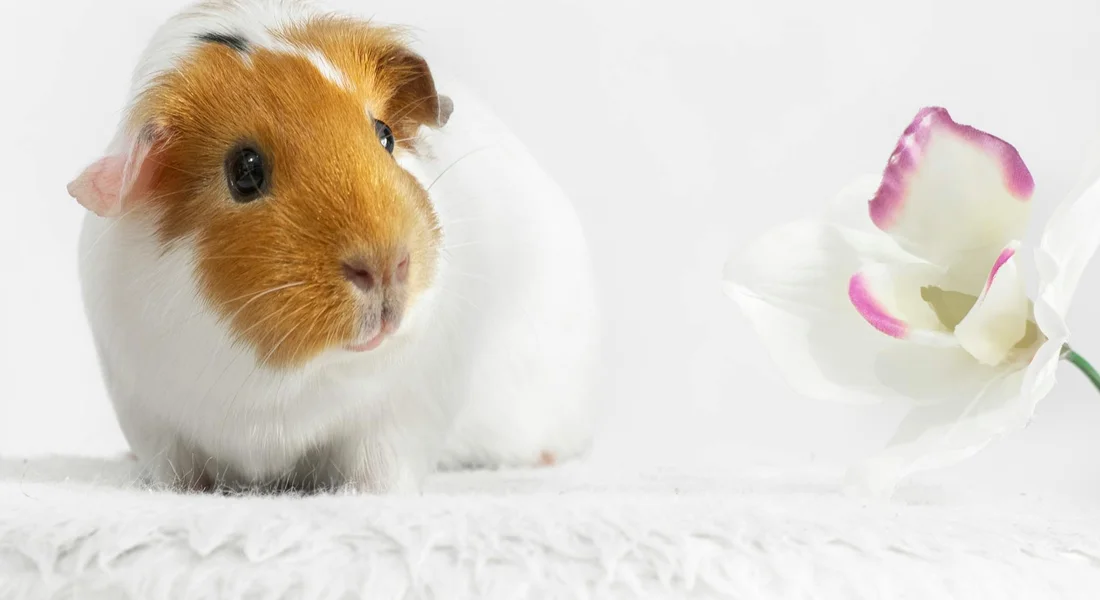
Choosing between digital and paper logs is your first big decision. I’ve used both for my trio-Pepper, Clover, and Biscuit-and each has unique perks depending on your lifestyle.
- Digital logs shine for quick access; you can update notes on your phone during cuddle time.
- Paper logs offer a hands-on feel; I love flipping through Biscuit’s history without needing a charger.
Focus on ease and accessibility when picking your format. Digital options like apps let you set reminders, but paper never runs out of battery.
- Digital pros: Easy to search, backup automatically, and share with your vet instantly.
- Digital cons: Requires a device, and privacy depends on app security.
- Paper pros: No tech skills needed, and it’s portable for vet trips.
- Paper cons: Can get lost or damaged, and updates take more time.
Design a simple layout to keep things organized. Start with basic sections like date, vital signs, and notes to track changes over weeks.
- Date: Record each check-up to spot patterns.
- Vital signs: Include weight, heart rate, breathing rate, and temperature.
- Notes: Jot down behavior, like Clover’s thoughtful pauses or appetite shifts.
Templates make setup a breeze. I found free printable charts online that saved me hours, or you can tweak Google Sheets for real-time updates.
- Printable charts: Great for beginners; just fill in by hand.
- Google Sheets or Excel: Allow formulas to calculate averages, perfect for monitoring trends.
Personalize the log with your guinea pig’s unique details. Adding Pepper’s gentle personality helped me notice when she wasn’t her usual self. Documenting her temperament—whether she’s calm, curious, or shy—helps you interpret changes in behavior over time.
- Include name, age, colors, and personality traits.
- Note medical history, like past illnesses or vet visits, for a complete picture.
Tools and Supplies for Accurate Monitoring
Gather essential items to ensure precise tracking. A small animal scale is non-negotiable; I weigh Biscuit weekly to catch any subtle changes early.
- Small animal scale: Opt for digital ones with grams for accuracy.
- Soft cloth: Use it to soothe your guinea pig during handling, reducing stress.
- Notebook or app: Keep everything in one place for easy reference.
Consider a stethoscope for heart and breathing checks. Look for pediatric or small animal models with good sound clarity to hear those tiny beats.
- Key features: Lightweight design, comfortable earpieces, and a small chest piece.
- Avoid bulky options; they can startle sensitive pigs like Clover.
Household solutions can simplify monitoring. I use a kitchen timer to count heart rates, and free online templates for DIY logs cut costs.
- Timer: Helps track breathing or heart rates without guesswork.
- DIY logs: Print basic charts or use spreadsheet software for customization.
Always highlight vet contact info and emergency signs in your log. Keeping my vet’s number upfront saved me when Pepper showed signs of lethargy.
- Vet details: Phone number, address, and hours for quick access.
- Emergency signs: Note symptoms like rapid weight loss, labored breathing, or lack of movement.
How to Interpret Data and Spot Sick Pet Indicators

Tracking your guinea pig’s health isn’t just about numbers—it’s about noticing the story they tell. I’ve found that consistent logging with my trio—Pepper, Clover, and Biscuit—helps me catch small changes before they become big problems. Regular weight checks are a key part of that monitoring. A guinea pig weight guide helps me keep them in healthy ranges.
-
Weight changes can reveal a lot about your pet’s well-being. A sudden drop of over 10% in a week, like when Biscuit seemed off, often signals issues like dental pain or parasites that need quick vet care. Gradual gains might mean overfeeding, so adjust diet with your vet’s advice.
-
Temperature fluctuations outside the normal 99-103°F range are serious. Always use a rectal thermometer for accuracy, as I learned when Clover felt warm and it turned out to be a mild infection. High temps can mean fever, while low ones risk hypothermia.
-
Heart and respiration rate shifts deserve close attention. Count breaths and heartbeats when your guinea pig is calm; excitement can skew numbers, much like how Pepper’s rates spike during playtime. Rates consistently outside 240-310 bpm for heart or 40-100 breaths/min for respiration warrant a vet call. Watch for sudden collapse, labored breathing, or lethargy—these can signal a heart issue or heart attack. If you see them, seek urgent veterinary care.
-
Appetite and hydration drops are early illness signs. Monitor water bottles and food bowls daily-a refusal to eat, as I saw with Pepper once, could indicate GI stasis or dehydration requiring immediate action. Offer hydrating veggies like cucumber to encourage intake.
-
Stool and urine abnormalities in color or texture are red flags. Check for soft, runny stools or blood in urine, which often point to infections or diet issues, similar to when Biscuit had an upset stomach from new food. Normal stools are firm and oval-shaped. In guinea pigs, urine and stool color can vary with diet and hydration and still be normal. However, persistent or dramatic color changes—like pink or orange urine, or unusual stool color—warrant a vet check.
-
Behavioral red flags like hiding, lethargy, or unusual noises need prompt notes. Guinea pigs are prey animals, so increased hiding or less activity, as Clover showed during a scare, might mean pain or stress. Listen for wheezing or teeth grinding—they’re cries for help. Stress in guinea pigs can manifest in various subtle ways.
-
Steps to take if changes occur start with your log. Compare recent entries to baselines and call your vet if multiple signs appear, describing specifics from your records for faster, accurate care. Don’t wait-early intervention saves lives and reduces suffering.
Maintaining and Organizing Your Log for Long-Term Care
Keeping your health log organized makes it a powerful tool for your guinea pig’s lifelong wellness. I’ve used simple systems for years with Pepper, Clover, and Biscuit, and it’s made vet visits smoother and care more proactive. To help owners stay on track, I use a weekly guinea pig care checklist. It keeps feeding, habitat tasks, grooming, and vet reminders neatly organized.
-
Set a routine for daily or weekly updates to build consistency. I log weights every Sunday morning and check behaviors during evening cuddle sessions, which helps spot trends without feeling overwhelming. Stick to a schedule that fits your life to avoid gaps.
-
Storage tips like digital backups or binder systems keep records safe. Use a dedicated app or cloud storage for easy access, and I always keep a binder with printed sheets as a backup for quick reviews. This prevents data loss and lets you update on the go.
-
Long-term records aid in preventive care and vet discussions. Over time, logs reveal patterns, like seasonal allergies or weight cycles, helping you and your vet make informed decisions for better health outcomes. Bring your log to appointments to share detailed histories.
-
Review logs monthly for trends and health insights. I sit down with my records each month to note any gradual changes, which once helped me adjust Biscuit’s diet before a minor issue worsened. Regular reviews turn data into actionable care plans.
FAQs
What is a guinea pig health log logo?
A guinea pig health log logo is a custom design or image you can create to personalize your pet’s health tracking records. It adds a unique touch to digital or paper logs, making them easily identifiable and more engaging to use, especially when checking your pet’s health during a health check.
Are there free guinea pig logopedia resources available?
Yes, many websites offer free templates and tools for setting up a guinea pig health log without cost. These resources help you quickly start tracking vital signs and behaviors with ready-made charts or guides. For a new guinea pig, your first veterinary check-up is key. Use the health log to note appetite, weight, and any changes so you can discuss them with the vet at that visit.
How can I use a guinea pig logo maker for my health log?
You can use online logo makers to design a simple graphic or header for your guinea pig’s health log cover or digital file. This customization makes your log visually appealing and organized, enhancing your consistency in record-keeping.
Keep Your Records Current
Start your guinea pig health log today and make a simple habit of tracking weight, appetite, and behavior each week. Weighing your guinea pig at home weekly helps you notice even the smallest weight changes early, which can be an important signal. Your consistent notes build a powerful baseline that helps you spot even the smallest changes in your pet’s well-being. This weekly practice gives you the confidence to act quickly if something seems off.
Being a great guinea pig owner means committing to lifelong learning about their unique needs and gentle nature. Choose eco-friendly bedding and toys to create a healthier home for your pets and our planet, making every care decision count. To properly care for guinea pigs, keep a clean, spacious enclosure and provide daily social interaction. Also ensure access to fresh hay, greens, and clean water, and schedule routine veterinary checkups.
Further Reading & Sources
- Guinea Pig Health Check – Home & Roost
- Easy checks for a healthy guinea pig | Guinea Pig Health | Guinea Pigs
- Health Checklist for Guinea Pigs – FOUR PAWS International – Animal Welfare Organisation
- Guinea Pig Health & Welfare Tips | RSPCA – RSPCA – rspca.org.uk
Kate is a passionate guinea pig owner and advocate for small pet welfare. With over a decade of experience caring for guinea pigs, she has become a trusted voice in the small pet community.
Uncategorized