Your Weekly Guinea Pig Care Routine: A Simple Checklist
Published on: December 21, 2025 | Last Updated: December 21, 2025
Written By: Kate M. Callahan
Hey CavyFam! Do you ever worry you’re forgetting something important in your guinea pig’s weekly care? Keeping a consistent routine is the secret to a happy, healthy, and thriving little friend.
This guide will walk you through a complete weekly schedule covering habitat cleaning, diet planning, health monitoring, and bonding time.
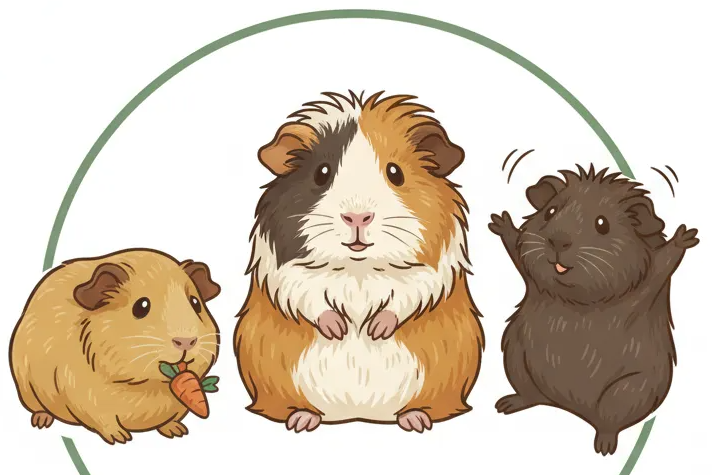
I’ve perfected this routine over years of caring for my own guinea pigs-Pepper, Clover, and Biscuit.
Why a Weekly Guinea Pig Care Routine Keeps Your Pet Thriving
Consistency is the secret ingredient to a happy, healthy guinea pig. A predictable schedule directly lowers their stress levels, making them feel safe and secure in their environment. When they know what to expect, they spend less energy being anxious and more time being their delightful, popcorn-ing selves.
This routine also builds an incredible bond between you and your pet. My guinea pig, Pepper, used to be a bit skittish. Once we settled into our weekly rhythm of cage cleaning on Saturdays and health checks on Sundays, he started wheeking with excitement when I approached, knowing it was our special time together. Clover, my graceful Abyssinian, became so much more confident and would climb right onto my lap for cuddles.
From an animal welfare perspective, a weekly care checklist is a powerful tool against neglect. It ensures no task is forgotten and helps you spot subtle changes in behavior or appearance that could signal a health problem. Catching issues like overgrown teeth or a small skin irritation early can make all the difference in getting your cavy prompt treatment and avoiding unnecessary suffering.
Essential Elements of Your Weekly Guinea Pig Care Checklist
A solid guinea pig care routine covers all the bases to ensure their physical and mental well-being. Breaking it down into core components makes this weekly care checklist manageable and thorough. A complete guinea pig hygiene cleaning routine should include daily spot-cleaning, weekly cage deep-clean, fresh bedding, and regular grooming to keep them healthy. These steps can be integrated into your weekly plan. You can tackle one area at a time without feeling overwhelmed.
Your weekly guinea pig care checklist should include these five pillars:
- Health Monitoring: Weigh your pet, check their eyes, nose, and ears for discharge, and gently feel their body for any lumps or sore spots.
- Cage Maintenance: Perform a full cage clean, replacing all bedding, scrubbing the floor with a pet-safe cleaner, and washing food bowls and water bottles.
- Grooming: Brush their coat to prevent mats, check nail length for trimming, and do a quick bottom check for any mess, especially in long-haired breeds.
- Feeding: Review their diet, ensuring a constant supply of fresh hay and replenishing their stock of pellets and vitamin C-rich veggies.
- Enrichment: Rotate toys, introduce a new hideout or tunnel, and plan for extra floor time and interactive play.
Always tailor your approach to your guinea pig’s unique personality. My guinea pig Biscuit is reserved, so I perform his health checks in a quiet, familiar corner of his cage to keep him calm. Understanding your guinea pig’s temperament helps you tailor the routine to each individual. Guinea pig personality temperament can range from shy to bold, influencing where and when you perform checks. For a more outgoing pig, you might do this during lap time. Observing their individual comfort levels is key to a successful and stress-free routine for everyone.
Balancing Daily and Weekly Tasks for Smooth Guinea Pig Care
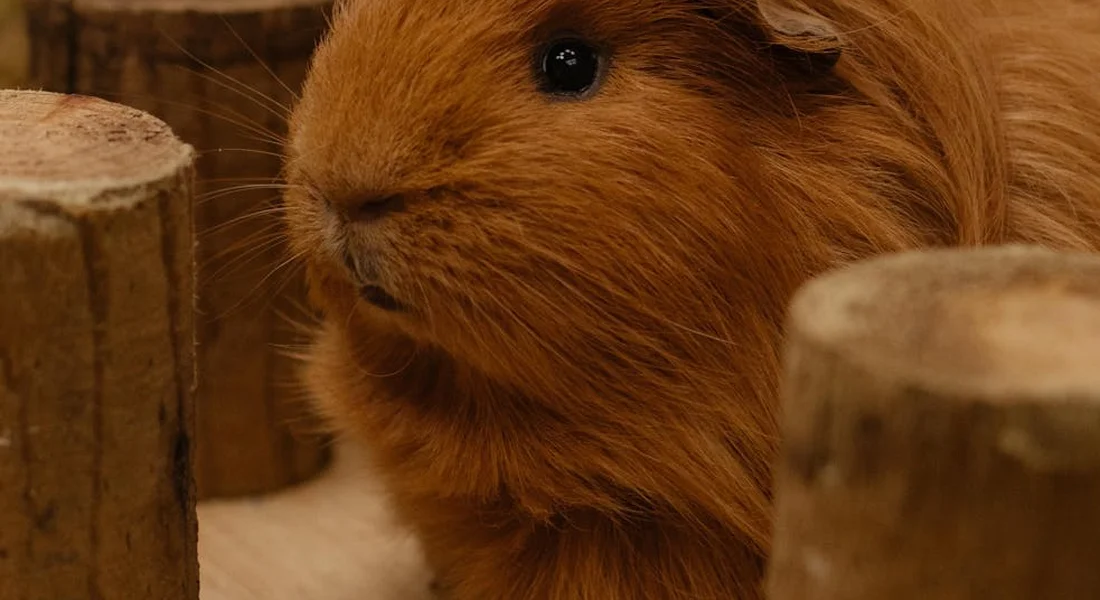
Managing guinea pig care feels less overwhelming once you separate daily upkeep from weekly chores. Daily tasks focus on immediate needs like hunger and hydration, while weekly routines tackle habitat cleanliness and health monitoring. This separation prevents burnout and ensures your pets thrive. For busy schedules, here are quick guinea pig care tips and tricks to stay on track. Set reminders for daily checks and prep supplies in advance to keep routines smooth.
My three guinea pigs-Pepper, Clover, and Biscuit-taught me this balance through trial and error. Establishing a clear schedule transformed chaotic clean-ups into a predictable, peaceful rhythm for all of us. You can achieve this too, even with a packed calendar.
Daily vs. Weekly Tasks at a Glance
| Frequency | Tasks |
|---|---|
| Daily |
|
| Weekly |
|
Simple Time Management Strategies That Work
Juggling work and pet care used to leave me frazzled until I created simple routines. I pair daily guinea pig tasks with my own habits, like refilling hay while my morning coffee brews. This makes care feel seamless rather than stressful.
For weekly deep cleans, I block out Sunday afternoons. Turning on music and involving my family makes cage cleaning a fun, shared activity instead of a dreaded chore. My guinea pigs now popcorn in anticipation when they hear our cleaning supplies!
Keep a small caddy with grooming tools and cleaning supplies near the cage. Having everything within reach cuts cleaning time in half and prevents procrastination. I learned this after weeks of searching for nail clippers while Biscuit made her escape attempts!
Remember that guinea pigs flourish on consistency. Your predictable care schedule helps them feel secure, transforming skittish pets into confident companions like my gentle Pepper. They’ll reward your efforts with cheerful wheeks and trusting nuzzles. If you want to know they’re happy, look for relaxed bodies, bright eyes, and regular, gentle wheeks. Happy pigs often seek your company and explore with curiosity.
Step-by-Step Weekly Health Checks for Your Guinea Pig
-
Conduct a Gentle Physical Examination
Begin by placing your guinea pig on a secure, flat surface covered with a soft towel. Use a calm voice and gentle hands to check each area, rewarding them with a small piece of cilantro or parsley afterwards. To safely handle your guinea pig during a health check, support their chest and hindquarters with both hands and keep them close to your body. Move slowly and pause if they show stress, offering a treat when they settle. I’ve found that my guinea pig, Biscuit, is much more cooperative when he knows a treat is coming.
- Eyes: Look for clear, bright eyes without any cloudiness, redness, or discharge. A small, harmless white discharge (called “sleep”) is normal, but crusty buildup or squinting needs a vet’s attention.
- Ears: Check inside for any waxy buildup, dirt, or redness. The skin should be clean and pale pink. My Abyssinian, Clover, has curly fur, so I gently part it around her ears for a better view.
- Nose: Ensure it’s dry and free of any mucus or crust. A constantly wet nose or frequent sneezing can be an early sign of a respiratory infection.
- Weight: Weigh your pet weekly using a small digital kitchen scale. Record the number to track trends. A sudden weight loss, even just an ounce, is often the very first sign of illness and warrants an immediate call to your veterinarian.
-
Know When to Seek Professional Veterinary Care
Proactive monitoring helps you catch problems before they become emergencies. Trust your gut-you know your pet’s normal behavior and appearance better than anyone. I learned this when Pepper, usually my most vocal eater, became quiet and withdrawn one evening.
- Contact your vet if you notice labored breathing, lumps or swellings, or a lack of droppings in the cage.
- Seek immediate care for any bleeding, inability to walk, or if your guinea pig stops eating or drinking entirely.
- Changes in thirst or urination habits also deserve a professional opinion.
-
My Personal Insights on Observing Subtle Changes
Health checks are about more than just physical touch. The most telling signs of wellness or illness often come from simply watching how your guinea pig moves and interacts with their world. During our weekly sessions, I note their energy levels and curiosity.
- I pay close attention to how they greet me. A happy “wheek” is a good sign, while silence or hiding can indicate stress or pain.
- I observe their posture. A guinea pig that is hunched up or pressing its belly to the floor is likely uncomfortable.
- I monitor their eating style. Do they chew enthusiastically or seem to pick at their food? A change here was my first clue that Biscuit had a minor dental issue.
Deep Cleaning Your Guinea Pig Cage: A Weekly Must-Do
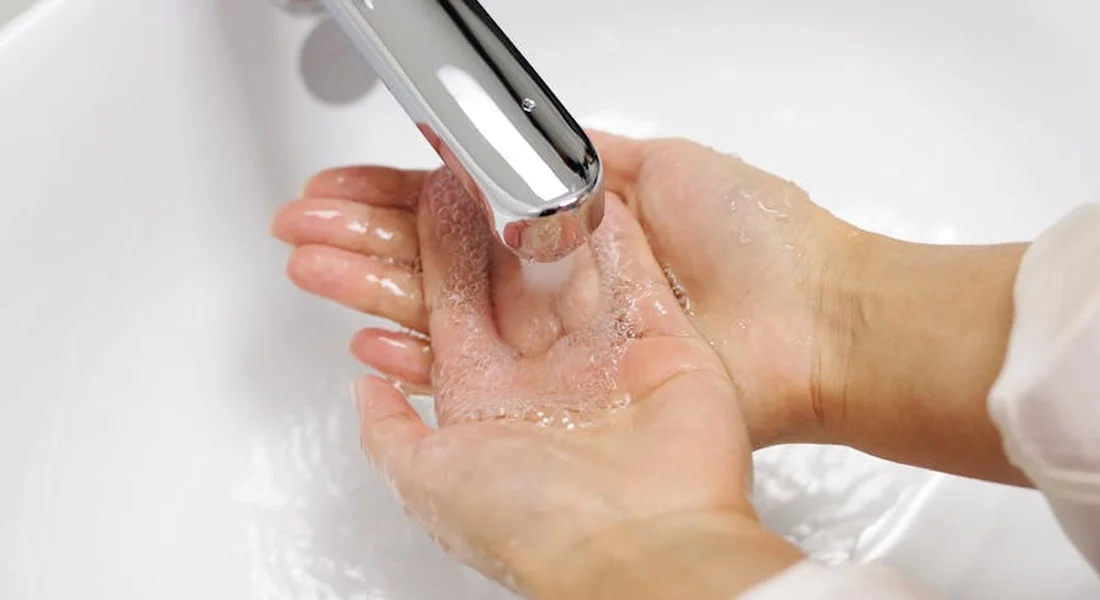
Cleaning day is a non-negotiable part of guinea pig ownership. A pristine habitat is your first line of defense against respiratory issues and skin infections for your small friends. I learned this the hard way with my first guinea pig, Pepper, who developed a sneeze that vanished once I committed to a stricter cleaning schedule.
-
Outline steps for full cage clean: remove bedding, scrub surfaces, and refresh litter box.
Follow this simple sequence every week for a truly fresh start.
- First, move your guinea pigs to a safe, temporary playpen or a secure carrier.
- Remove and dispose of all old bedding, hay, and any soiled fleece liners.
- Take out all hideys, food bowls, and water bottles for a separate wash.
- Use a pet-safe disinfectant or a vinegar-water solution to scrub the entire cage base and walls.
- Rinse thoroughly with clean water to ensure no chemical residue remains.
- Wipe everything completely dry with an old towel to prevent moisture buildup.
- Add a generous layer of your chosen fresh, absorbent bedding.
- Scrub the litter box with hot, soapy water, rinse, and refill with new litter.
- Finally, return all clean accessories and your happy, waiting pets.
-
Recommend safe bedding options and eco-friendly cleaning solutions.
Your choices here directly impact air quality and comfort. I always opt for paper-based bedding for my trio, as it’s super absorbent and creates minimal dust. Avoid cedar and pine shavings at all costs; their aromatic oils can cause serious liver and respiratory damage.
- Paper Bedding: Highly absorbent, soft on feet, and low dust. A fantastic, safe choice.
- Aspen Wood Shavings: The only wood shaving considered safe, as it lacks harmful phenols.
- Fleece Liners: A reusable option that’s cost-effective and cozy, but requires daily spot-cleaning.
For cleaning, skip the harsh chemicals. A simple 50/50 mix of white vinegar and water in a spray bottle is my go-to; it cuts through urine scale naturally and is completely safe once rinsed. For tougher grime, a little castile soap works wonders.
-
Share tricks to make cleaning faster, like prepping supplies in advance.
A little preparation turns a chore into a quick, efficient task. I keep a dedicated “cleaning caddy” stocked with my vinegar spray, scrub brush, trash bags, and fresh bedding, so I’m not scrambling for supplies.
- Spot-clean the cage daily. Removing soiled patches of bedding mid-week makes the big clean much faster.
- Have a second set of food bowls and water bottles. You can swap in the clean set immediately while the dirty ones soak.
- Clean accessories in a sink of hot, soapy water while the empty cage air-dries. This multi-tasking saves precious minutes.
- Involve the family! Make it a fun, quick team effort where everyone has a small job.
Grooming and Bonding in Your Weekly Guinea Pig Care
Grooming is far more than a chore. This weekly ritual builds immense trust and provides a crucial health check. Understanding their grooming cues helps me read their social bonds. Watching who grooms whom reveals how they share trust. I always set aside time after their morning veggies, when my guinea pigs are most content and cooperative.
Brushing and Nail Care
Brushing frequency depends entirely on their coat. My Peruvian, Biscuit, needs a gentle daily comb to prevent tangles. My short-haired guinea pigs, Pepper and Clover, enjoy a thorough brushing just once a week. This removes loose hair and distributes natural skin oils.
- Use a soft-bristled brush for short-haired breeds.
- Invest in a long-toothed comb for long-haired pigs like Peruvians and Silkies.
- Always brush in the direction of hair growth to avoid discomfort.
Nail trimming often feels daunting. I check nails every week and trim them as soon as I see a slight curve. Waiting too long makes the quick grow longer, complicating future trims.
- Wrap your guinea pig snugly in a small towel, exposing one paw at a time.
- Use sharp, small-animal nail clippers for a clean cut.
- Identify the pink quick inside the nail and carefully clip just before it.
- Keep a styptic powder or cornstarch nearby in case of a minor bleed.
Socialization and Enrichment Play
Grooming sessions naturally transition into playtime. After a brush, I let Pepper and Clover explore a secure floor pen for at least thirty minutes. This daily floor time is non-negotiable for their mental and physical health.
Enrichment is key to a happy guinea pig. Simple cardboard boxes with two exit holes become their favorite castles and hiding spots. I rotate these toys weekly to keep their environment novel and engaging. For more boredom busters, here are 20 safe, engaging enrichment ideas for guinea pigs. These ideas range from tunnels to foraging puzzles and safe chew toys.
- Create a “dig box” with shredded paper or hay for natural foraging behavior.
- Hide small pieces of their daily veggies around the pen to encourage exploration.
- Introduce safe, untreated wooden blocks or apple sticks for chewing.
I also use scent enrichment. Rubbing a bit of fresh cilantro or parsley on a new toy helps my reserved Biscuit investigate it with curiosity instead of fear. This simple trick builds their confidence with new objects.
Transforming Grooming into a Bonding Ritual
I turned grooming from a struggle into a cherished ritual. My guinea pigs now associate the brush and nail clippers with tasty cilantro and soft talking. I speak to them constantly during the process, praising their calm behavior.
Clover, my graceful Abyssinian, used to be skittish about nail trims. By pairing each successful paw trim with her favorite dandelion green, she now sits patiently in my lap. This positive reinforcement has strengthened our bond immensely. Your consistent, gentle handling will build that same unshakable trust.
Weekly Feeding and Supply Management for Optimal Health
Keeping your guinea pigs healthy starts with a consistent feeding plan. I’ve found that a predictable routine not only keeps them happy but also helps you spot any changes in their appetite early. This is your weekly guide to getting it right.
1. Plan Your Weekly Feeding Schedule
A balanced diet prevents common health issues like scurvy. Your guinea pigs need three key components every single day: unlimited grass hay, fresh vegetables, and a reliable source of Vitamin C. Here’s how I structure Pepper, Clover, and Biscuit’s week.
- Hay is Available 24/7. I fill their hay racks completely every morning. Timothy or orchard grass hay should make up about 80% of their diet for proper digestion and dental health.
- Fresh Veggies Twice Daily. I offer a cup of fresh vegetables per pig each day, split between a morning and evening feeding. This mimics their natural grazing behavior.
- Prioritize Vitamin C. Guinea pigs cannot produce their own Vitamin C. I give them high-C veggies like bell peppers and kale daily. A small, measured amount of high-quality pellets also provides a fortified base.
2. Check and Restock Your Supplies
Running out of essentials causes stress for you and your pets. I do a full inventory every Sunday to ensure we’re set for the week ahead. This simple habit saves last-minute panic.
Follow these steps:
- Inspect the Hay. Open your hay bag. Check for any dust, mold, or a strange smell. Good hay should smell sweet and grassy.
- Check Pellet Levels. Ensure you have enough fortified pellets for the week. Look at the expiration date to guarantee the Vitamin C is still potent.
- Assess Bedding Stock. Do you have enough for a full cage clean? I always keep one unopened bag as a backup.
- Review the Veggie Drawer. Plan your grocery list based on what’s running low. I aim for a variety of at least 3-5 different veggies each week.
3. Troubleshooting for Picky Eaters
If one of your guinea pigs turns up their nose at food, don’t worry. Biscuit, my Peruvian, taught me everything about patience with a picky eater. He was very reserved and would often ignore new foods.
Here’s what worked for us:
- Introduce One New Food at a Time. I offered Biscuit a tiny piece of a single new vegetable for three days in a row. This gives them time to get used to it without overwhelm.
- Eat Together. I would sit by the cage and crunch on a bell pepper slice. Seeing me “enjoy” it often piqued his curiosity enough to try it himself.
- Chop Finely and Mix In. For stubborn cases, I finely chop the new veggie and mix it thoroughly with his absolute favorites, like cilantro. He often eats it by accident and learns to like it.
- Never Starve Them Into Submission. If Biscuit refused something, I removed it after an hour and tried again another day. Removing uneaten fresh food promptly prevents spoilage in the cage.
The key is persistence without pressure; their tastes can and do change over time. What Biscuit hated last month might be his favorite snack today.
Troubleshooting Common Hurdles in Your Guinea Pig Care Routine
Even with the best intentions, you might hit a few bumps when establishing your weekly care routine. Every guinea pig owner faces these challenges, and I’ve certainly navigated them with my own trio of personalities. The key is to observe, adapt, and not get discouraged. To properly care for guinea pigs, remember their daily needs—fresh hay, clean water, and a spacious, safe enclosure. With consistent routines, you’ll notice changes early and keep them thriving.
When Your Guinea Pig is Hiding or Seems Skittish
It’s completely normal for a new guinea pig, or even a settled one on a busy day, to retreat when you approach the cage. Forcing interaction will only increase their fear, so patience is your most powerful tool here. My guinea pig Biscuit was incredibly reserved for months. If yours won’t come out of its hidey, it’s often because they’re unsure or want extra security. Keep noise low, offer soft lighting, and let them explore at their own pace, with gentle encouragement and tasty treats at the entrance.
- Speak in a soft, calm voice before you even open the cage door.
- Place your hand in the cage slowly, letting them sniff you without attempting to pet them.
- Try hand-feeding their favorite veggies, like a leaf of cilantro or a slice of bell pepper, to build positive associations.
- Respect their hiding spots. Never pull them out from a hut; let them come to you on their terms.
Recognizing and Reducing Signs of Stress
Guinea pigs are sensitive souls, and stress can manifest in subtle ways. Learning to read their body language is crucial for their long-term health and happiness. By learning to interpret common guinea pig behaviors and body language—such as freezing when startled, ears upright and relaxed, or soft vocalizations—you can better understand what they’re experiencing. Look for these signals and act accordingly.
- Excessive Hiding: If they rarely come out, even when it’s quiet, reassess the cage location. Is it too noisy or high-traffic?
- Chattering Teeth: This is a clear warning sign. It often means they feel threatened or annoyed. Give them space immediately.
- Lack of Appetite: A sudden disinterest in food is a major red flag and warrants a call to your veterinarian.
I noticed my graceful Clover would freeze and flatten herself whenever the vacuum cleaner ran. I adjusted my cleaning schedule to a time when I could move my pigs to a safe, quiet playpen in another room, which made a world of difference.
Managing Your Routine with a Busy Schedule
Life gets hectic, and a lengthy pet care routine can feel overwhelming. The good news is that you can streamline tasks without compromising your pet’s well-being. I combine activities to save time while ensuring my pigs get everything they need.
- Spot-Clean Daily, Deep-Clean Weekly: Spend 5 minutes each morning removing soiled bedding and uneaten veggies. This makes the weekly full cage change much faster and easier.
- Combine Social and Health Checks: While your guinea pigs are munching on floor time veggies, gently check their eyes, nose, and fur for any issues.
- Use Technology: Set recurring reminders on your phone for weekly tasks like nail trims or weigh-ins. This prevents them from slipping your mind on a busy Friday.
- Prep Veggie Kits: Wash, dry, and portion a week’s worth of daily veggie mixes in reusable containers. This makes daily feeding a 30-second task.
Adapting to Your Herd’s Unique Personality
No two guinea pigs are alike, and your routine must be flexible enough to accommodate their individual quirks. What works for one pig may not work for another, and that’s perfectly okay. My gentle Pepper enjoys a long, calm lap time, while Biscuit prefers shorter, more active exploration sessions.
- Observe which activities each pig seems to enjoy most and tailor their individual interaction time accordingly.
- If one pig is dominant during feeding, consider using multiple food bowls placed far apart to ensure everyone gets their share.
- Be prepared to adjust your schedule. Maybe your pigs are most active and sociable in the evening rather than the morning. Work with their natural rhythm.
Building a successful routine is a living process that evolves with you and your pets. It’s not about perfection, but about creating a consistent, loving, and safe environment where your guinea pigs can truly thrive.
FAQs
Where can I find a reliable guinea pig care guide in PDF format?
Many reputable pet care websites and veterinary organizations offer free downloadable PDF guides. Always check that the guide is up-to-date and sourced from experts to ensure accurate care information.
What do experienced owners on Reddit suggest for handling skittish guinea pigs?
Reddit users often recommend using treats and speaking softly to build trust with nervous guinea pigs. They advise against sudden movements and suggest giving the pet time to approach you on its own terms.
What are the first steps to take when bringing a new guinea pig home?
Set up a secure, quiet cage with hiding spots and familiar items to help them feel safe. Limit handling initially and provide plenty of hay and water to ease their transition into the new environment.
How can I create a guinea pig care sheet for quick reference?
Summarize essential tasks like daily feeding, weekly cleaning, and health monitoring in a simple, organized chart. Include emergency contacts and dietary reminders to keep all key information easily accessible.
What are some common myths about guinea pig care?
A common myth is that guinea pigs can live happily alone, but they are social animals that thrive with companionship. Another misconception is that they need minimal space, but a large, enriched cage is vital for their well-being.
Sticking to a consistent weekly routine is your most powerful tool for keeping your guinea pigs thriving. You’ll provide a clean home, monitor their health, and build a stronger bond through regular interaction.
Being a great guinea pig parent means always being open to learning more about their needs and welfare. I encourage you to explore eco-friendly care options and continue providing the compassionate, attentive home your pets deserve.
Further Reading & Sources
- How to Care for Your Guinea Pig: A Guide for Pet Parents | PetMD
- Guinea pig care | Animal Humane Society
- Routine Health Care of Guinea Pigs – All Other Pets – MSD Veterinary Manual
- Guinea Pigs Love a Routine | Guinea Pig Care | Guinea Pigs | Guide
Kate is a passionate guinea pig owner and advocate for small pet welfare. With over a decade of experience caring for guinea pigs, she has become a trusted voice in the small pet community.
Uncategorized