Do Guinea Pigs Attract or Deter Rodents Like Mice and Rats?
Published on: January 14, 2026 | Last Updated: January 14, 2026
Written By: Kate M. Callahan
Hello CavyFam! You love your guinea pigs, but you might worry if their cozy habitat could be inviting unwanted wild rodents into your home. It’s a common concern, especially when you want to keep all your furry friends safe and your space clean.
In this article, we’ll explore: common myths vs. facts, the science behind rodent attraction, practical prevention steps, and health risks to avoid. I’ve cared for my own guinea pigs for years, learning firsthand how to maintain a rodent-free, happy environment for everyone.
The Great Debate: Attractant or Deterrent?
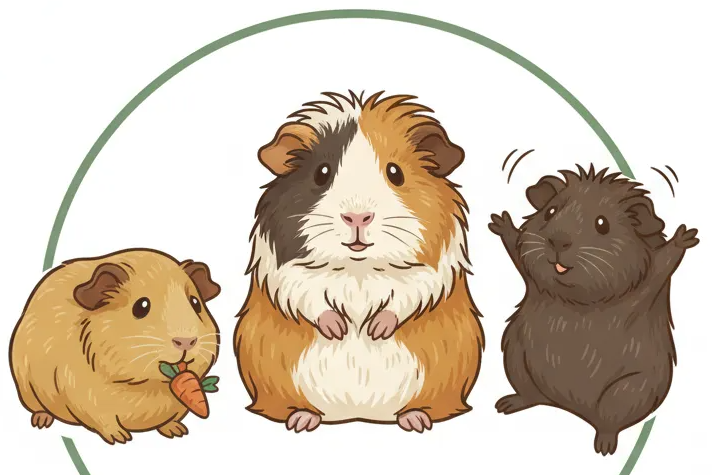
Many new guinea pig owners worry about turning their home into a rodent magnet. From my years of living with my trio-Pepper, Clover, and Biscuit-I can tell you the answer isn’t a simple yes or no. It really depends on your specific setup and housekeeping habits.
Why Your Guinea Pig’s Home Might Attract Unwanted Guests
Wild mice and rats are incredible survivors, always searching for three things: food, water, and shelter. A poorly managed guinea pig cage can unfortunately provide a veritable feast and a five-star hotel for these pests.
The Scent of Food: Hay and Pellets
Your piggies’ diet is a major draw. The sweet, grassy smell of fresh hay is like a dinner bell for wild rodents.
- Open bags of hay or pellets are easy targets.
- Spilled food scattered around the cage is an open invitation.
- Uneaten fresh veggies left in the cage can rot, creating a powerful scent trail.
I learned this the hard way after finding a small mouse helping itself to Clover’s leftover parsley. Storing all food in sturdy, airtight containers was a total game-changer for our household.
Cozy Bedding and Shelter
Think about it from a mouse’s perspective. A guinea pig cage offers a warm, soft, and protected space.
- Deep piles of paper or aspen bedding are perfect for burrowing and nesting.
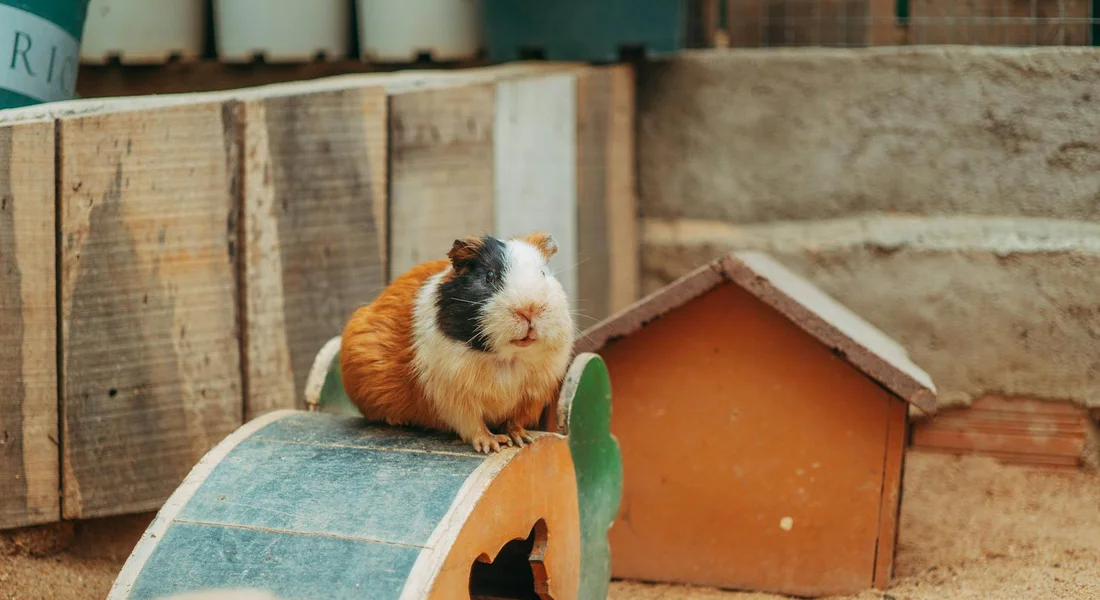
- Fleece forests, cozy hideys, and tunnels provide excellent cover from predators (like you!).
- The general warmth and lack of disturbance in a quiet corner of a room is ideal.
I make it a point to clean my pigs’ habitat frequently, as a dirty cage is far more appealing to an intruder than a clean, well-maintained one. This simple routine is your first and best line of defense.
The Real Risks: When Rodents and Guinea Pigs Cross Paths
Safety and Stress for Your Herd
I once had a mouse find its way into my guinea pigs’ enclosure, and the change in their behavior was instant. My normally chatty pig, Biscuit, became completely silent and hid in his hut for hours. Wild rodents introduce immense stress, disrupting the peaceful environment your guinea pigs need to thrive. Mice and rats are unpredictable, and their sudden movements can terrify your pets.
Your guinea pigs see their cage as a safe territory. An intruder violates that security. This stress can suppress their immune systems, making them far more susceptible to illness. Does this look like guinea pig cage aggression? And what can you do to stop it? I noticed Pepper, my gentle pig, stopped eating his usual amount of veggies until the situation was resolved.
Health Concerns and Parasites
This is the most serious risk. Wild rodents can be carriers of diseases and parasites that are dangerous for your domestic pets. I learned this the hard way after a vet visit prompted by the mouse incident. Rodents can transmit bacteria like Salmonella through their droppings and urine, contaminating food, water, and bedding.
- External Parasites: Mice and rats often carry mites and fleas. These can jump to your guinea pigs, causing intense itching, hair loss, and skin infections.
- Internal Parasites: They can spread intestinal worms through contaminated feces. This is why I now do regular fecal checks for my herd.
- Respiratory Issues: The dust from dried rodent urine can become airborne, potentially causing respiratory distress in your pigs.
My vet explained that while direct attacks are rare, the indirect health threats are very real. A single rodent visitor can leave behind a trail of invisible health hazards.
Practical Protection: Keeping Your Flock Safe
Fortifying the Enclosure and Cage
Think of your guinea pig’s home as a small fortress. The goal is to make it inaccessible. For my C&C cage, I added a layer of 1/4 inch hardware cloth around the bottom third. This fine metal mesh is a physical barrier that prevents rodents from squeezing through or chewing their way in.
- Inspect for Gaps: Get down on the floor and look for any opening larger than a dime. Seal them with metal, not plastic or wood, which rodents can gnaw through.
- Elevate the Habitat: If possible, place the cage on a stand. This creates an extra obstacle and makes it harder for pests to reach.
- Secure the Lid: A secure, well-fitting lid is non-negotiable, especially for open-top pens. I use sturdy binder clips to ensure mine is always locked down tight.
Smart Food and Waste Management
Food is the number one reason rodents are attracted to your guinea pig’s area. I store all my hay, pellets, and treats in thick, airtight plastic bins with locking lids. Leaving a bag of food open is like sending out a dinner invitation to every mouse in the neighborhood.
- No Overnight Buffets: Remove any uneaten fresh vegetables and pellets before you go to bed. I do this during my last check-in with Clover and the others.
- Clean Bowls Daily: Wash food and water bowls every single day to remove food residue and slime.
- Manage Waste: Don’t let soiled bedding pile up in a nearby trash can. Dispose of it frequently in a sealed outdoor bin.
The Importance of a Clean Habitat
A clean cage is your first and best line of defense. It removes the smells and mess that attract rodents in the first place. I stick to a strict cleaning schedule: a quick spot-clean twice a day and a full cage change once a week. This routine keeps ammonia levels from urine low and eliminates hidden food scraps.
Pay special attention to the area under and around the cage. Sweep or vacuum this space daily. A tidy environment gives rodents no reason to investigate and nowhere to hide. When I’m consistent with this, I notice a complete absence of any pest issues, which gives me great peace of mind for my herd’s wellbeing.
Monitoring for Signs of Pests
You must regularly inspect your guinea pig’s area and your home for any unwelcome visitors. Look for small, dark droppings near food bags or along baseboards, as this is the most obvious clue. Listen for faint scratching noises in walls or ceilings, especially at night when rodents are most active. Check for gnaw marks on cardboard boxes, wood, or even wires, which indicate their constant need to chew.
I once noticed a torn corner on a hay bag and found tiny droppings nearby, which was my wake-up call to improve my storage. Finding shredded paper or fabric in odd corners can also signal a mouse is building a nest. A sudden, musky odor in a previously neutral-smelling room is another red flag you shouldn’t ignore.
Essential Guinea Pig Care That Supports a Rodent-Free Zone
Proper care for your guinea pigs goes hand-in-hand with keeping your home pest-free. Properly caring for guinea pigs means routine cage maintenance—daily spot-cleaning, weekly full cage cleaning, fresh hay, and a safe, quiet living space. Creating a clean, managed environment is your strongest defense against attracting rodents looking for an easy meal. My trio—Pepper, Clover, and Biscuit—thrive in a routine that prioritizes their health and habitat security.
Ideal Enclosure Size and Setup
A spacious and well-maintained cage is non-negotiable. I use a large C&C cage that provides ample room for all three of my pigs to roam, which also makes spot-cleaning much simpler. Avoid using enclosures with wide bar spacing, as determined mice can squeeze through surprisingly small gaps. The solid flooring of my setup prevents urine from seeping into hard-to-clean areas, eliminating odors that can lure pests from afar. For a complete space requirements guide, you’ll learn exactly how much room guinea pigs truly need and how to size cages accordingly. It also covers per-pig sizing and practical multi-level layouts to maximize usable space.
Place the cage away from walls and clutter. This creates a “moat” of open space that makes rodents feel exposed and vulnerable, discouraging them from approaching. Elevating the cage on a stand adds another layer of difficulty for any curious intruders.
A Balanced Daily Diet
What and how you feed your guinea pigs matters immensely. Never leave pellets or fresh vegetables sitting in the cage for more than a few hours, as this decaying food is a powerful rodent magnet. Guinea pigs do best on a regular feeding schedule, typically two small meals per day. I feed Pepper, Clover, and Biscuit their morning and evening veggies in portions they can finish within a couple of hours.
Their unlimited timothy hay is the biggest potential attractant. I use a hay rack that contains the mess and pull any soiled hay from the bottom of the rack daily. Store all bulk food, including hay and pellet bags, in sturdy, airtight containers made of hard plastic or metal. Rodents can and will chew through paper, cardboard, and even thin plastic bags to get to a food source.
Recognizing Common Signs of Illness
A sick guinea pig can indirectly attract pests. An ill pig might soil its bedding more frequently or have a decreased appetite, leaving more waste and uneaten food that draws unwanted attention. I learned this when Biscuit was feeling unwell and didn’t finish her greens, which I promptly removed.
Stay vigilant for these key health indicators:
- Lethargy or hiding more than usual
- Weight loss or a change in eating habits
- Wetness around the mouth or bottom
- Crusty eyes or a dull, ruffled coat
Promptly addressing health issues not only helps your guinea pig but also maintains a cleaner, less attractive environment for pests. A healthy pig in a clean cage is your best pest deterrent. If your guinea pig seems sick, start with a complete home troubleshooting checklist to organize steps you can take at home. This helps you decide when to seek veterinary care promptly.
FAQs
What are the most common pet rodents?
Common pet rodents include guinea pigs, hamsters, gerbils, and mice. Rats and chinchillas are also popular choices for rodent enthusiasts.
What distinguishes guinea pigs from other rodents?
Guinea pigs are larger and more social than many other pet rodents like hamsters. They require a diet high in vitamin C and cannot produce it internally, unlike some rodents. Compared with hamsters, guinea pigs are typically larger and more social. This difference is a central point in a guinea pig vs hamster comparison, affecting housing, interaction, and daily care.
How much exercise do guinea pigs require?
Guinea pigs need daily exercise outside their cage to maintain health and prevent obesity. Provide at least an hour of supervised floor time in a secure area each day. So, how much floor time do guinea pigs need? Generally, about one hour per day is a good target, adjustable for age and activity level.
How long do guinea pigs typically live?
Guinea pigs usually live between 5 to 7 years with proper care and a healthy environment. Some may reach up to 8 years or more with excellent genetics and management. What is the average lifespan of a guinea pig?
Are guinea pigs social animals and do they need a companion?
Yes, guinea pigs are highly social and do best with at least one companion to prevent loneliness. Keeping them in pairs or small groups supports their mental well-being and natural behaviors, since guinea pigs need a friend.
Your Guinea Pig’s Role in a Rodent-Free Home
Guinea pigs themselves don’t attract rodents when you keep their living space clean and store food securely. Regular cage cleaning and proper food handling are your best defenses against unwanted pests. For natural pest control, use pet-safe, non-chemical methods around the cage. Keep the area dry and clutter-free, seal gaps, and maintain good ventilation to deter bugs.
Always prioritize your pets’ well-being by learning about sustainable care practices that protect them and the environment. Staying informed helps you provide a safe, eco-friendly home for your guinea pigs like my own Pepper, Clover, and Biscuit.
Further Reading & Sources
- Do Guinea Pigs Attract Mice and Rats? – VIVO Pets
- Do Guinea Pigs Attract Rats? (Why & How To Get Rid Of Them)
- Do Guinea Pigs Attract Mice: What Attracts Rats and How to Get Rid of Them
- Frustrated – Mice in my house: Are they attracted by guinea pigs?
Kate is a passionate guinea pig owner and advocate for small pet welfare. With over a decade of experience caring for guinea pigs, she has become a trusted voice in the small pet community.
Uncategorized