What Size Cage Do Guinea Pigs Need? (Complete Space Requirements Guide)
Published on: December 14, 2025 | Last Updated: December 14, 2025
Written By: Kate M. Callahan
Hello CavyFam! Choosing the right cage size is one of the most important decisions you’ll make for your guinea pigs’ well-being. Many owners feel anxious about not giving their pets enough room to thrive, which can lead to health and behavior issues.
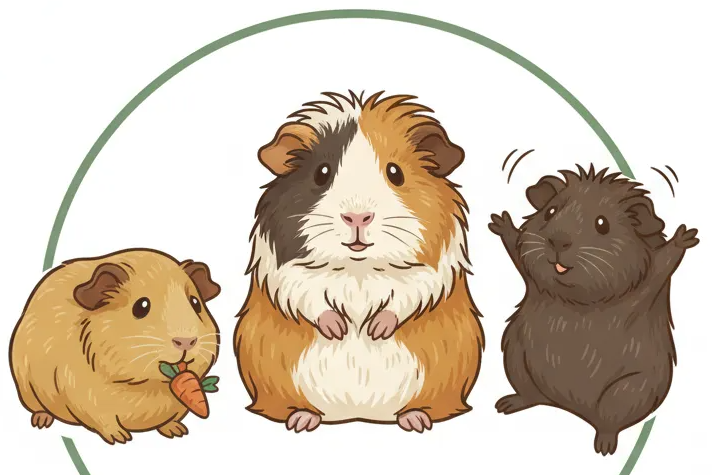
In this guide, I’ll walk you through key areas like minimum cage dimensions, space needs for pairs or groups, essential setup tips, and common mistakes to steer clear of. Having cared for my own guinea pigs-Pepper, Clover, and Biscuit-for years, I’ve learned firsthand what keeps them content and active.
Do Guinea Pigs Like Small Spaces?
Many people mistakenly think small, cozy spaces are comforting for small pets. In reality, guinea pigs are prey animals hardwired to need open space for safety and natural behaviors. My guinea pig, Clover, would freeze and refuse to move whenever I placed her in a small carrier, which showed me how stressed she felt.
They do appreciate having small hideouts within a large enclosure. Think of it like your own home: you need a big, open living area to move around, but also a small, cozy bedroom to retreat and sleep. A cramped cage removes their ability to choose, leading to boredom and stress.
- Running and “popcorning” (joyful jumps) require a long, clear runway.
- Foraging and exploring are instinctual activities that need room.
- Hiding is a stress response; too much hiding means their main space is inadequate.
Minimum Cage Size for One Guinea Pig
The absolute minimum cage size for a single guinea pig is 7.5 square feet. This is the bare minimum recommended by organizations like the Humane Society, but I always advise going bigger whenever possible, especially considering how much guinea pigs can grow depending on their breed and age. My first guinea pig, Pepper, lived in an 8-square-foot cage, and while she was healthy, her personality truly blossomed when I upgraded her to a larger space.
Floor space is what truly matters, not height. A long, low cage is far superior to a tall, narrow one for these ground-loving animals. They are not climbers like some other small pets, so vertical space is largely wasted.
- Minimum (7.5 sq ft): Often a 30″ x 36″ cage. Suitable for basic survival but not ideal for long-term enrichment.
- Recommended (8 sq ft or more): A 2×3 grid configuration in a C&C cage is a fantastic and popular starting point.
- Ideal (10.5 sq ft+): A 2×4 grid C&C cage allows for proper zoomies and a more natural layout with permanent hideys and a kitchen area.
Use a tape measure to calculate the square footage of any cage you’re considering. Multiply the cage’s length by its width in inches, then divide by 144 to get the total square feet. This simple step ensures you never accidentally buy an enclosure that’s too small for your pet’s wellbeing.
Space Requirements for Multiple Guinea Pigs

When you have more than one guinea pig, their space needs multiply, but not in the way you might think. It’s not about simply adding the minimum space for one pig; it’s about providing enough room for their complex social dynamics to flourish without stress. From my years of living with my trio, I’ve seen cramped quarters turn gentle companions into frustrated roommates.
The Absolute Minimum vs. The Recommended Reality
Official guidelines often state a minimum, but I’ve found these are bare survival spaces, not thriving spaces.
- Two Guinea Pigs: The absolute minimum is often cited as 7.5 square feet, but I would never house my pigs in anything less than 10.5 square feet.
- Three Guinea Pigs: A trio, like my crew, needs a significant upgrade. While some say 10.5 square feet is enough, I firmly believe 13 square feet is the starting point for a harmonious home.
- Four or More Guinea Pigs: For a larger herd, aim for at least 16 square feet. More space always equals happier, healthier pigs.
Watching Pepper, Clover, and Biscuit in their large C&C cage showed me that extra space prevents squabbles over food, hiding spots, and favorite nap corners. It gives the more reserved pig, like Biscuit, a safe place to retreat when he needs a quiet moment.
Why More Space is Non-Negotiable
A bigger cage isn’t a luxury; it’s a core component of guinea pig welfare.
- Prevents Bullying: In tight quarters, dominant behaviors can intensify. Ample space allows subordinate pigs to escape and de-escalate tension.
- Encourages Natural Behaviors: Guinea pigs are active creatures designed for running. You’ll see them “popcorn” – those joyful, spontaneous leaps – far more often in a spacious environment.
- Reduces Stress and Illness: Chronic stress from crowding weakens their immune systems. A roomy home is a foundation for long-term health.
My Personal Setup for a Trio
My three pigs live in a custom-built C&C cage that measures 2 feet by 6 feet, giving them a full 12 square feet of continuous space.
- Multiple Hideys: I provide three separate hideouts, one for each pig. This prevents resource guarding and gives everyone a sense of security.
- Dual Food & Water Stations: Placing food bowls and water bottles at opposite ends of the cage encourages movement and stops one pig from monopolizing the resources.
- Open Running Lanes: I arrange toys and houses to create clear pathways for them to run full-speed laps, which they do every evening without fail.
This setup has been a game-changer for their personalities; Clover’s graceful nature shines when she has space to move, and even Biscuit has become more confident.
Cage Layout and Design for Happy Piggies
Getting the square footage right is only half the battle. A well-designed cage layout is what transforms a simple enclosure into a stimulating home your guinea pigs will adore. That’s exactly the kind of tip you’ll find in the best cage setup for guinea pigs guide. For beginners, this means focusing on size, enrichment, and easy-clean design. I learned this firsthand after watching my trio—Pepper, Clover, and Biscuit—truly blossom once I stopped just filling the space and started thinking like an interior designer for small pets.
Creating Functional Zones
Think of the cage as a small studio apartment. You wouldn’t put your bed in the kitchen, right? Your guinea pigs appreciate the same logic. Dividing the cage into distinct areas prevents chaos and helps your pets feel secure. This simple organization makes a massive difference in their daily routine. And when you think about placement, avoid common mistakes that affect their health and happiness. We’ll cover 8 cage placement mistakes that affect guinea pig health and happiness.
- The Dining Zone: Place food bowls and a hay rack in one dedicated corner. I use a heavy, tip-proof ceramic bowl for their pellets and a corner-mounted hay rack to keep the main floor cleaner.
- The Resting & Hiding Zone: This is non-negotiable. Guinea pigs are prey animals and need places to feel completely safe. Place at least two hideys, like small wooden houses or fleece forest tunnels, in a quieter section of the cage.
- The Potty Zone: While not all guinea pigs can be litter-trained, many will choose a specific corner. Placing a litter pan or a flat tray with absorbent bedding in that spot can help contain the mess.
- The Play Zone: Leave a large, open area for running laps, which guinea pigs call “popcorning.” This is where you can add fun, temporary toys like cardboard tubes or a small, safe ball.
Smart Use of Vertical Space
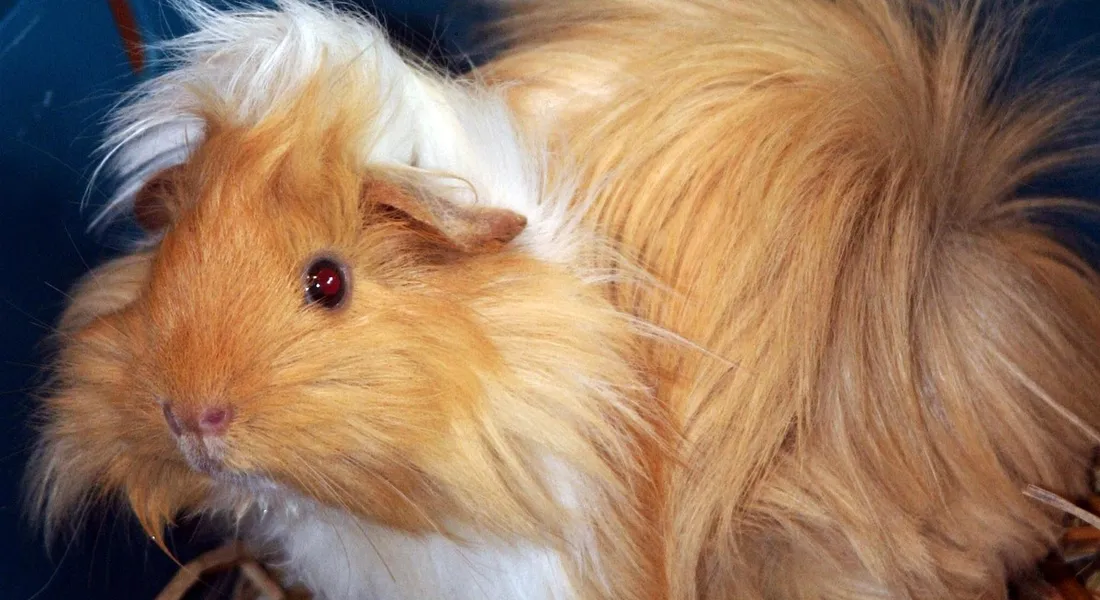
While guinea pigs are not climbers like rats or ferrets, you can still use vertical space cleverly. Adding a secure, low loft or a ramp-accessible platform effectively doubles the usable floor area without increasing the cage’s footprint. My Abyssinian, Clover, loves surveying her kingdom from her little loft.
Ensure any ramp is wide, gently sloped, and has side rails. Cover it with a non-slip material like fleece or turf. Never use wire mesh or steep ramps, as they can cause serious foot and leg injuries. Watching my gentle Pepper navigate a poorly made ramp was a hard lesson I won’t forget.
Essential Cage Furnishings
Furnishing the cage is where your personality and your pets’ needs meet. It’s my favorite part of setup! Choose items that encourage natural behaviors like foraging, hiding, and exploring. This keeps their intelligent minds active and prevents boredom.
- Multiple Hideys: Provide at least one hidey per pig, plus one extra. This prevents squabbles over prime real estate. My reserved Biscuit appreciates having his own private spot away from the girls.
- Tunnels and Bridges: These create fun pathways and break up sightlines, making the cage feel larger and more interesting. Simple cardboard boxes with holes cut in both ends work perfectly.
- Chew Toys: Guinea pigs’ teeth never stop growing. Untreated wooden blocks, applewood sticks, and woven grass balls are essential for dental health and enrichment.
- Soft Bedding Areas: Designate a cozy corner with a pile of soft hay or a fleece pad for lounging. You’ll often find them napping here after a big meal.
Bedding and Cleaning for Spacious Cages

With a roomy cage, bedding choices and cleaning routines become even more vital for your guinea pigs’ well-being. I’ve found that spacious setups need deeper bedding layers to absorb waste and reduce odors, making cage life healthier for pets like my trio-Pepper, Clover, and Biscuit. Their gentle and thoughtful personalities shine when their home feels fresh and secure. For a practical reference, this aligns with the ultimate guide to bedding options for guinea pigs, where you’ll find recommendations on safe substrates and appropriate depths. It’s a quick read that helps you choose a setup that keeps odors down and floors comfy for hours of play.
Choosing the Right Bedding Materials
Selecting bedding isn’t just about comfort; it impacts hygiene and environmental footprint. Paper-based or aspen wood shavings work well because they’re absorbent and dust-free, which I rely on to keep my guinea pigs’ lungs clear and cozy. Avoid cedar or pine with strong oils-they can irritate sensitive respiratory systems.
- Paper bedding: Soft, highly absorbent, and eco-friendly; ideal for burrowing and nesting.
- Aspen shavings: Natural, affordable, and low-dust; great for odor control in larger areas.
- Fleece liners: Reusable and soft, but require frequent washing to prevent dampness.
Step-by-Step Cleaning Routine
Regular cleaning prevents buildup and keeps your guinea pigs active and happy. I clean my cage weekly, swapping out soiled bedding and wiping surfaces with a vinegar-water mix for a safe, chemical-free shine. A complete guinea pig hygiene cleaning routine also includes daily spot-cleaning and regular nail checks. This routine helps me spot any health issues early, like changes in droppings or behavior.
- Remove your guinea pigs to a secure play area first.
- Scoop out wet spots daily and replace top bedding to extend freshness.
- Once a week, empty the entire cage, scrub with mild soap, and dry thoroughly.
- Add fresh bedding at least 2 inches deep for ample cushioning and absorption.
Eco-Friendly and Cost-Saving Tips
Being mindful of waste and expenses makes cage care sustainable. Reusing old towels as extra liners or composting soiled paper bedding cuts down on trash and saves money over time. I’ve noticed Biscuit, my reserved Peruvian, explores more freely when the environment feels clean and natural.
- Spot-clean high-traffic zones like feeding areas to reduce full cleanings.
- Opt for biodegradable options to lessen landfill impact.
- Rotate bedding types seasonally-more absorbent materials in humid months.
Avoiding Common Space Mistakes
I’ve seen many well-meaning owners make the same errors when setting up their first guinea pig home. Learning from these common pitfalls will save you time, money, and ensure your pets are truly happy. This article dives into common mistakes first-time guinea pig owners make, helping you avoid them.
Mistake 1: Trusting the “Standard” Pet Store Cage
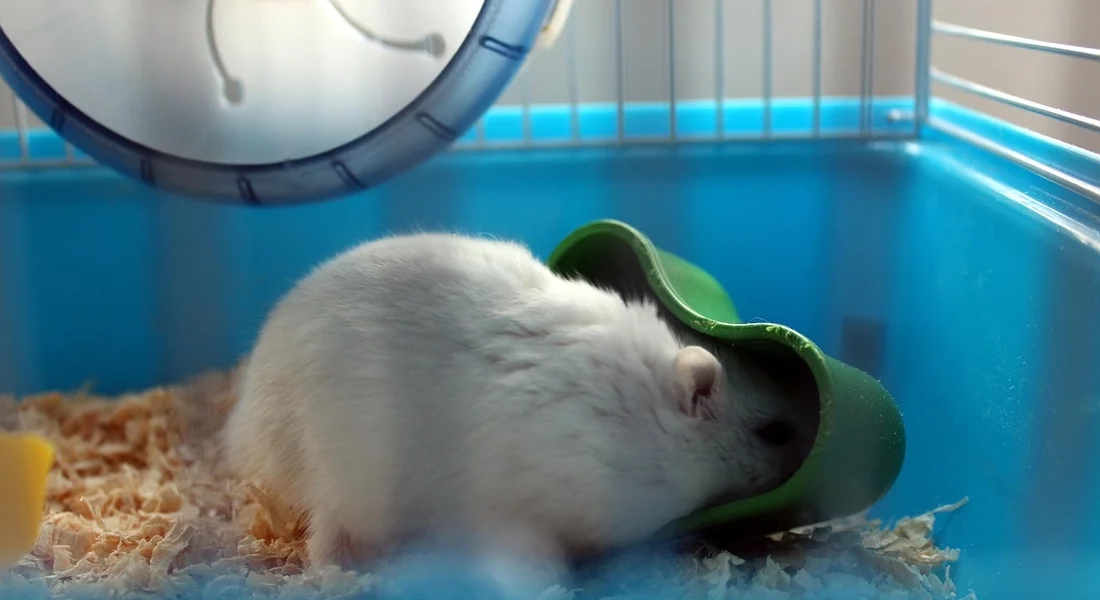
Most cages sold in big-box pet stores are far too small for long-term health. I made this mistake with my first guinea pig, Pepper, and quickly saw how confined he felt. Pet stores often market cages for “small animals,” but guinea pigs have very different space needs than hamsters or mice. A cage that seems spacious in the store will feel incredibly cramped once you add a hidey, food bowl, and water bottle.
What to Look For Instead:
- Midwest-style cages or C&C (Cubes & Coroplast) cages are excellent starting points.
- Focus on the square footage of the floor space, not the height or fancy accessories.
- Always calculate the space for two guinea pigs, even if you start with one, as companionship is vital for their welfare.
Mistake 2: An Empty, Uninteresting Floor Plan
Simply meeting the minimum square footage isn’t enough if the space is barren. My guinea pig Clover taught me that an enriched environment prevents boredom and encourages natural behaviors like popcorning (happy little jumps). A large but empty cage can be just as stressful as a small one because it offers no mental stimulation or security.
Here’s how to effectively use your cage’s square footage:
- Create distinct “rooms” with hideaways, tunnels, and low platforms.
- Ensure there are multiple hideys so pigs can have their own space and avoid conflicts.
- Use fleece forests or paper bag tents to add cheap, enriching clutter.
Mistake 3: Prioritizing Height Over Width
Guinea pigs are ground-dwelling creatures, not climbers. Investing in a tall, multi-level cage with narrow floors is one of the least efficient uses of your budget and space. My pig Biscuit is cautious and rarely uses steep ramps; he much prefers a long, flat runway for his zoomies. Like Biscuit, many pigs benefit from safe, floor-level exercise. In general, they need a few hours of supervised floor time each day, adjusted for age and energy.
The Right Way to Use Levels:
- If you add a loft, make sure the ramp is wide, gently sloped, and has side rails.
- The main living area must still meet the minimum space requirements on a single, primary level.
- Lofts are great for creating a dedicated kitchen or sleeping nook, but they don’t replace foundational floor space.
Quick Guide: Common Cage Sizes & Their Reality
| Cage Type / Common Name | Typical Dimensions | Is It Big Enough? |
|---|---|---|
| Standard Pet Store Cage | ~24″ x 12″ (2 sq ft) | No. Far too small, even for one guinea pig. |
| Midwest Guinea Pig Habitat | 47″ x 24″ (approx. 8 sq ft) | Yes. A good minimum for one or two pigs. |
| 2×3 C&C Cage | 28″ x 42″ (approx. 8 sq ft) | Yes. Another solid minimum for a pair. |
| 2×4 C&C Cage | 28″ x 56″ (approx. 11 sq ft) | Excellent. This is the recommended size for two guinea pigs. |
Using this table as a quick reference can help you instantly spot which cages are worth your investment and which to walk away from. Your guinea pigs will thank you with their cheerful wheeks and lively antics. This is especially relevant if you’re considering keeping two or more males in the same cage. With careful introductions and a roomy setup, male guinea pigs can sometimes live peacefully together, but aggression can happen if the space is cramped or introductions are rushed.
Upgrading to a Larger Guinea Pig Enclosure
You know that proud feeling when your guinea pigs popcorn with pure joy? That’s the exact feeling you get when you provide them with a spacious, new home they truly deserve. Upgrading isn’t just about more room; it’s about dramatically improving their quality of life.
Signs Your Guinea Pigs Need More Space
Your pets will tell you when they’re feeling cramped, often in subtle ways. From my own herd, I noticed Pepper and Clover started bickering over a single hidey-a clear signal they needed a change.
- Increased squabbling or chasing between cage mates.
- Reluctance to run or popcorn; they seem lethargic.
- A noticeable odor builds up much faster than before.
- They spend most of their time hiding in one spot.
- You see them pacing along the cage walls frequently.
Observing these behaviors is your cue that their current setup is holding them back from expressing their natural, happy personalities.
How to Successfully Transition to a Bigger Cage
Moving homes can be stressful for any creature. A careful, thoughtful approach makes all the difference for a smooth transition.
- Assemble the new cage first in its permanent location, fully equipped with fresh bedding, hay, and water.
- Transfer some of their old, used bedding into the new enclosure. The familiar scent is incredibly comforting and helps them recognize the new space as their own.
- Move their favorite hideouts and toys over first to create instant “safe zones.”
- Gently place your guinea pigs into their new home, preferably during a calm part of the day.
- Offer a special treat, like a sprig of cilantro, to create a positive association with the new environment.
Don’t be surprised if they are a little timid at first. My Peruvian, Biscuit, took a full day to cautiously explore every corner of her new C&C cage before she started popcorning.
Cage Size Recommendations Based on Your Herd
This isn’t a one-size-fits-all situation. Providing ample space is the single most impactful thing you can do for their long-term health and happiness. Here’s a practical guide based on the number of pigs you care for.
| Number of Guinea Pigs | Minimum Floor Space | Ideal & Recommended Floor Space |
|---|---|---|
| 1 Guinea Pig | 7.5 sq ft | 10+ sq ft |
| 2 Guinea Pigs | 7.5 sq ft | 10.5+ sq ft |
| 3 Guinea Pigs | 10.5 sq ft | 13+ sq ft |
| 4 Guinea Pigs | 13 sq ft | 16+ sq ft |
Always aim for the ‘Ideal’ measurement if your home can accommodate it-your piggies will use every single extra inch. More space means more room for separate feeding areas, multiple hideys to prevent arguments, and a proper “race track” for zoomies.
FAQs
How do I measure my current furniture to see if it can hold a guinea pig cage?
Use a tape measure to check the length and width of the surface to ensure it can fully support the cage’s base. You must also confirm the furniture is sturdy enough to hold the significant weight of the cage, bedding, and pigs.
Can I connect two smaller cages to meet the space requirements?
Yes, connecting two cages with a secure tunnel can create sufficient space if the total combined square footage meets the minimum. However, a single, large, open space is always preferable for allowing uninterrupted running and natural herd dynamics.
Is an outdoor hutch a good alternative to a large indoor cage?
Outdoor hutches can work but require rigorous weatherproofing, predator-proofing, and temperature control to be safe. Most experts recommend a spacious indoor cage as the primary home for better climate stability and interaction. For a detailed comparison, check out this indoor vs outdoor rabbit housing guide.
Do baby guinea pigs need less space than adults?
No, baby guinea pigs are highly active and require the same amount of space as adults to run and develop properly. It is best to start with an adult-sized enclosure to avoid the stress and cost of an upgrade later.
What is the minimum cage size for two male guinea pigs?
For two males, who can be more territorial, the minimum should be at least 10.5 square feet to reduce conflict. Providing more than the minimum, ideally 12 square feet or more, is highly recommended for a harmonious living environment.
Your Guinea Pig’s Happy Home Starts Here
The most important rule for a guinea pig cage is to always choose the largest one you can possibly accommodate, as bigger is unequivocally better for their health and happiness. Remember to fill that spacious cage with safe hiding spots, engaging toys, and soft, absorbent bedding to create a true sanctuary. To build the perfect cage setup, plan the layout first. Reserve space for a cozy hideaway and a roomy play area.
Being a fantastic pet owner means committing to lifelong learning about your guinea pigs’ unique needs and behaviors. I encourage you to explore eco-friendly care options, from biodegradable bedding to DIY toys, making choices that are good for your pets and our planet.
Further Reading & Sources
- The Truth About Guinea Pig Cage Sizes | Kavee
- Cage Guide | Southern California Guinea Pig Rescue
- Which Guinea Pig Cage Should You Get?- Cages for Guinea Pigs – GuineaDad
- How much space do guinea pigs need? – GuineaDad
Kate is a passionate guinea pig owner and advocate for small pet welfare. With over a decade of experience caring for guinea pigs, she has become a trusted voice in the small pet community.
Uncategorized