Guinea Pig vs Hamster: Which Pet Suits Your Home Best?
Published on: January 17, 2026 | Last Updated: January 17, 2026
Written By: Kate M. Callahan
Hello CavyFam! Are you stuck deciding between a guinea pig and a hamster for your family? You might feel unsure about which pet matches your daily routine and space.
In this article, I will guide you through a clear comparison to ease your choice. We will dive into:
- Size, lifespan, and physical traits
- Personality, behavior, and social needs
- Diet, care routines, and health tips
- Housing, costs, and family compatibility
I have years of hands-on experience caring for guinea pigs like Pepper, Clover, and Biscuit, so I can share real-life insights to help you pick the perfect companion.
Physical Characteristics and Size Comparison
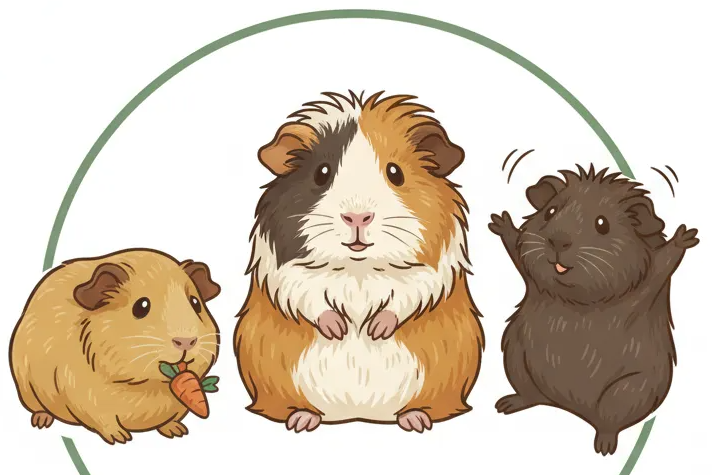
When you look at guinea pigs and hamsters side by side, the size difference is striking. Guinea pigs are much larger, often weighing between 700 to 1200 grams and measuring 20 to 25 centimeters long, while hamsters are petite, typically weighing 100 to 200 grams and reaching just 5 to 15 centimeters in length. I’ve noticed this with my own guinea pigs-Pepper, Clover, and Biscuit-each has a unique build that makes handling them feel substantial and secure.
Fur types vary widely between the two. Guinea pigs come in short-haired breeds like Pepper’s American type, or long-haired varieties like Biscuit’s Peruvian coat, which needs regular grooming to prevent mats. Grooming needs vary by coat type among guinea pigs, with short coats needing only quick brushing and long coats requiring more frequent, thorough grooming. This is an important factor when comparing short-haired versus long-haired guinea pig breeds. Hamsters often have shorter, denser fur that’s easier to maintain, but both pets can have different textures and colors that add to their charm.
| Feature | Guinea Pig | Hamster |
|---|---|---|
| Average Weight | 700-1200 grams | 100-200 grams |
| Average Length | 20-25 cm | 5-15 cm |
| Fur Types | Short, long, or curly (e.g., Abyssinian, Peruvian) | Short and dense, with some long-haired breeds |
| Distinctive Features | Continuously growing teeth, no tail, rounded body | Cheek pouches for storing food, short tail, compact shape |
One common myth I’ve encountered is the idea that guinea pigs and hamsters can produce hybrids. This is impossible because they belong to different animal families and cannot interbreed, so always choose one species to ensure their health and happiness. From caring for my trio, I’ve learned that understanding these physical traits helps you provide better housing and handling.
Lifespan and Health Considerations
Guinea pigs and hamsters have very different lifespans, which affects your long-term commitment. Guinea pigs typically live 4 to 8 years, while hamsters have a shorter life of 2 to 3 years, so you’ll need to plan for their care accordingly. Factors like diet, environment, and genetics play a big role—my guinea pig Clover, at 3 years old, stays vibrant with a balanced routine and plenty of attention. Older guinea pigs may develop aging-related health issues. Regular vet checkups and senior-friendly care help them stay healthy as they age.
Common health issues can arise if you’re not careful. For guinea pigs, watch out for dental problems from overgrown teeth, scurvy due to lack of vitamin C, and respiratory infections in damp conditions. Hamsters are prone to issues like wet tail, a serious digestive disorder, or diabetes from high-sugar diets. I’ve dealt with minor sniffles in Biscuit by keeping her habitat dry and clean.
- Guinea pig health concerns: Dental overgrowth, vitamin C deficiency, skin mites, and bladder stones.
- Hamster health concerns: Wet tail, respiratory infections, dental issues, and obesity.
Regular veterinary care is essential for both pets. Schedule annual check-ups to catch problems early, and focus on preventive measures like providing fresh vegetables for guinea pigs’ vitamin C needs and avoiding sugary treats for hamsters. For guinea pigs in particular, they do need regular vet visits as part of a complete care schedule. A vet can assess dental health and overall wellness that at-home care can’t fully gauge. From my experience, a clean cage, proper nutrition, and gentle handling go a long way in keeping them thriving and reducing stress-related illnesses.
Behavior and Social Dynamics
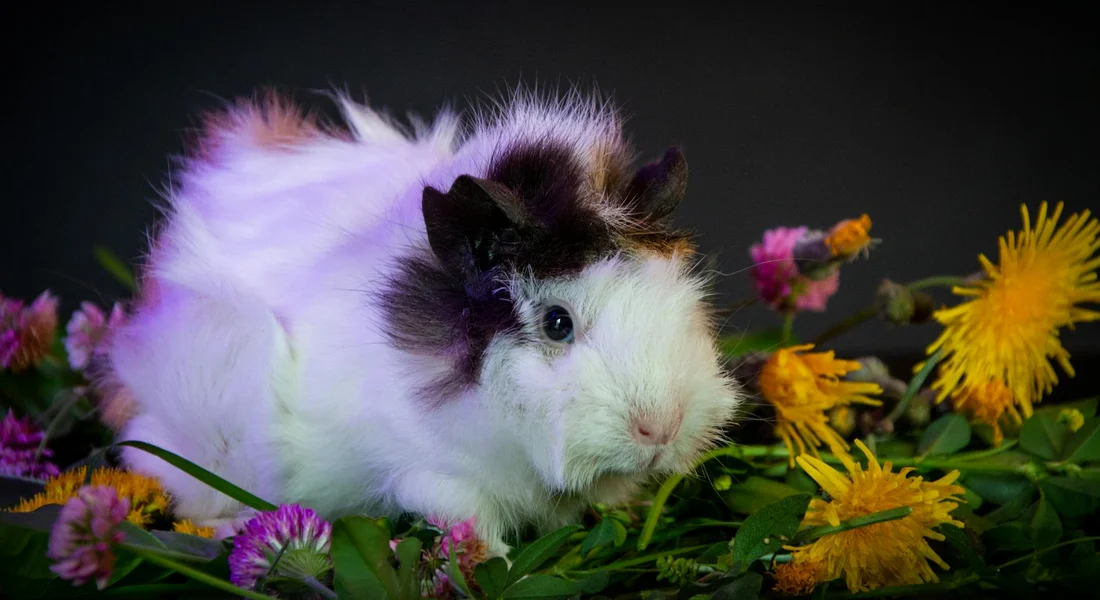
Your experience with these pets changes dramatically based on their internal clocks. Guinea pigs are diurnal, meaning they are most active during the day, which aligns perfectly with our own schedules. You get to enjoy their popcorn-like jumps and hear their happy wheeks while you’re awake. Hamsters, on the other hand, are strictly nocturnal. Their main activities-running on wheels, burrowing, and exploring-happen at night, which can be disruptive if their cage is in your bedroom.
Their social needs are a world apart. Guinea pigs are profoundly social herd animals and truly thrive when they have a companion of their own kind. My three girls, Pepper, Clover, and Biscuit, constantly communicate with soft chirps and purrs; a solo guinea pig can become lonely and depressed. Hamsters are almost always solitary. Housing them together, even as babies, usually leads to stressful and dangerous fights.
You’ll notice distinct behaviors that define their personalities. Guinea pigs are wonderfully vocal, using a complex language of wheeks, purrs, rumbles, and chirps to express everything from excitement to annoyance. Beyond vocal cues, you can read their mood from body language—posture, ear position, and whether they freeze or approach. These signals, together with their sounds, help you interpret common guinea pig behaviors. They rarely bite and prefer to run and hide when scared. Hamsters are quieter but masters of engineering, spending hours constructing elaborate burrow systems in their bedding. They are more likely to nip if startled from sleep.
Housing and Environmental Enrichment
The space each animal needs is one of the biggest differences in care. A single guinea pig requires an absolute minimum of 7.5 square feet of continuous floor space, but a pair is much happier in 10.5 square feet or more. I use a large C&C (Cubes & Coroplast) cage for my trio, which gives them ample room to run. Hamsters also need significant space, with many experts recommending at least 450 square inches of unbroken floor area for dwarf species and even more for Syrians. Interested in a complete guide on size cage do guinea pigs need? Our space requirements guide breaks down minimums and ideal setups to help you plan a proper habitat.
Choosing the right bedding is critical for health and comfort. I use a layer of absorbent paper-based bedding topped with soft hay for my guinea pigs, as they need constant access to hay for both eating and nesting. This approach aligns with the ultimate guide to safe bedding options for guinea pigs, outlining safe materials and proper layering. It helps owners make informed, confident decisions for a comfortable, healthy setup. For hamsters, a much deeper layer of paper or aspen bedding is ideal to satisfy their intense burrowing instinct-think 6 inches deep or more. Avoid cedar or pine shavings for both species, as the fumes can harm their sensitive respiratory systems.
Creating a stimulating environment involves species-specific enrichment. Here are the steps I follow for a great setup:
- Start with the largest appropriate enclosure you can manage.
- Provide multiple hiding spots. I use simple cardboard boxes for my piggies and small, enclosed huts for hamsters.
- Add enrichment. For guinea pigs, this means tunnels, piles of hay, and occasional veggie-filled puzzle toys. For hamsters, include a solid-surface exercise wheel, chew toys, and deep bedding for digging.
- Ensure all items are safe, with no small, loose parts or sharp edges.
A well-setup habitat prevents boredom and promotes natural behaviors. Watching my guinea pigs sprint laps during “popcorning” time or a hamster meticulously arrange its nest is a clear sign of a happy, healthy pet. Your effort in building their home pays off every day in their well-being.
Diet and Nutritional Needs
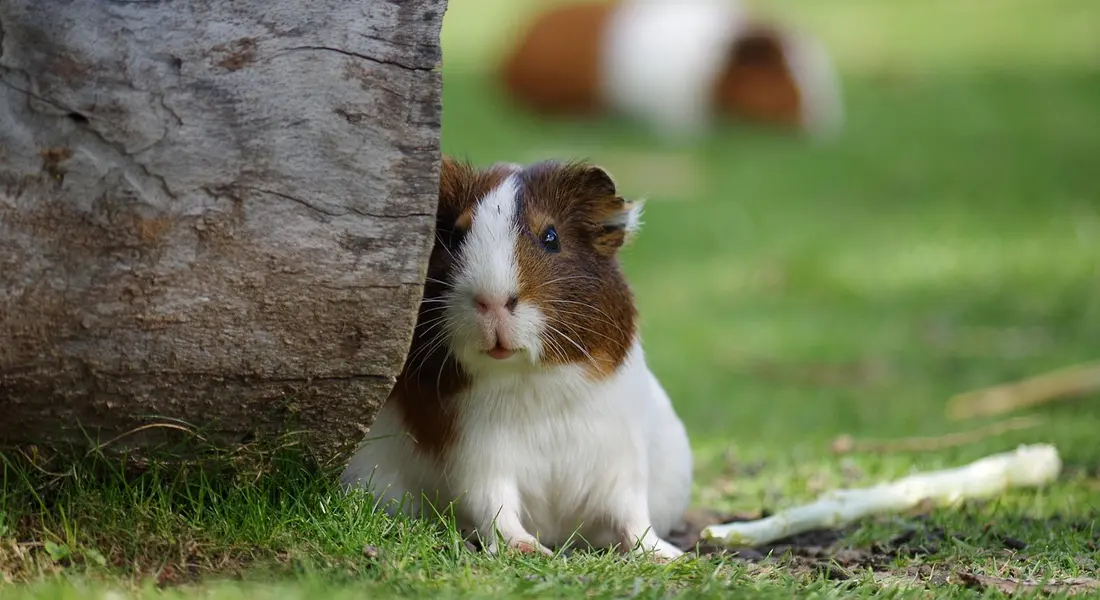
Feeding your small pet correctly is one of the most impactful things you can do for their health. The dietary needs of guinea pigs and hamsters are worlds apart, and getting it wrong can have serious consequences. I learned this the hard way when I first brought my guinea pig, Pepper, home and mistakenly thought a generic rodent mix would suffice.
Guinea Pig Daily Diet
A guinea pig’s digestive system is a non-stop processing plant that requires a constant flow of fiber.
- Unlimited Timothy Hay: This should make up about 80% of their diet. It keeps their digestive system moving and their constantly growing teeth worn down.
- High-Quality Pellets: Look for pellets fortified with Vitamin C, and offer about 1/8 cup per pig per day.
- Fresh Vegetables: A daily cup of fresh veggies is crucial. My trio loves bell peppers (a Vitamin C powerhouse), romaine lettuce, and cilantro.
Hamster Daily Diet
Hamsters are omnivores with a different metabolic approach, thriving on a more concentrated, varied diet.
- Commercial Seed & Grain Mix: A high-quality hamster mix provides a balanced foundation of seeds, grains, and pellets.
- Protein Sources: They need occasional protein boosts from a small piece of hard-boiled egg, mealworms, or plain cooked chicken.
- Fresh Treats: Tiny portions of vegetables like a broccoli floret or a slice of apple can be offered a few times a week.
Key Nutritional Differences
The most critical distinction is Vitamin C. Guinea pigs cannot produce their own Vitamin C, making them susceptible to scurvy without a daily dietary source. Hamsters synthesize their own, so it’s not a concern for them. This is why guinea pig-specific pellets and daily fresh veggies are non-negotiable.
Food & Feeding Schedule Comparison
- Hay: Constant supply for guinea pigs. Not a primary food for hamsters (used more for nesting).
- Pellets: Fortified with Vitamin C for guinea pigs. Standard rodent mix for hamsters.
- Fresh Foods: Daily for guinea pigs. A few times a week for hamsters.
- Feeding Time: Guinea pigs graze all day. Hamsters are often fed once daily in the evening.
Grooming and Daily Care Routines

The grooming needs of these pets vary dramatically based on their biology and coat types. While a hamster is largely self-sufficient, a guinea pig often requires a helping hand to stay clean and comfortable. My Abyssinian, Clover, with her wonderful rosettes, needs far more attention than my short-haired Pepper.
Guinea Pig Grooming
Guinea pigs need regular, hands-on grooming sessions to prevent mats and check for health issues.
- Brushing: Short-haired pigs like Pepper need a quick brush 2-3 times a week. Long-haired beauties like my Peruvian, Biscuit, require daily brushing to prevent painful tangles.
- Nail Trimming: This is a monthly must. Their nails grow continuously and can curl into their feet pads if ignored.
- Bathing: Rarely needed. Only bathe if they get into something particularly messy, using a small animal-safe shampoo.
Hamster Grooming
Hamsters are meticulous self-cleaners, and their grooming needs from you are minimal.
- Self-Cleaning: They spend a significant amount of time grooming themselves and rarely need a bath.
- Sand Baths: Providing a dish of chinchilla sand allows them to roll and clean their fur naturally, absorbing oils.
- Nail Trimming: Usually not required if they have plenty of rough surfaces and toys to climb on, which naturally files their nails.
Essential Daily Care Steps
Beyond grooming, daily maintenance keeps your pet’s environment healthy and safe.
- Spot Cleaning: Remove soiled bedding and uneaten fresh food from both cages daily.
- Health Checks: Spend a few minutes each day observing your pet. Look for bright eyes, a clean bottom, normal breathing, and active behavior.
- Full Cage Cleaning: A complete cage clean with fresh bedding is needed weekly for both, but guinea pig cages often require more frequent full changes due to higher waste output.
Comparing Time and Effort
Guinea pigs are undoubtedly the higher-maintenance pet when it comes to daily care. The combination of daily vegetable preparation, constant hay replenishment, and more frequent grooming adds up. My routine with my three pigs takes about 30-45 minutes of active care each day. Hamsters require less daily hands-on time, with most effort going into the weekly cage clean and evening feeding. For those wondering how to manage guinea pig care with a busy schedule, it’s all about planning and consistency.
Cost and Long-Term Commitment
Thinking about the financial side of pet ownership is smart and responsible. The initial setup is just the beginning; the real commitment comes from those recurring monthly costs that add up over your pet’s lifetime.
Breaking Down the Expenses
Let’s look at where your money goes, from the first day to the years that follow.
Initial Setup Costs
- Cage: A proper guinea pig cage is your biggest upfront investment. They need significantly more floor space than a hamster. I spent over $100 on a large C&C cage for my trio, Pepper, Clover, and Biscuit. A good hamster enclosure is often half that price.
- Hideouts & Accessories: Both need houses and toys, but guinea pigs appreciate larger, sturdier items. A simple hamster wheel won’t suffice for a guinea pig.
- Water Bottle & Food Dishes: These are similarly priced, but you’ll likely need a heavier, tip-proof ceramic bowl for a determined guinea pig.
Ongoing Monthly Expenses
- Food: Guinea pigs require a constant supply of fresh hay, which is a recurring cost. Their daily salad of fresh veggies also adds to your grocery bill. Hamsters primarily eat a seed mix, which is generally less expensive.
- Bedding: A larger cage means you’ll use more bedding. I go through a big bag of paper-based bedding for my guinea pigs every few weeks. A hamster’s smaller habitat is much more economical to maintain.
- Veterinary Care: Guinea pigs are prone to specific issues like scurvy (they cannot produce their own Vitamin C) and dental problems that require specialized vet care. Finding an exotic vet can be pricier than a standard small animal vet for a hamster.
The Lifespan Factor
The longevity of your pet directly shapes your long-term responsibility and budget. Guinea pigs typically live 5-8 years, while hamsters have a much shorter lifespan of 2-3 years. This isn’t just about years; it’s about the total cost of care. A guinea pig’s longer life means more food, more bedding, and more potential vet visits summed over a greater period. You are making a commitment that can span the length of a child’s elementary school years. On average, a guinea pig lives about five to seven years. That longevity highlights the long-term commitment and budgeting ahead for food, bedding, and vet care.
From my experience, saying goodbye to a pet is never easy. The shorter lifespan of a hamster means facing that heartbreak more frequently, which is a significant emotional cost to consider for your family.
Cost Comparison at a Glance
| Expense Category | Guinea Pig | Hamster |
|---|---|---|
| Initial Cage Setup | $$$ (Large space required) | $$ (Smaller space needed) |
| Monthly Food | $$ (Hay, pellets, fresh veggies) | $ (Seed mix, occasional treats) |
| Monthly Bedding | $$ (Larger volume) | $ (Smaller volume) |
| Average Lifespan | 5-8 years | 2-3 years |
| Vet Care Specialization | Often requires an exotic vet | Standard small animal vet usually sufficient |
FAQs
Can guinea pigs and hamsters breed to create a hybrid?
No, guinea pigs and hamsters cannot interbreed because they belong to different animal families. This makes hybridization impossible, so focus on caring for one species properly. When caring for guinea pigs, reproduction and nursing matter. Pregnant sows need extra nutrition and a calm nesting area for nursing.
Where can I find guinea pigs or hamsters for sale?
Guinea pigs and hamsters are often available at pet stores, reputable breeders, and animal rescue organizations. Always research the source to ensure your new pet is healthy and well-cared for. Before bringing a guinea pig home, consider whether you’re ready for a long-term commitment and daily care, including a suitable cage and routine vet visits. You can find more information on what to consider before bringing a guinea pig home. Also assess whether you can provide regular interaction, safe housing, and a companion for your pig, since guinea pigs are social animals.
Are guinea pigs and hamsters commonly available in New Jersey?
Yes, both pets can be found in New Jersey through local pet stores, breeders, and shelters like the New Jersey Guinea Pig Rescue. Check online resources or visit in person to find a suitable companion.
Your Perfect Pet Choice Awaits
Guinea pigs, such as my gentle Pepper and graceful Clover, thrive with daily social interaction and spacious habitats, making them ideal for families seeking a responsive companion. Hamsters often prefer solitude and simpler setups, but they might not provide the same level of engaging bond that guinea pigs do.
Always prioritize your pet’s well-being by committing to lifelong care and staying curious about eco-friendly options, like using biodegradable bedding to reduce waste. From my time with Biscuit, I’ve seen how small, sustainable choices in their environment can enhance their health and happiness for years to come.
Further Reading & Sources
- Hamsters vs Guinea Pigs: Which One Is Best for You?
- Hamster or Guinea pig? : r/petsmart
- So Just What Is The Difference Between A Guinea Pig Vs Hamster
- Difference Between Guinea Pigs and Hamsters | Kaytee
Kate is a passionate guinea pig owner and advocate for small pet welfare. With over a decade of experience caring for guinea pigs, she has become a trusted voice in the small pet community.
Uncategorized