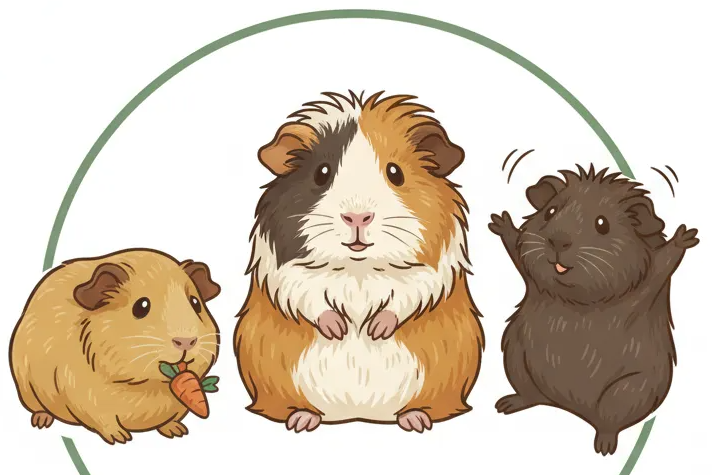
How to Know if Your Guinea Pigs Are Happy
Published on: January 17, 2026 | Last Updated: January 17, 2026
Written By: Kate M. Callahan
Hello CavyFam! Do you ever watch your guinea pigs and wonder if they’re truly content in their home? It’s a common worry for pet owners, but learning to read their unique signals can bring you peace of mind.
In this article, I’ll share the telltale signs of a happy guinea pig, covering:
- Recognizing cheerful vocalizations and what they mean
- Spotting playful behaviors like popcorning and zoomies
- Monitoring healthy eating and drinking habits
- Understanding social interactions with you and other pigs
Having cared for my own guinea pigs-Pepper, Clover, and Biscuit-for years, I’ve gathered firsthand insights to guide you.
Understanding Guinea Pig Happiness Foundations
Guinea pig happiness is built on a simple, sturdy tripod of needs: diet, friendship, and safety. When these three pillars are solid, you create an environment where joy can naturally flourish. Where the cage sits matters, and placement mistakes can undermine safety and comfort. Learn about 8 cage placement mistakes that affect guinea pig health and happiness.
- Unlimited Fresh Hay: Timothy hay is the absolute cornerstone of their diet and mental well-being. My Pepper would spend hours contentedly munching, a picture of pure satisfaction.
- An Impeccably Clean Cage: A dirty habitat causes stress. A clean one, with fresh bedding, is a safe haven where they feel secure enough to relax and play.
- Constant Social Interaction: Guinea pigs are herd animals. My trio-Pepper, Clover, and Biscuit-thrive on their daily chatter and companionship, which is as vital as food and water.
I’ve learned that neglecting any one of these areas instantly dims their vibrant personalities, making the others less effective. Biscuit, my more reserved Peruvian, only started showing his intelligent, curious side once his environment was consistently peaceful and predictable.
Spotting Clear Signs of a Happy Guinea Pig
Joyful Body Language and Posture
A content guinea pig carries itself with a visible ease that is unmistakable once you know what to look for.
- Relaxed Posture and Smooth Fur: They will lounge stretched out or sit with their legs tucked neatly underneath, not hunched. Their fur lies flat and clean, not puffed up.
- Bright Eyes and Calm Breathing: Their eyes are clear, alert, and free of discharge. You’ll notice slow, even breathing-no signs of frantic panting or tension.
- Confident, Unhurried Movement: They move around their space with purpose, not skittishness. Clover, my graceful Abyssinian, moves with a thoughtful calm when she feels completely safe.
Observing their body language daily is the quickest way to gauge their emotional temperature.
Happy Vocalizations and Sounds
Your guinea pigs are talking to you all the time. Their sounds are a direct window into their feelings.
- Contented Squeaks and Wheeks: A series of short, high-pitched squeaks, especially when they hear the fridge or veggie bag, signal excitement and anticipation.
- Soft Purring and Bubbling: A deep, rumbling purr when you gently pet them indicates pure bliss and comfort. This is different from a higher-pitched, agitated purr.
- Playful Chirps and Chutters: These are the sounds of curiosity and casual communication between cage mates as they explore and interact.
Learning to distinguish these sounds helps you respond to their needs and strengthens your bond. I can tell when Pepper is just “chatting” versus when he’s demanding his afternoon lettuce!
Energetic and Playful Behaviors
This is where their happiness becomes a spectacular, energetic display. It’s impossible to miss.
- Popcorning and Binkying: This is the ultimate sign of joy-sudden, joyful leaps straight up in the air, often with a mid-air twist. It looks just like popcorn popping!
- Curious Exploring: A happy guinea pig is an inquisitive one. They will sniff new toys, navigate tunnels, and investigate every corner of their play area.
- Steady Energy and Responsiveness: They maintain a good energy level throughout their active periods (dawn and dusk) and react with interest to your presence and voice.
To observe this, set aside 15 minutes during their active hours for supervised floor time in a secure space. Watch for those spontaneous bursts of energy. Even my thoughtful Biscuit will sometimes surprise me with a sudden, joyful popcorning fit when he’s really feeling good.
Creating a Happy Home Environment
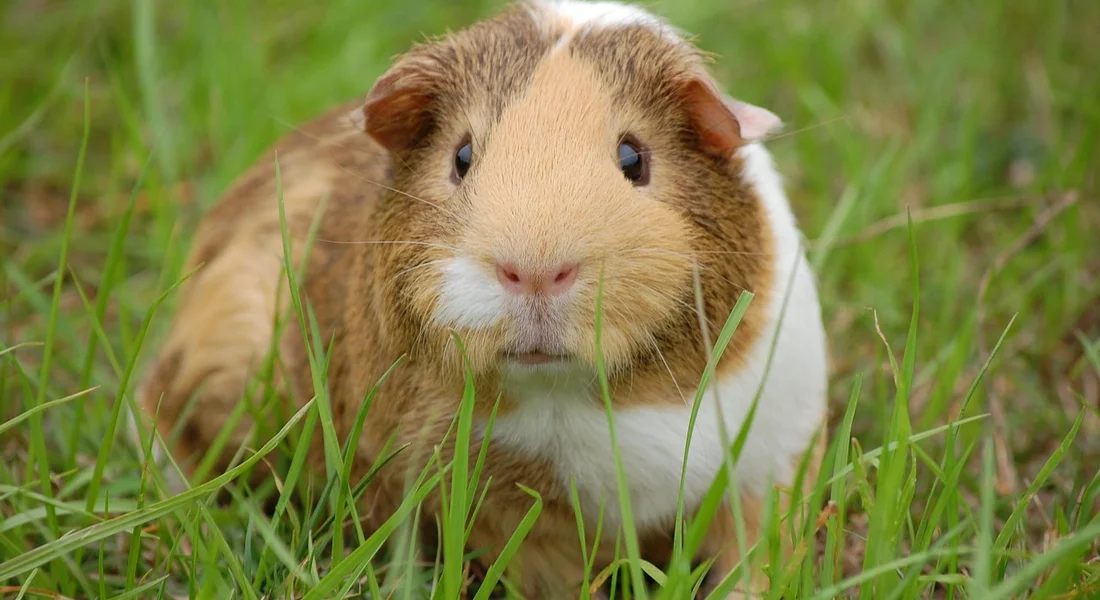
Your guinea pig’s home is their castle, and getting it right makes all the difference for their mood. I’ve found that a spacious cage is the single most important factor for preventing boredom and stress. Aim for at least 7.5 square feet for one pig, but 10.5 square feet or more for a pair is even better for their happiness. For a complete space requirements guide, we’ll show you how these numbers translate into a practical cage setup, and cover single-pig vs. multi-pig needs. Keep reading for practical sizing steps and layout ideas.
Lighting and temperature are often overlooked but critically important. Guinea pigs thrive in indirect, natural daylight and a consistent room temperature between 65°F and 75°F. In cooler weather, keeping the room within this range is essential for their heating needs. If your space tends to be chilly, provide safe, indirect warmth to help maintain a comfortable microclimate. Avoid placing their cage in direct sunlight or drafty areas near doors and windows, as they are very sensitive to temperature extremes.
Essential Elements for Daily Comfort
- A meticulously clean cage, with spot-cleaning done daily and a full bedding change weekly.
- Unlimited access to fresh, grassy hay, which is vital for both digestion and mental stimulation.
- A constant supply of clean, fresh water, checked and refilled at least once a day.
- A steady daily rotation of fresh vegetables like bell peppers and romaine lettuce.
- Multiple hiding spots, like small cardboard boxes or commercial hideys, where they can feel completely secure.
From my own experience with Pepper, Clover, and Biscuit, creating little zones within the cage reduces squabbles. I set up separate hay racks, food bowls, and hideys at opposite ends of the enclosure to give each pig their own “territory” and minimize competition. This small adjustment made my trio much more relaxed and content with each other.
Social Needs for Guinea Pig Happiness
- Guinea pigs are profoundly social creatures who find immense comfort in companionship. In the wild, they live in large herds, and that instinct for togetherness is strong. You’ll often see bonded pairs or groups snuggling together and engaging in mutual grooming, which is a clear sign of trust and affection. My Abyssinian, Clover, always gently grooms Pepper’s ears, and it’s the sweetest display of their bond.
- They need a significant amount of positive interaction every single day to feel secure and happy. This doesn’t mean you need to hold them for hours on end. A good routine includes at least an hour of supervised floor time in a safe, enclosed space outside their cage. During this time, sit with them, talk to them softly, and offer them tasty treats by hand. This daily ritual builds trust and provides the mental stimulation they crave.
- Introducing a new cage mate requires patience and a careful, step-by-step process.
- Start by housing the new guinea pig in a separate but adjacent cage for at least a week so they can get used to each other’s sounds and smells.
- For the first introduction, choose a large, neutral space that neither pig considers their territory. Scatter plenty of hay and veggies to distract them.
- Supervise the entire session closely. Expect some normal dominance behaviors like rumble strutting and nose-offs, but be ready to separate them if real fighting occurs.
- Be patient. It can take days or even weeks for them to fully accept each other. Never just throw a new pig into an established pig’s cage.
When handling your pigs, always move slowly and support their entire body. Let them come to you rather than chasing them around the cage, as this builds a relationship based on trust instead of fear. My Peruvian, Biscuit, was very reserved at first, but by letting her set the pace, she now willingly climbs into my lap for cilantro. Pay attention to how they negotiate space and leadership. This reveals their dominance hierarchy and helps you handle them calmly.
Daily Care and Enrichment for Joy
Nutrition and Appetite
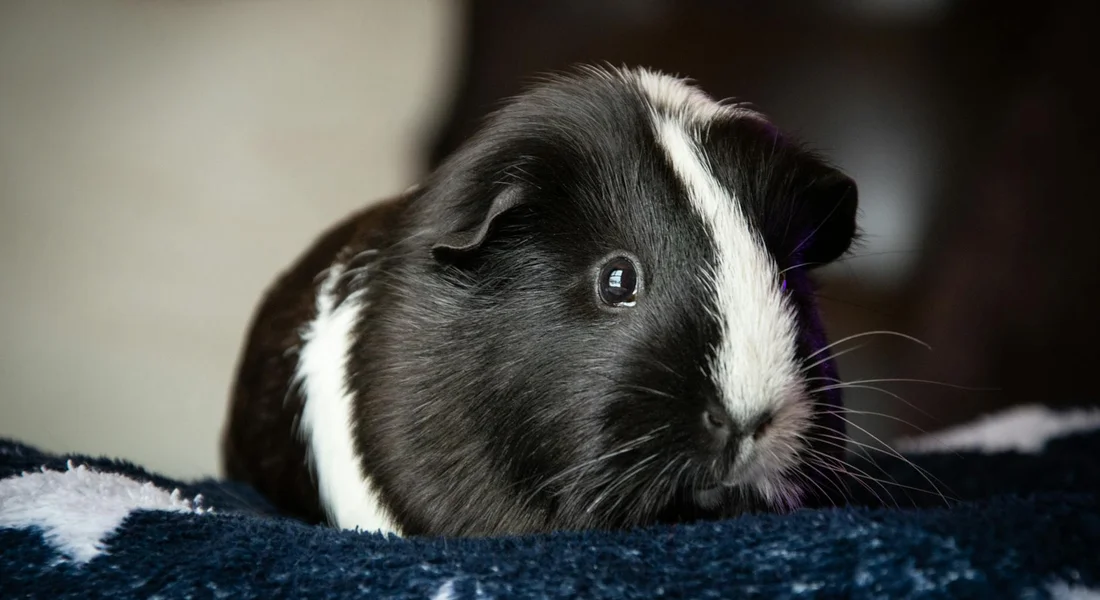
A happy guinea pig is almost always a hungry guinea pig. Their enthusiasm for food is one of the clearest windows into their emotional state. I love watching my trio, Pepper, Clover, and Biscuit, popcorn with excitement when they hear the rustle of the veggie bag, which is especially comforting when they’re showing signs of stress or anxiety.
- Unlimited, fresh Timothy hay should form the bedrock of their diet, keeping their digestive systems moving and their teeth filed down.
- Offer a daily cup of fresh vegetables per pig; our favorites include vitamin C-rich bell peppers, crisp romaine lettuce, and the occasional carrot slice as a special treat.
You will know your guinea pigs are content when they maintain a good, rounded body shape and come running for every meal. A steady appetite and consistent weight are powerful indicators of a piggy at peace. To keep this in check, refer to a guinea pig weight guide and monitor their weight over time. Regular weigh-ins help you spot changes early and keep them within healthy ranges.
Grooming and Health
- Self-grooming is a natural, soothing behavior. When you see your guinea pig meticulously cleaning its face and smoothing its fur, it signifies a calm and secure animal. My Abyssinian, Clover, spends ages arranging her rosettes when she’s feeling particularly pleased with herself.
- Establishing a gentle grooming routine builds trust and directly impacts their mood. I set aside time each week for a quick health check and brush. Regular, positive handling transforms grooming from a chore into a bonding session. Start by calmly petting your pig, then gently run your hands over their body to feel for any lumps or sore spots. Use a soft brush suitable for their coat type-Biscuit, my Peruvian, needs more frequent brushing than the others. Trim their nails every few weeks to prevent painful overgrowth. Finally, you can use a damp cloth to gently wipe their grease gland, located just above their tail.
Toys and Activities
Guinea pigs possess a wonderful curiosity that needs to be nurtured. Providing a dynamic environment prevents boredom and stimulates their intelligent minds. I’ve found that the best toys are often simple and safe. For ongoing fun, explore boredom busters—20 safe, engaging enrichment ideas for guinea pigs. They’re easy to implement and help keep your pig mentally and physically active.
- Paper bags stuffed with hay, cardboard tubes, and wooden chew blocks encourage natural foraging and gnawing behaviors.
- From my own experience, creating a “playground” once a week works wonders. I’ll drape a fleece forest over one corner, build a maze out of cardboard boxes, and hide pieces of cilantro throughout their enclosure. Watching them explore and “wheek” with discovery is a sure sign they are thriving.
Recognizing Unhappiness and Taking Action
It is just as vital to recognize when your guinea pigs are not themselves. Sudden changes in behavior are your first and most important clue that something is wrong. Trust your instincts—you know your pets best. Understanding their personalities can help you decide if guinea pigs are good pets for your home. Paying attention to how each pig expresses needs and preferences makes pet ownership more rewarding.
- Be alert for signs like persistent hiding (more than usual), unusual lethargy where they sit hunched in a corner, or a sudden loss of appetite. A content guinea pig like Pepper might be steady, but a hunched and silent Pepper is a cause for concern.
- If you notice any distress behaviors, your first step should always be a call or visit to an exotic veterinarian to rule out illness. Pain is a common cause of behavioral change.
- Simultaneously, take quick steps to improve their immediate environment. Ensure they have multiple, secure hideouts, double-check that their cage mate isn’t bullying them, and offer a favorite high-value food like a slice of sweet bell pepper to gauge their interest. Creating a safe, quiet, and predictable space is the fastest way to help a stressed guinea pig feel secure again.
FAQs
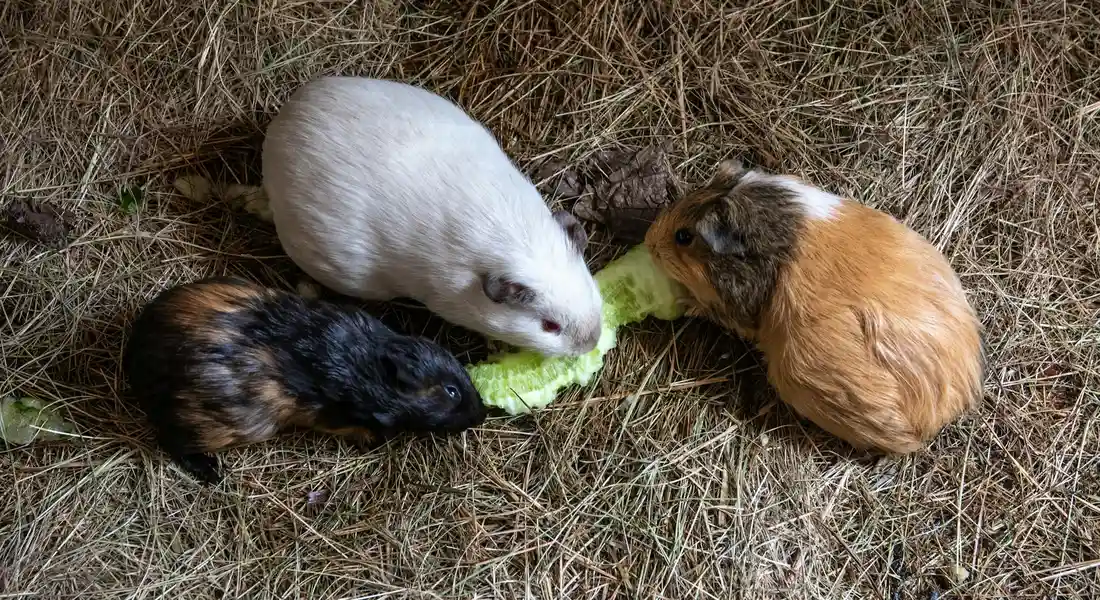
How much social interaction do guinea pigs need for happiness?
Guinea pigs require daily positive interaction, such as supervised floor time and gentle handling, to feel secure and content. Consistent social engagement helps prevent stress and strengthens their bond with you and other pigs. Learning to recognise common guinea pig bonding behaviors can further enhance your connection.
What toys or activities increase guinea pig happiness?
Simple, safe toys like paper bags stuffed with hay or cardboard tubes encourage natural foraging and play behaviors. Regular enrichment activities, such as hiding treats in tunnels, stimulate their curiosity and keep them mentally engaged.
How does regular grooming influence guinea pig happiness?
Gentle grooming routines build trust and provide a calming, bonding experience that reduces anxiety. It also promotes physical comfort by preventing issues like matted fur or overgrown nails, which can lead to unhappiness.
Your Path to a Contented Guinea Pig Life
Focus on their vocal cues and active behaviors, like steady purring or energetic popcorning, to gauge true happiness. When you’re petting, watch for signs they actually enjoy it—like leaning into your hand or soft vocalizations. If they back away, stiffen, or close their eyes, respect their boundaries. From my time with Pepper, Clover, and Biscuit, I’ve seen that a balanced diet, clean living space, and guinea pig companionship build a foundation for their joy.
I encourage you to keep learning and adapting your care routines, perhaps by choosing biodegradable bedding or homemade toys. Responsible ownership means always putting their welfare first while gently reducing your environmental impact for a healthier world.
Further Reading & Sources
- 4 Signs Your Guinea Pig is Happy (2023 Update!) – GuineaDad
- Signs of a Happy & Healthy Guinea Pig | Petco
- Signs Of Happiness? | The Guinea Pig Forum
- Blog: 5 Telltale Signs Your Guinea Pig is Happy
Kate is a passionate guinea pig owner and advocate for small pet welfare. With over a decade of experience caring for guinea pigs, she has become a trusted voice in the small pet community.
Uncategorized