Guinea Pig Personality and Temperament: Your Guide to Their Unique Characters
Published on: January 16, 2026 | Last Updated: January 16, 2026
Written By: Kate M. Callahan
Hello CavyFam! Ever wonder why your guinea pig acts the way they do? You might worry if their shyness or quirky habits are normal.
In this article, I’ll cover distinct personality types, tips for bonding, and how to understand their unique quirks. Having lived with my own herd for years, I’ve learned to appreciate the beautiful complexity in every little wheek and popcorning jump.
The Wonderful World of Guinea Pig Personalities
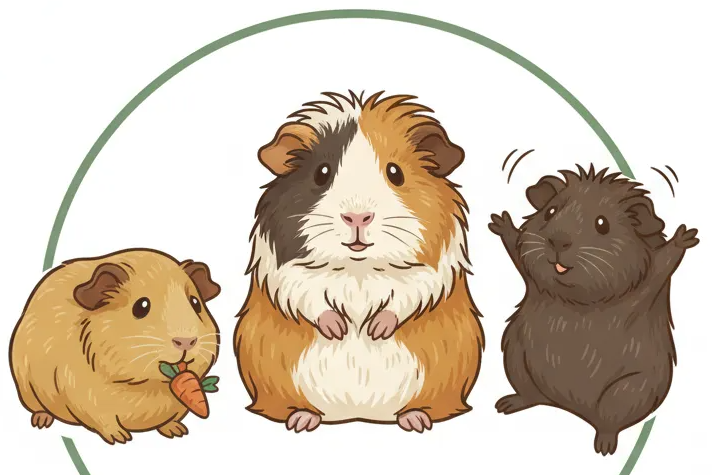
I’ve spent years sharing my home with guinea pigs, and I’m still amazed by how distinct each one is. You quickly learn that a guinea pig’s personality isn’t just a minor trait; it’s the very core of their being. My own trio is a perfect example of this beautiful diversity.
Let me introduce you to my little herd:
- Pepper: This American guinea pig is my gentle anchor. At two years old, his golden-brown fur seems to match his steady, calm nature. He’s the first to wheek for breakfast and the last to startle at a sudden noise.
- Clover: My graceful Abyssinian is a thoughtful three-year-old. She observes everything with her intelligent eyes, often pausing mid-munch to process a new sound. Her light brown coat with dark spots is as elegant as her movements.
- Biscuit: Our one-year-old Peruvian is the reserved intellectual. His long, dark brown and cream hair requires careful grooming, a task he endures with quiet patience. He might not be the most outgoing, but he shows his affection in subtle, intelligent ways.
Getting to know their individual quirks is one of the greatest joys of being a pet owner. Spending quiet time with them each day, just talking and offering treats, is the best way to build a bond of trust. You’ll be rewarded with a unique friendship you can’t get with any other pet.
Male vs. Female Guinea Pig Temperament
Many new owners ask me if they should get a male (boar) or a female (sow). While individual personality always comes first, I have noticed some general patterns over the years.
Here’s a quick look at common traits:
| Male Guinea Pigs (Boars) | Female Guinea Pigs (Sows) | |
|---|---|---|
| General Demeanor | Often more laid-back and mellow once settled. | Tend to be consistently active and inquisitive. |
| Social Dynamics | Can be more territorial; bonding two males requires a careful, slow introduction. | Generally form social groups more easily and with less conflict. |
| Grooming Needs | May require more frequent cleaning around their grease gland. | Typically have simpler grooming routines. |
From my experience, my male guinea pig, Pepper, is definitely the more relaxed one of the bunch. His idea of a perfect day is napping in a cozy hidey and waiting for veggies to appear. My females, Clover and Biscuit, are far more curious and are always rearranging their bedding and exploring new toys.
It’s crucial to remember these are just tendencies, not rules. The most important factor for a happy guinea pig is companionship, regardless of gender. A neutered male with one or more females often creates a wonderfully balanced group, or a same-sex pair from a young age can become lifelong friends. When introducing a male and female, ensure both are healthy and consider neutering to avoid unexpected litters. With careful introductions and ongoing supervision, they can live together safely.
Building a Bond with Your Guinea Pig

Bonding with your guinea pig takes time and patience, but it’s incredibly rewarding. I’ve found that gentle, consistent interactions build trust faster than anything else. Start by sitting near their cage and talking softly to them daily, so they get used to your voice and presence. Grooming is a key part of their social bonding. Paying attention to grooming cues helps you read when your guinea pig feels safe with you.
Hand-feeding treats is a powerful way to connect. Offer small pieces of veggies like bell peppers or cilantro from your hand to encourage them to approach you. With Biscuit, my reserved Peruvian, this method helped her become more curious and less shy over weeks.
- Spend at least 10-15 minutes daily in quiet, calm handling sessions.
- Use a soft towel to pick them up to avoid startling them.
- Speak in a low, reassuring tone to reduce their anxiety.
Watch for their body language-if they purr or nuzzle, they’re comfortable. Respecting their signals prevents stress and deepens your relationship. I always advocate for animal welfare by ensuring handling is never forced, which keeps them happy and healthy.
Understanding Guinea Pig Playfulness and Social Needs
Guinea pigs are naturally social and playful, thriving on interaction with you and other pigs. Providing a stimulating environment prevents boredom and promotes their well-being. Wondering what guinea pigs like or dislike? This complete guide helps you read their signals and tailor enrichment. My trio—Pepper, Clover, and Biscuit—love exploring new tunnels and hideouts together.
Playfulness varies by personality, but all benefit from daily enrichment. Clover, my graceful Abyssinian, enjoys gentle chase games with her cage mates, while Pepper prefers steady nibbling on safe wood chews. Rotate toys weekly to keep things fresh and engaging.
- Set up a playpen with obstacles and tunnels for supervised out-of-cage time.
- Introduce eco-friendly toys, like cardboard tubes or untreated willow balls.
- Schedule social time; guinea pigs are herd animals and do best in pairs or groups.
Their playful chirps and popcorning jumps are signs of joy. Regular play reduces stress and strengthens their social bonds, which I’ve seen firsthand with my own pigs. Always prioritize safety by checking toys for sharp edges and avoiding small parts they could swallow.
Are Guinea Pigs Hypoallergenic?
No, guinea pigs are not hypoallergenic, as they produce dander and proteins in their saliva and urine that can trigger allergies. If you or family members have sensitivities, it’s wise to spend time with guinea pigs before bringing one home. I manage mild allergies by washing hands after handling and keeping their living area clean. To support an allergy-friendly space, designate a well-ventilated area for the guinea pigs and clean it regularly. A HEPA purifier can help reduce airborne dander in shared rooms.
Regular cage cleaning with eco-friendly, unscented products helps minimize allergens. Using a HEPA air purifier near their space has made a big difference in reducing airborne irritants for me. A complete guinea pig hygiene cleaning routine includes cage sanitation, grooming, and fresh bedding changes. Regular, consistent care helps keep them healthy and comfortable. Brush your guinea pigs gently outdoors to contain loose fur and dander.
- Vacuum frequently around their cage to remove accumulated dander.
- Wear a mask during deep cleaning if allergies are severe.
- Consult a vet for advice on allergy-friendly bedding options.
Advocating for animal welfare means being honest about potential challenges. Proper care and preparation ensure both you and your guinea pigs stay comfortable and healthy together. Good grooming, timely veterinary care, and a balanced diet are all part of properly caring for guinea pigs. With proper care, they thrive in a safe home. From my experience, the joy they bring outweighs the extra steps needed for allergy management.
How Guinea Pigs Positively Impact Your Mental Health
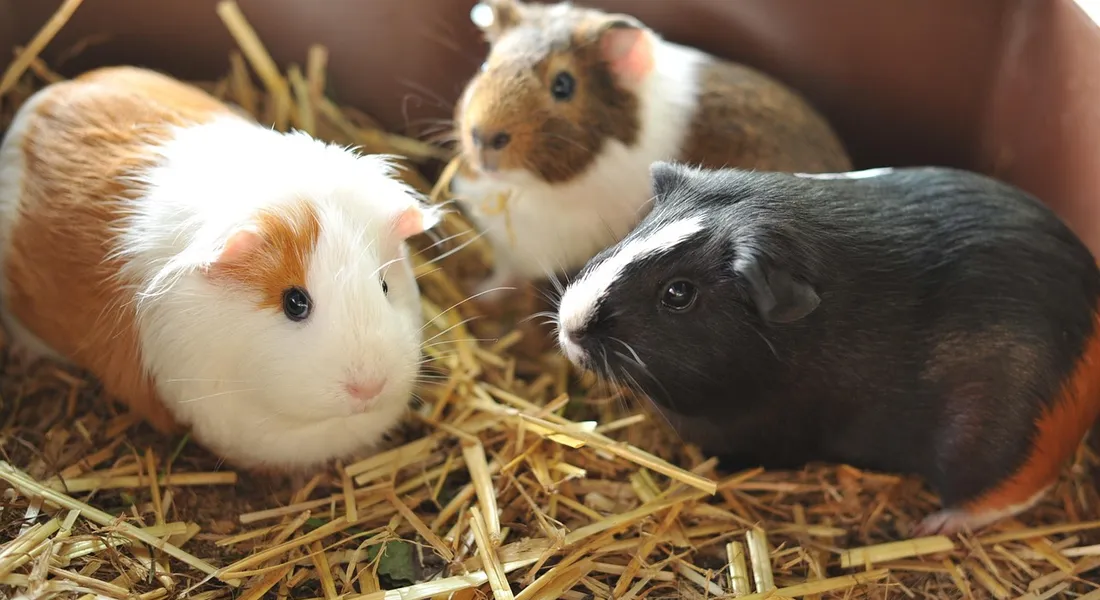
Living with my three guinea pigs, I’ve felt a genuine shift in my daily mood and stress levels. Their consistent, gentle presence provides a powerful anchor during chaotic days. The simple act of watching Pepper methodically munch on hay can lower my heart rate faster than any meditation app.
Guinea pigs are masters of mindfulness, living entirely in the present moment. When you sit with them, their calm energy is contagious, pulling you away from anxious thoughts about the past or future. If you want to know if your guinea pigs are happy, watch for relaxed bodies and curious, playful exploration. A steady appetite and calm breathing are also good signs. I find my breathing naturally syncs with their quiet, rhythmic chewing, creating a pocket of pure peace.
A Built-In Routine of Care
Caring for them establishes a comforting, predictable routine. Their morning “wheek” for breakfast gives my day a positive and purposeful start. This responsibility for another life adds structure, which is incredibly stabilizing for mental well-being.
The Power of Unconditional Interaction
They don’t judge your bad days. My guinea pig, Biscuit, will quietly sit in my lap even when I’m feeling low, offering silent, furry support. Are these guinea pig bonding behaviors common, and what do they mean? In guinea pigs, actions like following you around, nuzzling, or grooming are ways they show trust and attachment. The physical act of stroking their soft fur releases oxytocin, the “bonding hormone,” in both you and your pet, naturally reducing feelings of stress and loneliness.
- Stress Reduction: The sound of their contented purring is a natural antidote to tension.
- Combating Loneliness: They are social companions who are always “home,” ready for interaction.
- Encouraging Mindfulness: Their focus on simple pleasures-food, comfort, safety-reminds you to appreciate the present.
Reading Your Guinea Pig’s Unique Language
Understanding guinea pig communication deepens your bond immensely. Learning their language is like unlocking a secret code to their emotions and needs. Each of my pigs has a slightly different way of expressing themselves, and paying attention is key. By learning to interpret common guinea pig behaviors and body language, you’ll understand what they’re telling you and respond appropriately. This daily practice strengthens trust and reduces stress for everyone.
Vocalizations and What They Mean
Their sounds are a direct line to their feelings. A high-pitched, persistent “wheek” is the universal sound of dinnertime excitement and anticipation. A low, relaxed “purr” while being petted means they are content and feel safe with you.
- Rumbling: A deep, vibrating sound often indicates a guinea pig is annoyed, asserting dominance, or a male is courting.
- Chutting: Short, staccato sounds mean your pig is exploring happily and feels curious about its surroundings.
- Teeth Chattering: A clear warning sign! This means back off, as they are feeling threatened or angry.
Body Language Tells the Whole Story
Their posture and movements are just as important as their voices. When Clover stretches out comfortably with her legs splayed, I know she feels completely secure and relaxed.
- The “Popcorn”: A joyful, spontaneous leap into the air. This is the ultimate sign of a happy, excited guinea pig.
- Freezing in Place: They’ve seen or heard something unfamiliar and are assessing if it’s a threat.
- Nose Touching: A friendly guinea pig “hello” when they meet you or another pig.
- Strutting and Rumbling: A side-to-side walk with a rumbling sound is a dominance display, common when establishing hierarchy.
Spending quiet time observing your pets is the best way to learn. You’ll start to notice the subtle difference between Biscuit’s “I’m curious” chutter and Pepper’s “I’m annoyed” rumble. This understanding allows you to respond to their needs better, creating a home where they feel truly heard and understood.
FAQs
What factors influence a guinea pig’s personality?
Genetics and early life experiences play a significant role in shaping their temperament. Consistent, gentle handling and a stimulating environment can also encourage positive traits over time.
Do female guinea pigs tend to be more active than males?
Females often display higher energy levels and curiosity in their daily activities. However, individual personality always outweighs general gender tendencies in determining behavior.
Can male and female guinea pigs live together harmoniously?
Yes, with proper neutering and gradual introductions, mixed-gender pairs often thrive. It’s essential to provide ample space and monitor interactions to ensure a peaceful dynamic.
How do guinea pigs show affection to their owners?
They may express fondness through gentle nuzzling, soft purring, or willingly approaching your hand. Offering quiet lap time and accepting treats are common signs of a trusting bond.
What do Reddit discussions commonly say about gender and guinea pig temperament?
Many users note that while gender can influence traits like activity or territoriality, individual personality is the key factor. Community advice often stresses focusing on each pig’s unique needs over stereotypes.
Embrace Your Guinea Pig’s Unique Spirit
Observing and adapting to your guinea pig’s personality, like Pepper’s steady nature or Biscuit’s intelligent reserve, deepens your bond and guides their daily care. Understanding their personality is what makes guinea pigs good pets, since it helps you tailor care to fit their needs. Match their environment and interactions to what makes them feel secure and joyful.
Responsible ownership means continually educating yourself on eco-friendly options, such as biodegradable bedding, to support both your pet’s health and the planet. From my time with Clover’s thoughtful grace, I’ve learned that small, sustainable changes make a big difference in their well-being.
Further Reading & Sources
- r/guineapigs on Reddit: What’s something about owning guinea pigs that surprised you?
- The personality of guinea pigs – Cunipic
- A Quick Guide to Guinea Pig Personalities and Behaviors – Small Pet Parade
- Know Your Guinea Pig Is Happy | RSPCA – RSPCA – rspca.org.uk
Kate is a passionate guinea pig owner and advocate for small pet welfare. With over a decade of experience caring for guinea pigs, she has become a trusted voice in the small pet community.
Uncategorized