Can Guinea Pigs Handle Heat? Overheating Risks Explained
Published on: January 22, 2026 | Last Updated: January 22, 2026
Written By: Kate M. Callahan
Hello CavyFam! Are you worried about your guinea pig as temperatures rise? These adorable pets are surprisingly sensitive to heat, and understanding their limits is key to keeping them safe.
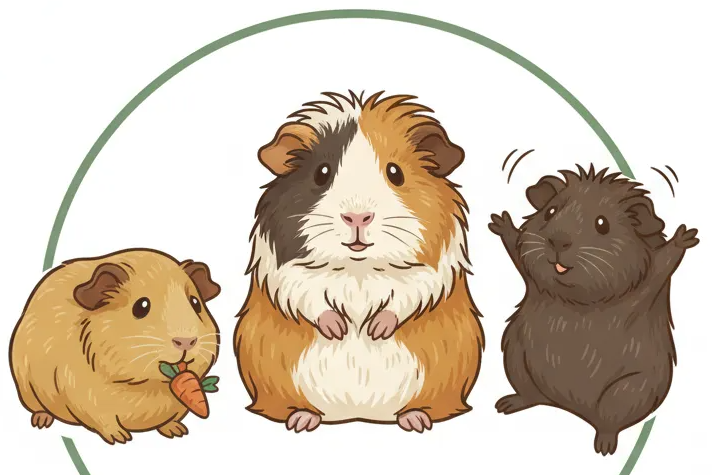
In this guide, we’ll cover how guinea pigs regulate body temperature, signs of overheating, immediate cooling steps, and long-term prevention tips. I’ve learned this firsthand while caring for my own guinea pigs-Pepper, Clover, and Biscuit-through hot summers.
Understanding Guinea Pig Heat Sensitivity
Guinea pigs are surprisingly fragile when it comes to temperature. Their bodies are simply not built to cool themselves efficiently, making them highly susceptible to heatstroke. Unlike us, they can’t sweat, and their thick fur coat acts like a permanent winter jacket. I learned this the hard way one summer afternoon when my Abyssinian, Clover, became unusually still and started breathing heavily in a room I thought was just “warm.”
Their high-strung metabolism works like a tiny, constantly running furnace. This internal engine generates a lot of heat, which gets trapped easily by their dense fur. Combine that with their small size, and you have an animal that can overheat in what feels like a pleasantly mild day to us.
Why Their Bodies Struggle
- No Sweat Glands: They lack the primary cooling mechanism humans rely on.
- Thick Fur Insulation: Their coat is designed for warmth, making it difficult to release body heat.
- Limited Panting: While they may pant slightly, it’s a very inefficient way for them to cool down.
- Compact Body Size: A small body mass heats up much faster than a larger one.
What Is a Safe Temperature Range for Guinea Pigs?
The absolute safest environment for your guinea pig is between 65°F and 75°F (18°C – 24°C). This range is their comfort zone, where their bodies don’t have to work overtime to regulate temperature. My three pigs—Pepper, Clover, and Biscuit—are all most active, vocal, and playful when the thermostat is set squarely in this golden range. In winter, keep their enclosure warm and draft-free to stay within this comfort zone. A little extra bedding and insulation go a long way.
Once the mercury climbs above 80°F (27°C), you are entering the danger zone. At 85°F (29°C) and higher, the risk of life-threatening heatstroke increases dramatically. I never let my guinea pig room get this warm, not even for an hour. Their well-being is worth the extra effort to keep the air conditioning on or a fan circulating cool air.
Temperature Guide at a Glance
- Ideal & Safe: 65°F – 75°F (18°C – 24°C)
- Caution & Monitor: 75°F – 80°F (24°C – 27°C)
- Danger Zone: 80°F+ (27°C+) – Immediate cooling action required
Always trust a reliable thermometer placed near their habitat, not just the reading from your home’s thermostat in another room. Microclimates in your house can create pockets of heat that you might not feel but your guinea pig certainly will. That’s part of properly caring for guinea pigs. Regular checks of their living space help prevent heat stress and ensure they stay happy and healthy. A simple digital thermometer has become one of my most essential pieces of pet care equipment.
How to Recognize Overheating in Guinea Pigs
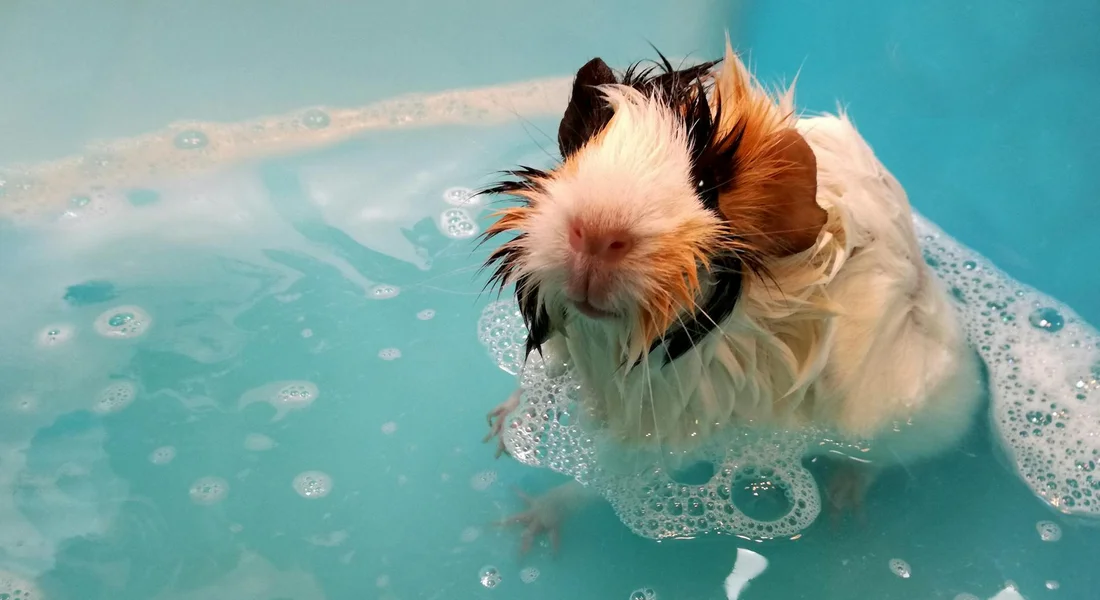
Symptoms of Overheating
When your guinea pig gets too hot, their body sends clear signals that need your attention. Recognizing these signs early can save your pet from serious harm and discomfort.
Look for changes in behavior like heavy panting or rapid breathing. Guinea pigs rarely pant, so this is a major red flag that they are struggling to cool down. If these signs appear with extreme lethargy or not eating, they could indicate a dying or critically ill guinea pig. Seek urgent veterinary care immediately.
- Lethargy: They may lie still for long periods and show little interest in moving or playing.
- Drooling: Excess saliva around the mouth indicates heat stress and potential dehydration.
- Red or warm ears: Gently touch their ears; if they feel hotter than usual or look flushed, it is a warning sign.
- Loss of appetite: A hot guinea pig often refuses food and water, which speeds up dehydration.
- Weakness or stumbling: They might have trouble walking or seem unsteady on their feet.
I remember one hot afternoon when my guinea pig Biscuit, usually reserved but intelligent, started panting heavily. His quick recovery taught me to always watch for these symptoms during warm weather.
Dangerous Temperature Levels
Guinea pigs are highly sensitive to heat, and even mild warmth can become dangerous. Keeping their living area consistently cool is key to preventing overheating emergencies. When temperatures drop, they also need a warm, draft-free spot to retreat to. Understanding their temperature heating needs helps keep them comfortable year-round.
Temperatures above 75°F (24°C) start to pose risks, especially if humidity is high. At 80°F (27°C) or more, your guinea pig’s health is in immediate danger and requires quick action. If your guinea pig gets wet, drying promptly and avoiding drafts is essential. For detailed guidance on safe water exposure, refer to the guinea pigs water safety guide.
| Temperature Range | Risk Level | Recommended Action |
|---|---|---|
| Below 70°F (21°C) | Safe | Maintain normal care with fresh water and monitoring. |
| 70-75°F (21-24°C) | Low Risk | Watch for early signs; ensure good airflow. |
| 75-80°F (24-27°C) | Moderate Risk | Provide cool surfaces and shade; avoid direct sun. |
| Above 80°F (27°C) | High Risk | Move to a cooler spot immediately; use damp towels or fans. |
With Pepper, my gentle American guinea pig, I learned this lesson when his cage reached 78°F on a sunny day. Now I use a simple room thermometer to check conditions regularly and keep him safe.
Common Causes of Overheating in Guinea Pigs
Overheating often stems from everyday oversights in their environment. Identifying these causes helps you create a safer, more comfortable home for your furry friends.
Direct sunlight is a top culprit, even through windows. Just a few minutes in the sun can spike temperatures inside their cage and lead to heat stress.
- Poor ventilation: Stagnant air traps heat and humidity, making it hard for them to breathe easily.
- High humidity levels: Moist air reduces their ability to cool down through panting or evaporation.
- Overcrowded living spaces: Multiple guinea pigs in a small area generate body heat that raises the temperature.
- Lack of hideouts or cool spots: Without shaded areas, they have nowhere to escape the warmth.
- Inadequate water supply: Dehydration worsens heat effects, so always provide fresh, cool water.
My Abyssinian guinea pig Clover, graceful and thoughtful, once overheated because her cage was near a heater. That mistake reinforced how vital it is to place cages away from heat sources and ensure proper airflow.
Emergency Steps for an Overheated Guinea Pig
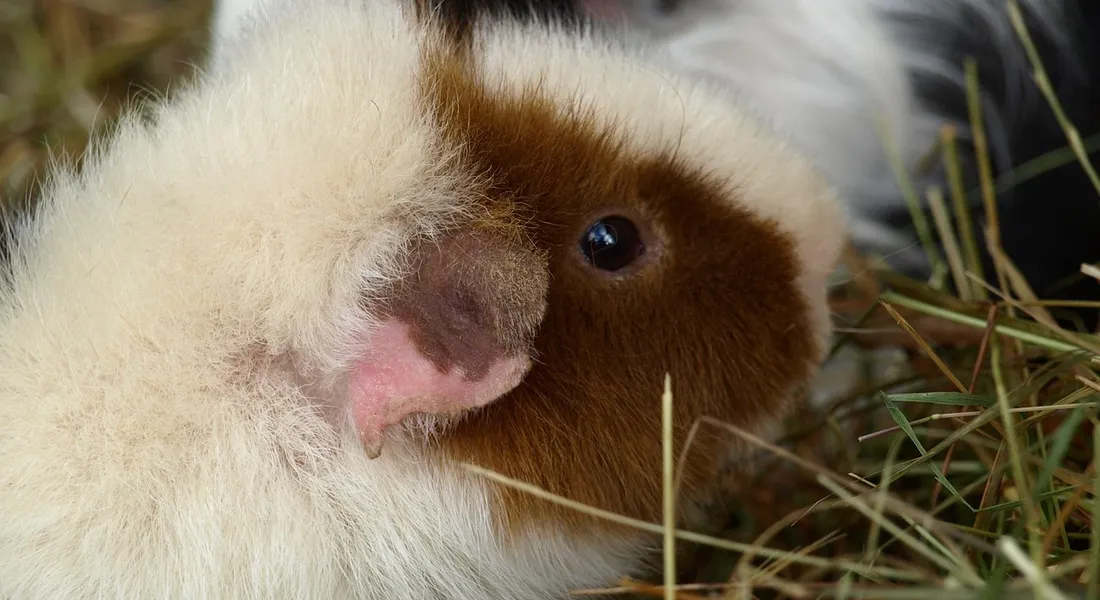
Spotting an overheated guinea pig demands immediate action. Move your pet to a cooler area right away, away from direct sunlight and heat sources. I once found Pepper panting heavily on a warm afternoon; quick relocation to a shaded, tiled floor made a visible difference.
Gently dampen their ears, feet, and fur with a cloth soaked in cool-not cold-water. Avoid using ice or extremely cold water, as sudden temperature drops can send them into shock. My Clover responded well when I used room-temperature water on her paws, which helped lower her body heat gradually.
Offer fresh, cool water to drink, but do not force it. Dehydration worsens overheating, so encouraging sips can support recovery. If your guinea pig is too weak to drink, use a syringe (without the needle) to drip water gently into the side of their mouth.
Contact your veterinarian as soon as possible, even if symptoms seem to improve. Overheating can cause internal damage that isn’t immediately obvious. In my experience, a quick call to the vet provided peace of mind and further instructions tailored to each pig’s needs.
Preventing Overheating: Tips and Tricks
Keeping your guinea pig cool starts with thoughtful daily habits. Place their habitat in a consistently cool part of your home, away from windows that get direct sun. I keep Biscuit’s cage in our north-facing room, which stays cooler and more stable in temperature. While guinea pigs do need some indirect sunlight and sunshine, it’s important to avoid direct exposure that can cause overheating.
Always provide ample fresh water, and consider adding a second water bottle during heatwaves. Check water bottles daily for blockages or leaks to ensure your pet stays hydrated. A simple morning and evening check has saved my trio from going thirsty on more than one occasion.
Cooling Methods for Hot Weather
Simple, low-cost solutions can make a huge difference on warm days. Freeze a water bottle, wrap it in a thin towel, and place it in their cage for a safe cooling spot. My guinea pigs love leaning against these during summer naps.
- Use ceramic or tile slabs in their enclosure; these stay cool naturally.
- Set up a small fan on low, directed near-not at-their cage to improve air circulation.
- Lightly mist their ears and feet with water using a clean spray bottle.
Offer watery vegetables like cucumber and lettuce to boost hydration. These treats provide extra fluids and are generally well-loved by guinea pigs. Just remember to feed in moderation to avoid digestive issues.
Long-Term Prevention Strategies
Planning ahead helps protect your guinea pig through seasonal changes. Choose a well-ventilated cage and avoid plastic enclosures that trap heat. I switched to a wire-and-base setup years ago and noticed my pets were more active and comfortable.
- Monitor room temperatures with a thermometer, aiming to keep it below 80°F (27°C).
- Avoid moving or handling your guinea pig during the hottest parts of the day.
- Schedule outdoor playtime in early morning or late evening when it’s cooler.
Consider your guinea pig’s specific needs based on breed and age. Long-haired breeds like my Biscuit need regular grooming to prevent matting and improve airflow. A quick trim during warmer months can significantly reduce their risk of overheating. You can learn more about grooming different guinea pig breeds.
Build a relationship with a vet who understands guinea pigs. Regular check-ups help catch early signs of heat stress and other health issues. My vet’s advice on seasonal care checklist—spring, summer, fall, and winter—has been invaluable for keeping Pepper, Clover, and Biscuit healthy year-round. It guides routine prep for housing, ventilation, diet, and hydration through each season.
Heat Stroke in Guinea Pigs: Signs and Recovery
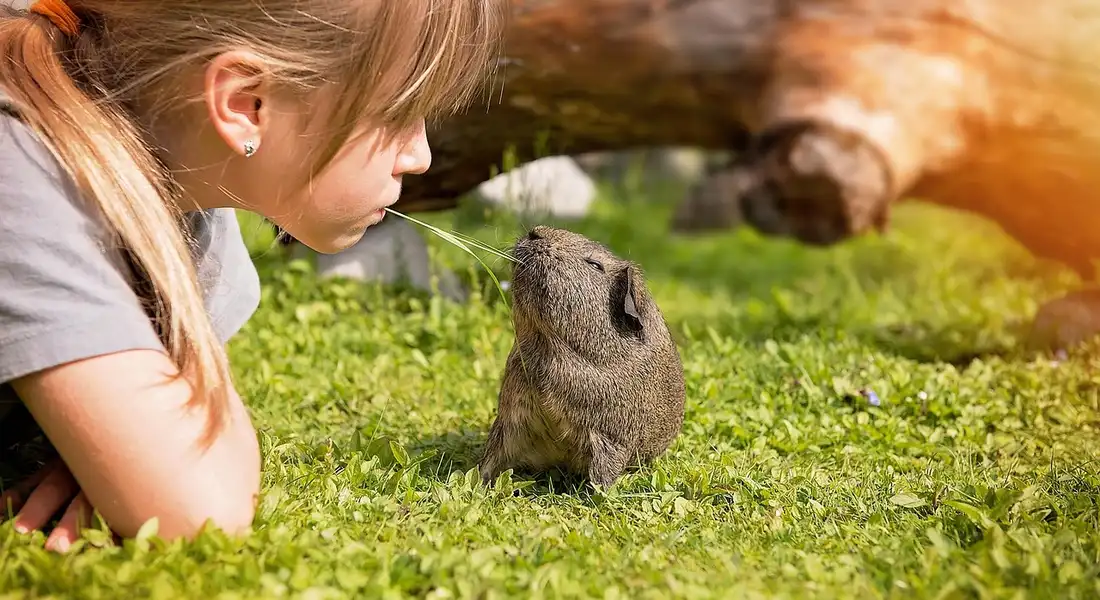
Recognizing the early signs of heat stroke can literally save your guinea pig’s life. I learned this the hard way one summer when my guinea pig, Pepper, became unusually still and started breathing with his mouth open. It was a terrifying moment that taught me to be hyper-vigilant.
Critical Warning Signs of Overheating
Watch for these symptoms, which can appear rapidly. Your guinea pig won’t be able to tell you they’re in distress, so you must observe their behavior closely. Being able to tell if your guinea pig is stressed or anxious is key to their well-being. Early recognition lets you adjust their environment and care.
- Heavy, open-mouth breathing or rapid panting
- Lethargy and refusal to move, even when prompted
- Wobbly or unsteady movements, appearing disoriented
- Wetness around the mouth from excessive drooling
- Ears and feet feeling unusually hot to the touch
- Seizures or convulsions in severe, late-stage cases
Immediate First Aid Steps
If you suspect heat stroke, act quickly but calmly. Moving too fast can startle them, but delaying can be fatal. I keep a small emergency kit ready during heatwaves, which has been a game-changer.
- Move your guinea pig to a cool, shaded area immediately.
- Dampen their ears and feet with a cloth and cool (not cold) water.
- Offer fresh, cool water with a syringe if they are too weak to drink.
- Place a ceramic tile or a cool, damp towel in their enclosure for them to lie on.
- Use a fan on a low setting, but never point it directly at them.
When to Seek Veterinary Care
Even if your guinea pig seems to recover, internal damage might have occurred. I always call my vet after any overheating scare, as dehydration can strain their kidneys for days.
- If symptoms don’t improve within 15 minutes of cooling efforts
- If your guinea pig has a seizure or loses consciousness
- If they refuse water or food for more than a few hours after the incident
- For a professional assessment of potential organ stress
FAQs
What are the symptoms of overheating in a guinea pig?
Watch for signs like lethargy and heavy, open-mouth breathing. You may also notice drooling or warm ears and feet.
What temperature is dangerous for a guinea pig?
Temperatures above 80°F (27°C) pose a high risk of heatstroke. It’s safest to keep their environment below 75°F (24°C) to avoid dangers.
What should I do if a guinea pig is overheating?
Move your pet to a cool, shaded area immediately and gently dampen their ears and feet with cool water. Offer fresh water to drink and contact a veterinarian for further advice.
How can I prevent overheating in guinea pigs?
Keep their habitat in a well-ventilated, cool spot away from direct sunlight. Provide constant access to fresh water and use cooling aids like ceramic tiles or frozen water bottles wrapped in towels.
What are the signs of heat stroke in a guinea pig?
Look for critical symptoms such as heavy panting, extreme lethargy, and wobbly or uncoordinated movements. In severe cases, drooling, seizures, or loss of consciousness may occur.
Your Guinea Pig’s Heat Safety Checklist
Based on my time with Pepper, Clover, and Biscuit, I always prioritize cool, shaded spaces and constant access to fresh water. Monitoring for signs like heavy panting or lethargy lets you act fast to prevent serious heat issues.
Commit to ongoing learning about guinea pig care to keep them thriving in all seasons. Incorporating eco-friendly choices, like natural fiber bedding, benefits both your pets and our planet for years to come. Our ultimate guide to safe bedding options for guinea pigs walks you through choosing non-toxic, comfortable substrates. It helps you pick bedding that keeps cages clean and your pets thriving.
Further Reading & Sources
- AC Aids • GUINEA PIGS – Temperature
- Will my guinea pigs be affected by heat? – RSPCA Knowledgebase
- Can Guinea Pigs Get Heatstroke? How to Cool Down a Hot Guinea Pig
- What is Heatstroke in Guinea Pigs and How is It Treated?
Kate is a passionate guinea pig owner and advocate for small pet welfare. With over a decade of experience caring for guinea pigs, she has become a trusted voice in the small pet community.
Uncategorized