Ultimate Seasonal Care Guide for Your Guinea Pig
Published on: December 21, 2025 | Last Updated: December 21, 2025
Written By: Kate M. Callahan
Hello CavyFam! Are you wondering how to keep your guinea pig happy and healthy as the seasons change? Those temperature swings and shifting routines can really impact their comfort and wellbeing.
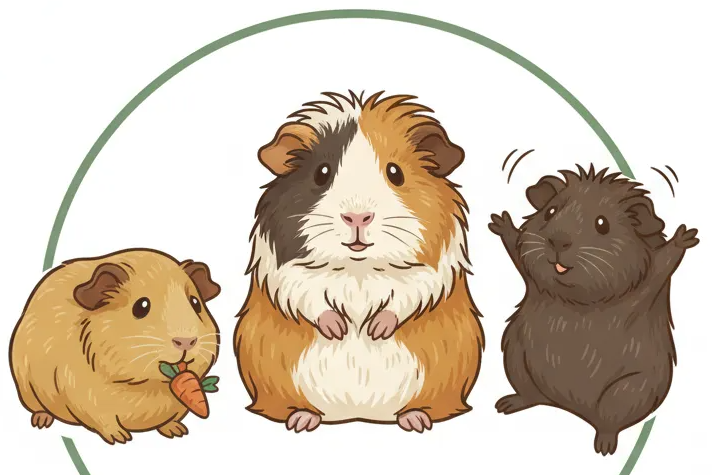
I’ll walk you through essential adjustments for spring, summer, fall, and winter, covering everything from diet tweaks and habitat updates to grooming needs and health checks. Having cared for my own guinea pigs-Pepper, Clover, and Biscuit-through every type of weather, I’ve learned what truly works.
Understanding Guinea Pig Seasonal Needs
Core Temperature and Humidity Ranges
Guinea pigs thrive in a surprisingly narrow climate window. The absolute safest temperature range for your guinea pig is between 65°F and 75°F (18°C – 24°C). My three pigs, Pepper, Clover, and Biscuit, are most active and content right in the middle of this range.
Humidity is just as critical as temperature. Aim to keep levels between 40% and 60%. High humidity combined with heat creates a dangerous breeding ground for bacteria and can lead to serious respiratory infections. A simple digital thermometer/hygrometer combo from any hardware store is your best friend for monitoring their environment year-round.
Year-Round Diet and Vitamin C Basics
Their core diet remains constant, acting as the anchor through seasonal changes. An unlimited supply of high-quality timothy hay must always be available to support their digestive health and constantly growing teeth. I go through a bale every few weeks for my trio!
Vitamin C is non-negotiable. Guinea pigs cannot produce it themselves. I provide a daily serving of fresh, vitamin C-rich vegetables like bell peppers and dark leafy greens. Safe vegetables and greens are essential for a healthy guinea pig diet, and I rotate them to keep meals varied. This ensures they get both fiber and vitamin C from a range of guinea-pig-safe greens. I always supplement their diet with a stabilized Vitamin C tablet designed for small pets, as the vitamin in pellets degrades quickly after the bag is opened. This dual approach ensures they never become deficient.
Enclosure Setup for Seasonal Comfort
Your cage setup is your first line of defense against the elements. For most homes, an indoor enclosure is safest. Place it in a quiet, draft-free area away from direct sunlight, air conditioning vents, and radiators. I use a C&C (Cubes & Coroplast) cage because it offers excellent ventilation and space.
Your bedding choices can also help regulate comfort. Fleece liners are breathable and great for moderate temperatures, while paper-based bedding can offer more warmth in cooler months. Always have hideys made from different materials-a wooden hut for chewing and a cozy fleece pouch for burrowing-to let them choose their comfort level.
Spring Care: Welcoming Warmer Weather
Spring Diet and Safe Greens Introduction
Spring brings a bounty of fresh greens, but you must introduce them slowly to avoid upsetting their sensitive stomachs. Start with a single new green, offering a piece no larger than your thumbnail. Watch their droppings for the next 24 hours to ensure everything remains normal.
Some of my pigs’ favorite safe spring greens are dandelion leaves (from pesticide-free areas), cilantro, and romaine lettuce. I avoid iceberg lettuce completely, as it offers little nutritional value. Remember, new foods are treats, not replacements for their staple hay and pellets.
Grooming for Spring Shedding
As days lengthen, you’ll notice your guinea pigs shedding their winter coats. This is the perfect time to step up your grooming routine. For short-haired pigs like Pepper, a quick daily brush with a soft-bristled brush removes loose fur and strengthens your bond. In summer, you may want to brush a bit more often to manage shedding and help keep your pig comfortable in the heat; in winter, regular brushing helps prevent mats and keeps the coat evenly distributed.
For my long-haired Peruvian, Biscuit, spring grooming is essential. I gently work through her long fur with a wide-toothed comb every other day to prevent painful mats from forming, especially around her backend. Regular grooming also lets you check their skin for any parasites or irritations that can pop up in warmer weather.
Outdoor Time and UV Exposure Safety
A little supervised outdoor time can be wonderful, providing natural sunlight for Vitamin D synthesis. Never place a guinea pig’s enclosure in direct, unfiltered sunlight, as they can suffer from heatstroke in minutes. I always use a fully enclosed, secure pet playpen placed in dappled shade.
Always stay with them during outdoor sessions. Besides the temperature risk, they are vulnerable to predators like birds of prey and even neighborhood cats. Keep sessions short-10 to 15 minutes is plenty for their first few outings. Bring them fresh water and a hidey to retreat into if they feel overwhelmed.
Summer Care: Beating the Heat
Temperature Control and Cooling Methods
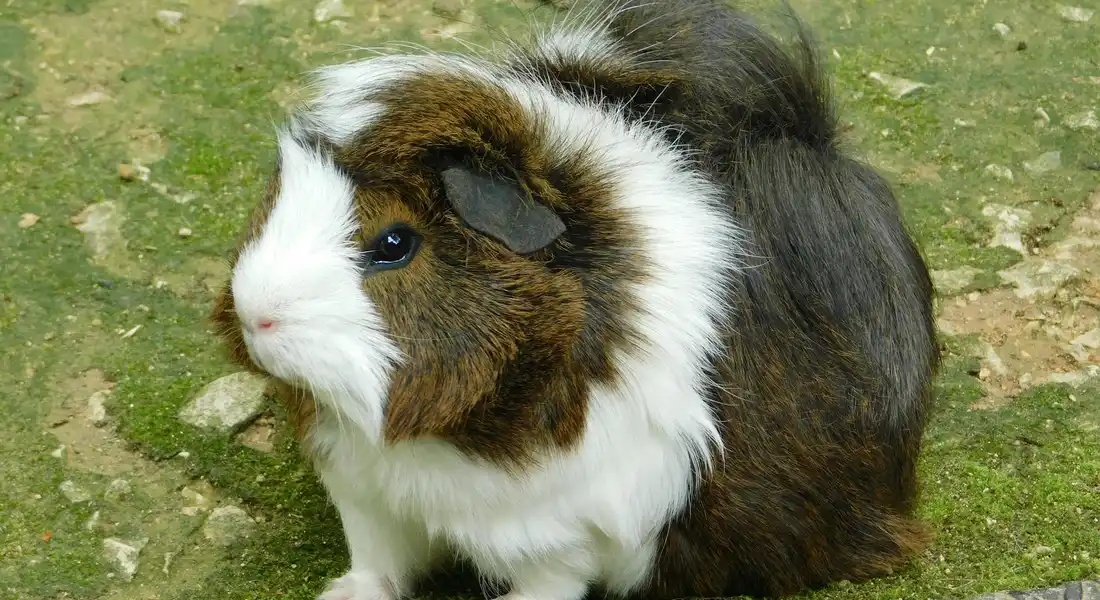
Guinea pigs struggle with heat because they can’t sweat, and temperatures above 80°F put them at risk for heatstroke. I always monitor the room temperature closely, especially for Pepper, my American guinea pig, who starts panting if it gets too warm. They also have heating needs in colder weather, so keep their enclosure warm with extra bedding and a draft-free spot. A steady room temperature around 65-75°F (18-24°C) helps prevent chills and balances their comfort year-round. You can use simple household items to keep them comfortable. Place a ceramic tile in their cage for them to lie on—it stays cool and provides relief. Wrap a frozen water bottle in a towel and put it in their enclosure; my guinea pigs often snuggle up to it. Ensure good air circulation with a fan, but never point it directly at them to avoid drafts. Air conditioning or moving their cage to a cooler part of the house works wonders on scorching days.
- Use frozen water bottles wrapped in towels for instant cooling.
- Provide ceramic tiles or chilled stone slabs in their living area.
- Set up fans indirectly to improve airflow without causing stress.
- Relocate their habitat away from direct sunlight and heat sources.
Hydration and Summer Diet Tips
Staying hydrated is crucial in summer, as dehydration can happen quickly. I make sure fresh, cool water is available at all times, and I check their water bottles daily for leaks or blockages. Incorporate watery vegetables into their diet, like cucumber or lettuce, but in moderation to prevent digestive issues. For example, Clover, my graceful Abyssinian, loves a small slice of watermelon as a treat-it’s hydrating and refreshing. Avoid sugary fruits that can attract ants or cause weight gain. Focus on balanced meals with plenty of hay to support digestion and overall health.
- Offer high-water content veggies: cucumber, celery, and bell peppers.
- Limit fruits to occasional treats to avoid diarrhea and obesity.
- Refresh water supplies multiple times a day to keep it cool and clean.
- Monitor eating habits-if they’re not drinking, try wetting their greens slightly.
Managing Humidity and Seasonal Hazards
High humidity can lead to respiratory problems and mold growth in bedding, which I’ve seen with Biscuit, my reserved Peruvian guinea pig. Keeping their environment dry and well-ventilated prevents issues like flystrike and skin infections. Clean their cage more frequently in summer to remove damp spots and waste. Use absorbent, low-dust bedding, and consider a dehumidifier if you live in a humid area. Watch out for seasonal hazards like open windows where they could escape or toxic plants brought indoors. Regularly inspect for pests like mites, which thrive in warm, moist conditions.
- Increase cage cleaning to twice a week to control moisture and odors.
- Avoid damp bedding types; opt for paper-based or fleece liners.
- Check for signs of overheating: lethargy, heavy breathing, or refusal to eat.
- Secure windows and doors to prevent escapes during outdoor playtime.
Fall Care: Preparing for Cooler Days
As the air turns crisp and leaves start to fall, your guinea pig’s needs shift with the season. I’ve found that paying close attention to diet, enclosure warmth, and grooming during autumn keeps my trio—Pepper, Clover, and Biscuit—happy and healthy through the cooler months. Do guinea pigs hibernate? They don’t; understanding winter behavior means focusing on warmth and steady feeding to keep them comfortable. Let’s dive into how you can smoothly transition their care.
Diet Adjustments for Fall
Fall brings changes in temperature and available fresh foods, so tweaking your guinea pig’s diet is key. Increasing their hay intake provides extra fiber for digestion and helps generate body heat, which is vital as days get chillier. I always make sure Pepper, Clover, and Biscuit have unlimited access to high-quality Timothy hay.
Introduce seasonal vegetables in moderation to add variety and nutrients. Offer small pieces of pumpkin or squash as occasional treats, but avoid overdoing it to prevent digestive upset. With Clover’s thoughtful nature, she nibbles slowly on these new items, while Biscuit prefers familiar greens like kale.
- Boost hay portions by 10-15% to support warmth and digestion.
- Include vitamin C-rich foods like bell peppers daily to prevent deficiencies.
- Limit sugary fruits; opt for crunchy veggies like carrots for dental health.
Enclosure Prep for Dropping Temperatures
Your guinea pig’s living space needs upgrades to stay cozy as temperatures drop. Start by checking for drafts near windows or doors and move the cage to a stable, warm area away from cold spots. I learned this the hard way when Pepper shivered one chilly evening-now I keep their enclosure in a draft-free corner.
Add extra bedding layers for insulation and comfort. Use fleece liners or paper-based bedding to trap heat, and consider a snug hideout filled with hay for burrowing. Biscuit, with her reserved personality, loves curling up in a fleece-lined hut during cool afternoons.
- Inspect the cage for gaps or cold air leaks and seal them if needed.
- Layer bedding to at least 2-3 inches deep for warmth.
- Provide a covered hideaway and rotate it weekly to keep it fresh.
Grooming and Health Checks
Fall grooming focuses on maintaining coat health and spotting early signs of seasonal issues. Brush your guinea pig more frequently to remove loose fur and prevent mats, especially for long-haired breeds like Biscuit. I gently comb her dark brown fur daily to avoid tangles and check for skin dryness. They require different grooming techniques compared to short-haired varieties.
Regular health checks help catch problems like respiratory infections, which can flare up in cooler weather. Listen for sneezing or wheezing, and monitor their energy levels-Clover’s graceful movements slow down if she’s unwell, so I act fast. Trim nails if they’re overgrown, as reduced activity in fall might mean less natural wear.
- Brush coats 2-3 times a week to reduce shedding and bonding time.
- Check eyes, nose, and ears for discharge or redness weekly.
- Weigh them monthly to track any sudden changes that need vet attention.
Winter Care: Staying Warm and Cozy
Winter Diet and Hydration Strategies
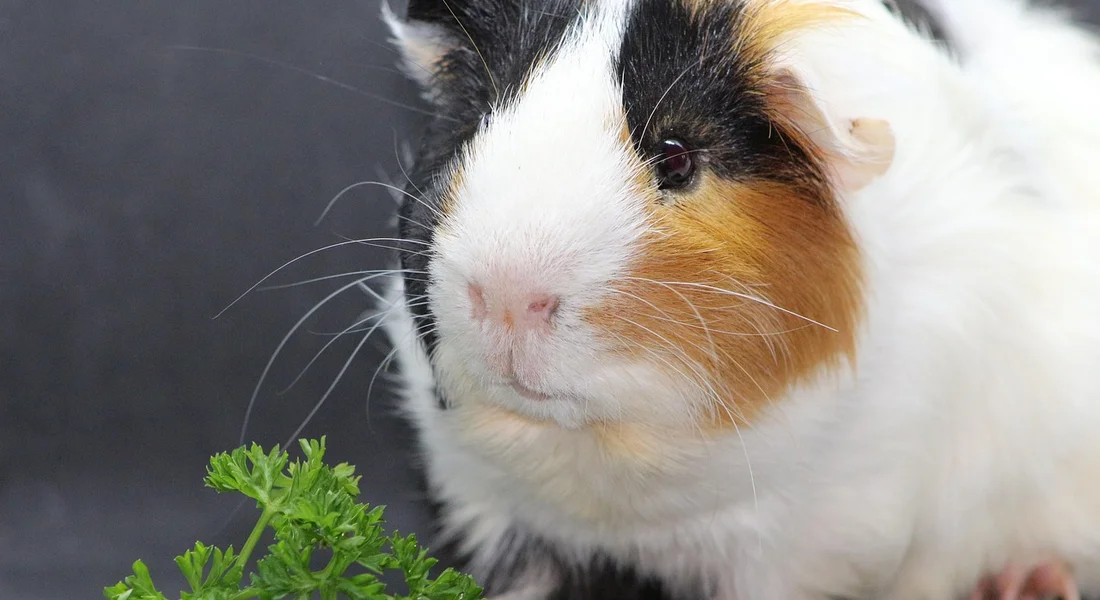
During colder months, your guinea pig’s metabolism can slow, so focus on nutrient-rich foods to keep energy levels up. I always boost hay portions for my trio-Pepper, Clover, and Biscuit-since digesting fiber generates body heat naturally. Offer fresh veggies like bell peppers and kale daily; they’re packed with vitamin C, which is vital year-round to prevent scurvy.
- Serve room-temperature vegetables to avoid chilling their stomachs.
- Check water bottles twice daily for ice; use insulated covers or switch to ceramic bowls if needed.
- Include a small amount of high-quality pellets to supplement their diet without overfeeding.
From my experience, Biscuit’s reserved nature means he eats slower in the cold, so I place food in multiple spots to encourage nibbling. Hydration is just as crucial-dehydration can sneak up fast when temperatures drop.
Heating and Bedding for Cold Weather
Guinea pigs thrive in stable temperatures between 65-75°F; drafts or sudden chills can lead to respiratory issues. I layer extra paper-based bedding in their enclosure and add fleece hideouts for coziness, which Clover adores for her graceful lounging. This aligns with the ultimate guide to safe bedding options for guinea pigs, emphasizing safe substrates like paper-based bedding and fleece while avoiding cedar or pine shavings. Additional sections cover cleaning routines and how to keep dust to a minimum. Avoid electric heating pads, as they can overheat or cause burns; instead, position the cage away from windows and doors.
- Use a thermometer near the cage to monitor room temperature consistently.
- Provide snug shelters like wooden houses or tunnels lined with hay for burrowing.
- If needed, a space heater in the room-set on low and far from the cage-can help maintain warmth safely.
Pepper’s gentle demeanor means he seeks out warm spots, so I ensure his bedding is deep enough for nesting. Regularly clean and fluff bedding to prevent dampness, which can cause discomfort or illness.
Exercise and Indoor Enrichment
Cold weather might limit outdoor play, but indoor activities keep your guinea pig active and happy. Set up a secure play area with tunnels, chew toys, and low ramps to encourage movement—Biscuit’s intelligence shines when he navigates obstacle courses I build from cardboard boxes. For added enrichment, include foraging toys and activities. Aim for short, daily sessions to maintain muscle tone and prevent weight gain.
- Rotate toys weekly to spark curiosity and reduce boredom.
- Hide treats in puzzle feeders to stimulate natural foraging instincts.
- Supervise floor time to ensure they stay warm and avoid drafts.
I’ve noticed Clover’s thoughtful play style-she prefers quiet corners with soft mats, so I tailor enrichment to each pig’s personality. Keeping them engaged indoors supports mental health and strengthens your bond during the chilly season.
Essential Supplies for Seasonal Transitions
Keeping your guinea pigs comfortable year-round means having the right tools on hand before the weather shifts. I’ve found that a well-stocked supply cabinet prevents last-minute panics and keeps my herd happy through every seasonal change. This is the kit I’ve curated after years with my own guinea pigs, Pepper, Clover, and Biscuit.
Bedding and Blanket Options
Your choice of bedding is the first line of defense against temperature swings and humidity. I always switch between a few trusted materials depending on the forecast and what my pigs seem to prefer. Here’s what I keep in rotation.
- Fleece Liners: My absolute favorite for most of the year. They are soft, reusable, and provide a warm, dry surface. I use them heavily in fall and winter, but a single layer works well in a cool, air-conditioned room during summer.
- Paper-Based Bedding: This is my go-to for spring and summer. It’s highly absorbent and helps control odors when humidity is high. I look for dust-free brands to protect their sensitive respiratory systems.
- Extra Hand Towels and Small Fleece Squares: These are my multi-purpose heroes. I use them as cozy hidey blankets in winter, or I’ll dampen a towel and freeze it for a few hours to create a cool spot for the pigs to lie against on a hot day.
Grooming and Health Monitoring Tools
Regular grooming is about more than just looking good; it’s a vital health check. Setting aside just ten minutes each week for a quick check-up can help you spot potential issues before they become serious. My grooming caddy always contains these items.
- A Small Pet Nail Clipper: Nails tend to grow faster when guinea pigs are more active in spring and summer. I check Clover’s and Biscuit’s nails every two weeks.
- Soft-Bristled Brushes: I have two types. A standard soft brush works for short-haired Pepper, while a wider-toothed comb is essential for Biscuit’s long Peruvian fur to prevent painful mats, especially during heavier shedding seasons.
- Digital Kitchen Scale: This is the most important health tool I own. Weighing each pig weekly provides an early warning sign for almost any illness, as weight loss is often the first symptom.
- Small Flashlight: Perfect for quick checks inside ears for wax buildup or to get a better look at their skin and coat condition.
Emergency and Quarantine Preparedness
Having a plan for emergencies, from power outages to sudden illness, brings immense peace of mind. After a scare with Pepper one winter, I learned the hard way that being prepared is not optional for a responsible pet owner. Here is my essential readiness kit.
- A “Go-Bag” Cage: I keep a small, clean travel carrier stocked with a few days’ worth of bedding, pellets, and a water bottle. This is crucial for quick evacuation or for isolating a sick pig.
- Critical Care Formula and Syringes: This powdered food is a lifesaver if a guinea pig stops eating. My vet recommended I always have a pouch on hand, and it has helped me nurse a poorly pig back to health more than once.
- Reusable Gel Ice Packs and Hand Warmers: These are my temperature-control secret weapons. I wrap them in towels to create a warm zone in a cold room or a cool spot during a heatwave.
- List of Emergency Contacts: I have my vet’s number, the address of the nearest 24-hour exotic animal clinic, and a trusted friend who can care for my pigs all taped to the side of their main cage.
Common Questions
What does “seasonal care” mean for my guinea pig?
Seasonal care involves adjusting your guinea pig’s habitat, diet, and grooming routine to keep them comfortable and healthy as outdoor temperatures and humidity change throughout the year. This proactive approach helps prevent common seasonal health issues like heatstroke in summer or respiratory problems in winter. Properly caring for guinea pigs means providing a safe, clean living space, fresh water, and appropriate enrichment and grooming year-round. By aligning these practices with the season, you can ensure your pets stay healthy and comfortable.
What type of blankets are best for guinea pigs in different seasons?
Soft, absorbent fleece is an excellent year-round choice for blankets, as it is breathable in warmer months and provides cozy warmth in cooler weather. Avoid blankets with loose loops or threads that could catch on their nails, and always ensure any fabric is 100% safe for chewing.
Should I use different blankets for my guinea pig in summer and winter?
Yes, a single layer of a lightweight fleece blanket is ideal for summer to provide comfort without excess warmth. In winter, you can use thicker fleece or layer multiple blankets to create a warmer, more insulated sleeping area for your pet.
Can I find good seasonal guinea pig blankets on Amazon?
Yes, Amazon offers a wide variety of guinea pig-safe fleece liners and blankets suitable for different seasons. When shopping, be sure to read product descriptions and customer reviews to confirm the material is the appropriate thickness and quality for your needs.
Where else can I find seasonal guinea pig blankets for sale?
You can find specialized guinea pig blankets and cage liners for sale on pet specialty websites, through Etsy sellers who handmake pet supplies, and in local pet stores. These sources often provide unique options that can be tailored to specific seasonal requirements.
Your Guinea Pig’s Happy Year-Round Journey
By adjusting your care with the seasons-focusing on temperature control and diet-you create a stable, comfortable environment for your small friend. This proactive approach helps prevent common seasonal health issues before they even start.
Always stay curious and keep learning about your guinea pigs’ unique needs and behaviors. Understanding their personalities helps you see why guinea pigs can be great pets. With patience, you tailor care to their unique traits. Responsible, informed ownership is the greatest gift you can give your pets, ensuring they live long, happy, and healthy lives.
Further Reading & Sources
- Seasonal Care Guide for Guinea Pigs: Year-Round Comfort – Home & Roost
- Guinea Pig Care: Ultimate Guide to Food, Habitat, Health & Happiness
- Adapting your guinea pigs’ environment to changing seasons | Guinea Pig Awareness Week
- Care of Guinea Pigs Introduction
Kate is a passionate guinea pig owner and advocate for small pet welfare. With over a decade of experience caring for guinea pigs, she has become a trusted voice in the small pet community.
Uncategorized