Can Male and Female Guinea Pigs Live Together Safely?
Published on: January 4, 2026 | Last Updated: January 4, 2026
Written By: Kate M. Callahan
Hello CavyFam! You might be asking if male and female guinea pigs can share a space without problems, and perhaps you’re concerned about unexpected litters or conflicts. These worries are common and worth addressing head-on.
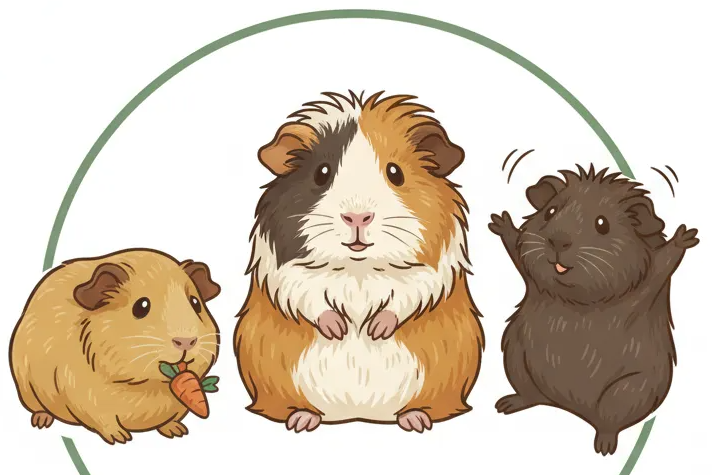
I’ll guide you through key areas like housing requirements, behavior signs, breeding prevention, and health monitoring. Having cared for guinea pigs for years, including my own trio-Pepper, Clover, and Biscuit-I can offer real-world advice to keep your pets happy and safe.
Understanding Guinea Pig Social Behavior
-
Guinea pigs naturally live in herds with a clear hierarchy, much like a small family group. From watching my own herd-Pepper, Clover, and Biscuit-I’ve seen how they establish roles without conflict, with gentle Pepper often deferring to graceful Clover during feeding times. This pecking order helps reduce stress and promotes harmony in their shared space.
-
Bonding behaviors like popcorning (joyful jumps) and vocalizations such as wheeking or purring signal contentment. Clover often popcorns when I bring fresh hay, while Biscuit’s soft rumbles show he’s feeling secure in his surroundings. These actions are key signs your pets are forming strong, positive connections.
-
Watch for aggression or stress cues like teeth chattering, persistent chasing, or excessive hiding. When Biscuit feels overwhelmed, he retreats to a corner, a clear signal he needs a break from social interactions. Spotting these early helps you step in before issues escalate, ensuring everyone stays safe and happy.
Can Male and Female Guinea Pigs Cohabit?
-
Compatibility hinges on factors like age and personality-younger or similarly tempered pairs often adapt better. In my experience, pairing a steady male like Pepper with a thoughtful female like Clover can lead to a calm, balanced dynamic. Always consider individual traits to avoid mismatches that cause tension.
-
Pros of mixed-gender pairs include fulfilling natural social needs and reducing loneliness. Cons involve the high risk of constant mating cycles and potential resource guarding. Weigh these carefully; for instance, I’ve found that same-gender pairs can be just as bonded without the reproductive worries.
-
Unplanned mating poses serious risks, like rapid overpopulation and health strain on females. Guinea pigs can have multiple litters yearly, so I always advise spaying or neutering to prevent unintended babies and support animal welfare. This proactive step keeps your pets healthy and avoids contributing to shelter overcrowding. To prevent unwanted mating in your guinea pig cage, keep males and females separated unless you plan to breed, and ensure the enclosure is secure and escape-proof. Regularly inspect for any gaps or openings that could allow unwanted access.
Pregnancy Risks in Mixed-Gender Pairs
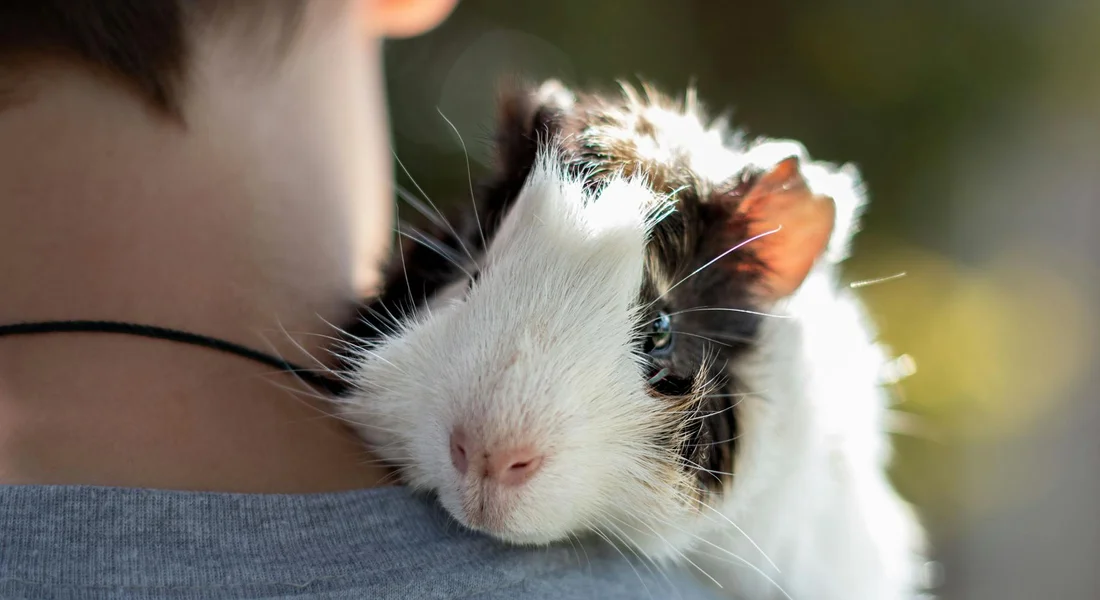
Female guinea pigs, called sows, can become pregnant as early as four weeks old. Their heat cycles occur roughly every 16 days, making accidental pregnancies highly likely in any mixed-gender pair. I learned this the hard way with my first guinea pigs before I fully understood their rapid breeding potential. Understanding guinea pig reproduction and nursing is crucial for any pet owner.
- Breeding age and heat cycles in females: Sows reach sexual maturity incredibly early. Their short, frequent heat cycles mean a brief encounter with a male, or boar, can result in pregnancy.
- Health risks for sows during pregnancy and birth: Pregnancy is physically demanding and carries significant risks. Common complications include pregnancy toxemia, a metabolic disorder, and dystocia, where the sow struggles to deliver the pups. The large head size of guinea pig babies often leads to difficult births.
- Emphasize the importance of veterinary care: If you suspect your sow is pregnant, immediate veterinary consultation is non-negotiable. A vet can monitor her health, provide crucial nutritional advice, and be prepared for any birthing emergencies. I always schedule a check-up to ensure the best outcome for mother and babies.
Neutering and Spaying for Safe Cohabitation
Surgery is the only reliable method for allowing a male and female to live together without constant breeding. Neutering the male is generally the safer and less invasive option of the two procedures. My boar, Pepper, recovered from his neutering wonderfully and has lived peacefully with his female companions for years.
- Explain the benefits of neutering male guinea pigs: Neutering a boar involves removing his testicles, which eliminates his ability to impregnate a female. This procedure is less complex than spaying a sow, with a shorter recovery time and lower overall risk. After a post-surgery waiting period, a neutered male can live safely with one or more females.
- Describe spaying procedures for females: Spaying is a major abdominal surgery where the veterinarian removes the sow’s ovaries and uterus. It is more invasive than neutering and carries higher surgical risks. However, it completely prevents pregnancy and can also eliminate the risk of certain reproductive cancers later in life.
- Provide post-surgery care tips: Post-operative care is critical for a smooth recovery. Keep their habitat extra clean to prevent infection. Provide ample hay and their favorite veggies to encourage eating. You must also ensure they are eating and pooping normally, as a slowdown can signal a serious problem requiring immediate vet attention. I kept my guinea pigs in a quiet, stress-free space with a soft fleece liner until they were fully healed.
Setting Up a Safe and Spacious Enclosure
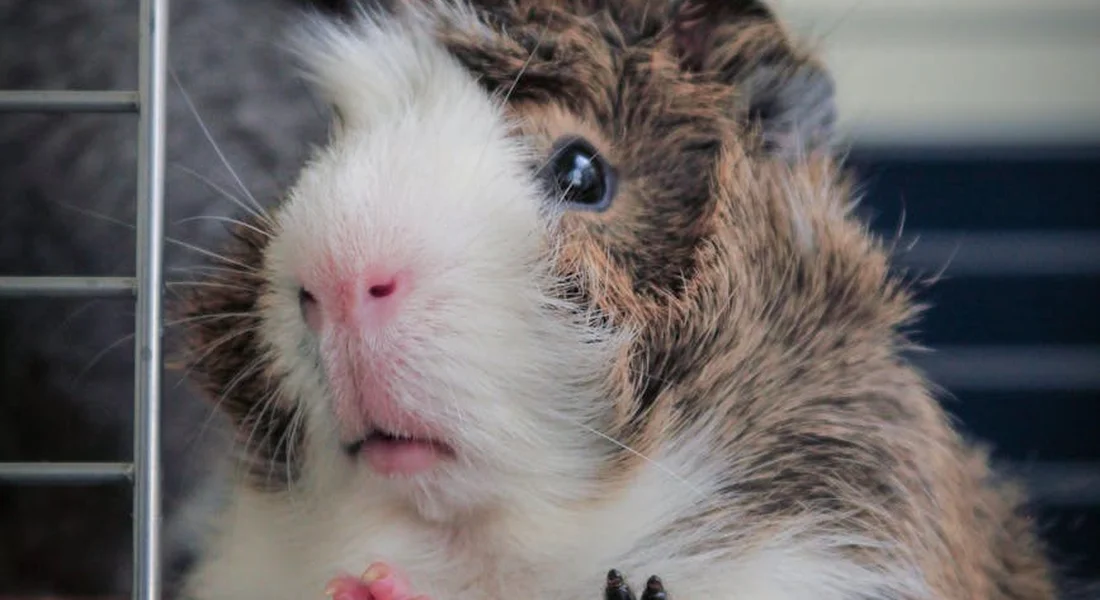
Guinea pigs need room to run, hide, and establish their own little territories to prevent squabbles. I learned this quickly with my trio—Pepper, Clover, and Biscuit—when their first cage felt too cramped during feeding time. That’s why the best cage setup matters for beginners. In a quick beginner’s guide, we’ll cover the essentials for giving your pigs space to thrive.
Minimum Cage Size Recommendations
A single guinea pig requires at least 7.5 square feet, but pairs or trios need more space to coexist peacefully.
| Number of Guinea Pigs | Minimum Cage Size |
|---|---|
| 2 guinea pigs | 10.5 square feet |
| 3 guinea pigs | 13 square feet |
| 4 guinea pigs | >16 square feet recommended |
Bigger is always better when housing mixed genders to reduce territorial stress and unwanted chasing. My own herd thrives in a custom C&C cage that’s nearly 16 square feet.
Hiding Spots and Territory Dividers
Multiple hideouts prevent one pig from guarding all the cozy spots.
- Provide at least two enclosed hideys-like wooden houses or fleece forests-placed far apart
- Use low barriers (e.g., bendable bridges) to break sightlines without fully blocking escape routes
- Include tunnels and ramps to encourage natural exploration and reduce confrontation
Clover, my Abyssinian, particularly appreciates having her own designated “quiet corner” away from the boys’ play area.
Bedding, Food, and Water Placement
Strategic resource placement minimizes competition.
- Use absorbent, dust-free bedding like paper-based liners or fleece to maintain respiratory health
- Place multiple hay racks and food bowls at opposite ends of the enclosure
- Offer two water sources-both bottles and a heavy ceramic bowl-to ensure constant access
I scatter veggies in different spots so everyone can eat without feeling crowded, which keeps mealtime calm.
Introducing Male and Female Guinea Pigs
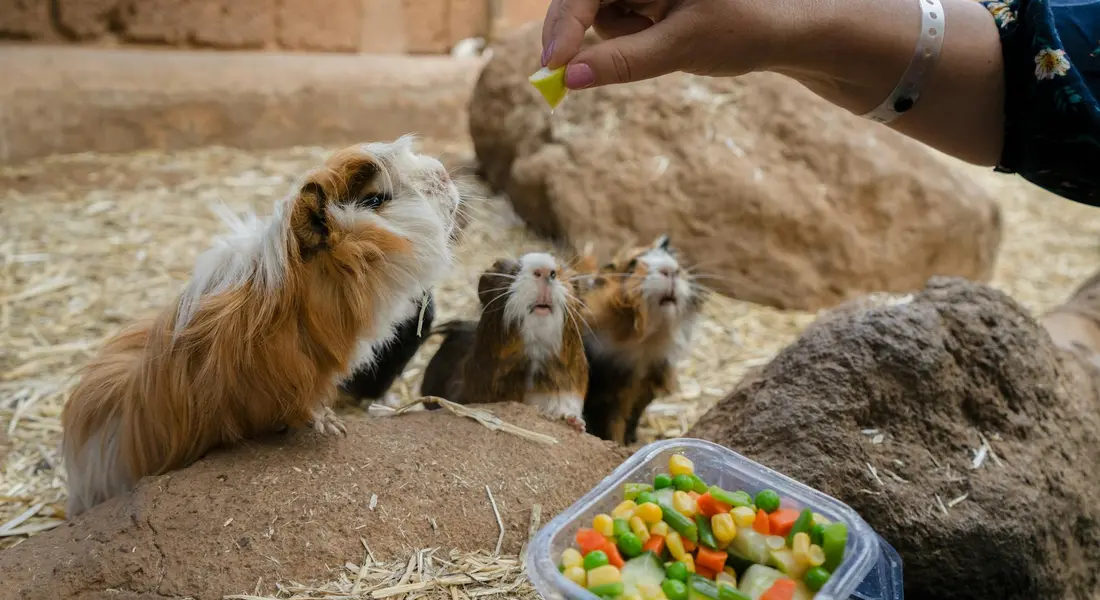
Proper introductions set the foundation for a harmonious mixed-gender herd. Rushing this process led to some tense moments with my first pair, so now I follow these steps religiously.
-
Quarantine New Arrivals
Keep new guinea pigs in a separate room for at least two weeks to monitor for illness.
This protects your existing herd from potential infections and gives the newcomer time to adjust. I learned this the hard way when a seemingly healthy new pig introduced mites to my group.
-
Neutral Territory Introductions
Choose a neutral space neither pig has explored, like a bathtub lined with towels or a playpen on fresh blankets.
Scatter plenty of hay and veggies to create positive associations during their first meeting. Supervise closely for any aggressive chasing or lunging.
-
Gradual Socialization Sessions
Start with short 10-minute sessions, gradually increasing time as they show calm behavior.
Look for positive signs like gentle nose-touching, shared eating, or relaxed popcorn jumps. Separate them immediately if you see persistent mounting, teeth chattering, or fur pulling.
-
Reduce Stress During Initial Interactions
Keep the environment quiet and avoid sudden movements.
- Place familiar items like herbs or a worn fleece from each cage to swap scents beforehand
- Handle both pigs gently before introductions to transfer calming pheromones
- Use a spray like Feliway (designed for cats but safe for guinea pigs) to ease tension in the air
Biscuit, my Peruvian, was initially skittish but relaxed when I draped a fleece that smelled like his old cage over the intro area.
Monitoring Bonding and Managing Aggression
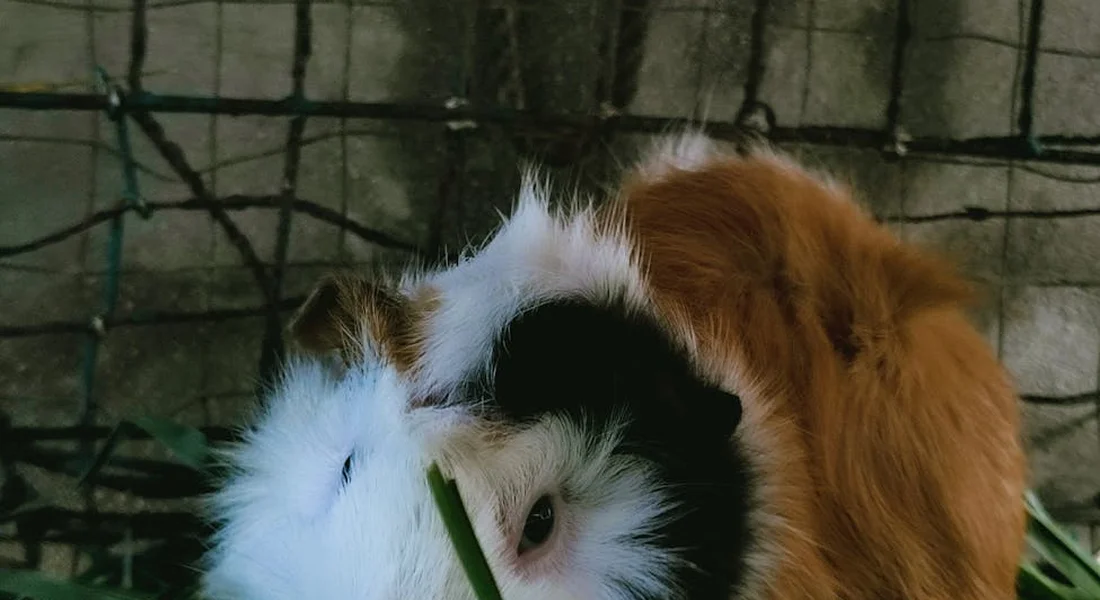
Watching two guinea pigs figure out their relationship is a delicate process. You must observe their interactions closely, especially during the first few days and weeks together. I’ve spent countless hours with my trio, Pepper, Clover, and Biscuit, learning to read their subtle cues. So what do these common bonding behaviors actually mean? Do they signal a strong friendship forming, or are they just negotiating space and hierarchy?
Positive Signs of a Successful Bond
Look for these heartwarming behaviors that signal your pigs are becoming friends. Shared popcorning, where both animals leap into the air with joy, is a fantastic sign of mutual happiness. My gentle boy Pepper often starts popcorning when Clover settles near him. These moments can help you know if your guinea pigs are happy.
- Mutual grooming, especially around the head and ears
- Sleeping side-by-side or curled up together
- Eating from the same food pile without tension
- Quiet, contented rumbling sounds while exploring
- Following each other around their enclosure calmly
Warning Behaviors That Need Your Attention
Some squabbling is normal as they establish a hierarchy, but certain actions require immediate intervention. Persistent chasing, especially if one pig is clearly trying to escape, indicates serious stress. I once had to temporarily separate Biscuit when her introductory “chat” with Clover turned into relentless pursuit.
- Loud teeth chattering directed at the other guinea pig
- Biting, particularly on the back or rump
- Fur pulling that results in visible bald patches
- Rumbling with raised hackles and a stiff posture
- Cornering one pig so it cannot move away
When to Separate and Seek Professional Help
Your primary role is to keep both animals safe from harm. Separate them immediately if you see any bloodshed, as injuries can become infected quickly. I keep a small spare cage ready for these exact situations after a minor scuffle between my pigs taught me to always be prepared. For a third guinea pig joining a bonded pair, follow the dos and don’ts for introductions to ease introductions. Introduce slowly, under supervision, and in a neutral space.
- Place a divider in their main enclosure or use a separate cage entirely
- Check both animals thoroughly for wounds or signs of distress
- Contact your veterinarian if you find any injuries or if one pig stops eating
- Allow a full 24-hour cooling-off period before attempting reintroduction
Guinea pigs are prey animals that often hide illness or pain. A sudden loss of appetite or lethargy after a conflict always warrants a vet visit. Trust your instincts—you know your pets better than anyone, and their welfare must always come first. For proper care, provide a clean enclosure, fresh hay and vegetables, and regular vet checkups. Handle them gently and ensure daily social interaction to keep them happy and healthy.
FAQs
How long does it take for male and female guinea pigs to bond when living together?
Bonding duration can range from a few days to several weeks based on individual temperaments. Providing a neutral introduction space and plenty of hiding spots can facilitate a smoother bonding process.
What does simultaneous popcorning indicate about guinea pig relationships?
Simultaneous popcorning usually signifies mutual happiness and a strong social bond between guinea pigs. It’s a positive behavior that often occurs during play or when they feel content together.
Is it common for guinea pigs to popcorn together during nighttime hours?
Guinea pigs are crepuscular, so popcorning at night is normal and part of their natural activity patterns. Are guinea pigs afraid of the dark? Not usually—darkness itself isn’t inherently scary to them, but sudden changes in light or loud noises can startle them. As long as they have a comfortable environment, nighttime popcorning is not a cause for concern.
What are the essential elements for a safe mixed-gender guinea pig enclosure?
Essential elements include a spacious cage, multiple food and water stations, and separate hiding areas. Neutering the male is crucial to prevent breeding and reduce territorial disputes.
Can popcorning ever be a sign of distress in guinea pigs?
Popcorning is generally a sign of joy, but in rare cases, it can occur due to stress or excitement. Monitor for other signs like hiding or aggression to determine the true cause.
Ready to Welcome a Mixed-Gender Pair?
Successful cohabitation hinges on having the male neutered by a qualified veterinarian and providing a spacious, enriching habitat for both pigs. Professionals also weigh the benefits of neutering against the option of keeping boars separate, based on behavior and health risk assessments. This behavior-health analysis helps tailor housing and socialization to each pig’s needs. Always monitor their interactions closely, especially during the initial introduction period, to ensure a harmonious bond.
Responsible pet ownership means committing to their lifelong wellbeing, which includes continuous learning about their specific care needs and social structures. Making eco-friendly choices, like using paper-based bedding or repurposing cardboard hideys, benefits both your pets and our planet.
Further Reading & Sources
- How to tell whether a guinea pig is male or female
- Male vs. Female Guinea Pigs | GuineaDad
- The Differences Between Male and Female Guinea Pigs
- Male and female guinea pigs – all you need to know | Supreme Petfoods
Kate is a passionate guinea pig owner and advocate for small pet welfare. With over a decade of experience caring for guinea pigs, she has become a trusted voice in the small pet community.
Uncategorized