How to Care for Your Guinea Pig While You’re on Vacation
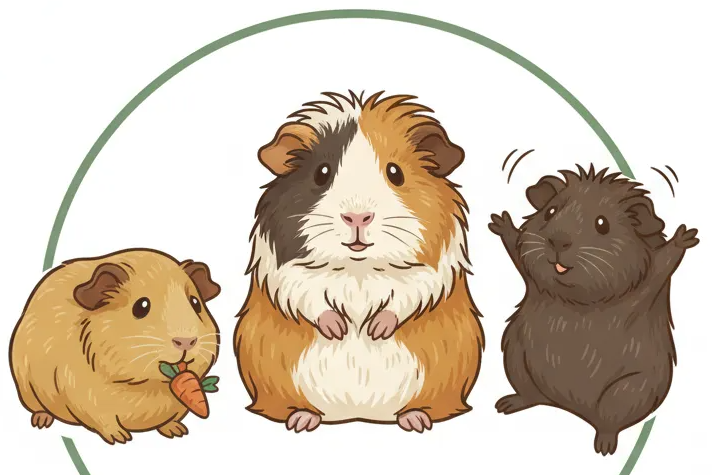
Hello CavyFam! Planning a getaway but feeling uneasy about leaving your guinea pig behind? I understand that worry completely, as I’ve navigated the same concerns with my own trio: Pepper, Clover, and Biscuit.
This article will guide you through a clear plan, covering selecting a caregiver, setting up a vacation-proof habitat, maintaining a fresh diet, and creating a simple health checklist. My advice comes from personal, lived experience ensuring my piggies’ well-being during my absences.
Weighing Your Guinea Pig Care Options for Vacation
-
You have three main paths for vacation care: hire a pet sitter, use a boarding facility, or rely on a well-stocked cage with minimal check-ins. Your choice balances cost, safety, and what fits your guinea pig’s unique personality best. This quick table helps you compare.
Option Cost Safety Level Best For Personality Pros Cons Pet Sitter Moderate High Social, outgoing pigs Daily interaction, familiar home Need a trusted person Boarding Facility Higher Very High All types, good for medical needs Professional monitoring, vet access New environment can stress some Solo Setup Low Riskier Very independent, short absences only Minimal disruption, low cost No daily health checks -
Match the option to your pig’s character. Social guinea pigs like my Clover crave daily chats and play, so leaving them without interaction feels unkind. Shyer pigs, such as Biscuit, often prefer a quiet, familiar cage. For Pepper’s steady nature, I chose a pet sitter for her gentle consistency during my weekend trips.
The Pet Sitter Route: In-Home Care
-
Find a sitter through vet offices, local pet groups, or apps with verified reviews. Ask potential sitters about their hands-on guinea pig experience and emergency response plan. For health checks, ensure they handle her safely. Gently cradle Clover with both hands—one under the chest and one supporting the hindquarters—to prevent slips. Daily check-ins are non-negotiable for refreshing food, water, and offering that critical social hello. I always show my sitter how Clover loves a chin scratch to ensure she gets her daily dose of joy.
Guinea Pig Boarding: Professional Facilities
-
A quality facility provides safe, spacious cages, unlimited hay, fresh veggies, and clear vet access. Visit before booking to smell the air, see the cleanliness, and ask about their daily schedule. Inquire if you can bring your pig’s favorite fleece or hide. I felt better boarding my herd once I saw a facility’s calm, organized routine firsthand.
The Solo Setup: For Very Short Trips
-
This method only works for under 24 hours with meticulous prep. You must ensure perfect temperature control and overload the cage with hay, water, and hideouts. I’ve used it for single nights, but I never leave without setting my thermostat to a steady 70°F and telling a neighbor just in case.
Preparing the Perfect Vacation Cage Setup
-
Clean the cage top to bottom before you go. Layer in extra soft bedding and create multiple hiding nooks to make your pigs feel secure and entertained. I strip and wash my fleece liners, then add a pile of fresh hay in a new corner for exploration. This simple enrichment cuts down on boredom stress.
-
Control the room’s climate like a hawk. Keep the area cool, ideally 65-75°F, and completely free from drafts or direct sunbeams. My herd’s room has blackout curtains and a small fan for circulation, never pointed right at them. A stable temperature prevents health scares while you’re gone.
Safety and Comfort Essentials
-
Use secure cage locks or clips to stop clever escapes. Offer a variety of chew toys made from safe wood or loofa to keep teeth trim and minds busy. Position the cage on a flat surface in a quiet spot, away from TVs or heaters. For my trio, I always include a woven grass tunnel-it’s a cozy hide and a tasty snack in one.
Stocking Up: Food, Water, and Daily Essentials
-
Gather everything your guinea pig needs before you leave to avoid any last-minute scrambles. I create a checklist for my trio-Pepper, Clover, and Biscuit-to ensure their bellies and spirits stay full. Your supply list must focus on freshness and abundance.
- Unlimited Timothy Hay: Fill a large rack or corner feeder. Hay keeps their gut moving and teeth worn down.
- Fresh Water: Use both a bottle and a heavy ceramic bowl as a backup. Change it daily right before you depart.
- Measured Pellets: Portion out plain timothy-based pellets in sealed containers for each day away.
- Pre-Portioned Veggies: Bag daily mixes of vitamin C-rich vegetables like bell peppers and romaine lettuce.
-
Automatic feeders or water dispensers can offer peace of mind, but view them as helpers, not replacements. Nothing beats a person confirming the water is clean and the hay is fluffy each day. I rely on a pet sitter because gadgets can jam or fail. My own routine involves washing and chopping veggies, then placing each day’s mix in a small zipper bag. This keeps the greens crisp and prevents overfeeding.
The Hay, Pellet, and Veggie Balance
-
Think of hay as the main course, pellets as a vitamin supplement, and veggies as the daily treat. Timothy hay must constitute about 80% of their diet to prevent serious digestive issues. Its rough texture is perfect for their constantly growing teeth. This is why hay is so important: its high fiber supports digestion and dental health, forming the core of a guinea pig diet. Without ample hay, they’re at risk of gut problems and tooth overgrowth.
-
Vitamin C is non-negotiable for guinea pigs since their bodies can’t produce it. A lack of this nutrient quickly leads to scurvy, making them lethargic and sore. I feed my group a quarter cup of fresh veggies per pig each day. Safe choices include green bell pepper, cilantro, and cucumber slices.
-
Pellets are dense and easy to overdo. Stick to one-eighth cup per adult guinea pig daily to avoid unhealthy weight gain. I learned this after Biscuit started gaining a bit too much weight from extra pellets. So, how much should a guinea pig eat daily? A small, measured portion helps keep them healthy and leaves room for hay and veggies. Always choose plain pellets without colorful bits or seeds.
Enrichment for Mental Stimulation
-
A bored guinea pig is a sad guinea pig, especially when their routine is disrupted. Simple, safe toys encourage natural foraging and play behaviors during your absence. I often leave paper bags stuffed with hay or a willow ball for them to nibble and push around. These ideas are part of the ultimate guide guinea pig foraging toys activities. It covers more DIY and store-bought foraging options to suit different piggies.
-
These activities mimic wild grazing and keep their minds active. The crinkle of paper and smell of fresh willow provide great sensory engagement for curious pets. Clover, my Abyssinian, loves investigating new textures in her cage.
-
The single best source of enrichment is another guinea pig. Companionship offers constant social interaction, which is vital for their emotional health. Watching Pepper and Biscuit snuggle or popcorn together always reassures me they are content. If your guinea pig lives alone, please consider adopting a friend-it’s a core part of animal welfare.
Finding and Training Your Guinea Pig Sitter
Leaving your pets is stressful, but the right person makes all the difference. Your goal is to find someone who sees this not as a chore, but as a privilege to care for your little family. I never just pick the first willing friend; I look for specific qualities.
-
Vet Your Sitter Candidates
Ask direct questions about their experience with small animals. A good candidate shows curiosity, asks about your pigs’ routines, and expresses genuine interest. Prior pet-sitting experience is a bonus, but a calm, attentive, and responsible attitude is the real requirement. During a trial, I look for signs the guinea pig enjoys being petted—relaxed posture, leaning into the hand, and soft noises. If they pull away or stiffen, I back off. I always check their availability for a trial run before I book anything.
-
Craft a Comprehensive “Piggy Manual”
This is your most important tool. Mine is a simple binder with clear sections. The first page has photos of Pepper, Clover, and Biscuit with their vital stats. I explain that Pepper, my steady American, is the easy-going leader, while Clover the Abyssinian is graceful but shy and needs a slower approach. I note that Biscuit, my reserved Peruvian, loves her hideout and shouldn’t be forced into cuddles. This personality guide helps the sitter understand their different comfort levels.
-
Conduct a Trial Run
Schedule at least one visit before you leave. Have the sitter follow your care guide with you there to coach them. Watch how they handle the hay, refill water bottles, and attempt to interact with each pig. This trial catches confusion and builds the sitter’s confidence, which directly translates to your pigs feeling secure.
Creating a Clear Care Instruction Sheet
Clarity prevents mistakes. My instruction sheet leaves no room for guesswork and lives on the front of the piggy manual.
- Feeding Schedule & Quantities: I use a simple table. For example: “Each morning, 1 cup fresh veggies total for all three pigs (see veggie list). Each evening, top up unlimited timothy hay. 1/8 cup plain pellets per pig in their communal bowl.”
- Emergency Contacts: List your vet’s name, address, phone, and your own contact info. I also include a trusted backup neighbor who knows my pigs.
- Veterinary Care Info: Provide a signed note authorizing the sitter to seek emergency care for your pets, along with your preferred payment method.
- Signs of Illness: Bullet points are key: Not eating or drinking, lethargy, wetness around mouth/chin, loud teeth grinding, labored breathing, diarrhea.
- Daily Task Reminder: A simple checklist works wonders: AM: Fresh water, veggies, spot clean poops. PM: Top up hay, check pellets, social time, final poop sweep.
The Handover Meeting
This is your final briefing. Stay calm-your pigs will pick up on your energy. Start by quietly introducing the sitter, letting your pigs sniff their hand while you offer a favorite veggie treat. I show exactly where every supply is kept: extra hay, pellets, backup water bottles, cleaning tools, and the carrier for emergencies.
I demonstrate gentle handling, supporting the entire body, and emphasize never chasing or grabbing. Thorough training here is your ticket to peace of mind; you’ll know your unique herd’s needs are understood. I always end by thanking the sitter sincerely, which reinforces how much these little lives mean to me.
Considering Guinea Pig Boarding Facilities

Sometimes, having a pet sitter come to your home isn’t the best fit. Boarding your guinea pigs at a dedicated facility can be a fantastic alternative, offering round-the-clock care in a stimulating environment. From my own experience, choosing the right boarding facility comes down to three things: sparkling cleanliness, knowledgeable staff, and a commitment to the specific social and dietary needs of guinea pigs. It’s a different vibe than in-home care, and some pigs, like my steady boy Pepper, truly thrive on the new sights and sounds. Guinea Pig Sitting 101 is a handy checklist you can share with your caregiver. It covers prep, feeding, housing, and enrichment to keep your cavy safe and happy while you’re away.
-
How to Evaluate a Boarding Facility
Your first visit should be like a detective’s investigation. Look beyond the front desk. A clean facility shouldn’t just look clean; it should smell clean and fresh, not like overwhelming disinfectant or, worse, lingering waste. Don’t be shy about asking staff direct questions about their experience with “exotics” or small animals-general cat and dog knowledge doesn’t always translate. Crucially, confirm they provide unlimited timothy hay, fresh daily vegetables (ask what kind!), and that the pigs aren’t just left in cages. Social interaction or supervised floor time is non-negotiable for their wellbeing. When I was comparing boarding to a pet sitter for my trio, the main difference was constant human presence versus scheduled visits, which can be better for more social or anxious pigs.
-
Preparing Your Pig for Their “Staycation”
A little preparation can turn a potentially stressful trip into a fun adventure for your cavy. Pack a bag with their familiar, unwashed bedding or fleece liner-that home scent is a powerful comfort. Always include a favorite hidey house or chew toy; a piece of your recently worn t-shirt in their sleeping area can work wonders for nervous pigs like my thoughtful Clover. Provide very clear, written instructions on their diet, including exact veggie portions and any medications. Boarding can be excellent for pigs who are curious and enjoy new environments, but I’d think twice for a very timid pig unless the facility is exceptionally calm and quiet.
Questions to Ask Any Boarding Service
Arm yourself with this checklist before you book. Getting clear answers will give you immense peace of mind while you’re away.
- How often are cages spot-cleaned and fully changed? Daily spot-cleaning is a must.
- What is the exact daily diet? They should list specific veggies (e.g., romaine, bell pepper) and brand of pellets.
- Is there a veterinarian on call, and which clinic do you use? Know the plan for emergencies.
- How much supervised exercise or out-of-cage time do the pigs get each day? It should be a dedicated period, not just when convenient.
- How do you handle guinea pigs who are shy or don’t like being held? Their answer shows their patience and animal-handling philosophy.
- Can you accommodate my pig’s bonded friend in the same enclosure? Never separate bonded pairs!
- May I see the actual housing area where my pets will stay? If they hesitate, consider it a red flag.
Creating a Solid Emergency and Safety Plan
-
Never leave your guinea pigs without a clear emergency plan. From my years with Pepper, Clover, and Biscuit, I know their health can change fast, and a prepared sitter makes all the difference. Create a physical document listing your regular vet’s number, a nearby after-hours clinic contact, and unmistakable symptoms like wheezing, lethargy, or not eating that demand a vet visit now. Regular vet visits should be part of every guinea pig’s complete care schedule, with routine checkups and preventative care. This helps catch problems early and keeps Pepper, Clover, and Biscuit thriving.
-
Arrange for daily updates from your caregiver. A simple evening text or call confirms your pets are safe and lets you catch small issues before they grow. I always provide a signed veterinary release form; this lets a sitter get my guinea pigs care immediately if I cannot be reached.
The Emergency Contact Document
- Your name, mobile number, and where you’re staying on vacation.
- Your veterinarian’s full name, clinic address, and direct phone line.
- Detailed descriptions for each pet. For my crew, I write: “Pepper is golden brown, steady; Clover is light brown, thoughtful; Biscuit is dark brown, reserved but smart.” This helps anyone recognize them and notice odd behavior.
- A bold list of any medications, exact doses, and known allergies. Include the pharmacy name if a refill might be needed.
Daily Monitoring and Quick Tips
- Verify the water bottle works and is full each morning. Guinea pigs drink often, and a blocked sipper tube can cause trouble fast.
- Top up the hay rack completely. Fresh, unlimited hay keeps their gut moving and teeth worn down properly. My three get a big pile of timothy hay daily.
- Serve a cup of fresh vegetables per pig. I mix leafy greens with vitamin C-rich peppers, which Clover especially loves.
- Watch their habits for five minutes. Healthy guinea pigs popcorn, graze, and vocalize; silent stillness or hiding needs a closer look.
- Do a swift spot clean of wet bedding and droppings. A clean cage prevents stress and lets you monitor their output for health signs.
FAQs
Can I rely on an automatic feeder for my guinea pig’s food while I’m on vacation?
Automatic feeders can dispense pellets consistently, but they should not be the sole food source. Always pair them with daily human checks to ensure proper function and fresh vegetable supply.
How can I monitor my guinea pig’s health remotely while on vacation?
Set up a pet camera to observe their activity and eating habits directly from your phone. Additionally, require your caregiver to send daily text updates or photos to confirm all is well.
What are the signs that my guinea pig is not adjusting well to vacation care?
Key indicators include a sudden lack of appetite, unusual lethargy, or excessive hiding without interaction. If noticed, your sitter should follow the emergency plan and contact a vet promptly.
Your Guinea Pigs’ Comfort Is Just a Plan Away
Based on my time with steady Pepper and thoughtful Biscuit, I always line up a trusted sitter and prep extra food and cozy hideouts before any trip. A well-stocked habitat and clear care instructions let you relax, knowing your pets are safe and sound.
Owning guinea pigs deepens your respect for all creatures, so I encourage you to seek out sustainable care tips, like using safe, plant-based cleaners. Properly caring for guinea pigs means providing a balanced diet, clean cages, and regular veterinary checkups. Gentle handling and a little supervised time outside their cage supports their wellbeing. Every small, green choice you make for their home contributes to a kinder world for pets and wildlife alike.
Further Reading & Sources
- r/guineapigs on Reddit: What do you guys do with your piggies on vacation?
- General – How can I take my pigs with me on vacation?
- What to do with Guinea Pig While on Vacation – Options, Tips – I C Cinnamon
- How long can you leave a guinea pig alone for? Holiday tips and expert advice | Blog | Burgess Pet Care
Kate is a passionate guinea pig owner and advocate for small pet welfare. With over a decade of experience caring for guinea pigs, she has become a trusted voice in the small pet community.