How Much Vitamin C Do Guinea Pigs Need Daily
Published on: January 25, 2026 | Last Updated: January 25, 2026
Written By: Kate M. Callahan
Hello CavyFam! Are you wondering exactly how much vitamin C your guinea pig requires each day to stay healthy? It’s a common worry because, unlike humans, they can’t produce this essential nutrient on their own.
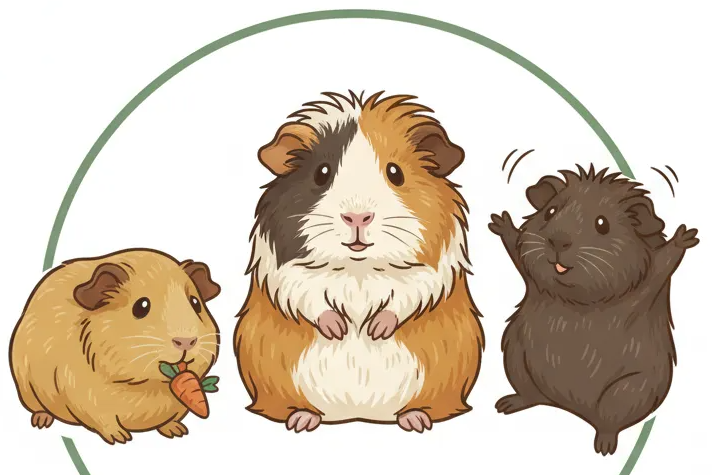
In this article, I’ll cover the precise daily dosage, signs of deficiency to watch for, and the best natural food sources. With years of hands-on experience caring for my own guinea pigs like Pepper, Clover, and Biscuit, I’m here to share practical, vet-approved advice to keep your furry friends thriving.
Why Guinea Pigs Must Have Daily Vitamin C
Guinea pigs, like my own Clover and Biscuit, cannot produce their own vitamin C. Their bodies lack the enzyme needed to synthesize it, making them entirely dependent on their diet for this vital nutrient. Without a consistent daily supply, their health can decline rapidly.
I learned this the hard way when Pepper seemed a bit off-less active and his coat lost its shine. A vitamin C deficiency, known as scurvy, can cause lethargy, poor wound healing, and even joint pain in your pets. It’s a preventable condition that no guinea pig should endure.
Vitamin C is crucial for collagen production, which supports healthy skin, joints, and blood vessels. Think of it as the glue that holds their little bodies together and keeps them scampering happily. A steady daily intake ensures they stay vibrant and full of life.
Determining the Right Daily Vitamin C Amount
Most healthy adult guinea pigs need between 10 and 30 mg of vitamin C per kilogram of body weight each day. For an average guinea pig, this typically translates to about 25-30 mg of vitamin C daily. I usually aim for the higher end to be safe, especially for my active trio. That said, vitamin C is just one part of an ideal overall diet for a healthy guinea pig. A good diet emphasizes plenty of hay, plus fresh greens and a measured amount of fortified pellets.
You can split this into two smaller doses to ensure steady absorption. I give my guinea pigs their vitamin C in the morning and evening, mixing it with their favorite veggies for easy consumption. This routine keeps their levels stable and prevents any midday slumps.
Factors Affecting Vitamin C Requirements
- Age: Young, growing guinea pigs and seniors often need more support. Biscuit, my youngest, gets a slightly higher dose to aid his development.
- Health Status: Illness, stress, or recovery from injury increases their needs. When Clover had a minor scrape, I boosted her vitamin C to help with healing.
- Pregnancy: Pregnant or nursing mothers require significantly more-sometimes up to 50 mg daily-to support themselves and their babies.
- Environmental Stress: Changes in their home, like new pets or loud noises, can deplete vitamin C levels faster.
Always observe your guinea pigs closely and adjust their intake based on their individual needs. Properly caring for guinea pigs also means monitoring their health, providing fresh water, clean housing, and enrichment. Your careful attention to these details can make all the difference in their long-term health and happiness.
Top Natural Sources of Vitamin C in a Guinea Pig Diet
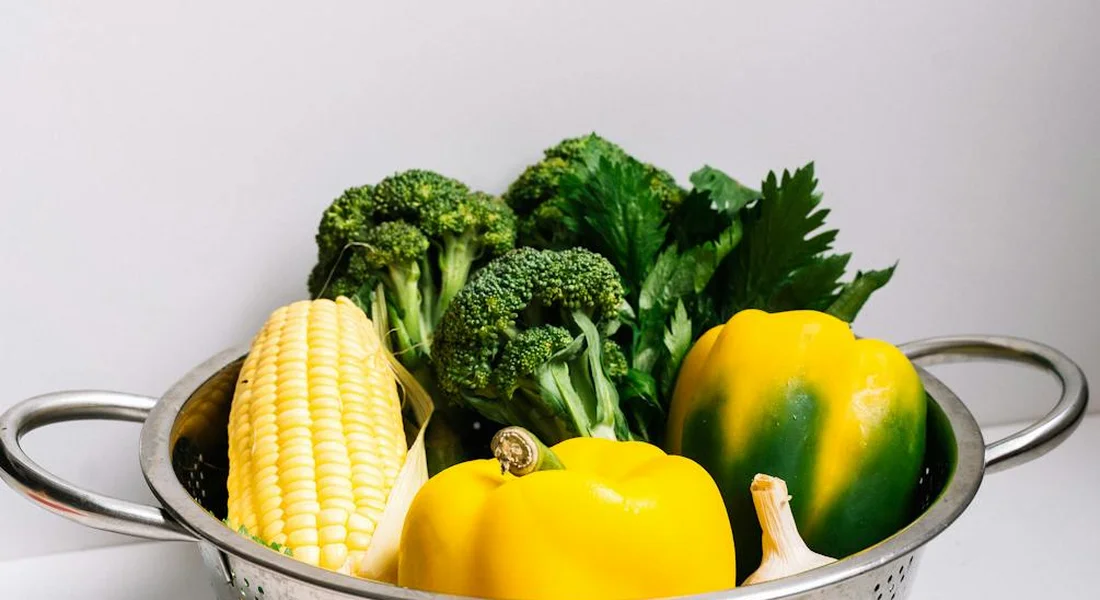
Fresh vegetables are your best tool for providing natural vitamin C. I always feed my guinea pigs a colorful mix of fresh veggies every single day to ensure they get what they need. Variety is crucial because it prevents boredom and covers different nutritional bases.
Incorporating Hay and Pellets for Balanced Nutrition
Timothy hay should form the bulk of your guinea pig’s diet, but it’s very low in Vitamin C. High-quality, fortified guinea pig pellets are a vital backup source of this essential nutrient. I check the packaging to ensure Vitamin C is listed and the pellets are fresh, as the potency degrades over time. For extra assurance, many owners use essential vitamin supplements for guinea pigs to help maintain Vitamin C levels, especially when fresh produce is limited. Always consult a vet for proper dosage and brand recommendations.
Here is a simple daily feeding plan I use for my own herd:
- Unlimited Timothy Hay: Supports dental and digestive health.
- 1/8 Cup of Fortified Pellets per Pig: Provides a baseline of vitamins and minerals.
- 1 Cup of Fresh Vegetables: This is where the real Vitamin C power comes from.
Using Vitamin C Supplements Safely
Supplements are a fantastic safety net, especially for older pigs or picky eaters. I keep a bottle of liquid Vitamin C designed for small animals in my fridge for days when their veggie intake seems light. Never use human supplements, as the dosage and additives can be harmful. Remember that supplements can’t replace a balanced diet. It’s helpful to review the top 10 guinea pig diet mistakes that lead to serious health issues.
Look for these key features in a quality supplement:
- Specifically formulated for guinea pigs or small animals.
- Contains no added sugar or artificial flavors.
- Is in a dark bottle to protect it from light degradation.
Step-by-Step Guide to Administering Supplements
Giving supplements can be stress-free for both you and your pet. My pig, Biscuit, was initially skeptical, but now he eagerly takes his liquid Vitamin C from a syringe. Patience and a gentle approach make all the difference.
- Consult your veterinarian for the correct dosage based on your guinea pig’s weight and health.
- Draw the precise amount into a small, plastic oral syringe.
- Gently hold your guinea pig, supporting its back and feet.
- Place the syringe tip gently at the side of the mouth, behind the front teeth.
- Slowly depress the plunger, allowing them to swallow at their own pace.
- Always offer a favorite vegetable or a small piece of fruit as a positive reward afterward.
You can also mix a liquid supplement directly into their daily water. The critical thing to remember with this method is to change the water at least twice daily, as Vitamin C breaks down quickly in water. I prefer direct syringe feeding to guarantee they get the full, fresh dose.
Spotting and Addressing Vitamin C Deficiency
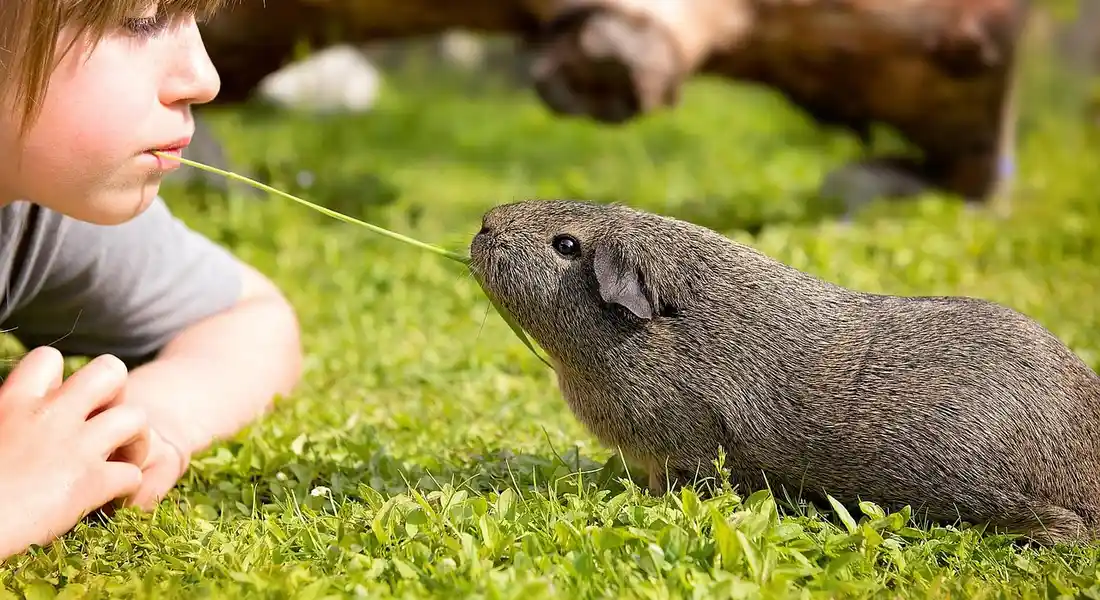
I once noticed my guinea pig, Pepper, was less active and seemed to have a rough-looking coat. These subtle changes can be early warnings that your pet’s vitamin C levels are dropping. A deficiency, called scurvy, can develop quickly because their bodies can’t store this essential nutrient.
Common Signs of Deficiency
Watch for these physical and behavioral changes in your guinea pig:
- Lethargy or reluctance to move
- Poor, rough coat condition with hair loss
- Swollen joints or difficulty walking
- Decreased appetite and weight loss
- Bleeding gums or loose teeth
Any combination of these symptoms warrants an immediate veterinary visit for proper diagnosis and treatment. Your vet can provide precise vitamin C supplementation to get your pet back on track.
Why Deficiency Happens
Understanding the causes helps you prevent problems before they start.
- Feeding old pellets or produce that has lost its vitamin C content
- Insufficient fresh vegetables and fruits in the daily diet
- Illness or stress increasing their nutritional needs
- Poor quality food without stabilized vitamin C
Proper storage of guinea pig food in a cool, dark place helps preserve its nutritional value. I keep my pellets in an airtight container away from sunlight to maintain freshness for Clover and Biscuit, along with other essential items from their list of guinea pig supplies.
Preventing Vitamin C Overdose and Imbalance
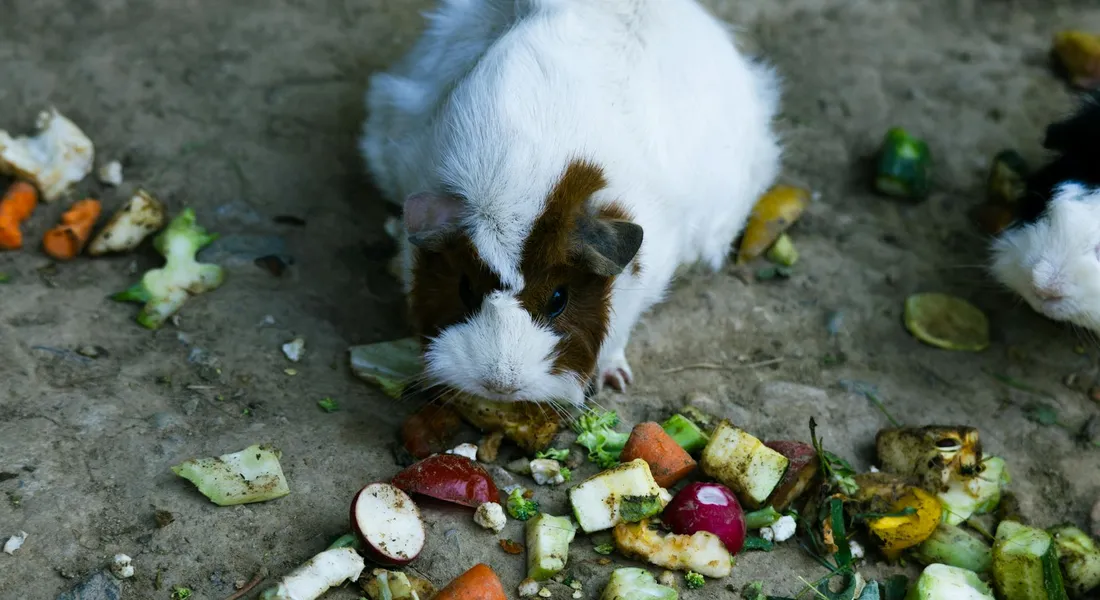
While rare, giving too much vitamin C can cause its own set of problems. Your guinea pig’s body will excrete excess vitamin C through urine, but extremely high doses may lead to kidney stones or digestive upset. Balance is key to their long-term health.
Safe Supplementation Practices
If you supplement beyond their regular diet, follow these guidelines:
- Use liquid vitamin C designed for small animals, added to their water or directly administered
- Choose vitamin C tablets made specifically for guinea pigs, not human supplements
- Never exceed your veterinarian’s recommended dosage
- Monitor your pet’s response to any new supplements
Fresh vegetables remain the safest and most natural way to meet their vitamin C requirements. I rotate bell peppers, kale, and parsley in my guinea pigs’ diet to provide variety and adequate nutrition. Safe greens like romaine, cilantro, and dandelion greens can be included alongside these staples to boost variety. This helps ensure a balanced, guinea pig–friendly diet.
Recognizing Overdose Symptoms
Though uncommon, be aware of these potential signs of excess vitamin C:
- Diarrhea or soft stools
- Increased urination
- Lethargy or unusual behavior changes
- Loss of appetite
Always consult your veterinarian before starting any new supplementation regimen. They can help you determine if your guinea pig needs extra support beyond their regular diet. When you bring home a new guinea pig, schedule their first veterinary check-up. This visit establishes a health baseline and helps tailor nutrition and supplements to their needs.
Building a Daily Vitamin C Routine for Your Guinea Pig
My own guinea pigs, Pepper, Clover, and Biscuit, taught me that consistency is everything. Establishing a simple, repeatable routine is the single best way to ensure your piggy gets their essential vitamin C every single day. For weekly care, I rely on a weekly guinea pig care checklist that every owner can use. This keeps the routine clear and ensures nothing vital is missed.
Choose Your Supplement Strategy
You have a couple of reliable options for delivering that daily dose. I’ve used both methods over the years.
- Vitamin C Tablets: These are my go-to for precision. You can find plain vitamin C tablets made specifically for small animals. I give one to each of my pigs directly, and they see it as a special treat.
- Liquid Drops: These can be easily added to their fresh water bottle. Be cautious with this method, as some pigs might detect the slight change in taste and drink less. I find it works best if you have a single pig who isn’t a picky drinker.
Incorporate Vitamin C-Rich Foods
Supplements are a safety net, but fresh food is the foundation. Think of high-vitamin C veggies as the main event and supplements as the reliable backup. Here are the staples I rotate through for my trio.
- Bell Peppers: The ultimate champion! All colors are great, but red and yellow are typically highest. Remove the seeds and stem first.
- Kale: A powerhouse green, but feed in moderation due to calcium content. My girl Clover adores a small leaf a few times a week.
- Broccoli: Offer the florets sparingly to avoid gas. Biscuit is particularly fond of a tiny, tree-like piece.
- Strawberries: A sweet, occasional treat. One small berry per pig is a delightful source of extra C.
Practical Daily Routine Steps
This is the exact flow I follow each morning for my herd. It becomes second nature.
- First, refresh their hay. Unlimited timothy hay is non-negotiable for digestion and dental health.
- Prepare their daily vegetable portion. I chop a mix of bell pepper, romaine lettuce, and a rotating green.
- Place the fresh veggies in their dish. I hand-feed Pepper his vitamin C tablet right at this moment-he gets so excited.
- Finally, provide a measured amount of high-quality guinea pig pellets.
Feeding them at roughly the same time each day helps regulate their system and builds a comforting expectation. You’ll soon learn their unique excited wheeks when they hear the fridge open!
FAQs
What are vitamin C cookies for guinea pigs?
Vitamin C cookies are specially formulated treats designed to provide a supplemental source of vitamin C in a palatable form. They should be used occasionally and not replace fresh vegetables in your guinea pig’s daily diet.
How do I use vitamin C drops for my guinea pig?
Vitamin C drops can be added to your guinea pig’s drinking water or administered directly into their mouth using a syringe. Always follow the product’s dosage instructions and change the water frequently to maintain potency. Use clean, safe water—if you’re on tap, ensure your filtration keeps it free of contaminants. Regularly test water quality so your guinea pigs drink only safe water.
What are the symptoms of vitamin C deficiency in guinea pigs?
Symptoms often include lethargy, a rough or unkempt coat, and difficulty moving due to joint pain. If you observe these signs, seek veterinary care promptly to address the deficiency.
How can I prevent vitamin C overdose in guinea pigs?
Prevent overdose by adhering to recommended supplement doses and prioritizing vitamin C from fresh vegetables. Watch for symptoms like diarrhea or loss of appetite, and consult a vet if concerns arise.
What is the best food list for vitamin C for guinea pigs?
Excellent sources include bell peppers, kale, and parsley, which are rich in vitamin C and safe for daily consumption. Incorporate a variety of these vegetables to ensure a balanced and nutritious diet.
Your Guinea Pig’s Vitamin C Health Wrap-Up
Guinea pigs need a daily dose of 10-30 mg of vitamin C from fresh veggies like bell peppers or fortified pellets to stay scurvy-free. A balanced daily intake also has to meet their calorie needs, which mainly come from hay and approved pellets to keep energy steady. I’ve seen with Pepper and Clover how this simple routine keeps them energetic and healthy year-round.
Always prioritize learning about their care and choose eco-friendly practices, like using sustainable bedding or buying local produce. From my time with Biscuit, I know that staying curious and kind makes you a better guardian for your pets and the earth.
Further Reading & Sources
- Vitamin C Deficiency in Guinea Pigs | PetMD
- VITAMIN C Recommendations for Guinea Pigs | Arizona Exotics | -Guinea Pigs Resources
- Vitamin C Supplements for Guinea Pigs – Veterinary Partner – VIN
- Why do guinea pigs need vitamin C? | Supreme Petfoods
Kate is a passionate guinea pig owner and advocate for small pet welfare. With over a decade of experience caring for guinea pigs, she has become a trusted voice in the small pet community.
Uncategorized