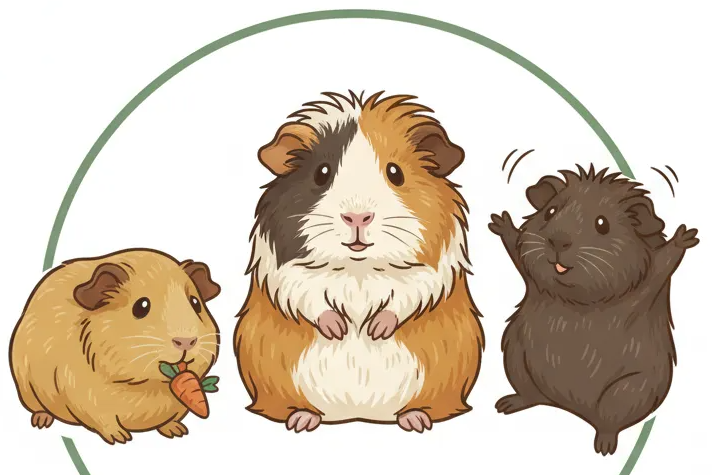
Protect Your Guinea Pig’s Eyes from Hay Poke
Hello CavyFam! Seeing your guinea pig squinting or with a weepy eye can be a real scare. You’re right to be concerned, as hay poke is a common and painful injury for our furry friends.
In this guide, I’ll walk you through spotting the early signs, taking immediate action, handling hay more safely, and building a long-term prevention plan. I’ve dealt with this myself with my own herd, so I can share what truly works from hands-on experience.
Understanding Hay Poke Eye Injury
A hay poke eye injury happens when a sharp piece of hay or straw physically scratches your guinea pig’s cornea, which is the clear surface of their eye.
The rigid, pointed ends of hay stalks act like tiny spears that can easily jab into the eye during normal activities like burrowing or eating. This direct physical trauma causes immediate pain, swelling, and a high risk of serious infection if left untreated.
I first noticed something was wrong with my guinea pig, Biscuit, when he kept one eye tightly shut and seemed to flinch away from his food. That subtle squinting was my first real-world lesson in how quickly a simple piece of hay can turn into a major health emergency.
Essential Daily Practices for Eye Safety
-
Perform a daily visual inspection of your guinea pig’s eyes. I make this part of my morning routine when I refill their pellets. Healthy eyes are essential for good vision in guinea pigs, helping them see their surroundings clearly. Noticing changes early supports their comfort and daily activity. Look for clear, bright eyes with no discharge, squinting, or cloudiness, catching problems before they escalate.
-
Handle and place hay carefully to minimize loose, pointed pieces. I always fluff and break apart hay clumps with my hands before putting it in their rack. This simple action shakes out many of the sharp, fragmented ends that pose the greatest poking hazard.
-
Maintain a clean habitat to reduce eye irritation risks. Soiled bedding can release dust and ammonia fumes that irritate eyes, making them more vulnerable. A fresh, dry cage environment is a foundational defense against all sorts of minor irritations becoming major injuries.
Choosing the Right Hay to Minimize Risk
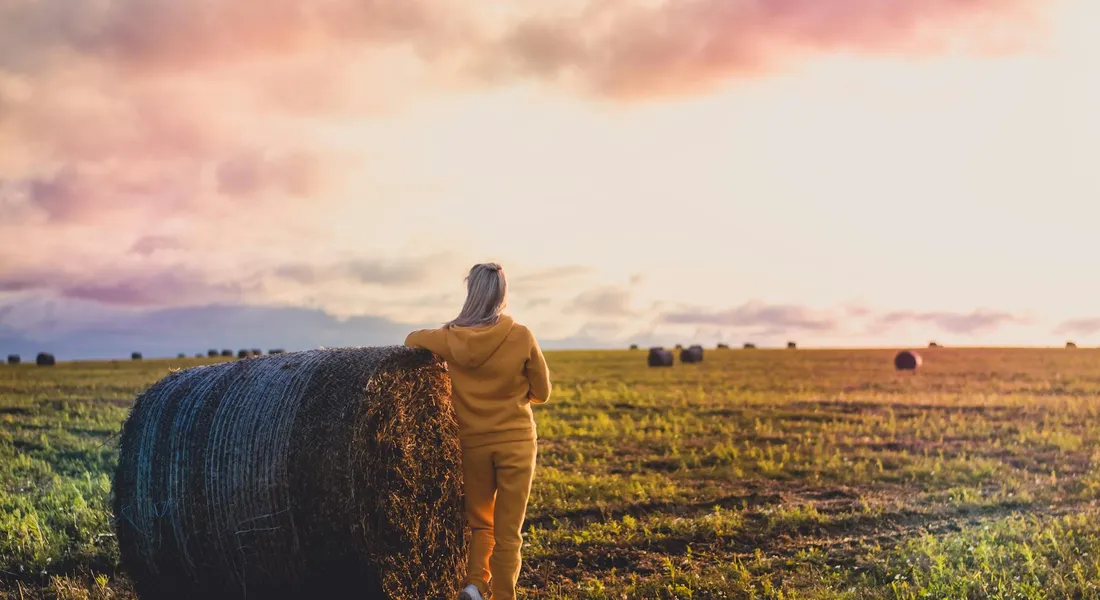
Not all hay is created equal when it comes to protecting your guinea pig’s delicate eyes. The stiffness and stem-to-leaf ratio of the hay are the most critical factors for preventing painful injuries. I learned this the hard way when a particularly stemmy batch of hay led to a scare with my gentle boy, Pepper.
Comparing Hay Types and Their Stiffness
Different hays have vastly different textures and structural properties.
- Timothy Hay: A common choice, but quality varies widely. Coarse, first-cut timothy is full of thick, rigid stems that pose the highest risk. Softer, second-cut timothy is a much safer option with more leafy material.
- Orchard Grass Hay: This is my top recommendation for safety. The strands are softer, more pliable, and far less likely to spear into an eye. My graceful girl, Clover, exclusively eats orchard grass now.
- Meadow Hay: Often a softer mix of grasses and herbs, but you must check each bag for sharp, stalky pieces hidden within the blend.
- Oat Hay: Can contain very stiff, hollow stems. I only offer this to my guinea pigs as a rare treat and I meticulously sort through it first.
How to Select Softer, Leafier Hay
You can’t judge a hay bale by its packaging. Always look for hay that is a vibrant green color and feels soft to the touch, almost like dried herbs. Avoid any bags that feel crunchy or sound rustly and sharp when you squeeze them. I open the bag right in the store to get a good look and feel, because my piggies’ comfort is worth the odd glance from other shoppers.
The Texture and Feel of Safer Hay Options
Safe hay should feel forgiving. Run a small handful through your fingers. Ideal hay is soft, leafy, and bends easily without snapping into sharp points. It has a gentle, almost sweet smell. To choose the best hay for your guinea pig, look for soft, leafy green bundles. Check for freshness: green color, pleasant aroma, and minimal dust. If the strands are wiry, poke your skin, or break into stiff, needle-like fragments, it is a significant hazard for hay poke. For my reserved Peruvian, Biscuit, I even go a step further and gently crumble the hay with my hands before placing it in his enclosure to break up any potential sharp ends.
Safe Hay Feeding Methods and Tools
Even the softest hay can become a hazard if it’s presented incorrectly. Proper feeding techniques are your second line of defense against eye injuries. After my experience with Pepper, I revamped my entire feeding setup to prioritize safety.
-
Use Hay Racks and Feeders to Keep Hay Contained
A good hay rack is a game-changer. Choose a rack with narrow slats or a mesh design that allows your guinea pig to pull out small mouthfuls without dragging long, dangerous strands. Avoid open baskets or piles on the cage floor where piggies can burrow in and get poked from all angles. I use a wall-mounted rack that keeps the hay tidy and elevated. When you pair a sturdy hay rack with the right bedding, you’ll have one of the best hay rack bedding solutions for guinea pigs. Choose dust-free, absorbent bedding to keep the cage clean and make hay access easier.
-
Position Feeding Stations at Safe Heights and Angles
Where you place the hay rack matters immensely. Position the opening of the hay rack level with your guinea pig’s head when they are in a natural, four-paws-on-the-floor standing position. This prevents them from having to reach up or crane their neck into a pile of hay, which directly angles stray pieces toward their eyes. Never place a hay rack directly above where they sleep or hide. Doing so helps prevent common hay-related health problems, such as eye irritation from stray pieces and respiratory issues from dusty hay. It also reduces the risk of choking on long stems.
-
Monitor Your Guinea Pig’s Eating Posture and Behavior
Watch how your pet eats. A healthy guinea pig will eagerly munch with its head tucked down, pulling hay into its mouth. Be alert for any new behavior like hesitant eating, squinting, or repeatedly pawing at one eye after visiting the hay rack. These are immediate red flags that something is wrong, either with the hay or the feeding setup. I make a habit of observing each of my three during their evening munch time; it’s especially important to watch for signs when troubleshooting why they’re not eating hay.
Creating a Hazard-Free Habitat Setup
Setting up your guinea pig’s cage thoughtfully can drastically cut the risk of hay poke injuries. I’ve seen with Pepper, Clover, and Biscuit that a clean, organized space keeps their eyes safe and their spirits high, especially when it’s a multi-level setup.
- Arrange cage furniture to prevent hay from falling into sleeping areas. Place hay racks or feeders on the opposite side from hideouts and beds. For gentle Pepper, I position his hay high up so stray pieces don’t drift into his cozy corner.
- Select appropriate bedding that doesn’t interact dangerously with hay. Opt for low-dust, absorbent materials like fleece liners or paper bedding. With graceful Clover, I use fleece because it doesn’t trap hay and is easy to shake out during cleanings.
- Design play areas that separate eating from resting spaces. Use tunnels or barriers to create distinct zones in the cage. For reserved Biscuit, I set up a dedicated munching spot far from her sleep area, reducing hay contact near her face.
Recognizing and Responding to Eye Injuries

Quick action is vital if you suspect a hay poke, as delays can lead to infections or vision loss. When Biscuit once squinted and rubbed her eye, I learned that early care can ease discomfort and prevent complications.
- Identify the immediate signs of a hay poke injury. Look for squinting, redness, watery discharge, or your guinea pig pawing at its eye. With thoughtful Clover, I noticed her avoiding bright lights, which was a clear warning.
- Provide initial at-home care steps while awaiting veterinary attention. Gently wipe the area with a clean, damp cloth and avoid using any harsh chemicals. For steady Pepper, I kept him in a quiet, dim space to reduce stress until we reached the vet.
- Know when to seek emergency veterinary care. Head to the vet immediately if there’s bleeding, swelling, or your guinea pig stops eating or drinking. When intelligent Biscuit refused her favorite veggies, I knew it was time for urgent help.
Long-Term Prevention and Monitoring
Keeping your guinea pigs safe from hay poke eye injuries isn’t a one-time task-it’s an ongoing commitment that evolves with your pets. Regular monitoring helps you catch small issues before they become big problems, ensuring your furry friends stay comfortable and healthy. This includes knowing how to properly handle them during health checks. I’ve found that a consistent approach makes all the difference, especially with my own herd of Pepper, Clover, and Biscuit, each with their unique needs.
Establish a Routine for Ongoing Eye Safety Checks
Set up a simple daily or weekly check to examine your guinea pigs’ eyes for any signs of irritation or injury. I make it a habit to look closely at their eyes every morning when I refill their hay, using a gentle touch to part the fur around the eye area. It’s important to understand their eye structure since guinea pigs have unique eyelids and blinking patterns. Here’s a quick routine I follow:
- Check for redness, swelling, or discharge around the eyes.
- Observe if your guinea pig is squinting or rubbing its face more than usual.
- Use a soft, damp cloth to wipe away any debris gently.
With Pepper, who’s gentle and steady, I can do this easily during cuddle time, but for more reserved pigs like Biscuit, I wait until she’s relaxed in her hideout. Consistency in these checks builds trust and helps you spot changes early.
Adjust Prevention Strategies as Your Guinea Pig Ages
As guinea pigs get older, their eyes and overall health can become more vulnerable, so your prevention methods need to adapt. Older pigs like Clover, who’s three, may develop thinner skin or slower healing, making them more prone to injuries from sharp hay strands. I’ve shifted to using softer hay types and placing it in lower, easier-to-reach racks to reduce strain. Consider these age-related adjustments:
- Switch to finer, less abrasive hay for seniors to minimize poke risks.
- Increase the frequency of cage cleanings to keep the environment dust-free.
- Provide more resting spots with soft bedding to support their comfort.
When Biscuit was younger, I could be less vigilant, but now I’m extra careful with her reserved nature. Tailoring your care to their life stage ensures they age gracefully without unnecessary stress.
Track Any Recurring Issues or Sensitive Individuals in Your Herd
Keep a basic log of eye health incidents to identify patterns or particularly sensitive guinea pigs in your group. Noting down when issues arise helps you pinpoint triggers, like certain hay batches or environmental changes, and take proactive steps. For example, I’ve tracked that Clover, with her graceful demeanor, tends to have mild eye irritation in dusty conditions, so I now use a hay feeder that reduces airborne particles. Here’s how to track effectively:
- Jot down dates and details of any eye problems in a notebook or digital app.
- Note which guinea pigs are affected and any possible causes, like new hay sources.
- Share this info with your vet during check-ups for tailored advice.
Biscuit’s intelligence means she avoids rough hay, but I still monitor her closely due to her reserved personality. By understanding individual sensitivities, you can prevent repeat injuries and advocate for their well-being with confidence.
FAQs
Can hay poke cause permanent damage to my guinea pig’s eye?
Yes, if left untreated, a hay poke injury can lead to corneal ulcers or infections that may result in permanent vision loss or blindness. Prompt veterinary care is essential to prevent complications and ensure proper healing.
How can I identify if my guinea pig is more susceptible to hay poke?
Guinea pigs with prominent or bulging eyes, such as some breeds or older individuals, may be at higher risk due to reduced eye protection. Observing frequent squinting or rubbing after hay contact can also indicate heightened sensitivity. Eye health is an important concern for guinea pigs, and while blindness isn’t typical, they can develop issues that affect vision. Regular checks and prompt veterinary care are essential.
What are common mistakes to avoid when treating a suspected hay poke injury?
Avoid using human eye drops or ointments, as they can irritate or harm your guinea pig’s eye. Do not attempt to remove any embedded hay yourself, as this could worsen the injury and increase infection risk.
Your Guinea Pig’s Eyes Deserve the Best Care
Always inspect hay for sharp pieces before feeding and use safe hay racks to reduce injury risks. These simple daily checks can protect your pet from painful eye issues and ensure their comfort.
Stay curious about guinea pig care by exploring eco-friendly options, like reusable bedding or locally sourced hay. Properly caring for guinea pigs means balancing comfort with nutrition and companionship. From my time with Pepper, Clover, and Biscuit, I’ve found that small, sustainable choices make pet ownership kinder to animals and the earth.
Further Reading & Sources
- How to identify and treat hay poke in guinea pigs
- Hay Poke
- Guinea Pig Eyes: Guide to Eyesight, Problems, Infections & Treatment
- Expert Advice on Guinea Pig Eye Issues: Hay Poke and Cloudy Eyes
Kate is a passionate guinea pig owner and advocate for small pet welfare. With over a decade of experience caring for guinea pigs, she has become a trusted voice in the small pet community.
Uncategorized