Are Guinea Pigs Blind? Eye Health and Common Problems
Published on: February 23, 2026 | Last Updated: February 23, 2026
Written By: Kate M. Callahan
Hello CavyFam! You might be wondering if your guinea pig has vision problems when they bump into a hidey hut or miss a treat right in front of them. Rest assured, occasional clumsiness doesn’t automatically mean blindness.
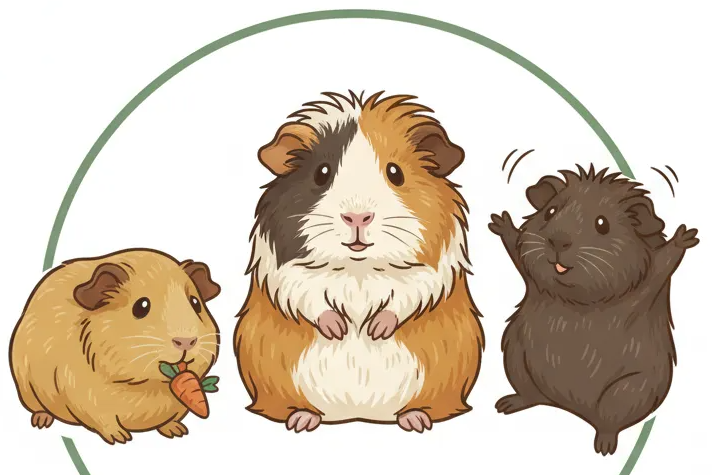
In this guide, I will share what I have learned from my own trio of piggies-Pepper, Clover, and Biscuit-about how guinea pigs see the world. We will cover common eye problems, warning signs of vision trouble, daily care tips for healthy eyes, and when to call your veterinarian. After years of caring for guinea pigs with different personalities and needs, I can help you keep your pet’s eyes bright and healthy.
Guinea Pig Vision Basics: How Well Can Guinea Pigs See?
Guinea pigs do not have the sharp, detailed vision that humans enjoy. Their world is perceived through a softer, more generalized focus, prioritizing motion detection over fine details. This makes sense for prey animals, as spotting a sudden movement from a predator is more critical for survival than reading a sign.
Imagine watching a slightly blurry television from a few feet away where you can easily see shapes and motion, but you couldn’t read the text on the screen. That’s a close approximation of how your guinea pig sees their surroundings every day. They also have a wider field of view than we do, helping them keep a watchful eye on their environment. Understanding when they’re most active helps you plan feeding and playtime. Guinea pigs are typically most active at dawn and dusk, with occasional bursts of energy throughout the day.
Eye color plays a surprising role in their vision, especially for pink-eyed or albino guinea pigs. Pigment in the eyes acts like a natural pair of sunglasses, and without it, these guinea pigs are often more sensitive to bright light. I’ve noticed my own guinea pig, Biscuit, who has dark eyes, is far less bothered by a sunny room than some pink-eyed piggies I’ve cared for, who often prefer shaded areas. Guinea pigs do see color, as explained in detail here, but their color vision is limited compared with humans. They mainly pick up blues and greens and rely on brightness and contrast rather than a full rainbow.
Recognizing Signs of Vision Problems in Your Guinea Pig
Healthy guinea pig eyes should be clear, bright, and free of discharge. Any persistent change in their eyes’ appearance is your first clue that something might be wrong. Keep a close watch for these common symptoms that signal it’s time for a vet visit, especially when they could indicate serious health issues.
- A cloudy or milky film over the eye.
- Constant watery eyes or excessive tearing.
- A thick, crusty discharge that seals the eye shut.
- Noticeable swelling or redness around the eyelid.
- One eye appearing more closed or sunken than the other.
Beyond physical symptoms, your guinea pig’s behavior will tell you a lot. A guinea pig with failing vision may become unusually hesitant or clumsy, especially in unfamiliar spaces. They might startle more easily at sudden noises or movements they can no longer see clearly. Learning to interpret their behavior can help you provide better care and comfort.
Some signs are so subtle they’re easy to miss. You might notice your guinea pig tilting their head frequently or seeming to have difficulty locating a favorite treat placed just inches away. My gentle Pepper once started bumping into the side of her hidey during her usual lap, a small change that prompted a much-needed vet appointment. A general lack of activity or increased vocalization can also indicate they feel vulnerable due to poor eyesight. These subtle shifts can also indicate stress or anxiety. If you notice them over time, look for triggers in their environment and consult a vet if worry persists.
Common Guinea Pig Eye Conditions and Their Causes
Infections and Inflammation
- Conjunctivitis, or pink eye, is a frequent issue where the eye’s lining becomes inflamed and red. My gentle guinea pig Pepper once developed this after I accidentally used dusty bedding, and her eyes looked puffy and irritated. Other infections include keratitis, which affects the cornea, and can stem from bacteria or viruses introduced by unclean environments.
- Causes often involve bacteria from soiled cages or irritants like ammonia from urine. I always ensure Clover’s habitat is spotless to prevent such triggers, as even small particles can lead to big problems. Allergens or drafts can also spark inflammation, so keeping their space well-ventilated but draft-free is key.
- Symptoms to watch for include redness, swelling, discharge that might be watery or pus-like, and excessive blinking or squinting. If you notice your guinea pig rubbing its face or avoiding light, it’s a clear sign something’s wrong and needs attention fast. Early detection helps avoid complications like ulcers or vision loss.
Injuries and Trauma
- Common injuries include scratches from sharp hay strands or pokes from cage accessories. Biscuit, my reserved Peruvian, had a scare when a piece of hay nicked her eye, teaching me to always inspect hay for hazards. Fights with cage mates can cause corneal abrasions, especially in multi-pig setups where dominance disputes occur.
- Identify trauma by looking for bleeding, cloudiness, or a visible wound on the eye surface. Your guinea pig might hold one eye closed or show signs of pain, like reduced appetite or lethargy, which I’ve seen in my own pets during stressful times. Sudden behavioral changes are a red flag that shouldn’t be ignored.
- Immediate first-aid steps involve gently flushing the eye with saline solution to remove debris, but avoid rubbing or applying pressure. Wrap your pet in a soft towel to keep them calm and seek veterinary care right away, as delays can worsen the injury. For minor issues, a clean, quiet environment helps, but never attempt home treatments without professional guidance.
Age-Related and Congenital Conditions
- Cataracts and glaucoma are more common in older guinea pigs, with cataracts causing a cloudy lens and glaucoma increasing eye pressure. As Pepper ages, I monitor her closely for these signs, as they can develop slowly and impact her quality of life. Glaucoma, in particular, is painful and requires prompt management to prevent blindness.
- Hereditary factors play a role, especially in breeds like Abyssinians or Peruvians, where genetic traits may predispose them to vision issues. Clover’s graceful nature doesn’t shield her from inherited risks, so I discuss family history with my vet during check-ups. Breeding from healthy lines can reduce these risks, advocating for responsible pet ownership.
- These conditions affect long-term eye health by gradually reducing vision, leading to challenges in navigation and feeding. With Biscuit’s intelligent but reserved personality, I’ve adapted her habitat with ramps and consistent layouts to help her cope with any vision decline. Regular vet visits ensure early intervention, preserving comfort and well-being throughout their lives.
Diagnosing Eye Problems: When to Seek Veterinary Care
- During an eye check, a vet examines the eye’s surface, checks for discharge, and assesses pupil response to light. They might use a magnifying tool to spot tiny abrasions or infections that are easy to miss at home. This thorough inspection helps rule out underlying issues like dental problems that can affect eye health.
- Diagnostic tests include fluorescein staining to detect corneal ulcers, tonometry to measure eye pressure for glaucoma, and cultures for bacterial infections. I’ve learned that these tests are quick and painless, providing clear answers that guide effective treatment plans. Blood tests or imaging might be used if systemic issues are suspected.
- Professional diagnosis is vital because eye problems can mimic each other, and misdiagnosis at home might lead to ineffective or harmful treatments. Relying on a vet’s expertise ensures your guinea pig gets the right care, preventing unnecessary suffering and promoting a swift recovery. Early veterinary visits can save vision and improve overall health outcomes.
Treating Guinea Pig Eye Issues
When your guinea pig shows signs of eye trouble, quick action makes all the difference. I’ve dealt with eye infections in my own herd, like when Pepper had a mild case that required vet-prescribed antibiotic drops. Common treatments often start with medications, such as antibiotic or anti-inflammatory eye ointments for infections, and in more severe cases, surgery might be needed for issues like cataracts or injuries. Recovery after these procedures typically involves close post-op monitoring, pain management, and follow-up with your vet. Knowing what to expect during recovery can help you care for your pig and watch for signs of trouble.
- Medications: Antibiotic drops for bacterial infections, lubricating gels for dry eye, and oral antibiotics if there’s a systemic issue.
- Surgery options: Procedures to remove foreign objects, repair injuries, or address cataracts, which are typically done by an exotic animal vet.
Administering eye drops or oral meds can feel tricky, but with patience, you’ll get the hang of it. I always wrap my guinea pig in a soft towel to keep them calm and prevent sudden movements. For eye drops, gently tilt their head back, pull down the lower lid, and squeeze one drop into the eye; avoid touching the eye directly. Oral meds can be given with a small syringe placed at the side of the mouth, aiming for the cheek pouch to prevent choking.
- Wash your hands thoroughly before and after handling.
- Hold your guinea pig securely but gently, perhaps with a helper if needed.
- Apply the medication as directed, and offer a favorite veggie treat afterward for positive reinforcement.
Recovery timelines vary based on the issue, but most eye infections clear up within a week with consistent treatment. Keep their cage extra clean to prevent reinfection and monitor for any changes in behavior or appetite. Care tips include providing a quiet space, ensuring they eat and drink normally, and scheduling follow-up vet visits to track progress.
Caring for a Blind Guinea Pig
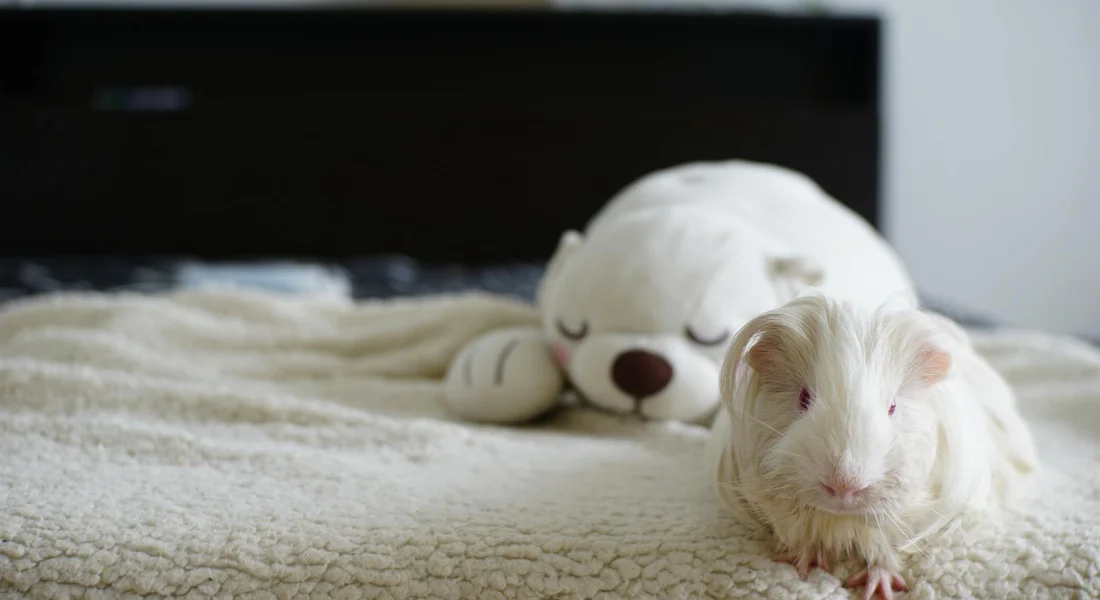
Adapting your home for a blind guinea pig helps them navigate confidently and reduces stress. From my experience with Clover, who has vision issues, I learned that consistency in their environment is key to their happiness. Start by keeping their cage layout the same-don’t move food, water, or hideouts unexpectedly. Use soft, non-slip bedding to prevent slips, and consider adding low barriers or ramps to guide them safely.
- Place food and water in the same spots every day to build routine.
- Remove any sharp objects or high ledges that could cause injury.
- Use auditory cues, like a gentle tap on the cage, to signal your presence or mealtime.
Maintaining their quality of life involves engaging their other senses through play and interaction. Offer a variety of textures in toys, like crinkly paper or soft fleece, to stimulate touch and hearing. You can hide treats in puzzle feeders to encourage foraging, which taps into their natural instincts. Regular, gentle handling and talking to them in a calm voice helps build trust and keeps them active.
- Introduce new items slowly, letting them sniff and explore at their own pace.
- Provide hiding spots where they can feel secure, like cozy tunnels or igloos.
- Schedule daily out-of-cage time in a safe, enclosed area to promote exercise.
Bonding with a vision-impaired pet relies on touch and sound to strengthen your connection. I spend extra time with Biscuit, who’s more reserved, by softly stroking her fur and speaking her name often to reassure her. Use consistent vocal tones when you approach, and avoid sudden loud noises that might startle them. Over time, they’ll learn to recognize your scent and voice, deepening your bond and ensuring they feel loved and secure.
Preventative Care for Optimal Guinea Pig Eye Health
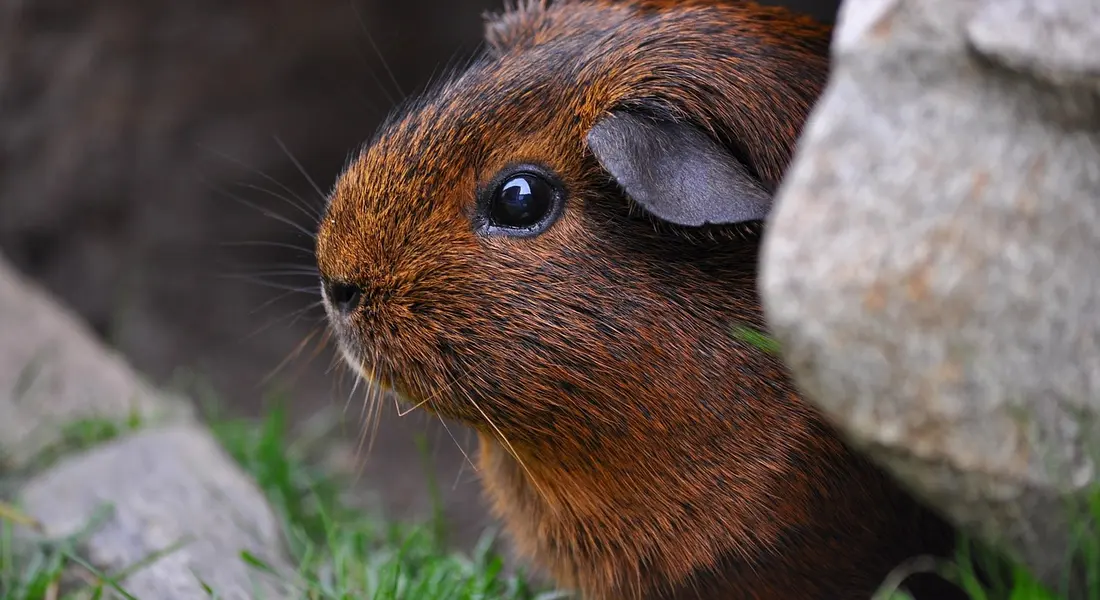
Keeping your guinea pig’s eyes bright and healthy is simpler than you might think. A consistent, gentle routine of observation and care can prevent the vast majority of common eye issues. From my years with Pepper, Clover, and Biscuit, I’ve found that proactive care is the best medicine.
Daily and Weekly Eye Check Routines
Make eye checks a natural part of your daily interaction. I always do a quick visual scan during their morning veggie feeding, looking for any immediate changes. A more thorough, hands-on check once a week helps you catch subtle problems early.
- Daily Quick Check: Look for clear, bright eyes without any discharge, crust, or swelling. Ensure your pig isn’t squinting or rubbing its face.
- Weekly Detailed Check: Gently hold your guinea pig and observe each eye in good light. Check that the pupils are the same size and that the white part of the eye is clear, not red.
- Behavioral Observation: Watch for changes like decreased appetite, lethargy, or hesitation to move, as these can sometimes be linked to vision discomfort.
Safe Cage Setup to Prevent Injuries
Your guinea pig’s home should be a sanctuary, not a hazard zone. Most eye injuries I’ve encountered in rescue pigs stemmed from an unsafe cage environment. A few simple adjustments make a world of difference.
- Choose the Right Bedding: Avoid dusty wood shavings like pine or cedar, which can irritate eyes. I’ve had great success with paper-based bedding or fleece liners for my trio.
- Inspect and Secure Hideys: Check all wooden houses and tunnels for splinters or sharp edges. Ensure entrances are large enough so they don’t scrape their faces.
- Place Hay Racks Wisely: Position hay racks so the stems point downward and away from where your piggie’s face will be. This prevents pokes and scratches.
- Provide Ample Space: A crowded cage increases the chance of accidental scratches from cage mates during squabbles or playful popcorning.
Diet and Hygiene Practices
What your guinea pig eats and how clean they stay directly impacts their overall health, including their eyes. A strong immune system, supported by proper nutrition, is your pig’s first line of defense against infections.
- Vitamin C is Crucial: Guinea pigs cannot produce their own Vitamin C. A deficiency can lead to general weakness and make them susceptible to infections. Offer a daily serving of fresh bell peppers, kale, or parsley.
- Limit High-Calcium Veggies: While important, too much calcium can contribute to gritty white eye discharge. I balance leafy greens like spinach and kale with lower-calcium options like romaine lettuce and cucumber.
- Keep the Living Area Dry and Clean: Ammonia from soiled, wet bedding is a major eye irritant. Spot-clean soiled areas daily and do a full cage clean at least once a week.
- Groom Long-Haired Breeds: For my Peruvian, Biscuit, I carefully trim the hair around his eyes to prevent it from poking and irritating them. This is a simple but vital step for breeds with long fur.
FAQs
What is a simple at-home test for guinea pig blindness?
You can gently wave your hand near their eye to see if they blink or react to movement. Observe if they navigate familiar spaces without hesitation or bumping into objects to check for vision loss.
Can guinea pigs be born blind?
Yes, some guinea pigs are born blind due to genetic factors or congenital issues like inherited cataracts. They often adapt well by relying on their other senses from a young age. Guinea pig hearing remains quite sensitive, helping them gauge their surroundings. Their ears are highly attuned to sounds and vibrations even when sight is compromised.
How does blindness affect a guinea pig’s behavior?
Blind guinea pigs may become more hesitant and rely heavily on sound and smell to explore their surroundings. They might startle easily or react to loud noises or vocalize more frequently to communicate their needs.
Is blindness in guinea pigs permanent?
Blindness can be permanent if caused by irreversible conditions like severe nerve damage or advanced cataracts. However, early treatment for issues like infections might prevent or reduce vision loss.
What should I do if I suspect my guinea pig is going blind?
Consult a veterinarian for an accurate diagnosis and discuss potential causes or treatments. In the meantime, keep their environment consistent and use gentle sounds to help them feel secure.
Your Guinea Pig’s Eye Health: A Quick Recap
Guinea pigs aren’t blind, but their eyes can face issues like infections or injuries that need your watchful eye. Regularly inspect for cloudiness, discharge, or squinting, and always consult a vet for any concerns to keep their vision sharp. (Learn more about their vision).
As a caring owner, stay curious and keep learning about guinea pig care to ensure their well-being. Opt for eco-friendly choices, like biodegradable bedding, to create a safer home for your pets and the environment. In our ultimate guide to safe bedding options for guinea pigs, you’ll learn how to choose the safest, least dusty bedding. This will help you keep their home clean and cozy.
Further Reading & Sources
- Guinea Pig Eye Health
- Guinea Pig Eyes: Guide to Eyesight, Problems, Infections & Treatment
- Common Eye Problems in Guinea Pigs and What You Can Do
- Understanding Guinea Pig Eye Conditions: A Guide for Pet Owners
Kate is a passionate guinea pig owner and advocate for small pet welfare. With over a decade of experience caring for guinea pigs, she has become a trusted voice in the small pet community.
Uncategorized