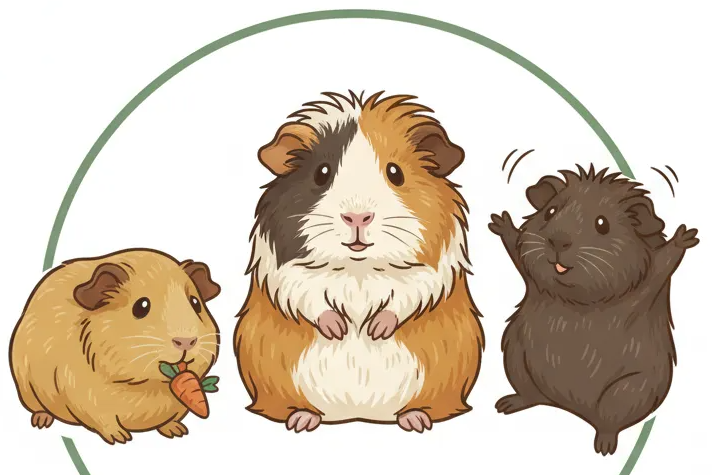
How to Tell if Your Guinea Pigs Like Each Other (10 Key Signs)
Hello CavyFam! Ever peek into your guinea pigs’ habitat and wonder if they’re truly bonded or just cage mates? It can be tricky to decode their social lives and know if they’re genuinely happy together.
In this guide, I’ll walk you through the clear signals of friendship, from their vocalizations to their daily routines. You’ll learn to spot the positive signs of companionship and the red flags of conflict.
With three guinea pigs of my own-Pepper, Clover, and Biscuit-I’ve spent years observing their unique social dynamics firsthand.
10 Key Signs Your Guinea Pigs Are Bonding Well
Mutual Grooming and Gentle Nuzzling
When guinea pigs groom each other, it’s a powerful sign of trust and affection. I often watch Pepper gently nuzzle Clover’s ear, a clear signal they feel safe together. This behavior mimics how they would interact in a wild herd, reinforcing their social bond. They also show affection through gentle petting in familiar spots, such as behind the ears or along the back. If they lean into your hand, that’s a clear sign they enjoy being petted and feel secure with you.
Playing Together and Exploring Side by Side
Happy guinea pigs engage in playful activities like chasing or popcorning near each other. Seeing Biscuit and Clover explore a new cardboard tunnel together always reassures me their relationship is healthy. They take turns leading and following, showing mutual respect during their adventures. Grooming and gentle kissing are common ways guinea pigs reinforce their bond and show affection. Observing these acts helps explain why grooming between them is a natural, reassuring part of their relationship.
Sharing Food and Resources Peacefully
Well-bonded pigs will eat from the same pile of hay without tension. My trio will often share a cucumber slice, each taking polite bites without any guarding behavior. Peaceful resource sharing indicates they view each other as companions rather than competitors.
Resting and Sleeping in Close Proximity
When guinea pigs choose to sleep near each other, they’re demonstrating ultimate comfort. Finding all three of my pigs snoozing in a cuddle pile is one of my favorite sights. Their relaxed posture while resting together shows they consider each other part of their safety network. That close sleeping mirrors their nesting behavior and bedding needs. Understanding guinea pig nesting behavior helps me choose the right bedding and setup for comfort.
Calm and Relaxed Body Language Around Each Other
Look for loose, wobbly bodies and comfortable stretching when they’re together. Pepper’s complete relaxation when Biscuit walks over him tells me everything about their bond. Tense, frozen postures are absent when guinea pigs truly enjoy each other’s company.
Sniffing and Nuzzling Without Aggression
Friendly sniffing around the face and rear is normal social investigation. Clover’s gentle nose touches to Pepper’s cheek are always met with calm acceptance. This differs from aggressive nudging, which would cause the other pig to flinch or move away quickly.
Huddling for Warmth and Security
Guinea pigs that huddle together are seeking comfort from each other’s presence. During cooler evenings, I notice my pigs press closer together, sharing body heat and security. This communal huddling behavior strengthens their social connection through physical closeness. Do guinea pigs like to cuddle and being held? With gentle handling and time to acclimate, many will enjoy brief snuggles and close contact.
Parallel Activities and Synchronized Movements
Bonded pigs often mirror each other’s actions throughout the day. It’s fascinating to watch Biscuit and Clover decide to drink water at exactly the same time. This synchronization shows they’re attuned to each other’s rhythms and preferences.
Food Sharing and Cooperative Feeding Habits
Beyond peaceful coexistence, truly bonded pigs will actively share food. I’ve seen Pepper push a piece of lettuce toward Biscuit, who gratefully accepts the offering. This voluntary food sharing demonstrates genuine care between cage mates.
Gentle Handling and Positive Interaction Cues
Well-bonded guinea pigs interact with careful consideration for each other’s space. When moving around their enclosure, my pigs gently step over each other rather than pushing through. These subtle courtesies show they recognize and respect each other as individuals. How long this takes can vary, but many pairs begin to bond within a week or two with gradual introductions. With patience, you’ll often see them more confidently sharing space as weeks pass.
Observing Daily Interactions for Bonding Clues
You can learn so much about your guinea pigs’ relationship just by watching them go about their day. Peaceful coexistence is the ultimate sign that your piggies have formed a happy, stable bond. I’ve spent countless hours observing my trio-Pepper, Clover, and Biscuit-and their daily routines tell me everything I need to know.
Look for these positive signs during their regular activities:
- Eating side-by-side without any food aggression
- Sleeping near each other, sometimes even touching
- Exploring their cage or play area together
- Taking turns using hideys or tunnels
- Responding to each other’s wheeks and chirps
Watch how they move around their shared space. Guinea pigs that are comfortable with each other will move in a relaxed, fluid manner, not in quick, jerky motions meant to avoid conflict. My Clover and Biscuit often do a little “follow the leader” around their enclosure, which always makes me smile.
Red Flags in Daily Behavior
Not all interactions are positive. Be on the lookout for these concerning behaviors:
- One guinea pig consistently blocking access to food or water
- Excessive chasing that seems more like harassment than play
- Loud, persistent teeth chattering directed at a cage mate
- Hiding that seems stress-related rather than restful
- Visible weight loss in one piggy suggesting they’re being kept from food
If you notice any of these red flags consistently, it might be time to reconsider your guinea pigs’ living arrangements for their wellbeing. From my experience, sometimes even normally gentle pigs like Pepper can have occasional disagreements, but persistent negative behavior needs attention. If you notice they are not getting along, you may need to separate them briefly and plan a slow, supervised reintroduction in a neutral area. If conflicts persist, consult a vet or an experienced guinea pig keeper for tailored guidance.
The Role of Grooming and Physical Contact in Bonding
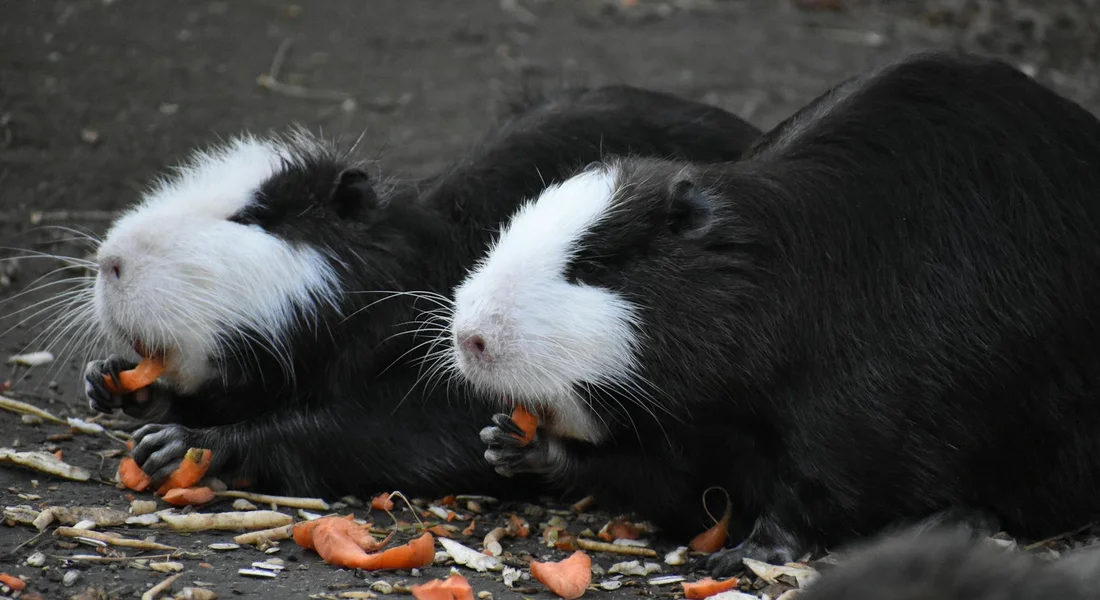
Mutual grooming is one of the most beautiful signs of guinea pig friendship. When your guinea pigs groom each other, they’re not just cleaning-they’re building trust and reinforcing their social bond. This behavior, called allogrooming, is the guinea pig equivalent of saying “you’re part of my family.” It’s just one of the common guinea pig bonding behaviors that carry meaningful messages.
Look for these specific grooming behaviors that indicate strong bonding:
- Gentle nibbling around the ears and head
- Licking each other’s fur, especially on hard-to-reach spots
- Closing their eyes while being groomed, showing complete trust
- Returning the grooming favor rather than just receiving it
The way guinea pigs physically interact tells you everything about their relationship status. My Abyssinian, Clover, is particularly graceful about grooming sessions-she’ll gently approach Biscuit and start with soft nose touches before beginning to groom.
Understanding Cuddling and Close Contact
Guinea pigs that truly like each other will seek out physical closeness. Here’s what to look for:
- Sleeping pressed together, sometimes in a “piggy pile”
- Resting with their bodies touching while awake
- Snuggling together in a single hidey house
- Gentle nose touches and sniffing when they meet
Comfortable physical contact is the ultimate test of guinea pig friendship-it means they feel safe enough to let their guard down completely. I’ve noticed that my Peruvian, Biscuit, who’s usually more reserved, will seek out Pepper for cuddles when she’s feeling particularly relaxed and happy.
Remember that each guinea pig pair has their own unique bonding style. Some pairs might be constantly grooming and cuddling, while others show their affection through calm coexistence and occasional contact. These are signs of a healthy guinea pig pair bond. By watching these cues, you can gauge whether their bond is thriving. What matters most is the absence of fear and aggression, and the presence of those small, daily moments of connection that show they’ve truly accepted each other as friends.
Sharing Spaces and Resources as a Bonding Indicator
When guinea pigs feel comfortable together, they often share their living areas and items without any fuss. In my time caring for Pepper, Clover, and Biscuit, I’ve noticed that peaceful sharing is a clear sign they’ve formed a strong bond. For instance, Pepper and Clover will snuggle up in the same hideout, showing they trust each other completely.
Look for these behaviors to gauge their relationship:
- Sleeping side by side or in a cozy pile
- Eating from the same food bowl without nipping or chasing
- Taking turns with toys or chew items
- Grooming each other in shared spots
If your guinea pigs avoid conflicts over space, it means they respect each other’s presence. Promoting this kind of harmony is key to their well-being and reduces stress in their daily lives. I always make sure there are enough resources to prevent competition, which supports a happier, healthier group dynamic.
How Long Does Guinea Pig Bonding Usually Take?
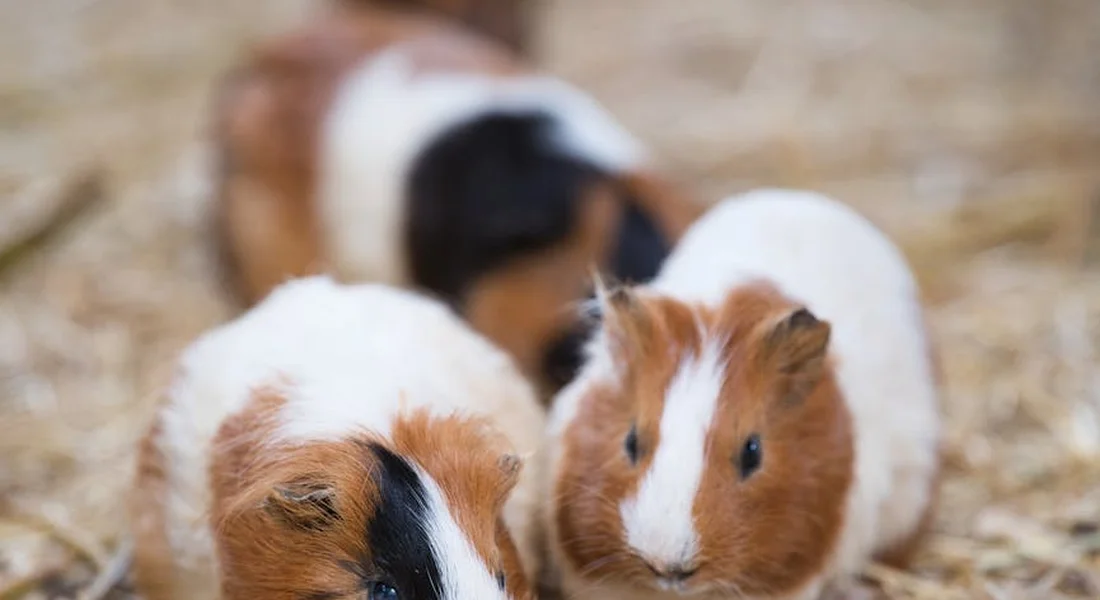
Bonding time can vary a lot depending on your guinea pigs’ personalities and past experiences. From my own journey, it took about three weeks for Clover and Biscuit to start interacting comfortably, while Pepper warmed up faster due to his gentle nature. Generally, you might see progress in a few days to several weeks.
Factors that influence bonding speed include:
- Age differences-younger guinea pigs often adapt quicker
- Individual temperaments, like shyness or confidence
- How they were introduced, such as in a neutral space
- Their living environment and daily routines
Be patient and observe their interactions regularly. I’ve found that consistent, gentle handling and providing plenty of hideaways can speed up the process. If you notice signs of aggression, give them more time and space to adjust naturally.
Subtle Cues That Bonding Is Improving Over Time
You’ll notice the relationship between your guinea pigs deepens in quiet, everyday moments. These gradual changes show their bond is moving beyond simple tolerance into genuine friendship. My trio-Pepper, Clover, and Biscuit-took months to reach this stage, and watching their trust grow was incredibly rewarding.
They Start Sharing Favorite Spots
Initially, each piggy might claim a separate hidey. When bonding improves, you’ll find them voluntarily squeezing into the same cozy hut, even when other hides are empty. I often discover all three of my girls piled together in one fleece forest, completely content.
Mutual Grooming Becomes Common
This isn’t just quick licks. You’ll witness thorough grooming sessions where they:
- Clean around each other’s ears and eyes gently
- Nibble along each other’s backs in rhythmic patterns
- Take turns being the groomer and the groomee
Reciprocal grooming is the guinea pig equivalent of braiding a friend’s hair-it’s pure social bonding.
Their Vocalizations Synchronize
Listen for coordinated wheeking when you approach with food. Happy pigs develop a “choir effect” where their excitement calls blend together rather than compete. You might also hear softer “chutting” sounds as they explore their cage together, keeping each other updated.
They Develop Shared Routines
Bonded pairs or groups create their own daily patterns:
- Napping at the same time in contact
- Waiting for each other before eating veggies
- Following the same exploration paths during floor time
This synchronized behavior shows they’ve become a cohesive social unit rather than separate individuals sharing space.
One Acts as Lookout While Others Eat
In my herd, steady Pepper often stands guard while more timid Biscuit eats first. This protective behavior demonstrates advanced trust and role distribution within the group. The lookout pig will remain alert but relaxed, periodically checking on their companions.
| Early Bonding Stage | Advanced Bonding Stage |
|---|---|
| Eating side-by-side but apart | Eating from the same vegetable piece |
| Brief grooming sessions | Extended mutual grooming |
| Separate sleeping areas | Consistent group cuddle piles |
FAQs
What behaviors indicate positive bonding in guinea pigs?
Positive bonding behaviors include mutual grooming and peaceful coexistence during daily activities. These actions show that your guinea pigs trust and enjoy each other’s company.
Do guinea pig pairs groom each other when bonding is going well?
Yes, mutual grooming is a clear indicator of strong bonding and affection. It helps reinforce their social bond and demonstrates they feel safe together.
Do guinea pigs sleep close together when bonding is going well?
Absolutely, sleeping in close contact shows they are comfortable and secure with each other. This behavior is a sign of deep trust and a well-established bond.
What should you look for to confirm ongoing good bonding?
Consistent peaceful interactions and shared routines over time are key confirmations. The absence of aggression and regular mutual grooming also indicate lasting bonding.
How long does it usually take for bonding to feel settled?
Bonding can take anywhere from a few days to several weeks, depending on individual personalities. With patience and proper care, most pairs will show steady improvement.
Your Guinea Pigs’ Happy Life Together
By watching for positive interactions like gentle grooming and shared resting spots, you can feel confident your guinea pigs are forming strong bonds. These joyful moments, which I’ve cherished with Pepper, Clover, and Biscuit, truly show they feel secure and connected.
Always prioritize their well-being by choosing eco-friendly bedding and spacious enclosures to support their natural behaviors. In our ultimate guide to safe bedding options for guinea pigs, you’ll learn how to pick padding that’s comfortable and non-toxic. Staying curious about guinea pig care helps you build a greener, healthier home where your pets can thrive for years to come.
Further Reading & Sources
- Guinea pig bonding basics | Animal Humane Society
- The Ultimate Guide to Guinea Pig Bonding and Pairing
- How to introduce guinea pigs – PDSA
- shropshireguineapiggery – Bonding
Kate is a passionate guinea pig owner and advocate for small pet welfare. With over a decade of experience caring for guinea pigs, she has become a trusted voice in the small pet community.
Uncategorized