Guinea Pigs Not Getting Along? Here’s What to Do
Published on: January 2, 2026 | Last Updated: January 2, 2026
Written By: Kate M. Callahan
Hello CavyFam, hearing those unhappy rumbles and squabbles from your guinea pigs can be genuinely stressful. You want a peaceful, happy herd, and seeing conflict is worrying.
In this guide, I’ll walk you through how to safely separate fighting guinea pigs, steps to slowly reintroduce them for bonding, and how to tell the difference between normal dominance and serious fights.
I’ve managed the unique personalities of my own guinea pigs-Pepper, Clover, and Biscuit-to create a harmonious home, and I’m here to help you do the same.
Understanding Common Causes of Guinea Pig Aggression
Resource Guarding and Territory Disputes
I’ve watched my own guinea pigs, Pepper and Clover, have minor squabbles over their favorite hidey-holes. Guinea pigs are naturally territorial animals, and conflicts often erupt over limited resources. They might guard their food bowl, water bottle, or a cozy sleeping spot, leading to chasing, rumbling, or even nipping.
To prevent these disputes, always provide multiple versions of essential items. Having two of everything-food dishes, water bottles, and hiding spots-dramatically reduces competition. This simple step creates a peaceful environment where each pig can feel secure without needing to fight for their share.
- Place multiple food and water stations in different cage areas.
- Offer several hideouts so no single pig can guard them all.
- Ensure hay is available in more than one location to avoid blocking.
Health and Hormonal Influences
Sometimes, what looks like a behavioral issue is actually a health problem. A guinea pig in pain from dental issues, a urinary tract infection, or mites may become irritable and lash out at cage mates. I noticed Biscuit became unusually snappy once, and a vet visit revealed she had a minor skin irritation causing her discomfort.
Hormones also play a significant role, especially in unneutered males or during introductions. Sudden aggression in a previously calm pair warrants an immediate vet check to rule out underlying pain or illness. Addressing the root medical cause is often the fastest way to restore harmony.
- Schedule a veterinary exam if aggression appears suddenly.
- Consider the age and sex of your pigs, as hormonal surges are common in young and intact animals.
- Monitor for other symptoms like weight loss, lethargy, or changes in eating habits.
Spotting the Difference Between Play and Fighting
Signs of Healthy Bonding
Watching guinea pigs interact can be confusing, but friendly behavior has clear markers. Playful chasing, gentle nudging, and soft rumbling are typically part of normal social hierarchy establishment. You might see them popcorning-little joyful jumps-near each other, which is a great sign they’re comfortable. Understanding their body language can help you tell apart friendly interactions from aggressive ones.
My trio often engages in what I call “follow-the-leader,” where one pig trails another curiously without tension. Mutual grooming, where they gently nibble each other’s fur or ears, is a strong indicator of a bonded pair accepting one another. These actions are usually quiet and brief, not escalating into prolonged confrontations.
- Brief, quiet rumbling as one pig struts past another.
- Taking turns chasing each other without cornering.
- Sleeping or resting close together in the same hideout.
Red Flags of Escalating Conflict
Real fighting is intense and unmistakable once you know the signs. Loud, persistent teeth chattering, raised hackles, and full-blown lunging are serious warnings that a fight is imminent. If you see them circling each other with stiff bodies, it’s time to intervene immediately for their safety.
Biting that draws blood, relentless chasing that prevents one pig from eating or drinking, and loud, distressed shrieking are emergencies. Any injury, no matter how small, means you must separate the guinea pigs to prevent further harm and reassess their living situation. I had to temporarily house Clover and Biscuit apart after a scuffle left a minor scratch, giving them both time to calm down. Are these common guinea pig bonding behaviors, and what do they mean? Some rough interactions can be part of bonding, but persistent aggression or injuries indicate you should pause introductions and reassess your setup.
- Bloodshed or any visible wounds on either guinea pig.
- One animal consistently hiding and avoiding interaction.
- Non-stop chasing that leads to exhaustion or fear.
Immediate Steps to Calm a Guinea Pig Fight
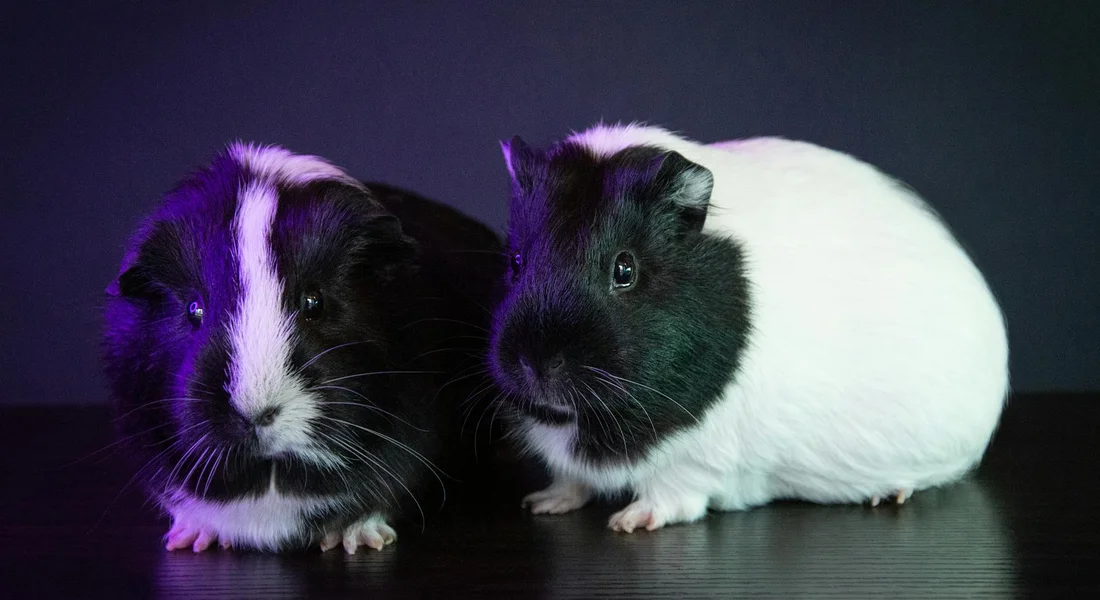
When guinea pigs start fighting, it can be scary and loud with chattering teeth and chasing. I always act quickly but calmly to prevent injuries, as I learned when Pepper and Clover had a minor scuffle over a hideout. If you’re wondering what cage aggression looks like and how to stop it, recognizing the early warning signs is key. Quick, calm interventions can prevent injuries and keep the cage peaceful. Start by making a soft hissing sound or gently tapping the cage to distract them without startling.
- Use a thick towel or your hands to gently separate them, avoiding direct grabs that could cause more stress.
- Move them to separate, safe areas like small carriers or partitioned spaces to cool down.
- Observe their behavior from a distance to ensure they don’t restart the fight when reintroduced later.
After separation, check for signs of stress like heavy breathing or hiding. Keeping a calm demeanor helps reduce their anxiety, as guinea pigs can pick up on your emotions easily. I’ve found that offering a favorite veggie treat, like cucumber, can distract and soothe them post-conflict.
Assessing Injuries and First Aid
Once separated, carefully inspect each guinea pig for cuts, bites, or swelling, especially around the face and back. Minor wounds can be cleaned with a saline solution and monitored for infection, but anything deep needs a vet’s attention right away. I keep a small pet first-aid kit handy with gauze and antiseptic wipes for emergencies.
- Look for bleeding, limping, or changes in eating habits-these signal serious issues.
- If you spot an injury, apply gentle pressure with a clean cloth to stop bleeding and contact your veterinarian.
- Watch for behavioral shifts; for instance, Biscuit became quieter after a tiff, which clued me into his discomfort.
Prevent infection by keeping their environment clean and avoiding harsh chemicals. Regular health checks are part of responsible pet ownership and can catch problems early. If in doubt, always err on the side of caution and seek professional help to ensure your pets’ well-being.
Creating a Peaceful Cage Setup
A well-designed cage can turn tense moments into harmonious living. From my experience with Pepper, Clover, and Biscuit, I’ve seen how the right setup reduces squabbles by giving each pig their own space. Aim for a layout that mimics their natural habitat with areas to explore and retreat.
Optimal Space and Layout Tips
Guinea pigs thrive in spacious environments—I recommend at least 10.5 square feet for two, but bigger is always better. More room allows them to establish territories without constant confrontation, which made a huge difference for my trio. Use open floor plans with clear lines of sight to avoid cornering. For a complete space requirements guide, see the recommended cage sizes, run areas, and layout tips. This helps you plan setups that keep guinea pigs active and stress-free.
- Place multiple hideouts in different corners so no one feels trapped or dominant.
- Ensure food and water stations are separated to prevent resource guarding.
- Incorporate ramps and low platforms to encourage exercise and reduce boredom.
Choose bedding that’s soft and absorbent, like fleece liners, to keep them comfortable. Regularly rearranging toys and furniture keeps the environment fresh and minimizes territorial disputes. I swap items weekly, and it keeps my guinea pigs curious and less likely to argue. In the ultimate guide to safe bedding options for guinea pigs, prioritize soft, low-dust materials like fleece liners or paper-based bedding, and avoid cedar or pine shavings. This foundation supports comfort, health, and easy maintenance.
Enrichment Ideas for Harmony
Boredom often leads to friction, so enrich their days with stimulating activities. Simple additions like tunnels made from cardboard tubes or foraging toys can redirect aggressive energy into play. I’ve watched Clover and Biscuit bond over shared puzzle feeders filled with hay.
- Rotate toys frequently to maintain novelty-try chew sticks, balls, or DIY obstacles.
- Include safe, edible plants like parsley or grass for grazing, which promotes natural behavior.
- Schedule daily floor time in a secure area to let them explore and socialize freely.
Interaction with you can also foster peace; gentle handling and talking to them builds trust. Enrichment isn’t just about toys-it’s about creating a routine that makes them feel secure and valued. My guinea pigs respond well to consistency, and it’s helped prevent many potential conflicts.
Gradual Reintroduction Techniques

Neutral Territory Introductions
Start by choosing a space neither guinea pig has explored before, like a freshly cleaned bathroom floor or a new playpen. This neutral ground reduces territorial behaviors and helps them focus on positive interactions. For beginners, this principle translates into the best cage setup for a new guinea pig: a spacious, safe, well-ventilated enclosure with hiding spots. I always set up a small area with hiding spots and scatter some veggies to encourage curiosity without pressure.
Follow these steps for a smooth introduction:
- Place both guinea pigs in the neutral area at the same time, keeping your hands nearby for safety.
- Observe their body language-look for relaxed postures or gentle sniffing instead of raised fur or loud teeth chattering.
- Keep sessions short, around 10-15 minutes, and end on a good note with a favorite treat.
When I introduced Biscuit to Clover, I used a neutral pen and noticed how her reserved nature softened with time. Patience here pays off, as rushing can lead to setbacks.
Monitoring Progress and Adjusting
Watch for subtle cues like shared hay munching or one guinea pig following another without aggression. Daily notes on their interactions help you spot patterns and adjust your approach early. I track behaviors in a simple journal, noting things like vocalizations or hiding habits.
If tensions rise, try these adjustments:
- Shorten introduction times and increase them gradually as they calm down.
- Add more hiding places or separate food bowls to reduce competition.
- Consult a vet if you see signs of injury or prolonged stress, as health issues can spark fights.
With Pepper and Clover, I had to extend their sessions slowly over a week. Adjusting based on their comfort levels builds trust and prevents escalation.
Long-Term Strategies to Prevent Fighting
Routine Health and Behavior Checks
Schedule weekly weigh-ins and look for changes in appetite or activity. Regular health checks catch problems early, like dental pain or parasites that cause irritability. I weigh my guinea pigs every Sunday and feel their coats for lumps or thinning areas.
Incorporate these into your routine:
- Observe eating and drinking habits daily-any drop could signal stress or illness.
- Check for clean, bright eyes and smooth breathing to ensure overall well-being.
- Note social behaviors, such as whether they groom each other or avoid contact.
Biscuit’s intelligent but reserved personality means she hides discomfort well. Staying vigilant helps you address issues before they affect the group dynamic.
Building a Compatible Pair
Match guinea pigs based on age, energy levels, and personalities to reduce conflicts. Choosing compatible pairs from the start minimizes long-term friction and promotes harmony. I’ve found that pairing steady types like Pepper with graceful ones like Clover often works well.
Consider these factors when building a pair:
- Introduce younger guinea pigs to older, calmer ones for gentle guidance.
- Provide ample space with multiple resources to prevent resource guarding.
- Use slow, supervised meetings over days or weeks to gauge compatibility.
From my experience, gradual bonding fosters lifelong friendships. Investing time in compatibility ensures a peaceful, happy home for your pets.
When to Seek Professional Help
Sometimes, no matter how many tricks you try, your guinea pigs just won’t make peace. Recognizing when the situation is beyond a simple spat is your most critical skill as a caring owner. My guinea pig, Clover, once got into such a serious tiff with her cage mate that I knew my at-home efforts weren’t enough.
You should contact an exotic veterinarian or a certified animal behaviorist immediately if you notice any of these signs.
- Visible Injuries: Bites that break the skin, patches of missing fur, or any signs of bleeding are a major red flag.
- Persistent Chasing and Hiding: If one pig is constantly terrorizing the other, leaving them too scared to eat or drink, it’s a serious welfare issue.
- Significant Weight Loss: A bullied guinea pig may be blocked from food, leading to a noticeable drop in weight that demands a vet’s attention.
- Loud, Constant Agitation: While some rumbling is normal, unending, distressed shrieking or teeth chattering signals deep unhappiness.
I learned this the hard way with my own herd. Waiting too long can turn a manageable problem into a dangerous, stressful ordeal for everyone involved. Your vet can rule out underlying health problems that might be causing the aggression, like pain or illness.
A professional can offer tailored advice that generic online guides cannot. They might suggest a specific reintroduction protocol or even, in rare cases, recommend a permanent separation for the animals’ well-being. Your priority is always the safety and happiness of your pets.
FAQs
What are the common sounds of guinea pig fighting?
Guinea pig fighting often involves loud, persistent teeth chattering, shrieking, or aggressive rumbling. These noises signal serious conflict and require immediate separation to prevent harm. For a complete guide to guinea pig vocalizations and what they mean, learn how to interpret these sounds and respond safely.
How should I handle injuries from guinea pig fights?
Clean minor wounds with a saline solution and watch for signs of infection like redness or swelling. For any deep bites or ongoing bleeding, contact a veterinarian promptly to ensure proper care.
When is syringe feeding necessary after a fight?
Proper guinea pig care means monitoring eating and stress levels to prevent problems. Syringe feeding may be needed if a guinea pig refuses to eat due to stress or injury from a conflict. Always consult a vet for advice on the right formula and technique to support their recovery.
Is it helpful to watch guinea pig fighting videos?
Viewing videos can aid in identifying aggressive behaviors, but rely on expert guidance for real-life situations. Avoid mimicking actions from videos, as improper handling could worsen the conflict.
Why do guinea pigs fight all of a sudden?
Sudden fights can result from health problems, pain, or hormonal shifts like those in unneutered males. Schedule a vet visit to diagnose any underlying issues and restore peace.
Building a Peaceful Guinea Pig Home
When your guinea pigs aren’t getting along, the most effective approach involves a careful blend of separation and gradual, supervised reintroduction. To curb food aggression, coordinate mealtimes with multiple bowls or evenly spaced feeding stations so each pig has access. Always prioritize their safety by providing ample space, multiple hideouts, and separate food bowls to reduce competition and stress.
Responsible pet ownership means committing to continuous learning about guinea pig behavior and their specific environmental needs. Choosing eco-friendly bedding and toys not only supports their well-being but also contributes to a healthier planet for all our animal companions.
Further Reading & Sources
- 2 males suddenly fighting | The Guinea Pig Forum
- Two Female Guinea Pigs Fighting? | The Guinea Pig Forum
- Guinea Pigs Fighting: Is It Normal? | Kavee
- Why Guinea Pigs Fight and What To Do About It – Home & Roost
Kate is a passionate guinea pig owner and advocate for small pet welfare. With over a decade of experience caring for guinea pigs, she has become a trusted voice in the small pet community.
Uncategorized