Why Is My Guinea Pig Scratching and Itching?
Published on: January 8, 2026 | Last Updated: January 8, 2026
Written By: Kate M. Callahan
Hello CavyFam! Is your guinea pig scratching more than usual, and you’re feeling a bit concerned? You might be worried it’s something serious like mites or an allergic reaction that needs quick attention.
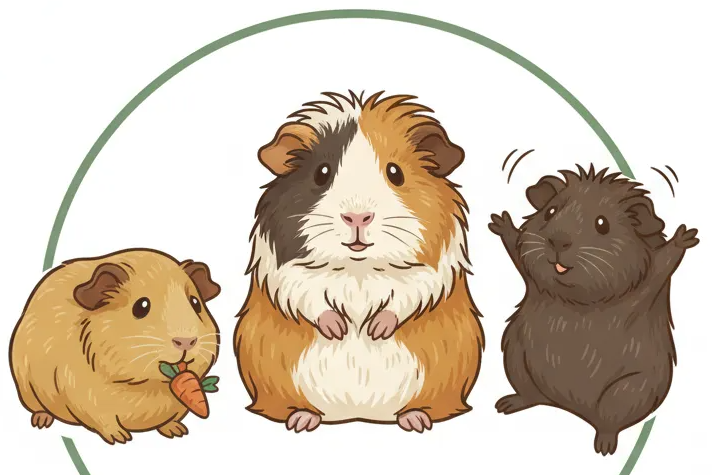
In this guide, I’ll walk you through common causes, how to spot symptoms, safe home remedies, and when to seek vet care. Having raised guinea pigs like my own Pepper, Clover, and Biscuit for years, I’ve faced this issue myself and can offer trusted advice to keep your pet comfortable.
Is It Normal for Guinea Pigs to Scratch?
Yes, some scratching is perfectly normal. Guinea pigs groom themselves much like cats do.
A healthy guinea pig might scratch briefly a few times a day, often after waking up or during a grooming session. It’s a quick, efficient motion, and they quickly return to their usual activities like eating or exploring. Be mindful of grooming mistakes to avoid, such as over-bathing or using harsh products. Gentle brushing and avoiding excessive handling can prevent irritation.
- Typical scratching is infrequent, lasts only a moment, and doesn’t cause any skin damage.
- You’ll see them nibble at their fur or use a back foot for a quick scratch behind the ear.
You need to worry when the scratching becomes constant and frantic.
Excessive scratching is relentless; your guinea pig seems unable to stop, and it disrupts their normal behavior. I’ve seen this with my own pig, Clover, when she had a minor issue—she became so focused on scratching she’d ignore her favorite veggies. If your guinea pig seems sick, consult a complete home troubleshooting checklist to assess their symptoms, intake, hydration, and behavior. It helps you decide when to monitor at home or seek veterinary care.
- Look for bald patches, especially around the shoulders, back, or rump.
- Watch for restlessness, where they can’t seem to get comfortable or settle down.
- Check for red, inflamed, or broken skin from all the scraping.
Normal grooming is a calm, self-contained activity. Problematic itching looks like a desperate attempt to find relief.
The key difference is intensity; a normal scratch is a fleeting thought, while problematic itching is an overwhelming compulsion. My gentle guinea pig, Pepper, will do a full-body shake after a normal scratch, but when it’s a problem, he just starts scratching again immediately.
Common Causes of Excessive Itching and Scratching
Parasites: Mites, Fleas, and Lice
These tiny critters are a major source of misery for guinea pigs.
Mites, which burrow under the skin, cause intense, painful itching that can lead to convulsive scratching and seizures. It’s a true medical emergency.
- Symptoms include frantic scratching, hair loss in clumps, and scabby skin, particularly on the back.
- You might see visible lice or their eggs (nits) as tiny white specks attached to hair shafts.
Infestations often spread from new bedding, other pets, or an environment that hasn’t been cleaned thoroughly.
These parasites cause microscopic wounds and severe inflammation, making your pet’s skin incredibly sensitive and painful to the touch.
Fungal Infections: Ringworm and Dermatitis
Despite its name, ringworm is a fungus, not a worm.
Look for circular, bald patches with crusty, flaky skin in the middle, often starting on the head or face.
- Signs include dandruff-like flakes, reddened skin, and hair that breaks off easily.
- The affected areas may look like someone took a tiny cookie cutter to your pig’s fur.
Damp, dirty bedding is a perfect breeding ground for these fungi.
I learned this the hard way; a slightly damp corner of the cage led to a ringworm scare for my Peruvian, Biscuit, who loves to nestle in one spot. Poor ventilation and high humidity are big risk factors.
Bacterial Skin Infections and Hot Spots
These infections often start from a small scratch that gets out of hand.
You’ll notice areas that are red, swollen, warm to the touch, and may ooze pus or a clear fluid.
- Symptoms include painful-looking sores, matted fur from discharge, and a foul odor.
- Your guinea pig will likely flinch or vocalize in pain if you touch the area.
Any break in the skin-from a fight with a cage mate, a sharp object, or excessive scratching-can let bacteria in.
Poor hygiene, like soiled bedding resting against the skin, creates a perfect environment for bacteria to multiply rapidly.
Allergies and Environmental Irritants
Just like people, guinea pigs can be allergic to things in their environment.
Common allergens include dusty or scented beddings like pine or cedar shavings, certain hays, or even laundry detergent on their fleece.
- Cover common allergens like certain beddings, foods, or household chemicals.
- Accompanying signs can be sneezing, watery eyes, or even wheezing sounds when they breathe.
I once switched to a new brand of paper bedding that made all three of my pigs surprisingly itchy and sneezy.
The itching from an allergy is often generalized all over the body, not just in one specific, concentrated spot. Household cleaners, air fresheners, or perfumes can also be subtle irritants.
Dry Skin, Dehydration, and Nutritional Deficiencies
Your guinea pig’s skin health is a direct reflection of their internal health.
A lack of vitamin C, which their bodies cannot produce, leads to scurvy, causing dry, flaky skin and poor coat condition.
- Low humidity, especially in winter with indoor heating, can zap moisture from their skin.
- Not drinking enough water leads to systemic dehydration, making skin dry and itchy.
From my own feeding routine, I’ve seen a dramatic improvement in skin and coat health by ensuring a daily, fresh source of vitamin C.
A diet lacking in essential fatty acids and key nutrients will result in a dull, brittle coat and itchy, unhealthy skin that’s prone to problems. Always provide a consistent supply of fresh, high-quality hay, fortified pellets, and daily vegetables like bell peppers.
How to Diagnose the Cause at Home
-
Watch your guinea pig closely for a few hours. I time my piggies’ scratching sessions because frequency reveals so much. Occasional scratching is normal, but constant, frantic clawing signals trouble. That’s also how you tell if your guinea pig is stressed or anxious. Look for other stress cues—hunched posture, rapid breathing, or reluctance to move.
-
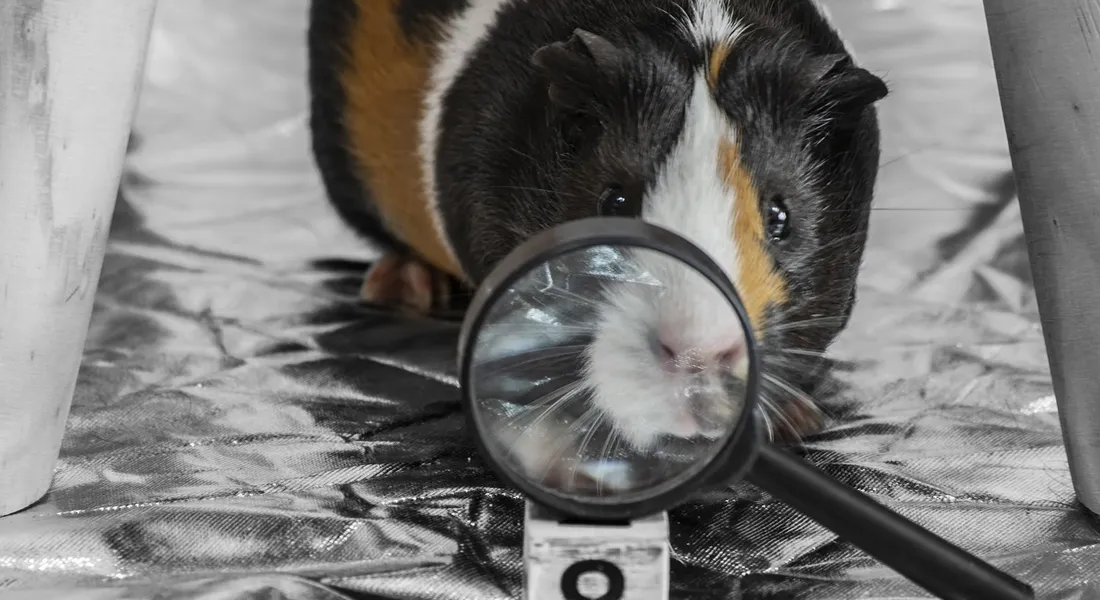
Gently part their fur under bright light. Using a magnifying glass helps spot tiny black specks (mite debris) or moving lice. Look for red skin, dry flakes, or any small wounds they’ve created.
-
Think about what they eat and where they sleep. My Pepper once itched badly until I switched from a dusty wood shaving bedding to paper-based. New foods, dusty hay, or strong cage cleaners can be hidden triggers.
-
Keep a simple log of what you see. Writing down symptoms, dates, and possible causes gives your vet a huge head start. Note scratching intensity, affected body parts, and any changes in behavior.
Immediate Relief and Home Care for Itchy Guinea Pigs
-
Prepare a shallow, lukewarm bath with colloidal oatmeal. A five-minute soak can temporarily calm inflamed skin and soothe your piggy. Always dry them thoroughly with a soft towel afterward to prevent chills.
-
Never use human anti-itch creams or dog flea products. Guinea pigs have extremely sensitive systems, and many over-the-counter treatments are toxic to them. Always consult an exotic vet before applying anything topical. In addition, humans can carry illnesses that make guinea pigs sick. Practice good hygiene and limit handling when you or others are ill.
-
Swap out bedding for plain, white paper towels for a day or two. This creates a hypoallergenic environment, helping you pinpoint if bedding is the irritant. I did this for Biscuit, and her scratching reduced within 24 hours.
When to Seek Veterinary Help
Signs That Require Urgent Care
- Severe hair loss, especially in patches or accompanied by redness, often signals mites or fungal issues. When my guinea pig Biscuit started losing fur on her back, I knew it wasn’t just normal shedding and acted quickly.
- Open wounds or sores that appear inflamed or oozing can lead to serious infections if left untreated. I once noticed a small cut on Pepper that worsened overnight, teaching me how fast skin problems can escalate.
- Behavioral changes like increased lethargy, loss of appetite, or constant scratching beyond normal grooming. If your guinea pig seems unusually irritable or withdrawn, it’s a clear sign something’s wrong and needs immediate attention.
- Prompt treatment is vital to stop parasites or infections from spreading or causing long-term harm. Delaying care can make recovery slower and more stressful for your pet, so don’t hesitate to call your vet.
What to Expect During a Vet Visit
- Common tests include skin scrapings to check for mites, fungal cultures for ringworm, or blood work to rule out underlying issues. During Clover’s visit, the vet did a quick skin scraping that revealed mites, which helped us target the problem right away.
- Treatment plans often involve medications like ivermectin for parasites or antifungal creams, along with follow-up care. Based on the diagnosis, your vet might prescribe topical treatments or oral meds, and I’ve found sticking to the schedule speeds up healing.
- Your vet may discuss environmental adjustments or diet changes to support recovery. After Biscuit’s fungal issue, we tweaked her habitat to keep it drier and less prone to irritants.
Preventing Itching and Skin Problems

- Maintain clean bedding and cage hygiene by changing it weekly and using safe, absorbent materials like paper-based litter. I clean my guinea pigs’ cage every Sunday to prevent mites and bacteria buildup, which has cut down on scratching episodes.
- Ensure a balanced diet rich in vitamin C from fresh veggies like bell peppers and leafy greens, as deficiencies can weaken skin health. Feeding Pepper a daily slice of orange or kale has kept her coat shiny and reduced irritation over time.
- Practice regular grooming with gentle brushing and monitor for allergens like dust or strong scents in their environment. I brush Clover weekly to remove loose fur and check for early signs of issues, making it a bonding routine that promotes well-being.
Community Insights and Shared Experiences
-
Many owners I’ve spoken with swear by adding a teaspoon of coconut oil to their guinea pig’s diet to soothe dry skin. I tried this with Clover, and her light brown coat became noticeably softer within weeks, reducing her scratching episodes. If you’re wondering, ‘do guinea pigs have dandruff?’, this is a common skin health question we cover in our guinea pig dandruff skin health guide. That guide explains common causes of dandruff and how to address them, from proper grooming to environmental factors. Always consult your vet before introducing new foods to avoid digestive issues.
-
One common mistake is bathing guinea pigs too often, which strips their skin of natural oils. I learned this the hard way with Biscuit—his reserved nature made baths stressful, and overdoing it led to more itching. A complete guinea pig grooming guide also covers nail trimming and brushing. Stick to baths only when necessary, using a gentle, guinea pig-safe shampoo.
-
Success stories often involve switching to dust-free bedding, like paper-based options. After Pepper’s golden brown fur started looking irritated, I swapped to a hypoallergenic brand, and his gentle demeanor returned with less itching. This simple change can prevent allergies and keep your pet comfortable.
-
Anecdotal tips include using a soft-bristled brush for daily grooming to distribute oils and check for parasites. Regular brushing sessions with my trio helped me spot early signs of mites on Clover’s dark spots, allowing quick treatment. This proactive approach saves you from bigger health scares down the line.
-
Common errors involve ignoring environmental factors like cage cleanliness. I once skipped a deep clean and noticed Biscuit’s cream patterns were dull—turns out accumulated waste was irritating his skin. This shows one of the 11 biggest health hygiene mistakes guinea pig owners make. Recognizing and addressing these issues helps keep pets healthy and comfortable. Aim for weekly cage sanitization to reduce itch triggers and support animal welfare.
-
Owners report success with adding vitamin C-rich veggies, like bell peppers, to boost skin health. Pepper’s steady personality shone brighter when I included these in his diet, cutting down on scratching. A balanced diet is key, but overfeeding treats can backfire, so measure portions carefully.
FAQs
Why is my guinea pig itching and sneezing?
Itching and sneezing together often indicate allergies to environmental factors like dusty bedding or airborne irritants. Removing these triggers and ensuring good ventilation can help alleviate symptoms.
What should I do if my guinea pig is itching and losing hair?
This combination may signal parasites such as mites or a fungal infection like ringworm in guinea pigs. Ringworm in guinea pigs is caused by dermatophyte fungi and can spread between animals. Common symptoms include circular patches of hair loss, itching, and flaky skin. Consult a veterinarian for accurate diagnosis and safe treatment options to prevent further issues.
Are there any safe home remedies for guinea pig itching?
A lukewarm bath with colloidal oatmeal can offer temporary relief for mild itching by calming the skin. Always check with a vet first to avoid using harmful substances that could worsen the condition.
Your Guinea Pig’s Comfort Starts With You
When your guinea pig scratches, always start with a vet visit to rule out medical causes like mites or fungal infections. If your guinea pig is new, schedule their first veterinary check-up as part of onboarding. Next, focus on their habitat by using safe, dust-free bedding and a high-fiber diet to support healthy skin from the inside out.
Caring for a small pet is a big responsibility that involves constantly learning about their unique needs. By choosing sustainable products and paying close attention to their behavior, you create a healthier, happier life for your furry friend and our planet. Proper guinea pig care also includes providing a spacious cage, clean water, fresh hay, and daily social time. Regularly check their teeth, weight, and eating habits to catch issues early.
Further Reading & Sources
- Common Guinea Pig Conditions & Problems | Blog
- Itchy guinea pig likely has 1 of 3 ailments – The Animal Health Foundation | The Animal Health Foundation
- Why is my guinea pig scratching? – RSPCA Knowledgebase
- Help! My Guinea Pig Is Scratching, Losing Hair | Walkerville Vet
Kate is a passionate guinea pig owner and advocate for small pet welfare. With over a decade of experience caring for guinea pigs, she has become a trusted voice in the small pet community.
Uncategorized