How to Tell if Your Guinea Pig is Stressed or Anxious
Published on: February 16, 2026 | Last Updated: February 16, 2026
Written By: Kate M. Callahan
Hey CavyFam, ever watch your guinea pig and wonder if that quiet hiding or sudden popcorn is a sign of joy or jitters? You’re not alone, as these subtle cues can be tricky to interpret.
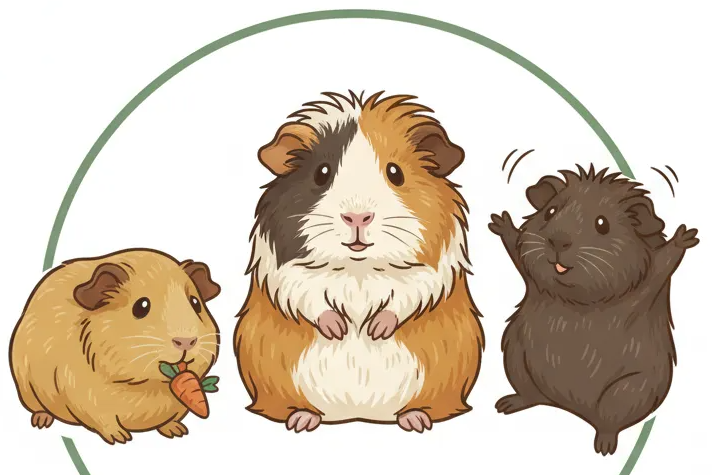
In this guide, we’ll explore common stress signs, hidden anxiety triggers, and simple calming solutions to help your pet feel secure. I’ve learned this through years of caring for my own trio-Pepper, Clover, and Biscuit-each with their unique personalities and needs.
Spotting the Signs of a Stressed Guinea Pig
Guinea pigs communicate stress through subtle shifts in behavior and body language that are easy to miss if you are not watching closely. Early detection of these signs can prevent more serious health issues and help your pet feel secure again.
Common physical and behavioral symptoms include hiding more than usual, lethargy, and a drop in appetite. If your guinea pig avoids interaction or seems less active, it is often a red flag for underlying stress. Learning to interpret these behaviors and body language can help you respond quickly. Look for changes in posture, ear position, and vocalizations as part of routine observation.
- Hiding: They may retreat to corners or hideouts for extended periods.
- Lethargy: A noticeable lack of energy or reluctance to explore their environment.
- Reduced appetite: Skipping favorite veggies or hay, which I have seen with Biscuit, my Peruvian guinea pig, when he feels unsettled.
Body language cues are telling indicators of their emotional state. A hunched posture, wide eyes, or freezing in place often signal fear or discomfort, much like when Clover, my Abyssinian, stiffens up at sudden movements.
Vocalizations and noises, such as teeth chattering or stressed squeaks, especially at night, can point to anxiety. I have heard Pepper, my American guinea pig, chatter his teeth during noisy evenings, a clear sign he needs a quieter space.
Changes in grooming habits or unusual behaviors like bar chewing also warrant attention. Over-grooming or neglecting fur care can stem from stress, while repetitive bar chewing might indicate boredom or frustration in their enclosure.
What Triggers Stress and Anxiety in Guinea Pigs
Identifying the root causes of stress is key to creating a calm and safe environment for your guinea pig. Environmental factors, such as loud noises or poor housing conditions, are common triggers that disrupt their sense of security.
- Loud noises: Sudden sounds from appliances or thunderstorms can startle them easily.
- Sudden changes: Moving cages or altering their routine without gradual adjustment.
- Poor housing: Cramped, dirty, or poorly ventilated spaces that limit movement and comfort.
Social stressors, like conflicts with cage mates or insufficient socialization, can lead to anxiety. In my experience, ensuring guinea pigs like Pepper and Clover have compatible companions reduces tension and promotes well-being.
Health-related triggers, such as pain from dental issues or infections, often manifest as behavioral changes. Regular health checks are vital, as untreated ailments can worsen stress and impact their overall quality of life.
Quick Steps to Calm an Anxious Guinea Pig

When your guinea pig acts stressed, swift action can restore their peace. I rely on these steps daily with Pepper, Clover, and Biscuit to keep them content and secure. In my ultimate guide to foraging toys and activities, these steps translate into practical enrichment ideas. Pair them with engaging foraging toys to boost mental stimulation and daily activity.
-
Create a quiet, safe space by reducing noise and disturbances. Move their enclosure away from loud appliances or foot traffic to mimic the calm they’d find in nature. I noticed Clover relax instantly when I shifted her cage to a serene corner away from the TV’s blare.
-
Limit handling and provide familiar items to ease tension. Offer their favorite hideouts or chews to distract and comfort them without physical contact. After realizing Biscuit prefers his wooden tunnel during noisy times, I keep it handy to reduce his anxiety.
-
Use gentle calming techniques like soft talking or offering favorite treats. Speak in a low, reassuring tone while handing out small bits of fresh veggies to build trust. Pepper perks up when I whisper sweet nothings and slide a slice of cucumber his way-it’s our little ritual.
When Stress Becomes Serious: Veterinary Red Flags
Stress can escalate quickly, so watch for warning signs that need expert care. Ignoring these symptoms risks your pet’s health, as I learned when one of my pigs showed subtle changes that hinted at bigger issues.
-
List symptoms that require immediate vet checks, such as rapid breathing or significant weight loss. Labored panting or a sudden drop in appetite often signals underlying illness that demands prompt attention. I rushed Clover to the vet after she lost weight and breathed heavily, which uncovered a respiratory infection.
-
Explain how prolonged stress can lead to health issues or, in rare cases, stress-related death. Chronic anxiety weakens their immune system, making them prone to infections or digestive troubles. In severe situations, extreme fear can trigger fatal shock, so never dismiss ongoing distress.
-
Emphasize the importance of monitoring for persistent signs. Track behaviors like hiding or reduced vocalizations over days to catch patterns early. With Biscuit, I log his activity in a simple journal to spot trends and act before problems worsen.
Long-Term Strategies for a Stress-Free Guinea Pig Life
Creating a calm, engaging environment for your guinea pig requires consistent effort and thoughtful changes to their daily life. Over the years with Pepper, Clover, and Biscuit, I’ve learned that a proactive approach is far more effective than reacting to stress after it appears. Small, daily investments in their happiness build a foundation of trust and security. For practical ideas, boredom busters for guinea pigs—20 safe, engaging enrichment ideas—can help keep them curious and thriving.
Enrichment Ideas to Reduce Anxiety
Boredom is a major source of stress for these intelligent creatures. Rotating their toys and reconfiguring their habitat every week or so prevents monotony and encourages natural curiosity. My trio, especially Biscuit, becomes much more active and vocal when they discover a “new” setup in their familiar space.
- Offer a variety of safe chew toys made from untreated wood, seagrass, or cardboard to satisfy their gnawing instincts.
- Create simple foraging opportunities by hiding their daily veggie ration inside empty toilet paper tubes or a hay-stuffed paper bag.
- Introduce safe, movable items like small ramps, tunnels, and fleece forests to encourage exploration and exercise.
- Provide different textures in their bedding and resting areas, such as a soft fleece pad next to a pile of fresh, crunchy hay.
Socialization and Trust-Building Through Handling
Guinea pigs are prey animals, so trust is earned, not given. Moving slowly and speaking in a soft, gentle voice has been the single most important factor in building a bond with my more reserved pig, Biscuit. Rushing this process will only reinforce their fears. Overcoming shyness happens step by step, a gentle, confidence-building path for timid guinea pigs. With patience, you guide them toward trusting you, one small victory at a time.
- Begin by simply sitting near their cage, allowing them to get used to your presence and scent without any pressure.
- Offer high-value treats, like a small piece of cilantro or bell pepper, from your flat, open palm inside the cage.
- When lifting them, always provide full body support. Scoop from below, cradling their chest and hindquarters securely against your body.
- Keep initial handling sessions brief-just five to ten minutes-and always end on a positive note with a favorite treat.
Diet and Routine Adjustments for Well-Being
A predictable routine and a nutritious diet are pillars of a stress-free life. My guinea pigs know the sound of the veggie drawer opening, and their excited wheeking tells me they feel secure in their daily schedule. Sudden changes in their food or timing can cause significant anxiety.
- Provide a constant, unlimited supply of fresh, high-quality timothy hay to support digestion and dental health.
- Stick to a consistent daily schedule for feeding fresh vegetables, refilling water, and performing spot cleans in their cage.
- Incorporate a stable, measured amount of fortified guinea pig pellets to ensure they receive essential Vitamin C.
- Introduce any new foods very gradually over a week to avoid digestive upset, which is a major stressor.
FAQs
What are common signs of stress in guinea pigs at night?
At night, stressed guinea pigs may chatter their teeth or emit frequent, distressed squeaks while hiding or showing restlessness. These behaviors often indicate anxiety from environmental disturbances like noise or light changes. Are guinea pigs sensitive to loud noises? They often respond with startled squeaks or quick movements when exposed to unexpected sounds.
What sounds do guinea pigs make when they are stressed?
Stressed guinea pigs often produce teeth chattering, hissing, or sharp, repetitive squeaks to express fear or discomfort. These vocalizations can occur during handling or in response to sudden noises in their surroundings. In a complete guide to guinea pig vocalizations, these sounds are explained with what they mean and how to respond. Learning these cues helps you comfort your pet and prevent unnecessary stress.
Can stress lead to death in guinea pigs?
Yes, extreme or chronic stress can compromise a guinea pig’s health, potentially leading to fatal shock or secondary illnesses. Early intervention is vital to prevent such outcomes and ensure their well-being. Guinea pigs can die from shock if stress isn’t managed, so understanding the risks and recognizing warning signs is essential for prevention.
How can I help my guinea pig if it shows stress signs?
Create a calm environment by reducing loud noises and providing hideouts to make them feel secure. Gradually introduce positive interactions with gentle talking and favorite treats to ease their anxiety.
What body language indicates a guinea pig is stressed?
Stressed guinea pigs may display a hunched posture, wide eyes, or freezing in place as signs of fear. They might also puff up their fur or avoid eye contact when feeling threatened or uneasy. To know if your guinea pigs are happy, look for a relaxed posture and curious exploration. Happy guinea pigs often groom themselves, explore, and vocalize softly.
You Can Create a Happier Home for Your Guinea Pig
By paying close attention to their daily habits and body language, you can quickly spot the subtle signs of stress in your guinea pig. Creating a predictable routine and a safe, enriching habitat is the most powerful way to ease their anxiety and help them feel secure.
Being a responsible pet owner means committing to lifelong learning about your guinea pigs’ unique needs and behaviors. Caring for them with intention and choosing eco-friendly options for their habitat is a wonderful way to honor the special bond you share. Preparing your home for their lifespan means anticipating their changing needs from youth to senior years. By planning ahead, you’ll ensure a safe, comfortable, and stimulating environment at every stage of life.
Further Reading & Sources
- Know Your Guinea Pig Is Happy | RSPCA – RSPCA – rspca.org.uk
- Guinea Pig Stress Signs | Chewy
- Stressed Guinea Pig? How to Spot the Signs | 9 Ways to Calm Your Cavy – Home & Roost
- How stress presents itself in guinea pigs, hamsters and other small furries – Molesey Vets
Kate is a passionate guinea pig owner and advocate for small pet welfare. With over a decade of experience caring for guinea pigs, she has become a trusted voice in the small pet community.
Uncategorized