Are Blankets and Covers Safe for a Guinea Pig Cage?
Hello CavyFam! You might be wondering if cozy blankets and covers are a safe choice for your guinea pig’s home. It’s a common worry, as we all want to create the most comfortable and secure environment for our little friends.
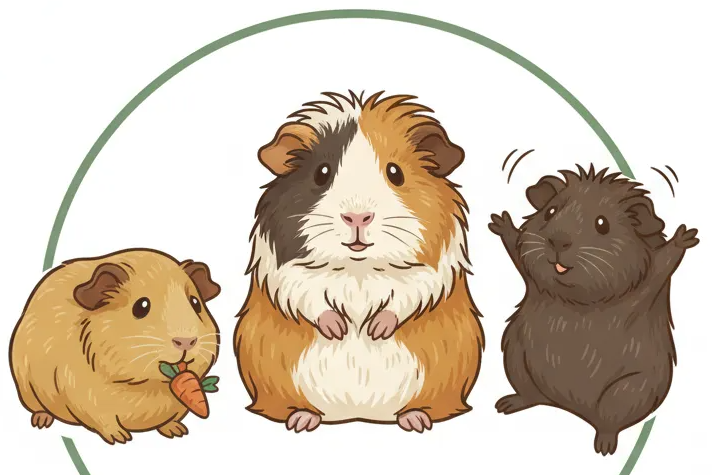
In this guide, I’ll share my personal experience and walk you through safety guidelines, material options, proper setup techniques, and smart alternatives. I’ve learned all this through years of caring for my own guinea pigs: the gentle Pepper, graceful Clover, and intelligent Biscuit.
Are Blankets Safe for Guinea Pig Cages?
Blankets can be a cozy addition, but safety depends entirely on how you use them. Always supervise your guinea pigs closely when introducing any new fabric to their habitat. My own guinea pig, Biscuit, once decided a fleece corner was a perfect snack, reminding me that chewing is their natural instinct.
You must check for loose threads or holes daily. A small loose thread can quickly become a dangerous entanglement hazard for tiny feet. Regular, thorough inspections are your best defense against accidental injury. I make it a part of my morning routine, right after giving them fresh veggies.
Blankets also trap moisture from urine, which can lead to dampness and skin problems. Pairing a blanket with a highly absorbent layer underneath is non-negotiable for your pet’s health. A wet, cold environment is a fast track to respiratory issues, something I learned the hard way with Pepper.
What Types of Blankets Are Safe for Guinea Pigs?
Choosing the right material makes all the difference for your pet’s comfort and safety. Opt for blankets made from tightly woven, non-pilling fabrics that resist unraveling. Fabrics that shed a lot of lint are a poor choice as they can cause digestive issues if ingested.
- Anti-Pill Fleece: The gold standard. It doesn’t fray and wicks moisture away from the surface.
- Flannel: Soft and generally safe if it has a tight weave and no loose threads.
- Cotton Terry Cloth: Absorbent, but only use if the loops are very tight to prevent toe injuries.
I avoid any blankets with decorative elements like sequins, buttons, or long fringe. Simplicity is safest when it comes to your guinea pig’s bedding materials. Clover, my curious Abyssinian, would undoubtedly try to eat anything shiny. Understanding common bedding mistakes that can harm your guinea pig’s health is important—like pine or cedar shavings, dusty materials, or fabrics she might chew. Opting for simple, safe bedding and regular changes helps prevent respiratory and GI issues.
Is Fleece a Good Choice for Guinea Pig Bedding?
Fleece is an excellent choice, but it requires a specific setup to work correctly. Fleece itself is not absorbent; it pulls moisture through to the layer below, keeping the surface dry. This creates a comfortable walking area that helps prevent painful conditions like bumblefoot.
You must use an absorbent layer underneath, such as towels or u-haul padding. Without this absorbent layer, urine will simply pool underneath the fleece, creating a swampy mess. I change my fleece liners every three days to ensure a fresh, dry environment for my herd. To prevent common washing errors, remember these eight mistakes to avoid when maintaining fleece liners. This helps ensure they stay clean and dry longer.
The initial cost is higher than disposable bedding, but fleece is reusable and economical long-term. Washing fleece liners with a gentle, fragrance-free detergent makes them a sustainable bedding option. I’ve used the same set for over a year with no issues. Compared with disposables, fleece liners cut waste and total costs. They also reduce repeated exposure to chemicals in some disposable bedding.
Are Synthetic Fabrics Safe for Guinea Pig Blankets?
Many synthetic fabrics are safe, but you need to be selective. Anti-pill fleece and certain polyester blends are generally safe because they don’t produce harmful dust or have long, dangerous fibers. The key is the fabric’s construction, not just its material composition.
I steer clear of plush, faux fur, or any fabric with a long, shaggy pile. These materials can be chewed and ingested, leading to serious intestinal blockages. They also hide waste, making it difficult to keep the cage clean.
Always perform a “snag test” before using any synthetic blanket. If your fingernail easily catches and pulls threads loose, that blanket is not suitable for your guinea pig’s home. It’s a simple, five-second check that can prevent a potential emergency. Proper guinea pig care means keeping their habitat safe from hazards like loose threads. Regularly inspect bedding and fabrics for wear.
How to Safely Place and Use Blankets in the Cage

Laying a blanket down seems simple, but a few key steps ensure your pet’s comfort and safety. Always start by tucking the edges securely under the cage liner or bedding to prevent curious noses from burrowing underneath and creating a tripping hazard. My guinea pig, Pepper, once got a little tangled, teaching me to be extra diligent with this step.
What Size Blanket Is Appropriate for a Guinea Pig Cage?
The ideal blanket should cover the main living area without excessive overhang. A blanket that is slightly smaller than the cage’s floor dimensions is perfect, as it allows for a secure fit and prevents bunching. For a standard 2×4 grid cage, a blanket measuring roughly 30×50 inches works wonderfully.
- Measure your cage’s interior floor space first.
- Choose a blanket that is 1-2 inches smaller on all sides for a snug, safe fit.
- Avoid oversized blankets that can be chewed on or create folds where a guinea pig could get stuck.
My Abyssinian, Clover, appreciates a perfectly fitted blanket she can popcorn on without any slipping.
Cleaning and Hygiene for Guinea Pig Blankets
Cleanliness is non-negotiable for a healthy habitat. Guinea pigs have sensitive respiratory systems, and soiled fabrics can quickly lead to ammonia buildup and potential health issues. I use a dedicated laundry basket just for my pets’ linens to keep everything organized and hygienic. A complete guinea pig hygiene cleaning routine also includes regular cage cleaning, substrate changes, and disinfecting bowls and toys. Sticking to a consistent schedule helps maintain clean air and prevent health issues.
How Often Should You Clean a Guinea Pig Blanket?
You should wash cage blankets at least once a week. In a multi-pig home or if you notice damp spots, a mid-week spot clean or full change is a wise precaution. My trio—Pepper, Clover, and Biscuit—prompt a Wednesday and Sunday wash routine to keep their space fresh. For a complete schedule on how often to clean a guinea pig cage, see a guide. It walks you through daily, mid-week, and weekly tasks tailored to your setup.
- Shake off loose hay and debris outdoors.
- Wash in hot water with a gentle, fragrance-free detergent.
- Avoid fabric softeners, as the chemicals can irritate delicate skin and lungs.
- Tumble dry on low heat or air dry completely to prevent mildew.
A clean blanket doesn’t just look nice; it’s a cornerstone of responsible guinea pig care.
Common Risks and How to Avoid Them
Are Loose Threads a Choking Hazard for Guinea Pigs?
Yes, loose threads are a serious choking and entanglement risk for guinea pigs. My guinea pig, Biscuit, once got a thread from an old towel wrapped around her tiny foot. Guinea pigs are natural chewers and will nibble on anything fibrous, which can lead to dangerous blockages if swallowed. I learned to carefully inspect every piece of fabric by running my hands over it, feeling for any pulls or loose loops.
Always trim any loose threads you find with sharp scissors. Choosing tightly woven fabrics with a short pile, like certain types of fleece, significantly reduces the risk of threads coming loose in the first place. A quick pre-wash and inspection of new materials can also catch potential problems before they enter the cage.
Safe Alternatives to Blankets for Guinea Pig Comfort
If you’re worried about the risks of standard blankets, you have excellent, safer options. I’ve tested many over the years with my trio, Pepper, Clover, and Biscuit.
Guinea Pig-Specific Fleece Liners
These are my top recommendation for a safe, cozy cage floor. Proper fleece liners are designed with absorbent layers underneath a soft, moisture-wicking top surface that keeps your pets dry. Unlike terry cloth or other fabrics, high-quality fleece doesn’t have loops that can unravel into dangerous threads.
Paper-Based Bedding
For a completely different approach, paper bedding is a fantastic choice. It’s highly absorbent, controls odor well, and is safe for your guinea pigs to burrow and nest in. I find it creates a very natural and enriching environment for them to express their digging instincts. If you’re weighing options, you might compare paper vs wood vs fleece to see what works best for your guinea pig. Factors like absorbency, dust, odor control, and ease of cleaning often guide the choice.
- Choose dust-free paper bedding to protect their sensitive respiratory systems.
- Look for bedding made from unbleached, recycled paper for an eco-friendly option.
- Provide a deep layer, at least a couple of inches, so it’s comfortable for walking and burrowing.
Cuddle Sacks and Fleece Forests
These items provide the cozy, enclosed feeling of a blanket without the associated risks. A fleece cuddle sack gives your guinea pigs a dedicated, safe space to hide and sleep that is much harder for them to chew apart. You can also make DIY fleece liners and accessories to customize their cage. A fleece forest, with strips of fleece hanging from a frame, offers playful enrichment and a sense of security.
FAQs
Can blankets cause suffocation for a guinea pig?
Yes, blankets can pose a suffocation risk if they are heavy or if a guinea pig burrows underneath and becomes trapped. Always use lightweight, breathable fabrics and secure the blanket properly to minimize this danger.
Should blankets be used only for warmth or as bedding too?
Blankets can be used for both warmth and bedding, but it’s crucial to select safe materials that manage moisture and resist chewing. For bedding, prioritize fabrics like fleece that keep the surface dry, while ensuring any blanket used for warmth is free from hazards.
Can blanket fibers be ingested by a guinea pig?
Yes, guinea pigs may ingest loose fibers from blankets, which can cause intestinal blockages and serious health problems. Regularly check for fraying or loose threads and choose tightly woven fabrics to reduce this risk, especially when selecting bedding options for your guinea pig.
Your Guinea Pig’s Cozy Corner: Final Thoughts
From my time with Pepper, Clover, and Biscuit, I’ve learned that safe blankets must be chew-resistant and free of loose threads to prevent health issues. Always prioritize materials like fleece over risky fabrics, and wash them weekly to avoid mold and bacteria buildup.
Responsible pet ownership means staying curious about eco-friendly options, like reusable bedding, to reduce waste and protect our furry friends. By learning how guinea pigs nest, you can choose bedding that keeps them warm and dry. Understanding their nesting behavior helps you meet their bedding needs in a sustainable way. Your commitment to learning and adapting ensures a happier, healthier life for your guinea pigs and a greener world for all.
Further Reading & Sources
- Guinea pig housing requirements and bedding options | Humane World for Animals
- Guinea Pigs Cage Safety – Cat, Dog, and Kid Proofing
- Cage Guide | Southern California Guinea Pig Rescue
- Guinea Pig Cages
Kate is a passionate guinea pig owner and advocate for small pet welfare. With over a decade of experience caring for guinea pigs, she has become a trusted voice in the small pet community.
Uncategorized