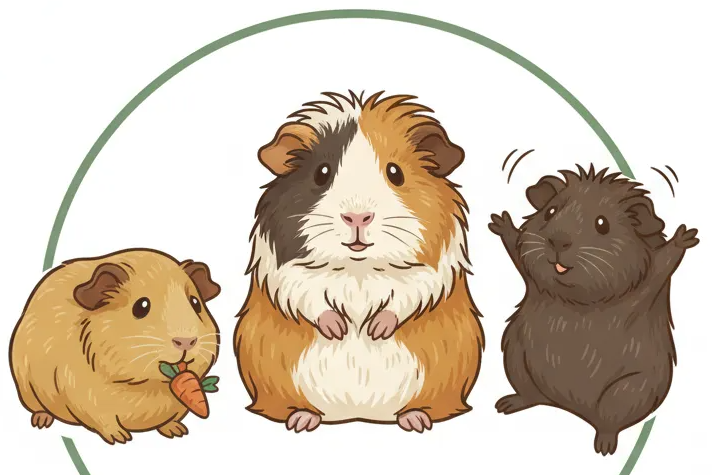
Common Bedding Mistakes That Can Harm Your Guinea Pig’s Health
Hello CavyFam! Are you worried that your guinea pig’s cozy bedding might secretly be harming their health?
I’ve seen how simple oversights can lead to respiratory issues or infections in these sensitive pets.
In this guide, I’ll highlight the top bedding errors to avoid, such as:
- Choosing unsafe materials like cedar or scented options
- Skipping regular bedding changes
- Using bedding that’s too shallow or dusty
- Ignoring signs of discomfort or allergies
Having cared for my guinea pigs Pepper, Clover, and Biscuit for years, I’ve learned what keeps them safe and happy.
Why Your Guinea Pig’s Bedding Is a Health Cornerstone
Your guinea pig’s bedding is far more than just a floor covering; it’s the foundation of their daily environment. I’ve found that the right bedding directly impacts their respiratory health, paw comfort, and even their stress levels. My guinea pig, Biscuit, used to sneeze frequently until I switched his bedding, which was a real eye-opener for me.
A proper bedding layer performs several critical jobs at once. It absorbs moisture effectively to keep their delicate skin dry and prevent painful conditions like bumblefoot. I always check Pepper’s feet during lap time to ensure they’re clean and healthy.
Good bedding also controls odor and provides a soft surface for their sensitive feet. Clover, my graceful Abyssinian, visibly relaxes when her bedding is fresh and deep enough for her to nestle into. This simple layer truly is your first line of defense in maintaining their overall wellness.
Dangerous Bedding Materials to Avoid Immediately
Some common bedding choices can pose serious, hidden dangers to your guinea pigs. I learned this the hard way early on and now carefully vet every bag of bedding I buy. Here are the materials you should remove from your shopping list today. This is part of the ultimate guide to safe bedding options for guinea pigs. We’ll walk through what to choose and why in upcoming sections.
- Pine and Cedar Shavings: These softwood shavings release aromatic phenols that can cause severe respiratory distress and liver damage. I noticed Pepper’s breathing improved dramatically after I stopped using pine shavings entirely. The pleasant scent you might notice is actually a warning sign of these harmful compounds.
- Scented Litters and Beddings: Added fragrances, whether synthetic or from essential oils, can overwhelm their sensitive respiratory systems. Artificial scents mask odors rather than addressing the source, creating a false sense of cleanliness while potentially harming your pet. My rule is simple: if I can smell it strongly, it’s too potent for them.
- Dusty Paper or Wood Products: Excessive dust particles can lead to chronic respiratory issues and eye irritation. Always shake a small amount of bedding in your hand outdoors to check the dust cloud before purchasing. Biscuit used to get weepy eyes until I switched to a low-dust alternative.
- Colored or Dyed Beddings: Artificial dyes serve no purpose for your guinea pig and may contain toxic chemicals. These additives can be ingested during grooming or cause skin irritation upon contact. I stick with natural, unbleached materials for all three of my guinea pigs.
- Clumping Cat Litters: These can cause serious digestive blockages if ingested and often contain harmful additives. When Clover once nibbled on some tracking litter, I immediately removed it and haven’t used clumping products since. The risk simply isn’t worth the convenience.
Spotting the Signs of Unsafe or Dirty Bedding

-
Look for visual cues like fuzzy mold patches or damp spots in the bedding. Mold growth often appears as green, white, or black specks and signals high moisture levels that can harm your guinea pig’s lungs. I once noticed this with Biscuit’s cage after a humid week; the bedding felt soggy and had visible discoloration.
-
Pay attention to sensory warnings, such as a sharp ammonia smell when you open the cage. A strong odor indicates urine buildup, which releases harmful gases that irritate your pet’s respiratory system. With Pepper, I learned to sniff-test the bedding daily to catch issues early.
-
Watch for physical symptoms in your guinea pig, like frequent sneezing, red or swollen feet (sore hocks), or lethargy. These signs often point to bedding-related problems, such as allergies or infections from unclean conditions. Clover developed sneezing fits once, and switching to drier bedding made a huge difference.
Common Bedding Hygiene Errors and Their Fixes
-
Infrequent bedding changes lead to ammonia buildup from urine. Replace soiled bedding at least twice a week to prevent toxic fumes and keep your guinea pig healthy. I set a reminder for Pepper’s cage, swapping out wet spots daily and doing full changes every three days.
-
Poor ventilation and inadequate moisture control raise risks of mold and bacteria. Ensure your cage has good airflow and use absorbent materials like paper-based bedding to wick away dampness. For Clover, I added a small fan nearby and layered bedding to reduce wetness.
-
Follow simple steps for hygiene: spot-clean daily, use a moisture-absorbent liner, and avoid overfilling the cage. A complete guinea pig hygiene cleaning routine also includes regular full cage cleans and refreshing bedding. Regular checks and quick fixes help prevent mold and keep your guinea pig’s environment safe and cozy. With Biscuit, I mix in hay for extra absorption and change it out before it gets compacted.
Your Guide to Safe and Soothing Bedding Choices
Choosing the right bedding is one of the most impactful decisions you’ll make for your guinea pig’s daily life. I’ve found that the material under their tiny feet directly influences their mood, health, and even how much they “popcorn” with joy. When it comes to paper, wood, versus fleece bedding, each option has trade-offs worth weighing for safety and comfort. I’ll help you compare these choices to decide which is best for your guinea pig.
Paper-Based Bedding: The Super Absorbent Choice
Paper bedding is a fantastic, soft option that I’ve used for years with my trio. It’s made from recycled paper, forming a plush, cushiony layer.
- Pros: Highly absorbent, excellent odor control, soft on sensitive feet, and virtually dust-free if you choose a quality brand.
- Cons: Can be more expensive over time, needs frequent changing, and some guinea pigs might try to nibble on it (though it’s generally safe if ingested in small amounts).
Fleece Liners: The Reusable Revolution
After switching to fleece, I noticed my piggies, especially the graceful Clover, seemed more active and comfortable. Fleece liners are a reusable system consisting of a soft top layer and an absorbent inner layer, like towels or u-haul pads. Compared with disposable bedding, fleece liners are reusable, helping reduce waste and long-term costs. They also simplify moisture control and cleaning, supporting healthier piggies.
- Pros: Cost-effective long-term, incredibly soft and cozy, reduces waste, and comes in fun colors and patterns.
- Cons: Requires an upfront investment, needs a dedicated laundry routine, and you must spot-clean multiple times a day to keep it dry.
Sourcing Your Bedding Smartly
You can find great options without breaking the bank. For paper bedding, I always buy in bulk from pet supply stores or online warehouses to save money. Look for brands that are explicitly labeled as low-dust. For fleece, you don’t need special “pet” liners. I make my own by sewing an absorbent towel between two layers of anti-pill fleece, which is a fraction of the cost. That same DIY approach works well for guinea pig cages, letting you tailor fleece liners to fit your setup. You can also craft simple accessories like washable corner pads or removable covers to go with them. You can also find talented sellers on Etsy who create custom-sized cage liners.
Simple Steps for Perfect Bedding Maintenance
A clean home is a healthy home, and a simple routine makes all the difference. Sticking to this schedule has kept my guinea pigs’ living space fresh and has noticeably cut down on any lingering odors.
-
Daily Spot-Cleaning Routine
Twice a day, I do a quick sweep of the cage. Use a small dustpan or a dedicated “poop scoop” to remove soiled bedding patches and visible droppings. Pay special attention to the corners where they tend to relieve themselves. For fleece, I use a small hand-broom or a mini-vacuum designed for pet messes. This five-minute task prevents moisture buildup and keeps the environment hygienic.
-
Weekly Deep-Cleaning Schedule
Once a week, it’s time for a full reset. Completely remove all old bedding and scrub the entire cage base with a 50/50 vinegar and water solution. This natural disinfectant is safe and effective. Rinse thoroughly and dry completely before adding a fresh, deep layer of new bedding. For fleece liners, I shake them outside, then wash them in a pet-safe, fragrance-free detergent with an extra rinse cycle.
-
Personal Tricks for Bedding Longevity
Over time, I’ve picked up a few hacks to make life easier. I always put a layer of plain, non-clumping paper pellet bedding underneath my paper bedding for an extra absorbency boost. With fleece, I keep two full sets of liners so one is always clean and ready to go. To make my piggies even happier, I add a handful of fresh, fragrant hay like timothy or orchard grass on top of their clean bedding, which encourages natural foraging behavior. In the hay department, I often weigh the options between a hay rack vs loose hay to see which better promotes natural foraging behavior. I find that a small hay rack can slow consumption and extend curiosity, while a loose pile invites more exploration.
FAQs

What are some safe bedding alternatives for guinea pigs besides paper and fleece?
Aspen wood shavings are a safe, absorbent choice that lack harmful phenols found in cedar or pine. Hemp or cellulose-based beddings also offer low dust and excellent moisture control for your pet’s comfort.
Can I find good guinea pig bedding on Amazon?
Yes, Amazon stocks reputable brands like Kaytee Clean & Cozy or Small Pet Select paper bedding that are low-dust and unscented. Always verify product details and customer reviews to ensure safety before purchasing.
What guinea pig bedding is available at Walmart?
Walmart typically carries safe options like Carefresh paper bedding or aspen shavings in the pet aisle. Stick to unscented, low-dust varieties and avoid any pine or cedar products to protect your guinea pig’s health, especially when caring for your guinea pigs.
Are bedding pellets a good choice for guinea pigs?
Paper or wood pellets can be highly absorbent and cost-effective, especially as a base layer in the cage. However, they might feel too firm alone, so consider topping them with softer bedding for added comfort.
Why should I buy guinea pig bedding in bulk?
Purchasing bedding in bulk reduces long-term costs and ensures you never run out between essential changes. This approach helps save money on guinea pig supplies without compromising quality. Look for bulk deals online or at pet supply stores to maintain a consistent, safe environment for your guinea pig.
Your Guinea Pig’s Health Starts with You
The most important lesson is to always choose safe, absorbent bedding like paper or aspen and to commit to a consistent cleaning schedule. Your piggies’ comfort and safety are directly tied to the quality of their bedding environment.
Being a great pet owner means staying curious and always looking for new, eco-friendly ways to improve your pets’ lives. Your dedication to learning makes all the difference in providing a happy, healthy home for your small friends.
Further Reading & Sources
- The Best Bedding for Guinea Pig Cages
- 5 Common Mistakes Guinea Pig Owners Make – PetHelpful
- The Best Bedding for Guinea Pigs (2024 Update!) | GuineaDad
- Bedding – poo and pee, kitchens, fleece: best practice for piggy bedding
Kate is a passionate guinea pig owner and advocate for small pet welfare. With over a decade of experience caring for guinea pigs, she has become a trusted voice in the small pet community.
Uncategorized