How to Choose the Right Food Bowl for Your Guinea Pig
Hello CavyFam! Picking a food bowl for your guinea pig seems simple, but the wrong choice can lead to messy spills and even health risks. You want mealtime to be safe, clean, and stress-free for your furry friend.
In this guide, we’ll explore material options, the best bowl shapes, proper sizing, and smart placement tips.
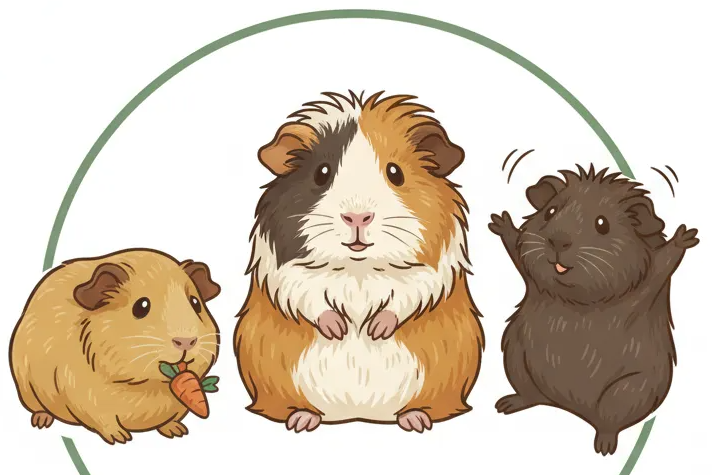
I’ve tested dozens of bowls with my own three guinea pigs, Pepper, Clover, and Biscuit, so you can trust this advice comes from real, lived experience.
Why Your Guinea Pig’s Food Bowl Matters
Selecting the proper food bowl goes far beyond simple aesthetics; it directly impacts your pet’s daily comfort and long-term health. The right bowl encourages natural, stress-free eating while preventing common household and health issues.
I learned this lesson the hard way with my first guinea pig, Pepper. His initial lightweight plastic bowl was constantly tipped over, scattering pellets into his bedding where they’d get soiled and wasted. Worse, he started chewing on the rim, and I grew worried about him ingesting plastic fragments. That experience solidified for me that a bowl is a critical piece of their habitat, not an afterthought.
- Reduced Spillage: A stable, well-designed bowl keeps food contained, saving you money and keeping their living space cleaner.
- Better Feed Hygiene: Non-porous materials resist bacteria buildup, ensuring your pet isn’t eating from a dirty surface.
- Comfort and Safety: A bowl that doesn’t slide around provides a secure dining experience and prevents potential injury from chasing their food.
- Encourages Natural Habits: A low-profile, easy-to-access bowl allows your guinea pig to eat in a comfortable, natural posture.
Choosing the Right Bowl Material for Safety and Durability
The material of your guinea pig’s bowl is your first and most important decision. Your primary concerns should be non-toxic properties, resistance to chewing, and how easy it is to keep sanitized. Guinea pigs will investigate everything with their mouths, so a chew-proof material is non-negotiable for their welfare. If you opt for plastic, choose food-grade, BPA-free options designed for animal use. Guinea pigs chew and may swallow small pieces, so safety matters—or consider ceramic or stainless steel bowls instead.
Before you buy, perform a simple stability test. A good bowl should have a low, wide profile and a heavy or wide base. Give it a gentle nudge with your finger; if it tips easily, it’s an accident waiting to happen in a busy cage.
- Stainless Steel: Highly durable, chew-proof, and the easiest to sterilize. It can be a bit lightweight and noisy if not secured.
- Ceramic: Excellent stability due to its weight and very resistant to chewing. The main drawback is that it can break if dropped.
- Plastic-Free Alternatives (Bamboo, Wheat Straw): Eco-friendly and often lightweight, but you must verify they are specifically designed to be non-toxic and are replaced at the first sign of chewing damage.
Stainless Steel Bowls: Lightweight and Hygienic
Stainless steel is my go-to recommendation for most owners because of its impeccable hygiene. The non-porous surface gives bacteria nowhere to hide, making it the safest choice for daily feedings. My guinea pig Biscuit is a determined chewer, and his stainless-steel bowl has held up perfectly for over a year without a single scratch.
Keeping it clean is straightforward. I follow this simple routine every day to ensure his health.
- Empty any uneaten food remnants into the trash.
- Wash the bowl with warm, soapy water, using a dedicated sponge or brush.
- Rinse thoroughly with clean water to remove all soap residue.
- Dry completely with a clean towel before refilling to prevent moisture from spoiling the new food.
Ceramic Bowls: Heavy and Chew-Resistant
Ceramic bowls are champions of stability. Their significant weight makes them nearly impossible for even the most enthusiastic guinea pig to tip over during mealtime. My graceful Clover appreciates that her ceramic dish stays perfectly put while she dines.
The one caution with ceramic is its potential to break. Always inspect the bowl for any chips or cracks before use, as these can harbor bacteria or have sharp edges. Look for bowls with a slightly textured or rubberized ring on the bottom; this provides a non-slip grip on smooth cage surfaces for added safety.
Plastic-Free and Eco-Friendly Alternatives
For owners seeking a sustainable option, several safe, plastic-free materials are available. These alternatives eliminate the risk of your pet ingesting harmful microplastics if they decide to gnaw on their dish. It is vital, however, to source these from reputable pet product companies that guarantee the materials are pet-safe and non-toxic.
This table helps you quickly compare the popular eco-friendly choices.
| Material | Key Advantage | Consideration |
|---|---|---|
| Bamboo Fiber | Biodegradable and naturally antimicrobial. | Can become damaged if chewed extensively; requires regular inspection. |
| Wheat Straw | Uses agricultural byproducts; very lightweight. | Not as durable as ceramic or steel; best for gentle eaters. |
| Food-Grade Silicone | Flexible, virtually unbreakable, and easy to clean. | Must be heavy-bottomed or it will tip easily; ensure it’s 100% food-grade. |
Selecting the Ideal Bowl Shape for Easy Feeding
The shape of your guinea pig’s food bowl directly impacts how comfortably they can eat and how much food stays in the bowl versus on the cage floor. An improperly shaped bowl can frustrate your pet and lead to significant food waste.
Here is a comparison of common bowl shapes to help you decide.
- Shallow Bowls: These are my top choice. They allow a guinea pig to easily reach every last pellet without straining their neck or having to climb inside.
- Deep Bowls: I’ve found these can be problematic. Your guinea pig may struggle to reach the bottom, leading them to tip the bowl over in frustration, which is exactly what my clever Biscuit does.
- Wide Openings: A bowl with a broad opening gives their sensitive whiskers plenty of room, preventing “whisker fatigue” and making mealtime more pleasant.
- Round Designs: Smooth, circular bowls with no corners are easiest to clean and offer no tricky spots for food to get stuck and spoil.
Follow these simple steps to measure for the perfect bowl size.
- Observe your guinea pig’s snout while they eat from a flat surface. Note how wide they comfortably open their mouth.
- The ideal bowl opening should be at least twice the width of their snout for easy access.
- Ensure the bowl’s height is low enough that they don’t have to lift their head at an awkward angle to eat.
Shallow and Wide-Mouth Bowls for Comfort
I strongly prefer shallow, wide-mouth bowls because they mimic the natural, low-to-the-ground grazing posture of guinea pigs. This design eliminates neck strain and allows them to see all their food at a glance, reducing anxiety.
My three guinea pigs each have distinct eating styles that these bowls accommodate perfectly. Gentle Pepper appreciates the ease of access and never makes a mess. Graceful Clover, who is a bit more thoughtful, likes to take her time and pick through her food, which a wide bowl allows. Even reserved Biscuit, who can be a bit skittish, feels secure enough to eat his fill without struggle.
Anti-Tip and Non-Slip Designs for Stability
A wobbly or easily tipped bowl is a recipe for wasted food and a hungry guinea pig. Look for bowls with a weighted base, a wide footprint, or those that can be securely attached to the cage bars.
Here is a quick guide to test any bowl’s stability before you commit to it.
- Place the empty bowl on a flat, hard surface that mimics your cage floor.
- Gently nudge the side with your finger, simulating a guinea pig leaning on it.
- If it slides easily or tips, it will not stand up to the enthusiastic eating of a hungry pig.
Ensuring Safety with Non-Toxic and Chew-Resistant Features
The safety of the materials and construction is non-negotiable, as an unsafe bowl can lead to serious health issues like bowel obstructions or poisoning from ingested plastic. Always prioritize your pet’s long-term health over a cute or cheap design.
Use this checklist to evaluate any potential food bowl.
- Is it made from a single, seamless piece of material with no glued-on parts?
- Is it labeled as food-safe, BPA-free, and non-toxic?
- Are the edges smooth and rounded, with no sharp seams or cracks?
- Is the material heavy-duty enough to resist chewing?
I learned this lesson the hard way with a cheap plastic bowl that had a small, decorative rim. My curious Clover managed to gnaw a piece off before I noticed. That terrifying moment, rushing to the vet fearing an intestinal blockage, solidified my commitment to only using high-quality, chew-resistant bowls. It was a stark reminder that their well-being depends entirely on the choices we make for them.
Determining the Correct Bowl Size and Capacity
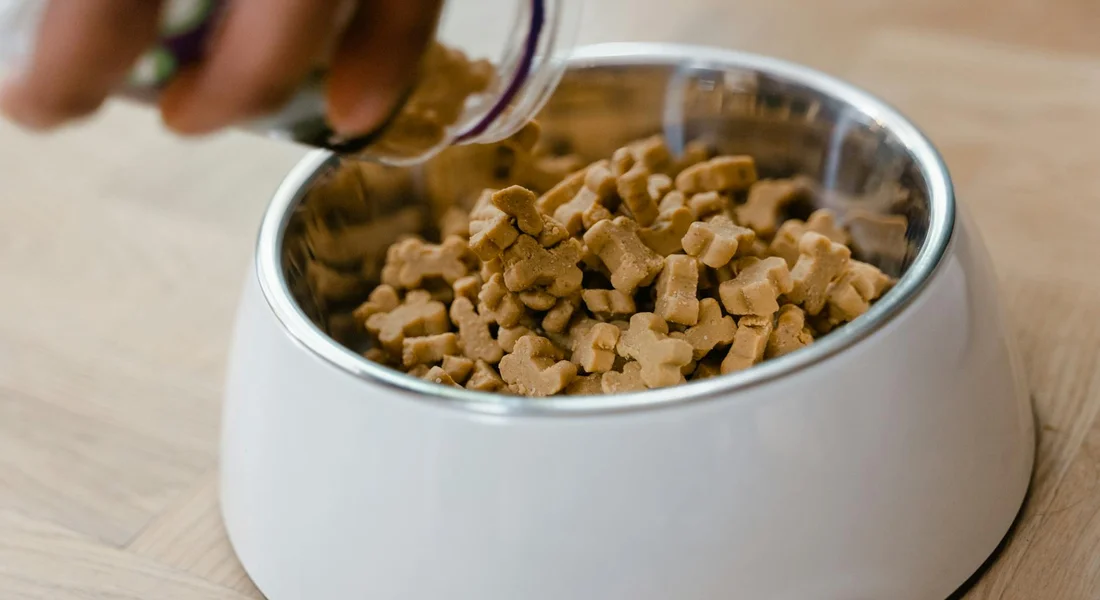
Getting the bowl size right makes a huge difference in your guinea pig’s comfort and health. I learned this the hard way when Biscuit kept knocking over his tiny bowl, scattering pellets everywhere and making mealtime messy. A properly sized bowl prevents spills, reduces waste, and ensures your pet can eat without stress.
Guinea pigs need consistent access to food, but the bowl should match their age and diet to avoid overfeeding or underfeeding. Younger pigs like Biscuit, who’s one year old, are more active and may benefit from a slightly larger capacity, while adults like Pepper and Clover do well with standard sizes. Always pair bowl use with unlimited hay, as pellets and veggies are just part of their diet — especially for baby or young guinea pigs.
| Guinea Pig Age | Recommended Capacity | Notes |
|---|---|---|
| Young (under 1 year) | 100-150 ml | Supports growth without encouraging overeating; watch for tipping. |
| Adult (1-4 years) | 150-200 ml | Holds daily pellet portion; stable for steady eaters like Pepper. |
| Senior (4+ years) | 100-150 ml | Easier access for slower movers; monitor for reduced appetite. |
Assess if the bowl is too large or small by observing feeding behavior. If food spills out frequently or your pig struggles to reach the bottom, it’s likely too small or deep. A bowl that’s too big may lead to stale, uneaten food, which I noticed with Clover-she’d leave pellets if the container was oversized.
- Check for spills around the cage after meals.
- Watch if your guinea pig tips the bowl over easily.
- Ensure the rim is low enough for comfortable access.
Maintaining Hygiene with Easy Cleaning Routines
Keeping bowls clean is non-negotiable for your guinea pig’s health. Dirty bowls can harbor bacteria that cause digestive issues, something I prioritize with my trio to keep them happy and illness-free. A simple routine prevents buildup and supports a safe eating environment.
Outline daily and weekly steps to stay on top of hygiene. Daily cleaning involves a quick rinse to remove food residues, while a weekly deep clean tackles stubborn grime. This approach has worked wonders for Pepper, who’s gentle but sensitive to changes in her setup.
- Daily: Rinse with warm water and wipe dry before refilling.
- Weekly: Scrub with mild soap, rinse thoroughly, and air-dry.
Disinfect without harsh chemicals to protect your pet and the planet. I use a vinegar and water solution for a natural clean that’s effective against germs without leaving toxic residues. Mix one part white vinegar to two parts water, apply with a cloth, and let it sit for a few minutes before rinsing.
Replace bowls when they show signs of wear to avoid health risks. Scratches or cracks can trap bacteria, and I had to toss an old plastic bowl after Clover chewed on it, creating rough edges. Ceramic or stainless steel bowls last longer and are easier to keep sanitary.
Daily Cleaning and Refilling Tips
Follow this step-by-step routine for quick upkeep that fits into a busy schedule. I do this every morning with my guinea pigs, and it takes just a few minutes to ensure their food stays fresh and safe. Consistency here supports overall health by preventing mold and bacterial growth.
- Remove any uneaten food from the previous feeding.
- Rinse the bowl under warm running water to wash away crumbs.
- Dry it with a clean towel or let it air-dry completely.
- Refill with a measured portion of pellets or fresh veggies.
This routine boosts feed hygiene and your guinea pig’s well-being. Clean bowls mean less risk of contamination, which is especially important for pigs like Biscuit, who can be reserved and might avoid eating from a dirty dish. Regular upkeep also lets you monitor their appetite and spot any health issues early.
Exploring DIY and Alternative Bowl Options
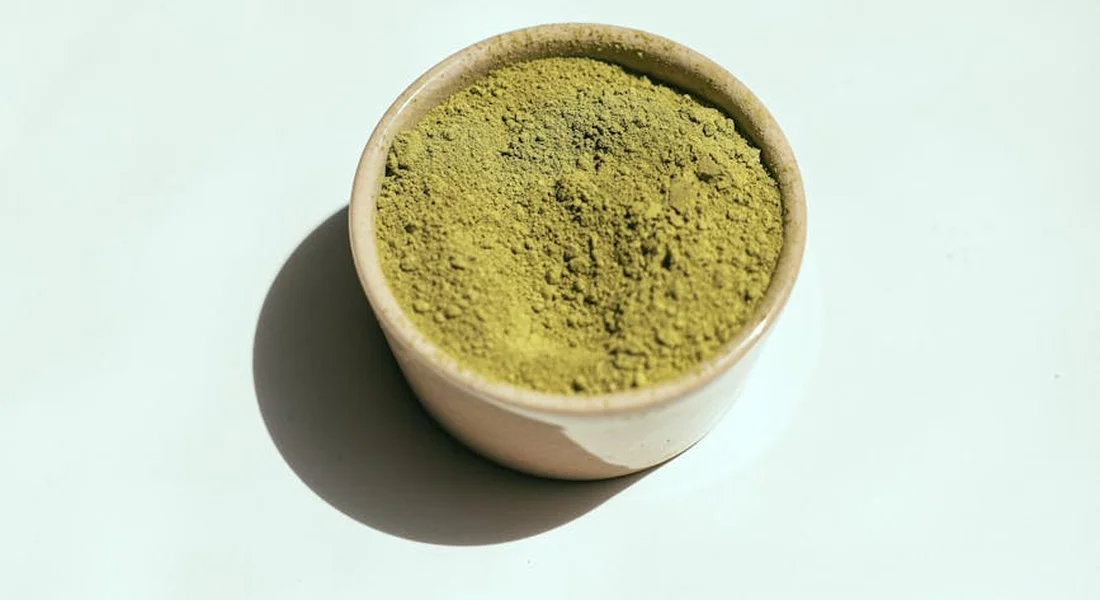
Sometimes the best solution for your guinea pig is already in your kitchen cabinet. I’ve often used a small, heavy-bottomed ceramic ramekin for my guinea pig Biscuit, and its weight prevents him from tipping it during his enthusiastic meals, especially since guinea pigs often flip their food bowls. This is a fantastic, immediate option if a store-bought bowl isn’t available.
Simple and Safe DIY Ideas
Look for items made from materials you already trust with your food. A sturdy, lead-free ceramic mug can work well, or a small glass jar placed on its side. The key is to ensure the item is heavy, has a wide base, and is made from a non-porous, easy-to-clean material like ceramic or glass. Always inspect DIY bowls for any chips or cracks before use.
- Ceramic Ramekins: Their natural weight and glazed surface make them a top choice.
- Small Glass Jars: Perfect for holding leafy greens; lay them on their side to create a low-entry feeder.
- Unglazed Terracotta Pots (Saucers): Ensure they are thoroughly cleaned and free from any chemical treatments.
DIY vs. Commercial Bowls: A Quick Comparison
While DIY options save money, they aren’t always the perfect long-term solution. My guinea pig Clover is a dainty eater, but my other pig, Pepper, would absolutely try to nibble on the rim of a plastic container, which is a definite no-go.
| Option | Pros | Cons |
|---|---|---|
| DIY Bowls |
|
|
| Commercial Bowls |
|
|
A Crucial Note on Safety
Your guinea pig’s curiosity will lead them to investigate everything with their teeth. Never use bowls made of soft plastic, painted ceramics, or metals that can rust, as ingesting these materials can cause serious health issues. Always prioritize a bowl’s stability; a top-heavy bowl is a spill hazard and can even injure a small pet if it falls. Consider cardboard-safe chew play items like plain, untreated boxes or tubes. Ensure the cardboard is free of tape, coatings, or inks.
Watch your guinea pig’s behavior closely during the first few uses of any new bowl. If you see any attempts to chew on the bowl itself, it’s a clear sign you need to switch to a different, safer material immediately. Guinea pigs can chew safely only on certain materials. Their safety always comes first.
FAQs
How long is a guinea pig pregnant?
A guinea pig’s pregnancy typically lasts between 59 to 72 days. It’s crucial to provide proper nutrition and a stress-free environment during this period. For a week-by-week health guide, track her progress and adjust care at each stage. Be alert for signs of distress or complications and contact a vet promptly.
What are the signs of a bowel obstruction in guinea pigs?
Symptoms include loss of appetite, bloating, and reduced or no fecal output. Immediate veterinary care is essential as this can be a life-threatening condition.
What common bowel problems do guinea pigs face?
Guinea pigs may experience issues like diarrhea, constipation, or gastrointestinal stasis. These often result from dietary imbalances or stress and require prompt attention. Understanding what normal guinea pig eating habits look like can help you spot problems early. A healthy guinea pig should have constant access to hay and fresh water, with a small amount of high-quality pellets and daily servings of leafy greens.
How long do guinea pigs typically live?
With proper care, guinea pigs usually live for 5 to 7 years. This is the average guinea pig lifespan most owners can expect for a healthy guinea pig. Knowing this helps you plan their care. Factors like genetics, diet, and environment can influence their lifespan.
Can guinea pigs be harmed by high temperatures?
Yes, guinea pigs are highly sensitive to heat and can suffer from heatstroke if overheated. Always ensure their living area is well-ventilated and away from direct sunlight. In hot weather, follow simple summer care tips to keep them cool. Provide shade and good airflow, and offer fresh water plus cooling aids as needed.
Your Guinea Pig’s Perfect Mealtime Setup
Choosing the right food bowl comes down to two simple rules: pick a heavy, chew-proof material like ceramic or stainless steel, and select a wide, stable shape that your pet can’t tip over. This straightforward approach ensures every mealtime is safe, comfortable, and mess-free for your furry friend.
Remember, a thoughtfully chosen bowl is one small part of a much bigger commitment to providing excellent, lifelong care for your guinea pig. Keep learning about their needs, consider eco-friendly options, and you’ll build a wonderful, enriching life together.
Further Reading & Sources
- Food Bowls for Guinea Pigs, Ceramic
- Amazon.com : STAYbowl Tip-Proof Ergonomic Pet Bowl for Guinea Pig and Other Small Pets; 1/4-Cup Size; Sky Blue : Pet Supplies
- Guinea Pig Food Bowls and Water Bottles | Piggy Bedspreads
- General – Best size bowl? – Guinea Pig Cages
Kate is a passionate guinea pig owner and advocate for small pet welfare. With over a decade of experience caring for guinea pigs, she has become a trusted voice in the small pet community.
Uncategorized