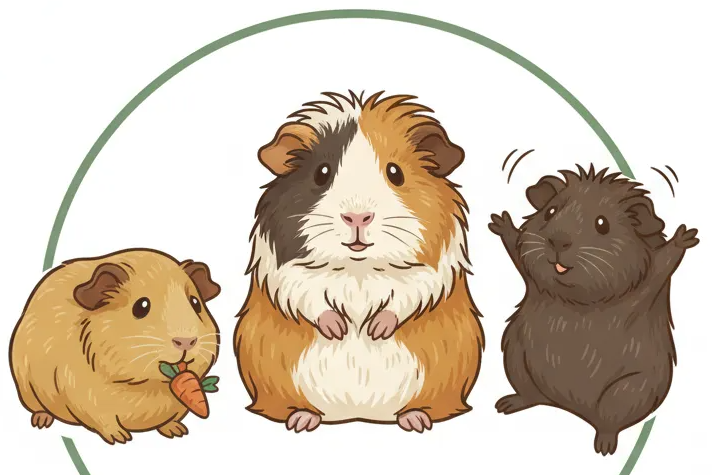
Can a Guinea Pig Eat Too Much Hay?
Hey CavyFam! You might be staring at your munching guinea pig, wondering if all that hay is a good thing. It’s a common worry for any loving pet owner.
In this guide, we’ll explore why hay is non-negotiable, the real risks of overconsumption, and how to create a perfectly balanced diet. I’ve learned this through years of caring for my own herd of guinea pigs.
The Essential Role of Hay in a Guinea Pig’s Diet
Hay serves as the cornerstone of a guinea pig’s diet, providing essential fiber that keeps their digestive system running smoothly. I’ve seen firsthand how a steady supply of hay prevents issues like bloating or gastrointestinal stasis in my own herd. Chewing on hay also naturally wears down their continuously growing teeth, which is vital for avoiding painful dental problems.
- Fiber from hay aids in digestion by moving food through the gut efficiently.
- Dental health is maintained as the constant grinding action prevents overgrown teeth.
- Types like Timothy hay are ideal for adult guinea pigs due to high fiber and low calcium.
- Alfalfa hay, richer in protein and calcium, suits young, pregnant, or nursing pigs but can cause urinary stones in adults if overused.
From watching Pepper, Clover, and Biscuit, I notice they graze on hay throughout the day, much like they would in the wild. This natural behavior not only supports their physical health but also reduces stress by giving them a constant activity, especially when the hay is a vital part of their diet. For instance, Biscuit, my reserved Peruvian, often hides in a hay pile to eat, showing how it provides comfort and security.
Is Overeating Hay Possible for Guinea Pigs?
Many owners wonder if guinea pigs can eat too much hay, and the answer isn’t straightforward. While hay is low in calories and high in fiber, making overeating rare, it’s not impossible if other dietary factors are overlooked. A common myth is that hay can’t lead to weight gain, but in reality, if a pig relies heavily on alfalfa hay or neglects other foods, it might consume excess calories.
- Fiber intake helps with weight management by promoting a feeling of fullness and reducing overeating of high-calorie pellets or treats.
- Caloric intake from hay alone is minimal, but imbalances can occur if it replaces varied veggies and limited pellets.
- Monitoring your guinea pig’s overall diet ensures they get a balanced mix without over-relying on one food type.
In my experience with Pepper, Clover, and Biscuit, their different personalities affect how they eat. Pepper’s steady munching keeps his weight in check, while Clover’s thoughtful grazing means I watch for pickiness that could lead to overeating hay if she avoids other foods. For intelligent pigs like Biscuit, I provide hay in measured piles to encourage natural foraging without excess. Always prioritize fresh, high-quality hay to support their well-being and prevent obesity risks. These observations are part of my complete guide to what guinea pigs eat, including alfalfa hay. The guide explains when alfalfa hay is appropriate and how to balance it with other forage for different life stages.
Recognizing Signs of Hay Overconsumption
Physical Symptoms to Watch For
- Gassiness can show as a bloated belly or audible gurgling from discomfort. I’ve felt Pepper’s tummy swell after he overindulged, turning his gentle demeanor into restless pacing.
- Weight gain may creep up if hay intake isn’t monitored with regular checks. Using a small scale weekly helped me catch Clover’s subtle increases before they became a problem.
- Changes in caecotrophs include softer, smellier droppings instead of the usual firm pellets. Inspecting their poop daily gives early clues, something I do with all my guinea pigs to keep them healthy.
- Digestive upheaval might cause reduced appetite or lethargy after meals. Look for tear-stained fur around the eyes, which I spotted on Biscuit during a stressful digestive episode.
Behavioral Clues of Overfeeding
- Reduced activity means less running or playful exploration in their habitat. Pepper’s steady nature turned sluggish when he ate too much hay, so I adjusted his portions quickly.
- Excessive eating involves constant munching even when full, which can signal boredom. Clover’s graceful movements slowed as she focused only on eating, prompting me to enrich her environment.
- Boredom-related habits like chewing cage bars or overgrooming arise from lack of stimulation. I introduced toys for Biscuit to curb his reserved chewing and keep him engaged.
- Tips for monitoring include keeping a simple daily log of eating and activity patterns. Early detection through observation has saved my pigs from minor health issues multiple times.
Health Risks of Excessive Hay Intake
- Short-term issues like GI stasis can halt digestion, leading to pain and emergency care. Pepper once needed vet intervention for this, teaching me to balance his diet carefully.
- Long-term risks such as obesity increase chances of heart disease and joint strain. Clover’s weight gain from overeating hay affected her graceful agility, so I focus on portion control now.
- Impacts on dental wear involve uneven grinding of constantly growing teeth if hay dominates the diet. Biscuit’s intelligent eating habits reminded me that variety is key for proper tooth maintenance.
- Overall digestion suffers when too much fiber causes blockages or nutrient imbalances. I learned that hay should support, not overwhelm, their system after seeing digestive ups and downs.
- Importance of balanced roughage means hay is essential but must pair with pellets and veggies. Advocating for animal welfare, I ensure my pigs get a diverse menu to prevent overconsumption risks.
How Much Hay Should Your Guinea Pig Eat?
Feeding Guidelines Based on Age and Size
- Step 1: Assess your guinea pig’s age, weight, and activity level. I weigh my three guinea pigs weekly to track any changes. Pepper, my steady American, maintains a perfect weight, while Clover, my graceful Abyssinian, needs careful monitoring as she ages.
- Step 2: Calculate daily portions, using weight measurements for accuracy. A good starting point is a pile of hay roughly the size of your guinea pig’s body each day. Weighing your pet regularly is the single best way to ensure you are feeding the correct amount of hay.
- Step 3: Adjust for life stages, like young vs. adult guinea pigs. Young, growing guinea pigs and pregnant mothers need unlimited, high-quality hay available at all times. For healthy adults, you provide constant access, but you monitor their weight to prevent obesity.
Balancing Hay with Other Foods
- Discuss how to integrate pellets and vegetables without over-relying on hay. Hay should always be the main course, making up about 80% of their diet. I give my crew a small, measured amount of fortified pellets daily and a cup of fresh veggies. Think of pellets and veggies as vital supplements to their primary hay-based diet, not the other way around.
- Highlight the role of hydration in supporting fiber digestion. All that dry, fibrous hay needs water to move through their system smoothly. I always check their water bottle twice a day to ensure a fresh, clean supply is available. Proper hydration prevents serious digestive blockages.
Tips for Balanced Hay Feeding and Management
Selecting and Storing Quality Hay
- Guide on choosing dust-free, mold-free hay for safety. I always open a new bag of hay outside and give it a good sniff. It should smell sweet and grassy, never musty or damp. Your nose is a powerful tool for detecting hay that could make your pet sick. Look for green, leafy strands, not brown and straw-like.
- Share methods for proper storage to maintain hay quality. I store my hay in a large, breathable canvas bag inside a cool, dark closet. Never use airtight plastic bins, as they trap moisture and encourage mold growth, which is dangerous for guinea pigs.
Encouraging Healthy Eating Habits
- Suggest using hay feeders or bags to simulate natural foraging. I use a hay rack for Pepper and stuff hay into cardboard tubes for Clover and Biscuit. This makes them work for their food, mimicking how they would eat in the wild. Turning mealtime into a foraging activity is excellent for their mental and physical health.
- Provide ideas for preventing boredom and overeating through enrichment. A bored guinea pig might eat out of habit, not hunger. I rotate their toys, create new hideouts with paper bags, and scatter a few herb sprigs in their hay. This keeps them active and engaged, reducing the risk of mindless munching.
When to Seek Veterinary Advice
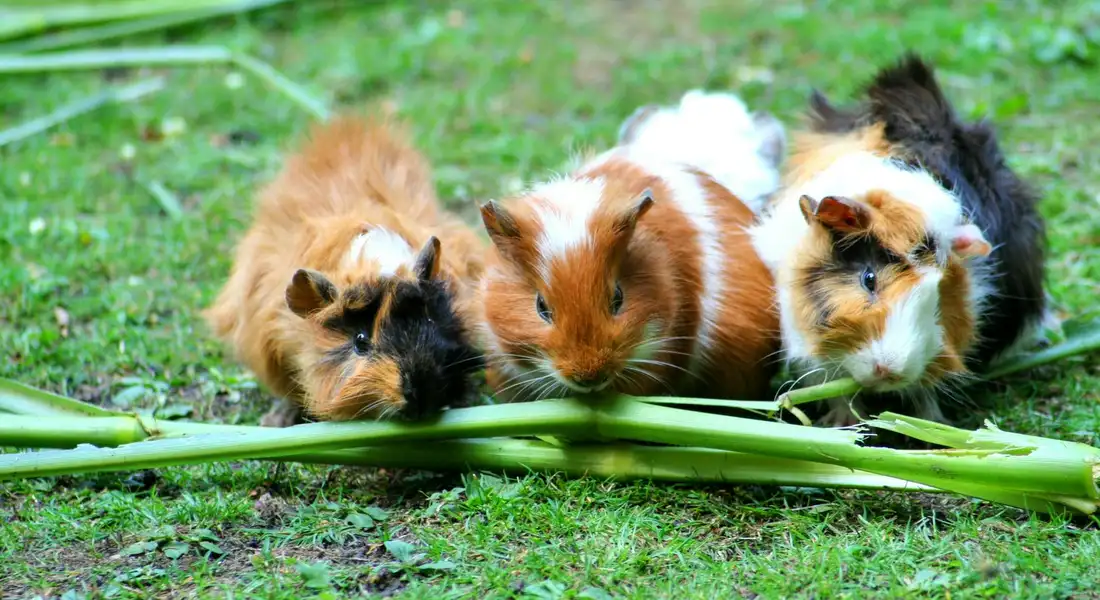
As a guinea pig owner for years, I’ve learned that their love for hay is usually a good sign, but it can sometimes mask underlying health problems. Trust your gut-if your pet’s behavior or eating habits change suddenly, it’s always better to be safe and consult your vet, especially to check for hay-related health issues.
-
Outline scenarios where professional help is needed, such as persistent digestive issues
My guinea pig, Biscuit, once went from a voracious hay-eater to barely touching his pile. This is a major red flag. Any significant decrease in hay consumption, especially if it lasts more than 12 hours, warrants an immediate call to your veterinarian. Guinea pigs’ digestive systems need constant fiber to keep moving. If you’re trying to understand why he’s not eating hay, a quick troubleshooting checklist can help identify common causes. Going through factors like hay freshness, dental health, and stress can guide your next steps.
Watch for physical and behavioral changes that signal distress.
- Digestive Slowdown: Small, misshapen, or very dry droppings are a clear sign the gut isn’t functioning properly. A complete lack of droppings is a critical emergency.
- Visible Discomfort: If your guinea pig is hunched up, grinding its teeth loudly (a sign of pain), or has a hard, bloated belly, don’t wait. These symptoms can indicate a life-threatening condition like GI stasis.
- Lethargy and Hiding: A healthy guinea pig is naturally curious. If your normally social pet like Pepper suddenly hides constantly and lacks energy, it’s a strong indicator something is wrong internally.
-
Stress the value of regular check-ups for weight management and dental health
I make it a habit to take my trio for wellness exams twice a year. These routine visits are not just for when they’re sick; they are a proactive measure to catch issues you can’t see at home. Your vet has the tools and expertise to spot subtle changes.
Two key areas a vet focuses on during a check-up are directly linked to hay intake.
- Weight Tracking: My vet always weighs Clover at each visit. Unexplained weight loss, even if your guinea pig seems to be eating plenty of hay, can point to metabolic issues or dental problems that prevent proper chewing. Consistent weight monitoring provides a vital health baseline.
- Dental Examination: A guinea pig’s teeth never stop growing. Hay’s abrasive texture is what keeps them worn down. Your vet will check for painful overgrown teeth, spurs, or malocclusion that can make eating hay difficult and painful, leading to a dangerous cycle of reduced fiber intake. Catching this early prevents immense suffering.
FAQs
What are the benefits of using a hay feeder for guinea pigs?
Hay feeders help contain the hay, reducing waste and keeping the enclosure cleaner. They also encourage natural foraging behavior, which can prevent boredom and overeating. However, it’s important to consider whether a hay rack or loose hay pile is more beneficial for your pet. Each has its pros and cons.
How can I choose a no-mess hay feeder for my guinea pig?
Opt for feeders with enclosed designs or grids that minimize spillage while allowing easy access to the hay. Ensure the feeder is made from safe, durable materials to withstand chewing and is easy to refill and clean. Also, when choosing a guinea pig bowl, refer to a material and shape guide to pick a chew-resistant option in stainless steel or ceramic with the right size for easy access.
Should I use a hay bag for feeding my guinea pig?
Hay bags are excellent for reducing mess and promoting slow, natural feeding habits by requiring guinea pigs to pull hay out. Just make sure the bag is securely attached and checked regularly to prevent entanglement or mold growth. Pairing hay bags with a suitable hay rack and bedding setup is part of the best hay rack bedding solutions for guinea pigs. A well-chosen setup keeps hay tidy and makes daily care easier.
Where can I find good quality hay for my guinea pig near me?
Check local pet stores, farm supply shops, or even some grocery stores that carry brands like Oxbow for fresh, high-fiber hay. Always inspect the hay for a green color and sweet smell to ensure it’s free from dust or mold. To keep it fresh at home, store hay properly in a cool, dry place and protect it from moisture. If you’ve opened a bag, transfer it to a clean, breathable container and keep it away from heat or direct sunlight.
What should I do if hay pokes my guinea pig’s eye?
Gently flush the eye with a sterile saline solution to remove any debris and soothe irritation. If swelling, discharge, or squinting continues, seek veterinary care promptly to avoid infection or corneal damage.
Your Guinea Pig’s Hay Journey: A Quick Recap
From my time caring for Pepper, Clover, and Biscuit, I always make sure they have unlimited access to high-quality hay for optimal health. Pay attention to their eating habits and weight to catch any issues early and keep them thriving.
Stay engaged with learning about guinea pig care to provide the best life for your furry friends. When choosing the best hay for your guinea pig, look for fresh, green hay with a pleasant aroma and avoid dusty or moldy batches. This choice supports digestion, dental health, and overall wellbeing. Choosing sustainable hay sources supports animal welfare and reduces your environmental footprint, making a real difference.
Further Reading & Sources
- Why do guinea pigs need hay? | Supreme Petfoods
- r/guineapigs on Reddit: How much hay should Carl be eating daily? He usually gets lettuce and I fill his hay feeder in the morning then I give him lettuce in the afternoon and around dinner time I give him his food and one of those square hay things and more hay in his feeder. I definitely don’t want him to be hungry
- Guinea pig feeding schedule and dietary needs | Humane World for Animals
- How Much Hay Should Rabbits & Guinea Pigs Eat?
Kate is a passionate guinea pig owner and advocate for small pet welfare. With over a decade of experience caring for guinea pigs, she has become a trusted voice in the small pet community.
Uncategorized