Are Pet Store Guinea Pigs Spayed or Neutered?
Hello, CavyFam! You’re likely wondering if that adorable guinea pig at the pet store has already had “the surgery.” It’s a common and responsible question for any new or prospective pet parent.
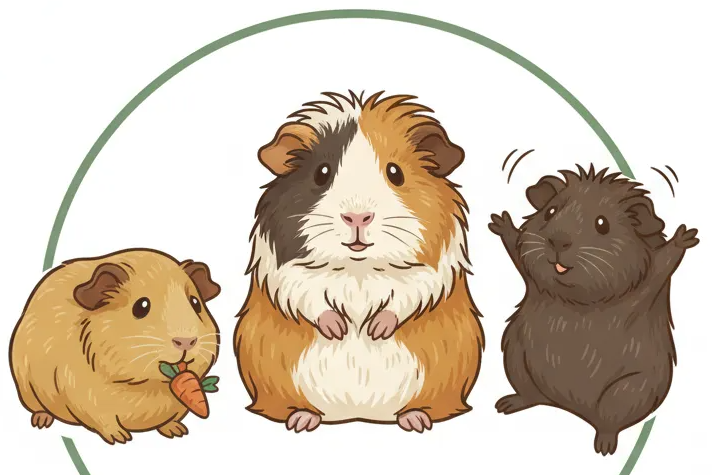
We’ll explore the typical practices at pet stores, the significant health and behavioral implications of the procedure, and the wonderful alternatives available through adoption. We’re covering typical practices, health implications, and adoption alternatives. I’ve learned all this through years of caring for my own herd of guinea pigs like Pepper, Clover, and Biscuit.
The Gentle Truth About Pet Store Guinea Pigs
Most pet store guinea pigs are not spayed or neutered. This is standard practice, as the procedure is considered elective and carries higher risks for small animals like guinea pigs. I’ve brought home several guinea pigs from stores over the years, and every single one arrived intact.
The cost and logistical effort for large chain stores to perform these surgeries on every small animal is simply too high. Responsibility for this decision, therefore, falls squarely on you, the new pet owner. It’s a crucial first step in responsible guinea pig guardianship. To translate this responsibility into practical steps, many owners rely on a weekly guinea pig care routine ultimate checklist. It helps ensure essential tasks—feeding, cage cleaning, enrichment, and health checks—are consistently addressed.
How to Determine a Guinea Pig’s Sterilization Status
Figuring out if your new friend has been altered requires a bit of detective work. Always assume a guinea pig is not sterilized unless you have definitive proof from a veterinarian. This safe assumption will guide your next steps and prevent any unexpected litters.
Physical Examination Clues
You can perform a basic at-home check, but remember this is not a definitive diagnosis. Recognizing signs of pain, illness, and changes in guinea pig behavior can help you seek timely care. Handling your guinea pig gently and confidently is key to a stress-free examination for both of you. Here’s what to look for:
- Look for a surgical scar on the abdomen. In females, a spay scar is a fine line low on the belly. In males, a neuter involves the scrotum, and visible stitches or swelling might be present if the surgery was very recent.
- Observe the distance between the anus and the genital opening. In males, this distance is greater, and the shape of the genital area is more prominent, often forming a “Y” shape.
- Check for descended testicles in males over about 3-4 months of age. These appear as two distinct, oval-shaped bulges on either side of the genital opening.
My guinea pig, Biscuit, had me fooled for a week until a vet confirmed he was a healthy, intact male. Physical signs can be subtle and easily misinterpreted by an untrained eye.
The Importance of Veterinary Confirmation
A professional veterinary examination is the only way to be 100% certain of your guinea pig’s sterilization status. Your exotic pet veterinarian can provide a conclusive answer and discuss the pros and cons of the procedure for your specific situation. They have the expertise to perform a thorough physical exam and can even use gentle pressure to check for a penis in males, a definitive test.
Schedule this check-up within the first week of bringing your new pet home. This visit not only confirms their reproductive status but also establishes a baseline for their overall health. It’s an investment in a long, happy life for your furry companion and the best way to avoid any surprise pregnancies if you have multiple pigs.
Why Pet Stores Typically Do Not Alter Guinea Pigs
The Factor of Age and Puberty
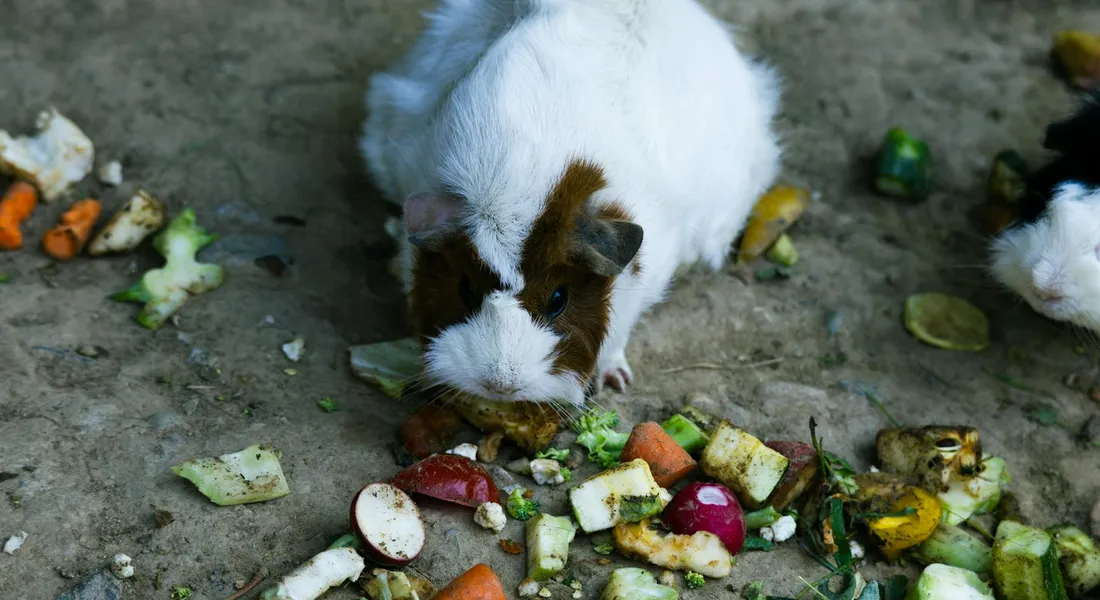
Most guinea pigs you meet in a pet store are simply too young for such a major procedure. They are often sold at just a few weeks old, long before they reach sexual maturity. Performing surgery on such a tiny, developing animal is not medically advisable. From a reproduction standpoint, they mature only after a few months. That’s why responsible breeders and vets urge waiting before attempting to breed. My own guinea pig, Biscuit, was incredibly small and fragile when I first brought her home from a store. It’s a waiting game, much like you wouldn’t perform an elective surgery on a human toddler.
Considering Surgical Risks and Animal Welfare
Spaying and neutering are considered major abdominal surgeries for guinea pigs, carrying more risk than for a cat or dog. Their small size makes anesthesia riskier and their sensitive digestive systems require meticulous post-operative care. Many large-scale pet stores are not equipped with the specialized veterinary staff needed for such delicate operations. From my experience, even finding an exotic vet comfortable with the procedure can be a challenge. The welfare of the animal is the top priority, and for many stores, avoiding this inherent risk is the most responsible choice.
Your Options for an Already Sterilized Guinea Pig
The Rescue and Adoption Pathway
If you are set on bringing home a guinea pig that is already spayed or neutered, your best and most rewarding option is to look at rescues and shelters. Rescue organizations often have their animals fully vetted, which includes this very surgery. I adopted my gentle boy, Pepper, from a rescue, and he came to me neutered, socialized, and with a known health history. You are not only getting a healthy, altered pet but also providing a second chance to an animal in need. Before bringing a guinea pig home, run through the ultimate pre-adoption checklist to be truly ready. It helps confirm you have the time, space, and resources for ongoing care, socialization, and veterinary needs.
Here is what you can typically expect when adopting from a reputable rescue:
- The guinea pig will already be spayed or neutered by an experienced exotic veterinarian.
- They receive a full health check-up, including treatment for any parasites.
- Many are already accustomed to human handling, making them easier to bond with.
- You get valuable insights into their personality from the foster carers.
Navigating the Spay or Neuter Decision for Your Pet
Deciding whether to spay or neuter your guinea pig is a significant choice that impacts their entire life. This decision requires balancing potential health benefits against the inherent risks of surgery for such small animals. I’ve cared for my trio—Pepper, Clover, and Biscuit—through various health challenges, and this hands-on experience has deeply shaped my perspective on proactive care. Proper care for guinea pigs means providing roomy, clean housing, a balanced diet, and regular veterinary checkups. By prioritizing daily welfare and early warning signs of illness, you can help ensure they stay healthy and happy, which also informs responsible decisions about medical procedures when needed.
Potential Health and Behavioral Benefits
Spaying or neutering can profoundly improve your guinea pig’s quality of life. One of the most compelling benefits is the drastic reduction in reproductive cancers, which are unfortunately common in unaltered adults. From my own observations, altered guinea pigs often display more consistent, predictable behaviors. However, for a male guinea pig, neutering is a surgical procedure with anesthesia risks and a recovery period. It’s also wise to weigh these pros and cons of neutering with your veterinarian to decide what’s best for your pet.
- Eliminates risk of uterine or ovarian cancers in females
- Reduces territorial marking and spraying in males
- Decreases aggressive mounting and dominance disputes
- Allows for safe mixed-gender companionship
- Creates calmer, more focused social interactions
Understanding the Procedure and Recovery
Guinea pig surgery requires specialized veterinary expertise. These delicate procedures demand an exotics-trained veterinarian who understands guinea pig physiology and anesthesia protocols. I learned this the hard way when seeking care for Biscuit, realizing general vets often lack the specific skills needed.
A Closer Look at the Surgical Process
The surgical approach differs significantly between males and females. Neutering males involves removing the testicles through a small scrotal incision, while spaying females requires abdominal surgery to remove ovaries and uterus. Both procedures use gas anesthesia specifically calibrated for small animals.
- Pre-operative fasting lasts only 1-2 hours to prevent hypoglycemia
- Anesthesia is administered via mask or chamber for minimal stress
- Surgical time typically ranges 30-60 minutes depending on procedure
- Incisions are closed with absorbable sutures when possible
- Recovery monitoring continues until fully awake and alert
Essential Steps for a Smooth Recovery
Post-operative care determines the success of the procedure. Creating a quiet, warm recovery space away from cage mates is absolutely critical for the first 48 hours. When Clover underwent surgery, I maintained her recovery area at 75°F using a heating pad set on low beneath half her enclosure.
- Provide extra vitamin C to support healing
- Monitor incision site twice daily for redness or swelling
- Offer favorite foods to encourage eating immediately after surgery
- Use paper bedding instead of fleece to prevent fibers sticking to incision
- Limit climbing opportunities for at least one week
Weighing the Risks and Associated Costs
While benefits exist, guinea pig surgery carries real dangers. The primary risk involves anesthesia complications, as guinea pigs have sensitive respiratory systems that react poorly to stress. Surgical costs typically range from $200-$500 depending on your location and the specific procedure. Recovery after such procedures is a critical phase that requires close monitoring and appropriate care. Knowing common guinea pig surgery procedures and their typical recovery timelines helps you prepare and support your pet.
- Anesthesia mortality risk remains around 2-4% even with experienced vets
- Post-operative infections require immediate antibiotic treatment
- Some guinea pigs experience decreased appetite leading to GI stasis
- Unexpected complications can double the initial cost estimate
- Follow-up visits often add $50-$100 to the total expense
Always request a detailed cost breakdown before committing to surgery. Finding a veterinarian who performs these procedures regularly dramatically improves safety outcomes. I interviewed three different exotic vets before selecting one for Pepper’s procedure, and that due diligence made all the difference in her smooth recovery.
FAQs
What is the survival rate for guinea pig spay surgery?
The survival rate for guinea pig spay surgery is generally high when performed by an experienced exotic veterinarian. With proper care, most guinea pigs recover well, though anesthesia risks mean success depends on the individual animal’s health. Guinea pigs can die from shock if complications arise, so understanding these risks is crucial. Close perioperative monitoring and prompt response to any signs of distress help support a safe recovery.
How can I find a veterinarian near me that performs guinea pig spays?
Search online for “exotic pet veterinarian” in your area and contact clinics to ask about their experience with guinea pig surgeries. You can also check reviews or ask local guinea pig rescue groups for recommendations to ensure quality care. If you need more guidance, check out this article for tips on finding an exotic vet specifically for guinea pigs.
What surgical technique is used for spaying guinea pigs?
Spaying typically involves a small abdominal incision to remove the ovaries and uterus under gas anesthesia. This technique requires precision due to the guinea pig’s small size and sensitive internal organs.
What are the main risks associated with guinea pig spay surgery?
Key risks include anesthesia complications, post-operative infections, and potential digestive issues like GI stasis. Close monitoring during recovery is essential to address any signs of distress promptly.
Is there a PDF guide available for the guinea pig spay procedure?
Detailed PDF guides are uncommon, but some veterinary websites or exotic pet organizations may offer educational resources. Always rely on a qualified veterinarian for personalized advice and procedure details.
Your Guinea Pig Care Journey Continues
Pet store guinea pigs are almost never spayed or neutered, so that crucial health decision rests with you, the owner. Discussing the procedure with a qualified exotics veterinarian is the single best step you can take for your pet’s long-term wellbeing. When you welcome a new guinea pig, schedule their first veterinary check-up promptly. The vet can guide preventive care and help you decide on spay/neuter timing if appropriate.
Responsible pet ownership means committing to lifelong learning about your guinea pigs’ needs, from their social dynamics to their environmental impact. Choosing sustainable bedding and feeding local veggies are simple ways to make your care routine more eco-friendly and enriching for your pets.
Further Reading & Sources
- Spaying or Neutering Your Guinea Pig. Yes? No? | Small Pet Select
- Spaying and Neutering Guinea Pigs – Companion Animals
- Guinea Pig Neutering, How to Neuter your Guinea Pigs
- Why We Spay and Neuter
Kate is a passionate guinea pig owner and advocate for small pet welfare. With over a decade of experience caring for guinea pigs, she has become a trusted voice in the small pet community.
Uncategorized