Guinea Pig Diet: Are They Herbivores or Omnivores?
Hey CavyFam! You might be wondering if your guinea pig can eat a little bit of everything or if they need a strict plant-based menu. It’s a common worry, and getting their diet right is key to their happiness and health.
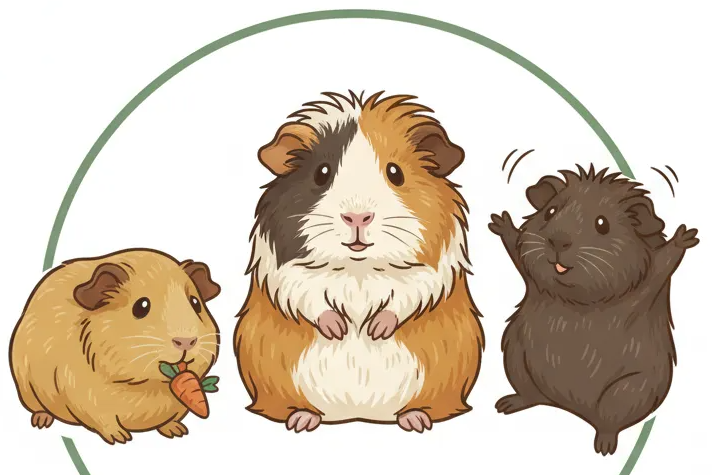
In this guide, we’ll cover what herbivore really means for their body, the essential foods they need daily, and the foods you must always avoid. I’ve learned this through years of caring for my own trio-Pepper, Clover, and Biscuit-and I’m here to share that hands-on experience with you.
Are Guinea Pigs Herbivores? The Simple Truth
Yes, guinea pigs are strict herbivores. Their bodies are designed to eat only plant-based foods. I’ve seen this firsthand with my own guinea pigs, Pepper, Clover, and Biscuit; their entire diet consists of hay, vegetables, and specially formulated pellets. They lack the digestive enzymes and short, simple gut structure needed to properly break down and derive nutrition from meat or insects.
Understanding the Herbivore Digestion System
A guinea pig’s digestive tract is a complex fermentation vat, perfectly evolved to handle a high-fiber, plant-based diet. Their gut relies on a steady stream of fibrous food to keep everything moving correctly and prevent dangerous blockages. When this system is disrupted by the wrong foods, it can lead to severe and painful health issues like GI stasis.
Why Fiber is Everything
Fiber isn’t just a component of their diet; it’s the engine that drives their entire digestive process. Think of it like the essential roughage that scrubs their insides clean and keeps the biological machinery running.
- Unlimited Timothy Hay: This should make up about 80% of their daily intake. It constantly grinds down their ever-growing teeth and provides the necessary roughage.
- Healthy Gut Motility: Fiber pushes food through their system, preventing the gut from slowing down or stopping completely.
- Prevents Obesity: A hay-based diet is low in calories but high in bulk, helping your pig maintain a healthy weight.
My pig Biscuit, for instance, would happily munch on hay all day long, and I always make sure his hay rack is overflowing.
The Vital Need for Vitamin C
Unlike most other mammals, guinea pigs cannot produce their own Vitamin C. This is a critical trait of their herbivorous biology. Without a daily dietary source of this vitamin, they can quickly develop scurvy, leading to joint pain, poor coat condition, and a weakened immune system, so it’s essential to provide the right amount of Vitamin C daily.
You must provide Vitamin C through fresh vegetables and a quality pellet.
- Excellent Daily Sources: Bell peppers (all colors), kale, and broccoli are fantastic, low-sugar options.
- Quality Pellets: Choose a brand fortified with Vitamin C, but remember the vitamin degrades over time. Buy small, fresh bags and store them in a cool, dark place.
- Avoid Over-reliance on Drops: Vitamin C drops added to water are ineffective as the vitamin breaks down quickly when exposed to light and water.
I make a little “salad” every evening for my trio, always ensuring a good portion of green bell pepper is included for that essential C boost.
The Core Components of a Guinea Pig Diet
Unlimited Hay: The Foundation
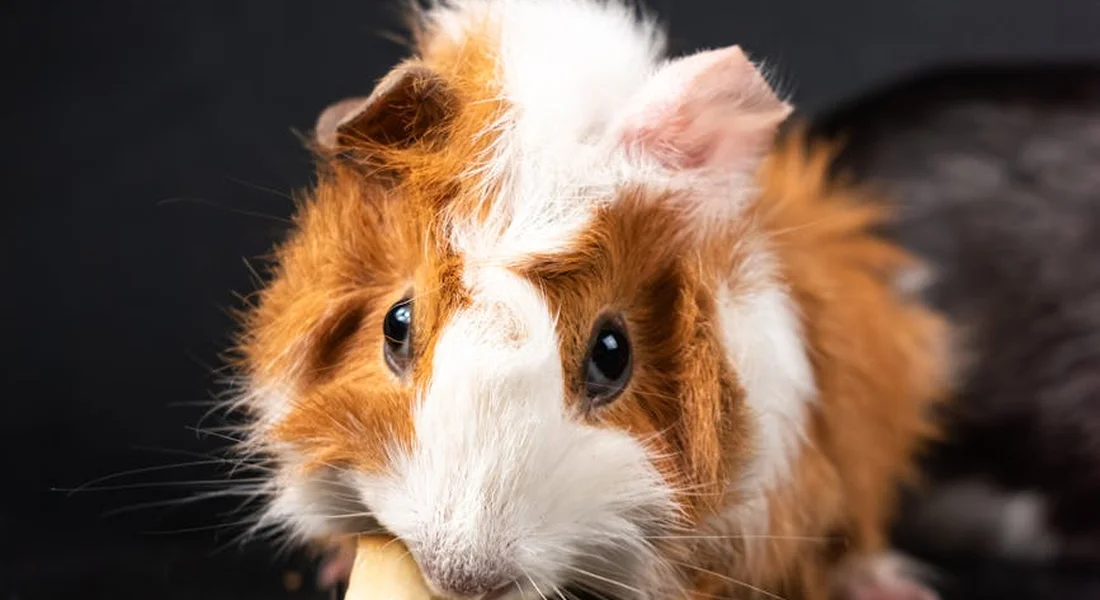
Imagine hay as the constant, comforting background music of your guinea pig’s life. Unlimited, high-quality grass hay like Timothy or Orchard Grass must be available 24/7 for your guinea pigs to graze on. My piggies, Pepper and Clover, spend most of their day munching away. This isn’t just food; it’s essential for their digestive systems to function and to grind down their constantly growing teeth. That’s why hay is essential for digestion and is such a crucial part of a guinea pig’s diet. It provides the fiber that keeps their digestion moving and helps grind down their ever-growing teeth.
I always make sure their hay rack is overflowing. Providing a constant supply of fresh hay is the single most important thing you can do for their long-term health. It prevents painful and expensive dental issues and keeps their gut moving properly. A bored guinea pig is an unhappy one, and a pile of hay is their favorite entertainment. Choosing good-quality, dust-free hay also helps prevent common hay-related health problems like dental malocclusion and digestive issues.
Pellets: A Nutritional Supplement
Think of pellets as a daily multivitamin, not the main course. You should offer a small, measured amount of plain, high-quality Timothy hay-based pellets each day. In terms of daily totals, aim for a small portion—roughly 1/8 cup per day for an average adult, adjusting as needed for size and health. That keeps pellets as a supplement to hay and greens. I give my adults about 1/8 cup each. Look for pellets fortified with Vitamin C, as guinea pigs cannot produce it themselves.
Be a savvy shopper at the pet store. Avoid colorful pellet mixes with nuts, seeds, or dried fruit pieces, as these are unhealthy fillers that can lead to obesity. My pig, Biscuit, used to be a very picky eater, but sticking to a simple, plain pellet ensured he got the nutrients he needed without the junk.
Fresh Greens and Vegetables: For Variety and Vitamins
This is where you can get creative and bond with your pets! Offer about one cup of fresh, washed vegetables per guinea pig per day to provide crucial vitamins and hydration. So, how much vegetables should guinea pigs eat daily? The general guideline is about one cup per guinea pig per day, adjusted for age, size, and health. I love watching my trio’s excited wheeks when they see me coming with their veggie plate.
Rotate their greens to keep things interesting and nutritionally balanced. Here are some of my herd’s favorites:
- Romaine lettuce (never iceberg, as it has little nutritional value)
- Bell peppers (all colors, a fantastic source of Vitamin C)
- Cilantro and parsley
- Endive and radicchio
- Zucchini and cucumber slices
Introduce any new vegetable slowly and in small quantities to avoid upsetting their sensitive stomachs. I learned this the hard way with Clover after giving her too much kale at once!
Creating a Balanced Guinea Pig Diet Plan
Foods to Strictly Avoid
Your guinea pig’s body is built for plants, and many human foods can be dangerous or even fatal. Guinea pigs are strict herbivores, so animal-based proteins like meat, eggs, and dairy are completely off-limits and can cause severe digestive distress. Some people wonder if they might eat chicken meat or other animal products. In reality, they cannot digest such foods and should never be fed to them. Their systems simply cannot process them.
Stick to what nature designed them to eat. Here is a list of common foods you must never feed your guinea pig:
- All animal products: Meat, chicken, fish, eggs, milk, cheese, or yogurt.
- Onions, garlic, leeks, and chives: These are toxic and can destroy their red blood cells.
- Potatoes and potato leaves: The eyes and greenery are poisonous.
- Beans, rhubarb, and avocado: These contain substances that are toxic to small animals.
- Chocolate, candy, or any processed human sweets: These can cause a host of health problems.
- Seeds and pits from fruits: They can be a choking hazard or contain trace amounts of cyanide.
Always research a new food before offering it, and when in doubt, leave it out. Their health and safety are always worth that extra minute of checking.
Spotting Diet-Related Health Problems
Guinea pigs are masters at hiding illness, so you must become a detective for their health. I’ve learned that a sudden change in appetite or water consumption is often the very first red flag something is wrong. If you notice your guinea pig suddenly stops drinking water, this quick troubleshooting guide can help you pinpoint why. Dehydration can sneak up fast, so quick action is important.
Common Symptoms and Their Dietary Links
- Lethargy or Hunched Posture: This can signal pain from digestive issues like bloat or gas, often caused by the wrong vegetables.
- Weight Loss: A guinea pig not eating enough hay will lose weight rapidly. I weigh my trio weekly to catch this early.
- Overgrown Teeth: Insufficient hay to chew leads to painfully long teeth that prevent eating.
- Diarrhea or Soft Droppings: This usually points to too many watery vegetables or a sudden change in diet.
- Scabs or Hair Loss: A lack of Vitamin C can manifest in skin problems and a rough hair coat.
If you notice any of these signs, the first step is to remove any new foods and ensure they have unlimited timothy hay and fresh water.
Supporting Lifelong Health Through Diet
Getting the diet right isn’t just about avoiding sickness; it’s about helping your pets thrive for years. My oldest, Clover, is a vibrant three-year-old, and I credit her steady diet of high-fiber hay and consistent veggies for her graceful energy.
Here is a simple daily framework I follow for Pepper, Clover, and Biscuit.
- Unlimited Grass Hay (80-90% of diet): This is non-negotiable. It keeps their digestive system moving and teeth filed down.
- High-Quality Pellets (about 1/8 cup each): Look for pellets fortified with Vitamin C and without colorful seeds or nuts.
- Fresh Vegetables (about 1 cup each daily): This is for their essential Vitamin C. I rotate between romaine lettuce, bell peppers, and cilantro.
- Fresh, Clean Water: Change it daily in a bottle to keep it free from food and bedding contamination.
Preventing obesity is as crucial as preventing deficiency; a lean guinea pig is an agile and happy one. I avoid high-sugar fruits, giving them only as a tiny, rare treat. Watching Biscuit, my reserved Peruvian, confidently explore her cage tells me her nutritional needs are fully met. A proper diet builds the foundation for their unique personalities to shine. An ideal overall diet for a healthy guinea pig diet centers on abundant hay, with fresh vegetables and a small portion of fortified pellets. Keep fresh water available at all times and limit fruit to occasional treats.
FAQs
How can I manage calcium in my guinea pig’s diet to prevent urinary issues?
Focus on feeding low-calcium vegetables like bell peppers and cucumbers as daily staples. Limit high-calcium foods such as spinach and kale to occasional treats to reduce the risk of bladder stones.
What is a simple guinea pig diet plan for beginners?
Start with unlimited timothy hay available 24/7 and provide about 1/8 cup of fortified pellets per pig daily. A daily hay requirement is essential for a guinea pig’s digestive health. It should be the foundation of their diet. Offer one cup of fresh vegetables, introducing new types slowly to avoid digestive problems.
Where can I find a printable guinea pig diet chart?
Check reputable guinea pig care websites or veterinary resources for free downloadable PDF charts. These charts outline daily portions and safe food options to help you maintain a balanced diet. They also include daily calorie targets for guinea pigs to help you tailor portions to energy needs and avoid overfeeding.
Your Herbivore’s Happy, Healthy Life
Your guinea pig is a true herbivore, thriving on a simple diet of unlimited hay, fresh vegetables, and a small portion of fortified pellets. This plant-based menu provides all the fiber and vitamin C they need to stay vibrant and healthy from whisker to tail.
Being a great pet owner means always learning more and choosing sustainable options, like buying local produce, to care for your small friend and our planet. Your thoughtful choices create a happier, healthier life for your guinea pig and a greener world for all of us to share.
Further Reading & Sources
- Diet – Is this true?! Are piggies omnivores? – Guinea Pig Cages
- Can Guinea Pigs Eat Meat? – GuineaDad
- Your guinea pig’s diet – PDSA
- Are Guinea Pigs Omnivores or Herbivores? You May Be Surprised! – Clever Pet Owners
Kate is a passionate guinea pig owner and advocate for small pet welfare. With over a decade of experience caring for guinea pigs, she has become a trusted voice in the small pet community.
Uncategorized