Can Guinea Pigs Eat Eggplant Skin?
Hello CavyFam! You might be eyeing that leftover eggplant skin and wondering if it’s a safe, tasty snack for your guinea pig, while also feeling a little nervous about potential health risks.
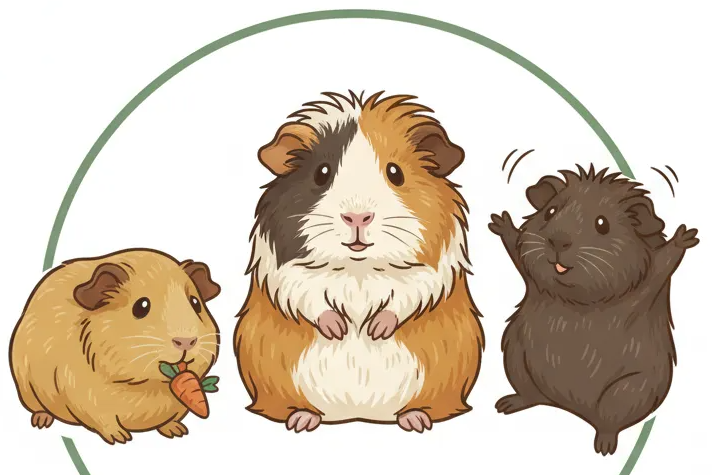
I’ll break down safety guidelines, nutritional pros and cons, proper preparation steps, and warning signs to monitor. Having raised guinea pigs like gentle Pepper and graceful Clover for years, I share practical tips from my own cage-side experience.
Understanding Eggplant and Its Place in a Guinea Pig Diet
Eggplant, or aubergine, is a vegetable that can be a curious treat for your guinea pig. I occasionally offer small, prepared pieces to my own herd-Pepper, Clover, and Biscuit-as a way to vary their greens and introduce new textures. This vegetable is low in calories and provides some fiber, which can be beneficial in tiny amounts.
It should never replace their primary diet of hay, high-quality pellets, and staple vegetables like bell peppers and leafy greens. Think of eggplant as an occasional novelty, not a dietary staple, to keep their meals interesting without disrupting nutritional balance. My guinea pigs, especially the more adventurous Clover, seem to enjoy the unique feel of it, but I always monitor their reaction closely.
The Safety of Eggplant Skin for Your Guinea Pig
The skin of an eggplant is where many of the vegetable’s nutrients are concentrated, but it also presents specific risks. While the flesh is generally safer in moderation, the skin requires extra caution due to its texture and chemical composition. I’ve found that even my gentle guinea pig, Pepper, can be hesitant with tougher skins, which tells me a lot about their comfort level with unfamiliar foods.
Key Health Warnings: Solanine and Digestive Issues
Eggplants belong to the nightshade family, which means they contain solanine, a natural compound that can be harmful in large quantities. Solanine is more concentrated in the skin and green parts of the plant, posing a potential risk of toxicity if consumed excessively. While a tiny, infrequent piece is unlikely to cause harm, consistent feeding can lead to digestive upset or more serious health issues.
Watch for signs of discomfort in your pet, such as:
- Lethargy or unusual stillness
- Loss of appetite
- Diarrhea or changes in droppings
- Vocalizations indicating pain
From my experience, guinea pigs like Biscuit, who is more reserved, often show subtle signs of digestive discomfort first, so attentive observation is your best tool. Guinea pigs may fart or burp as part of digestion—that’s a normal digestive fact to know. Vomiting is not typical in guinea pigs, but persistent signs should prompt a veterinary check. Any of these symptoms mean you should stop feeding eggplant immediately and consult a veterinarian.
Preparing Eggplant Skin: Steps for Maximum Safety
If you decide to offer a tiny taste of eggplant skin, proper preparation is non-negotiable for your guinea pig’s safety. I always follow a strict routine to minimize any risks before sharing a sliver with my curious trio. This ensures they can explore new flavors without compromising their health. For a complete, practical guide to safe guinea pig chewing, see the guinea pigs chew safely complete guide. It covers safe treats, chew toys, and portion sizes.
- Choose a fresh, firm eggplant with smooth, unblemished skin to avoid pesticides or rot.
- Wash the eggplant thoroughly under cool running water, scrubbing the skin gently to remove dirt and residues.
- Peel a thin strip of skin-avoiding any greenish parts-and chop it into pea-sized pieces to prevent choking.
- Offer one small piece per guinea pig initially, and wait 24 hours to observe for any adverse reactions.
Never feed eggplant skin raw without washing or in large quantities, as their sensitive digestive systems can be easily overwhelmed. This cautious approach has helped me introduce new foods safely, keeping my pets happy and healthy.
Nutritional Profile: What’s in Eggplant for Your Pet?
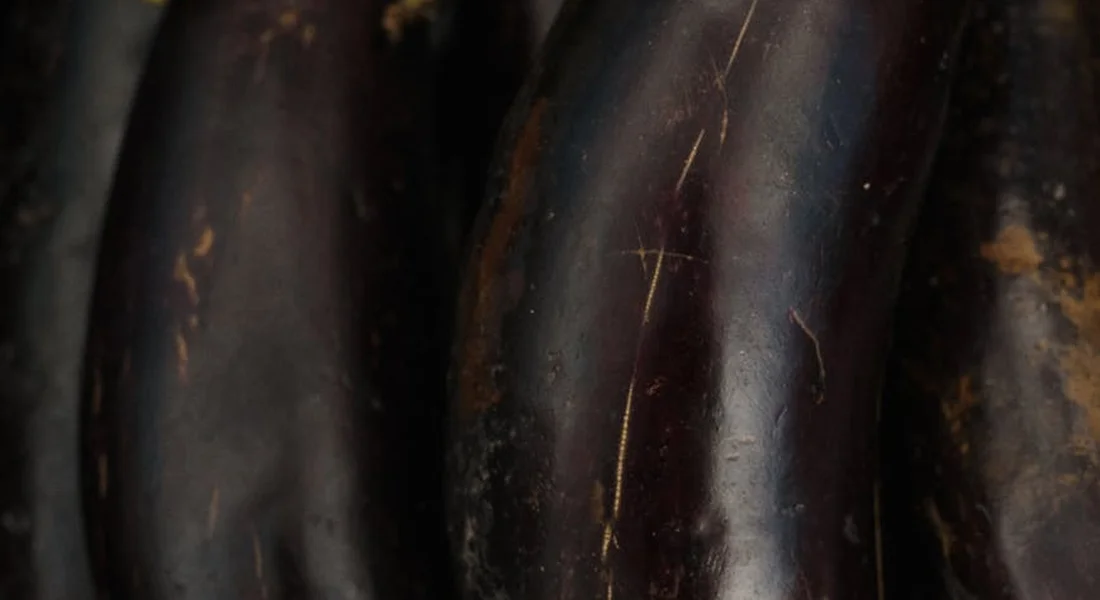
Eggplant skin contains vitamins like K and C, along with fiber and antioxidants. These nutrients can support your guinea pig’s immune system and digestive health when offered in strict moderation.
I’ve noticed my own guinea pig, Biscuit, enjoys the texture of fibrous foods. But the skin also holds solanine, a natural compound that can cause stomach upset in sensitive pets.
Always wash eggplant thoroughly to remove pesticides. Peeling the skin reduces risks while still letting your pet sample the flesh occasionally.
Healthier and Safer Food Alternatives to Eggplant
Instead of eggplant, offer these vitamin-packed favorites that my guinea pigs eagerly munch on daily.
- Bell peppers (all colors) – High in Vitamin C, low in sugar
- Romaine lettuce – Hydrating and crunch-friendly
- Cilantro – Aromatic and digestive-aid
- Zucchini – Soft, low-oxalate alternative
- Cucumber slices – Refreshing hydration boost
Rotate these options to provide nutritional variety and prevent boredom. My trio-Pepper, Clover, and Biscuit-show clear excitement when their meal rotation changes.
Introduce new foods gradually over 3-4 days. Watch for changes in digestion or behavior to ensure each choice agrees with your pet’s unique system.
Recognizing and Responding to a Negative Reaction
Even with careful preparation, your guinea pig might have a sensitivity to eggplant skin. Watch for small behavioral shifts like your piggy turning away from its favorite hay or being less vocal at meal times. These subtle signs often appear before more obvious physical symptoms. Recognizing signs of pain or illness in guinea pig behavior helps you act quickly. If changes persist, seek veterinary advice.
Common Symptoms of a Negative Reaction
- Lethargy or unusual stillness
- Soft stools or diarrhea
- Decreased appetite or refusing other foods
- Excessive scratching or signs of skin irritation
- Small, infrequent bloating
My guinea pig, Clover, once had a mild reaction to a new veggie, and her normally graceful demeanor turned sluggish for a few hours. Immediately remove any remaining eggplant from the cage and provide fresh water and unlimited timothy hay. The high fiber in hay helps stabilize their delicate digestive system. This incident also raises the question of which is right for your guinea pig— timothy hay or alfalfa pellets? Generally, timothy hay is the preferred daily staple for most adults, while alfalfa pellets are higher in calcium and protein and are best offered sparingly for growing youngsters or pets with specific needs.
When to Contact Your Veterinarian
- Your guinea pig stops drinking water
- Signs of pain, like teeth grinding or a hunched posture
- No improvement after 12 hours
- Complete refusal to eat their regular food
Building a Balanced and Happy Diet for Your Guinea Pig
A healthy guinea pig diet is like a colorful mosaic, with each piece serving a specific purpose. Timothy hay should form the foundation, making up about 80% of their daily intake. I always keep a plentiful supply for Pepper, Biscuit, and Clover—their constant munching keeps their teeth trim and their guts moving. Hay isn’t just filler—it’s the primary source of fiber that supports digestion and natural tooth wear. That’s why a steady hay supply is essential for a healthy guinea pig diet.
The Core Components of a Guinea Pig Diet
- Unlimited Timothy Hay: Essential for digestion and dental health
- Fresh Vegetables: 1 cup daily per pig, focusing on leafy greens
- High-Quality Pellets: 1/8 cup daily, fortified with Vitamin C
- Fresh Water: Changed daily in a clean bottle
I’ve found that variety is the spice of life, even for guinea pigs. Rotate between 3-5 different guinea-pig-safe vegetables each week to provide a spectrum of nutrients. When preparing the vegetables, rinse them well and cut into bite-sized pieces. This keeps portions manageable and makes mealtimes easier for your guinea pigs.
Creating a Weekly Veggie Rotation
| Day | Leafy Green Base | Additional Veggie |
|---|---|---|
| Monday | Romaine Lettuce | Bell Pepper Strips |
| Wednesday | Green Leaf Lettuce | Cherry Tomato (halved) |
| Friday | Cilantro | Zucchini Slices |
Remember that fruits and unusual vegetables like eggplant are treats, not staples. Limit these special foods to one or two small pieces per week to maintain nutritional balance. Watching my trio’s personalities shine through their eating habits-from Biscuit’s careful nibbling to Pepper’s enthusiastic munching-reinforces how a proper diet supports their unique spirits.
FAQs
Can guinea pigs eat eggplant flesh?
Yes, guinea pigs can eat small amounts of eggplant flesh occasionally, as it is less concentrated in solanine than the skin. However, eggs themselves are not safe or appropriate food for guinea pigs, so avoid them. Always introduce it slowly and monitor for any digestive issues like changes in droppings or appetite.
How often can eggplant be included in a guinea pig’s diet?
Eggplant should only be offered as a rare treat, no more than once every few weeks, to avoid potential health risks. Overfeeding can lead to solanine buildup or digestive discomfort, so stick to tiny portions.
Are there any specific benefits of eggplant for guinea pigs?
Eggplant provides small amounts of fiber and vitamins like C and K, which can support overall health in moderation. However, the risks from solanine mean it should never replace staple vegetables like bell peppers or leafy greens.
What if my guinea pig shows no interest in eggplant?
It’s perfectly fine if your guinea pig refuses eggplant, as they have individual preferences and it’s not a necessary part of their diet. Simply focus on offering other safe, nutritious alternatives like cilantro or zucchini instead.
Is eggplant safe for young or baby guinea pigs?
No, it’s best to avoid feeding eggplant to young guinea pigs, as their digestive systems are more sensitive and prone to issues. For baby guinea pigs, feeding should be careful and consistent to support growth. Keep portions small and hay available at all times. Stick to age-appropriate foods like timothy hay and gentle vegetables until they are fully grown.
Final Thoughts
Ultimately, you can share a small, cooked piece of eggplant with your guinea pig, but always remove the skin and seeds first. Guinea pigs generally don’t eat seeds as a regular part of their diet. If seeds are present in a snack, avoid them or remove the seeds before offering. Keep portions tiny and infrequent, watching carefully for any signs of digestive upset after they try it.
The best care comes from observing your pet and staying curious about their unique nutritional needs. Continue learning about safe, fresh foods to build a healthy and enriching life for your small friend.
Further Reading & Sources
- can piggies eat eggplant SKIN and SEEDS? – Guinea Pig Cages
- Can Guinea Pigs Eat Eggplants? – GuineaDad
- Can Guinea Pigs Eat Eggplant? (Nutrition, Serving Size, Hazards & More)
- Can Guinea Pigs Eat Aubergine / Eggplant – Squidgypigs
Kate is a passionate guinea pig owner and advocate for small pet welfare. With over a decade of experience caring for guinea pigs, she has become a trusted voice in the small pet community.
Uncategorized