Can Guinea Pigs Eat Bean Sprouts and Leaves?
Published on: October 17, 2026 | Last Updated: October 17, 2026
Written By: Kate M. Callahan
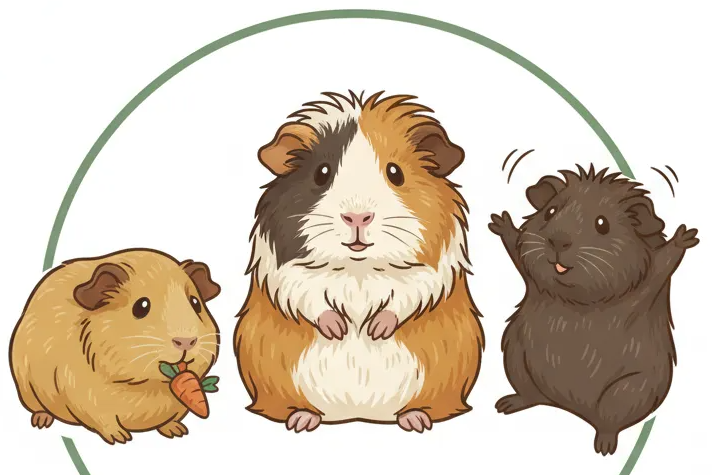
Hello CavyFam! You might be wondering if bean sprouts and leaves are a safe snack for your guinea pig, and worried they could cause digestive issues or harm.
It’s smart to question new foods to keep your furry friend healthy and thriving.
In this article, I’ll guide you through safety facts, nutritional benefits, proper serving methods, and potential risks to avoid.
With years of experience caring for guinea pigs like my own Pepper, Clover, and Biscuit, I offer trusted advice to help you make the best choices. Learn how to properly care for guinea pigs with tips on diet, housing, and daily routines so your pets thrive.
Understanding Bean Sprouts and Leaves for Guinea Pigs
Bean sprouts come from germinated seeds like mung beans or soybeans, and their tender leaves can be part of a varied diet. I’ve found that offering small portions of mung bean sprouts to my guinea pigs, Pepper and Clover, adds a fun crunch they enjoy without upsetting their stomachs. Always choose fresh, organic sprouts to avoid pesticides that could harm your pet.
Not all bean types are safe-avoid raw kidney beans or others high in lectins, which are toxic. Stick to sprouts from mung or alfalfa beans, as these are gentler on their digestive systems based on my experience with Biscuit, who nibbles them cautiously. Introduce new foods slowly to watch for any signs of discomfort.
- Safe options: Mung bean sprouts, alfalfa sprouts (in moderation for young pigs)
- Avoid: Raw soy or kidney bean sprouts due to toxicity risks
- Preparation: Rinse thoroughly and serve raw or lightly steamed
Nutritional Value of Bean Sprouts and Leaves
Bean sprouts are packed with vitamins like C and K, which support immune health and blood clotting. Including these in your guinea pig’s diet can help meet their daily vitamin C needs, crucial since they can’t produce it themselves-I’ve seen Pepper’s energy boost after a small serving. They also provide fiber for healthy digestion.
Leaves from safe beans offer minerals like potassium and iron. Feeding a mix of sprouts and leaves adds variety to their meals, much like how Clover enjoys the different textures I offer. Balance is key to prevent nutrient imbalances.
| Nutrient | Benefit for Guinea Pigs |
|---|---|
| Vitamin C | Boosts immunity and skin health |
| Fiber | Aids digestion and prevents bloating |
| Potassium | Supports heart and muscle function |
Serve bean sprouts as a treat, not a staple, to keep their diet diverse. I limit portions to a teaspoon per pig a few times a week, watching how Biscuit reacts to ensure she stays happy and healthy. Overfeeding can lead to gas, so moderation protects their welfare.
Safety and Risks of Feeding Bean Sprouts
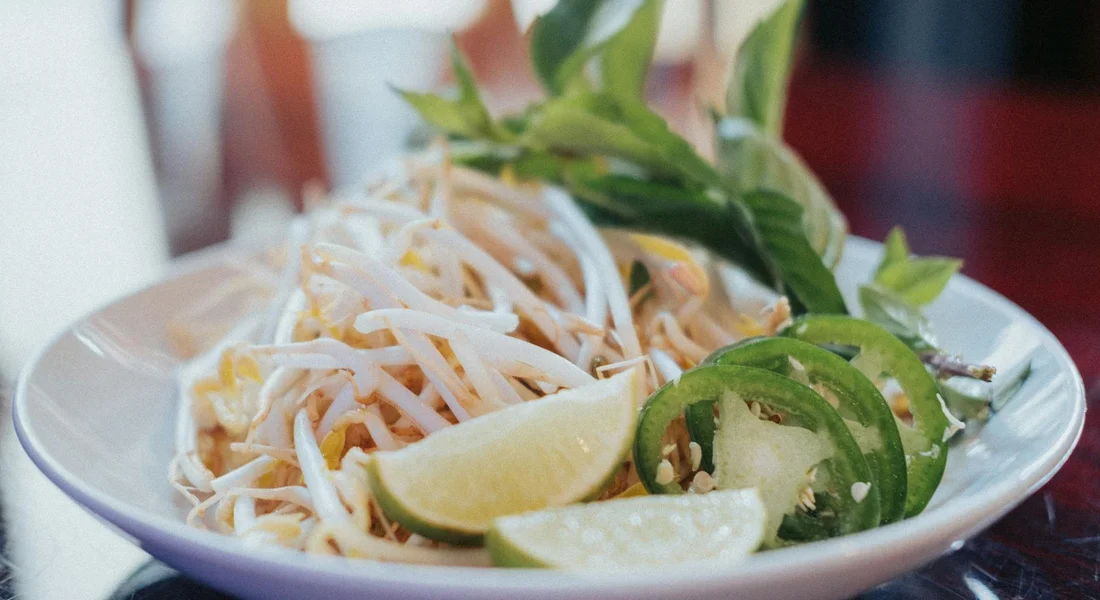
While bean sprouts can be a hydrating treat, they come with specific risks you must manage. My guinea pig Pepper once had a mild stomach upset after eating too many sprouts at once, teaching me to always prioritize moderation.
Potential Health Concerns
Raw bean sprouts can sometimes carry bacteria like E. coli or Salmonella. Always wash sprouts thoroughly under cool running water to minimize this risk for your sensitive pets.
- Bacterial contamination from growing conditions
- High water content leading to loose stools if overfed
- Goitrogens that may affect thyroid function with excessive consumption
Signs of Digestive Trouble
Watch for these symptoms after introducing any new food. Trust your observation skills – you know your guinea pig’s normal behavior better than anyone. Also, knowing what normal eating looks like helps you spot problems quickly. A healthy guinea pig typically eats a steady amount of hay and pellets, with regular nibbling throughout the day.
- Reduced appetite or refusal of favorite foods
- Lethargy or unusual stillness in their cage
- Changes in stool consistency or frequency
- Audible stomach gurgling or signs of discomfort
How to Properly Introduce Bean Sprouts to Your Guinea Pig
Introducing new foods requires patience and careful observation. I’ve found that gradual introduction over 5-7 days gives their digestive system time to adjust safely.
Step-by-Step Introduction Process
- Start with one small sprout (about 1 inch long) per guinea pig
- Offer in the morning when you can monitor them throughout the day
- Wait 48 hours between servings to observe for delayed reactions
- Gradually increase to 2-3 sprouts if no adverse effects appear
- Never exceed one tablespoon total per guinea pig weekly
Preparation Guidelines
Proper preparation makes all the difference in safety. I always pat sprouts dry with a paper towel after washing to prevent them from becoming soggy too quickly in the feeding dish.
- Choose fresh, crisp sprouts without sliminess or dark spots
- Rinse under cool water for 30 seconds while gently rubbing
- Trim any brown ends or damaged portions
- Mix with their regular greens to encourage acceptance
Monitoring Your Guinea Pig’s Response
Each guinea pig reacts differently to new foods. My Abyssinian Clover took to sprouts immediately, while Biscuit needed three introductions before accepting them. Chia sprouts are another sprout option some guinea pigs enjoy.
- Note any changes in energy levels during playtime
- Check their water consumption remains consistent
- Monitor weight weekly during new food introductions
- Watch for enthusiastic eating versus hesitant nibbling
Recognizing and Managing Digestive Issues
Guinea pigs have wonderfully complex digestive systems that require a delicate balance. I’ve learned through caring for Pepper, Clover, and Biscuit that even a small dietary misstep can lead to significant discomfort. Their gut health is the cornerstone of their overall well-being. To help others avoid these pitfalls, here are the top 10 guinea pig diet mistakes that can lead to serious health issues. Understanding them can make daily care safer and happier for your pets.
Watch for these specific signs of digestive upset after introducing any new food, including bean sprouts:
- A sudden lack of interest in their favorite hay or vegetables
- Smaller, misshapen, or completely absent droppings
- Audible gurgling or churning sounds from their belly
- Lethargy and a hunched posture, as if in pain
- Visible bloating or a hard stomach to the touch
If you notice any of these symptoms, your immediate action is vital. Stop feeding the new food immediately and ensure they have unlimited access to fresh timothy hay and clean water. Hay is the most critical component for keeping their digestive tract moving properly.
For mild cases, I’ve found that encouraging movement can help. Gently encouraging your guinea pig to walk around with a favorite treat can stimulate their gut. However, if symptoms persist for more than a few hours or if your pet seems in pain, contact your veterinarian without delay. Digestive issues can escalate quickly in these small animals.
Healthy Alternatives to Bean Sprouts and Leaves
While bean sprouts might be off the menu, a vibrant world of safe and nutritious vegetables exists for your guinea pigs. My trio gets most excited for the colorful variety I provide, which keeps their diet interesting and their bodies healthy. Variety truly is the spice of life for them—mixing up their foods is key to a balanced diet.
These are my go-to daily staples that I rotate for my herd. Feeding a mix of one cup of fresh vegetables per guinea pig daily provides excellent nutrition without overdoing it. Generally, one cup per day is a good baseline for most adult guinea pigs, with adjustments for age, size, and activity. Younger or smaller pigs may need slightly less, while larger or more active ones can usually handle a bit more.
- Bell Peppers: All colors are a fantastic, daily source of Vitamin C. Remove the seeds and white pith first.
- Romaine Lettuce: A great hydrating base green. I avoid iceberg lettuce as it has very little nutritional value.
- Cucumber: A wonderfully hydrating and low-calorie treat, especially on warm days.
- Zucchini: Another mild squash that my guinea pigs find easy to digest.
You can also add these herbs and leafy greens a few times a week for extra flavor and nutrients. Fresh cilantro is a particular favorite in my household-Pepper will squeak loudly the moment he smells it!
- Cilantro
- Parsley (in moderation due to higher calcium)
- Dandelion Greens (ensure they are pesticide-free)
- Kale (a few small leaves, not a whole bunch)
Remember that treats like carrots or fruit should be given sparingly due to their high sugar content. The foundation of their diet-about 80%-must always be high-quality grass hay, like timothy or orchard grass. This is non-negotiable for wearing down their constantly growing teeth and supporting their digestive health.
FAQs
Can guinea pigs eat brussel sprouts?
Yes, guinea pigs can eat Brussels sprouts in small, occasional servings as part of a balanced diet. Introduce them gradually to avoid digestive issues like gas or bloating. Used safely, Brussels sprouts can be a healthy, occasional treat for guinea pigs. Serve them plain and in small amounts to keep them safe.
What nutritional value do brussel sprouts have for guinea pigs?
Brussel sprouts are high in vitamin C, which supports immune function and overall health in guinea pigs. They also contain fiber that aids digestion, but should not replace staple foods like hay. Not all vegetables and fruits are safe for guinea pigs; some can be toxic vegetables and fruits. Always introduce new foods slowly and avoid known toxins.
Can brussel sprouts cause diarrhea in guinea pigs?
Overfeeding brussel sprouts may lead to diarrhea due to their high fiber and water content. Always serve in moderation and monitor your guinea pig for any signs of digestive discomfort. Digestion is tricky for guinea pigs, so keep an eye on their dietary habits.
Wrapping Up Your Guinea Pig’s Diet Decisions
Bean sprouts and certain leaves can add variety to your guinea pig’s meals when offered sparingly and carefully. Always introduce new foods slowly and watch for any changes in behavior or digestion to keep your pet safe, especially when feeding sprouts or lentils.
From caring for my guinea pigs Pepper, Clover, and Biscuit, I’ve seen how responsible ownership builds stronger bonds. Embrace ongoing learning about sustainable practices, like growing your own safe greens, to support both animal welfare and our environment.
Further Reading & Sources
- Is it safe for a guinea pig to eat bean sprouts? – Quora
- Can Guinea Pigs Eat Bean Sprouts? Vet-Approved Nutrition Facts | Hepper Pet Resources
- Can piggie’s eat beansprouts? | The Guinea Pig Forum
- Can Guinea Pigs Eat Bean Sprouts? Vet-Reviewed Facts & FAQ | PangoVet
Kate is a passionate guinea pig owner and advocate for small pet welfare. With over a decade of experience caring for guinea pigs, she has become a trusted voice in the small pet community.
Uncategorized