Can Guinea Pigs Eat Kale? A Complete Guide
Published on: October 13, 2026 | Last Updated: October 13, 2026
Written By: Kate M. Callahan
Hello CavyFam! You’re probably wondering if kale is a safe choice for your guinea pig. It’s smart to double-check, since some greens can cause more harm than good.
I’ll walk you through kale’s nutritional benefits, proper serving sizes, potential health risks, and safe alternatives.
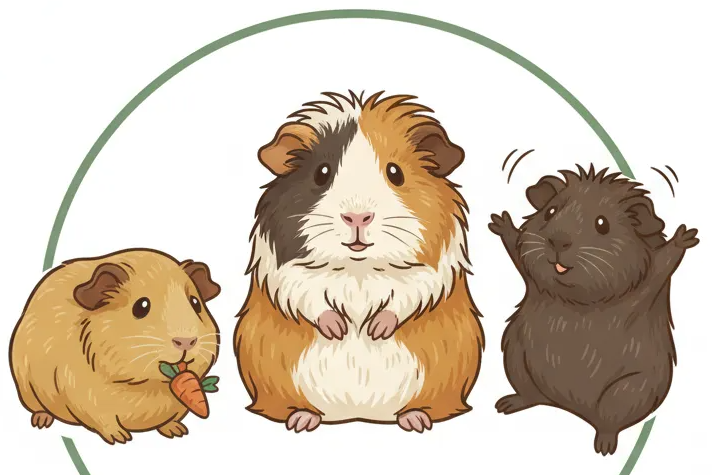
My three guinea pigs-Pepper, Clover, and Biscuit-help me test these tips firsthand!
Is Kale Safe for Guinea Pigs?
Yes, kale is safe for guinea pigs, but it comes with important considerations due to compounds like goitrogens and oxalates. Goitrogens can interfere with thyroid function by blocking iodine absorption, while oxalates may contribute to kidney stones if fed in excess. I’ve seen this firsthand with my guinea pigs-Pepper, Clover, and Biscuit-so I always prioritize moderation to keep them healthy and happy. It’s helpful to think in terms of safe vs unsafe herbs for guinea pigs. While kale can be part of a safe herb plan in moderation, some common herbs—like garlic, onion, and chives—should be avoided.
To introduce kale safely, start with tiny portions and watch for any digestive changes. Begin by offering a small leaf once a week, then gradually increase if they tolerate it well, but never make it a daily treat. This slow approach helps prevent issues like bloating or discomfort, which I’ve noticed can happen if new foods are rushed.
- Feed kale in small amounts, no more than 1-2 times weekly
- Rotate with other leafy greens to reduce oxalate buildup
- Always wash kale thoroughly to remove pesticides
- Monitor for signs of gas or lethargy after feeding
Nutritional Benefits of Kale for Guinea Pigs
Kale packs a powerful nutritional punch, especially with vitamin C, which guinea pigs can’t produce on their own. This vitamin is crucial for preventing scurvy and boosting their immune systems, something I’ve relied on to keep Pepper’s coat shiny and Clover’s energy levels up, along with ensuring they receive adequate hydration and vitamin C from their water. Beyond that, kale offers calcium for strong bones and fiber to support smooth digestion.
- Vitamin C: Fights infections and promotes healthy skin
- Calcium: Strengthens teeth and bones, but balance is key to avoid urinary issues
- Fiber: Aids in gut health and prevents constipation
- Antioxidants: Help reduce inflammation and support overall vitality
In my care, I’ve seen how these nutrients benefit guinea pigs, but I pair kale with low-calcium veggies to maintain a balanced diet. Remember, variety is essential—don’t let kale overshadow other nutritious options in their meals. An ideal overall diet for a healthy guinea pig centers on hay as the main staple, complemented by a variety of fresh greens and a small amount of fruit. This balanced approach supports dental wear, digestion, and vitamin C needs. For more details, check out an ideal overall diet for a healthy guinea pig.
Health Risks of Feeding Kale to Guinea Pigs
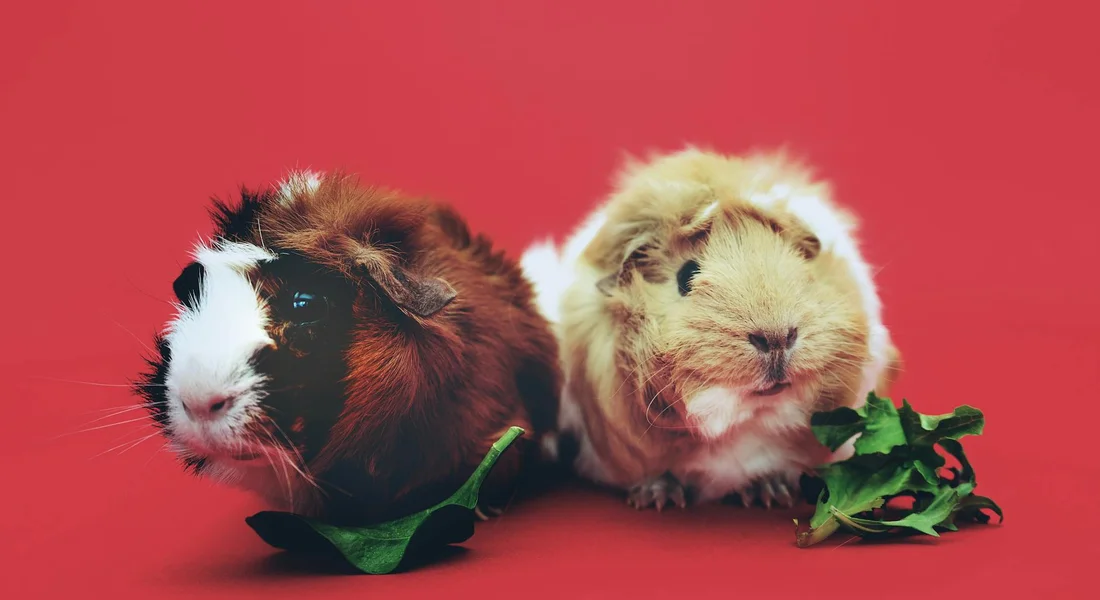
Kale is packed with nutrients, but it also contains compounds that can cause issues if fed too often. Moderation is your best tool for keeping your guinea pig healthy and happy. I learned this the hard way when my guinea pig, Biscuit, started showing mild discomfort after I got a little too enthusiastic with kale treats.
Understanding Oxalates and Goitrogens
Oxalates are natural substances found in many leafy greens, including kale. High oxalate levels can bind with calcium in your pet’s body, potentially forming tiny crystals that irritate the urinary tract. Think of it like tiny bits of sand that shouldn’t be there.
Goitrogens are different. They can interfere with how the thyroid gland functions by blocking iodine absorption. While a small, occasional amount is generally fine, a consistent, large intake could lead to an enlarged thyroid gland, known as a goiter. This is why variety in their veggie diet is so critical.
Calcium and Urinary Health
Guinea pigs are prone to developing bladder stones, which are often composed of calcium. Feeding high-calcium foods like kale too frequently can increase the mineral saturation in their urine, raising the risk of these painful stones. I always monitor my herd’s calcium intake closely, especially for my older pig, Clover, to prevent any bladder issues.
To maintain a good balance, I follow a simple rule. Rotate kale with other low-calcium greens like romaine lettuce and bell peppers to provide nutritional variety without overloading their systems. This simple practice helps protect their delicate urinary health.
Kale Varieties: What Can Guinea Pigs Eat?
Not all kale is created equal, but the good news is most common types are safe in moderation. My guinea pigs have tried several varieties, and they each have their own funny preferences. Pepper, for instance, will always go for the curliest leaves he can find first.
| Kale Type | Is It Safe? | Notes from My Experience |
|---|---|---|
| Curly Kale | Yes | This is the most common. My pigs love the texture, but it can be high in oxalates. |
| Red Russian Kale | Yes | The leaves are flatter and tender. I find my guinea pigs often eat this variety more eagerly. |
| Lacinato (Dinosaur) Kale | Yes | Its dark, bumpy leaves are nutritious. I chop these finely as they can be a bit tougher. |
Curly Kale vs. Red Kale
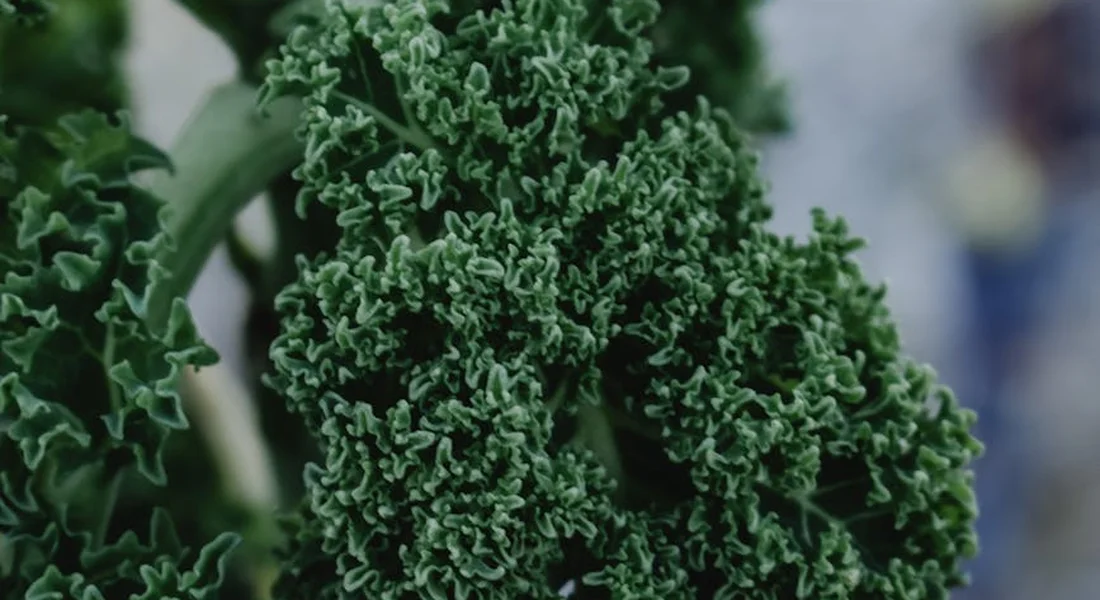
Curly kale is the classic variety you see in most supermarkets. Its ruffled leaves can sometimes trap more dirt and pesticides, so a thorough wash is non-negotiable. Nutritionally, it tends to be a bit higher in oxalates compared to some other types.
Red kale, often called Red Russian kale, has a milder flavor and a softer leaf. From my observations, red kale might have a slightly better calcium-to-phosphorus ratio, making it a marginally better occasional choice for urinary health. My thoughtful pig, Clover, seems to prefer its less fibrous texture.
Organic vs. Store-Bought Kale
I always opt for organic kale when my budget allows. Organic farming practices significantly reduce your pet’s exposure to synthetic pesticide residues, which is better for their long-term health. It’s a small investment in their wellbeing.
If conventional kale is your only option, don’t panic. A proper washing routine can remove a significant amount of surface chemicals and dirt. Here is my simple, effective washing method:
- Fill a clean bowl with cool water.
- Add a splash of white vinegar and swish the kale leaves for a minute.
- Rinse the leaves thoroughly under running water.
- Pat the leaves dry with a clean towel or use a salad spinner.
How to Feed Kale to Your Guinea Pig
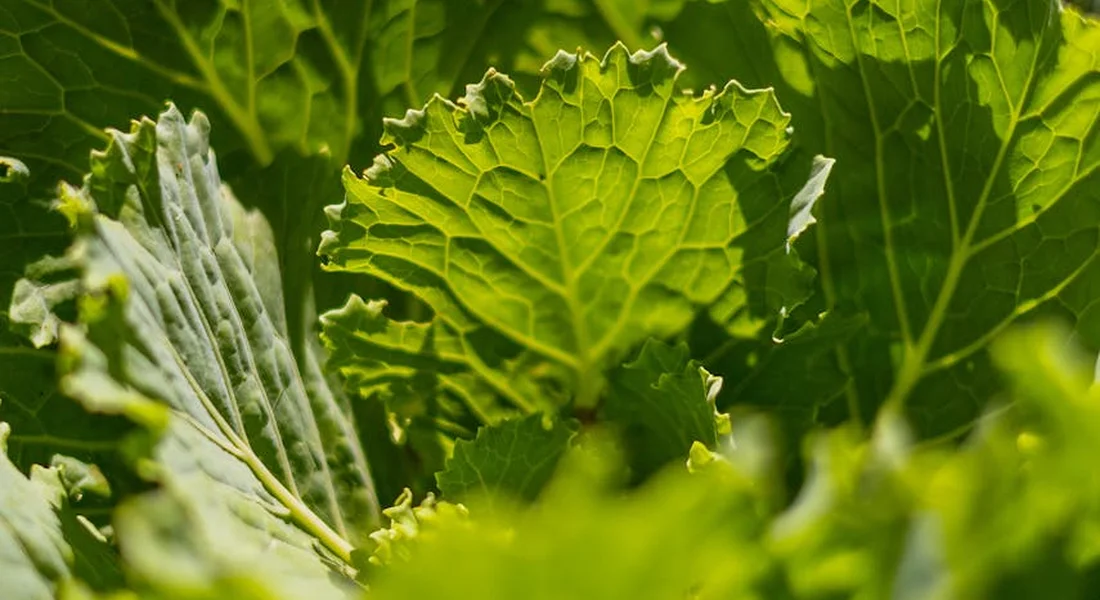
Feeding kale correctly is all about balance and preparation. Kale should be a treat, not a staple, in your guinea pig’s daily vegetable rotation. I think of it as the dessert of the veggie world-delicious but best in small amounts, especially for baby or young guinea pigs.
Portion Control and Frequency
Getting the portion size right prevents most health issues. A piece of kale roughly the size of your guinea pig’s head, once or twice a week, is a safe and satisfying amount. I never feed kale on consecutive days to give their systems a break.
Follow these steps for safe feeding:
- Select one small leaf or a piece of a larger leaf.
- Ensure their main diet of timothy hay and high-quality pellets is available first.
- Offer the kale as a midday or evening treat, not with their main meals.
- Remove any uneaten kale after a few hours to prevent spoilage.
Preparing Kale Safely
Proper prep makes kale safer and easier for your pet to eat. Always remove the tough, fibrous central stem, as it’s a choking hazard and difficult for them to digest. I simply tear the leafy parts away from the stem with my fingers.
I then chop the leaves into bite-sized pieces, about one-inch squares. Chopping the leaves not only prevents choking but also makes it easier to mix with other veggies, encouraging a varied diet. My reserved pig, Biscuit, is much more likely to try new foods when they’re mixed in with a favorite like kale.
Signs of Adverse Reactions to Kale
Keep a close eye on your guinea pig after they try kale for the first time. Watch for any unusual behavior or physical changes that might signal discomfort. From my experience with Pepper, even small amounts can sometimes cause mild issues if they’re not used to it. Some vegetables and fruits can be toxic to guinea pigs, so always verify safety before introducing new items.
- Digestive upset like diarrhea or bloating, which I’ve seen make Clover less active.
- Allergic reactions such as itching, sneezing, or watery eyes.
- Loss of appetite or lethargy, which Biscuit showed once after a new food introduction.
- Changes in stool consistency or frequency.
If symptoms last more than a day or seem severe, contact your vet right away. Prompt action helps prevent minor issues from becoming serious health risks. I always err on the side of caution with my guinea pigs’ diets to keep them safe and happy. If you suspect your guinea pig seems sick, use a complete home troubleshooting checklist to assess symptoms. It helps you decide when to seek veterinary care.
Alternatives to Kale in a Guinea Pig’s Diet
Kale is high in nutrients but can be too rich for daily feeding. Rotating greens ensures a balanced diet and reduces the chance of overloading on certain compounds. Spinach, for example, has similar vitamins but higher oxalates that might cause bladder stones if fed too often.
- Romaine lettuce: Low in oxalates and high in water content, great for hydration-my guinea pigs love its crunch.
- Cilantro: Packed with vitamin C and antioxidants, it’s a favorite for Clover’s immune support.
- Parsley: Rich in iron and vitamin K, but feed in moderation due to calcium levels.
- Dandelion greens: Full of fiber and vitamins, perfect for digestive health-I pick these from pesticide-free areas.
- Bell peppers: Sweet and loaded with vitamin C, a colorful treat that Biscuit adores.
Mixing these options keeps meals exciting and nutritious. Always introduce new foods slowly to avoid shocking their sensitive systems. I’ve found that variety not only boosts their health but also enriches their daily routine.
FAQs
Does kale make my guinea pig’s cage smell worse?
Kale can sometimes intensify urine odor due to its sulfur compounds, but this is usually minimal with proper feeding. Ensure you clean the cage regularly to manage any changes in smell.
What is the basic structure of a guinea pig’s skeleton?
A guinea pig’s skeleton includes a skull, spine, ribs, and limb bones that provide support and enable movement. This structure is essential for their overall health and agility as pets. These are among the key parts of guinea pig anatomy, with the skull protecting the brain and sense organs, the spine guarding the spinal cord, the ribs shielding the heart and lungs, and the limb bones enabling movement.
Why is the skeletal system important for guinea pigs?
The skeletal system protects internal organs and supports body weight during activities like running. It also produces blood cells in the bone marrow, vital for their immune function.
Where can I find a diagram of a guinea pig skeleton?
Diagrams are available in veterinary anatomy books or reputable online pet care websites. These visuals help owners understand bone placement for better health monitoring.
How does the frontal view of a guinea pig skeleton appear?
The frontal view shows symmetrical features like the rib cage and limb attachments for balance. This perspective is useful for identifying any abnormalities in posture or structure.
My Takeaway from Feeding Kale to Pepper, Clover, and Biscuit
Kale offers valuable nutrients but should be a small, occasional part of your guinea pig’s diet to prevent health issues from excess calcium. I always mix kale with other leafy greens for my trio, introducing any new food slowly to watch for tummy troubles. There are several guinea pig-safe vegetables greens to rotate, such as romaine lettuce, cilantro, or small amounts of parsley, to keep meals balanced. Rotating safe greens helps provide a wider range of nutrients and supports a healthy gut.
Staying curious about eco-friendly choices, like sourcing organic veggies, supports both your pet’s health and our planet. Caring for guinea pigs means always learning and adapting, which I’ve found keeps companions like Pepper thriving for years. When I prep vegetables for Pepper, I wash and chop greens into bite-sized pieces to make them easy to nibble. This mindful veggie prep is another way eco-friendly choices benefit tiny, curious eaters.
Further Reading & Sources
- GuineaDad Food Blog: Can Guinea Pigs Eat Kale? (2023 Update!)
- Can Guinea Pigs Eat Kale? Safe Feeding Guide
- r/guineapigs on Reddit: Yummy broccoli and kale!
- kale? | The Guinea Pig Forum
Kate is a passionate guinea pig owner and advocate for small pet welfare. With over a decade of experience caring for guinea pigs, she has become a trusted voice in the small pet community.
Uncategorized