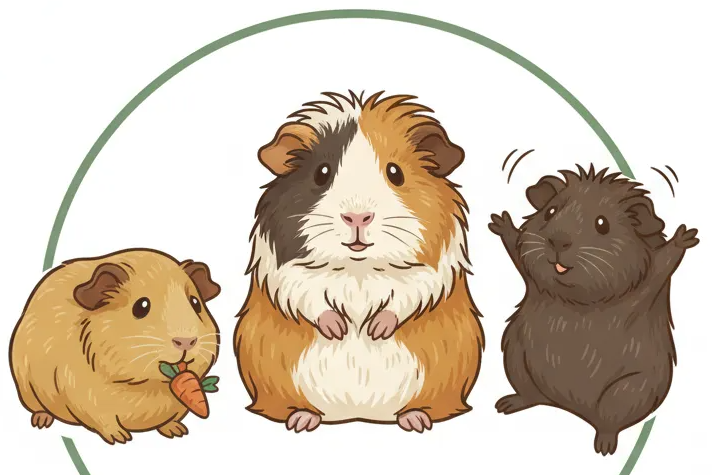
Complete Guide to Guinea Pig Sounds and Their Meanings
Published on: January 1, 2026 | Last Updated: January 1, 2026
Written By: Kate M. Callahan
Hello CavyFam! Ever wonder what your chatty guinea pig is trying to tell you? You’re not alone in wanting to understand their unique language.
In this guide, we will cover wheeking, purring, chutting, rumbling, and whining.
I’ve decoded these sounds through years of caring for my own vocal herd.
An Introduction to Guinea Pig Vocalizations
Welcome back! If you’ve ever listened to your guinea pig and wondered what on earth they’re trying to tell you, you’re in the right place. Guinea pigs are incredibly expressive creatures who use a rich vocabulary of sounds to share their feelings and needs. Learning this language is one of the most rewarding parts of being a pet parent. It transforms your relationship from simply caring for them to truly understanding them. They vocalize everything from pure joy and excited anticipation to nervousness and even mild annoyance. Knowing the happy signals is crucial, and you can learn more about it here.
Decoding Common Guinea Pig Sounds
Let’s break down the most frequent noises you’ll hear from your furry friend. This quick-reference guide will help you become fluent in ‘piggish’ in no time. I’ve learned so much from observing my own trio-Pepper’s steady nature, Clover’s thoughtful grace, and Biscuit’s quiet intelligence all come through in their unique voices.
| Sound | What It Means | Real-Life Context |
|---|---|---|
| Wheeking | Excitement, anticipation, hunger | Pepper starts this the second she hears the fridge door. |
| Purring | Contentment and relaxation | Biscuit purrs softly when getting gentle chin scratches. |
| Rumbling | Dominance, irritation, or mating | Clover will rumble if another pig gets too close to her favorite hidey. |
| Chirping | Uncertainty, stress, or social calling | Clover chirped for ten minutes straight one quiet evening, seemingly to herself. |
| Squeaking | General communication, mild protest | A short, sharp squeak often means “hey, move over, you’re in my spot!” |
Wheeking: The Sound of Hunger or Excitement
Wheeking is that loud, high-pitched, persistent squeal that is impossible to ignore. Think of it as your guinea pig’s dinner bell or their way of shouting a very enthusiastic “hello!” It’s most commonly triggered by the sound of a plastic bag crinkling or the refrigerator opening. My guinea pig Pepper has this down to a science. Her steady, gentle personality vanishes the moment she thinks veggies are near, replaced by a chorus of powerful wheeks that echo through the house. It’s a sound of pure, unadulterated anticipation.
Purring and Rumbling: Contentment or Warning
This is where context is absolutely everything, as these sounds can mean opposite things. You must listen to the tone and watch your guinea pig’s body language to know if you’re hearing a happy purr or a warning rumble. Guinea pigs can be sensitive to loud noises and may react quickly to sudden sounds. Reading their cues helps you keep them calm and safe. Here is how I tell the difference with my pigs:
- Listen to the Pitch: A happy purr is higher and softer, like a cat’s purr. A rumble is deeper and has a more vibrating, motor-like quality.
- Observe the Situation: A purr happens during relaxing activities like petting or cuddles. A rumble often occurs during social interactions, like when one pig is asserting dominance.
- Watch the Body: A purring pig is loose and relaxed. A rumbling pig might be stiff, swaying its hips, or trying to tower over another.
My Peruvian, Biscuit, is reserved but loves a good chin scratch. When he’s content, he emits a soft, high purr. In contrast, my graceful Clover will let out a low, deep rumble if another pig gets too close to her food bowl, a clear signal to back off.
Chirping and Whistling: Rare but Meaningful
Hearing a guinea pig chirp is a special and somewhat mysterious event. It sounds exactly like a small bird and often leaves owners wondering if a sparrow has gotten into the house. The meaning isn’t fully understood, but it’s often linked to stress, uncertainty, or a form of social communication. I’ve only heard my Abyssinian, Clover, chirp a handful of times. She once sat perfectly still on her platform for nearly ten minutes, chirping thoughtfully into the quiet room. She wasn’t frightened, just seemingly lost in her own little world. Whistling is another less common sound, usually a sign of trying to locate cage mates or a call for attention. These rare vocalizations remind us that our pets have complex inner lives we are only just beginning to understand.
Understanding Vocal Cues with Body Language
Your guinea pig’s vocalizations are like pieces of a puzzle that need body language to complete the picture. I’ve found that relying solely on sounds can lead to misunderstandings, as each of my guinea pigs—Pepper, Clover, and Biscuit—expresses themselves uniquely through postures and noises. Recognizing each guinea pig’s personality temperament is key to interpreting their signals accurately. By paying attention to temperament as well as sound, you can tailor handling and enrichment to fit Pepper, Clover, and Biscuit. For instance, Biscuit’s reserved nature means his soft purrs might go unnoticed without watching his relaxed sprawl.
- Teeth chattering with raised fur and a stiff posture: This combo screams “back off” and signals fear or aggression, something I’ve seen when Pepper feels threatened by sudden movements.
- Wheeking while standing on hind legs and wiggling the nose: Indicates high excitement, often for food or attention, which Clover does gracefully when she hears the veggie bag rustle.
- Purring with a loose, flopped-over body and half-closed eyes: Shows pure contentment, a common sight when Biscuit snuggles into his bedding after a good meal.
- Rumbling with a low, swaying walk and puffed-up fur: Points to dominance or courtship, something I observe during playtime to ensure no one feels stressed.
To get a full grasp of these cues, integrate habit observation into your daily routine. Spend quiet moments watching your guinea pig’s routines, like how they react to feeding times or new toys, to build a deeper bond and spot subtle changes in mood. With Clover, I note that her light brown spots seem to twitch more when she’s curious, helping me tailor her environment for comfort and safety. Keep a simple log of sounds and postures you see-this practice not only aids accurate interpretation but also supports their overall welfare by preventing stress.
How to Respond to Your Guinea Pig’s Noises
When your guinea pig makes a sound, they are talking to you. Learning to respond correctly builds trust and makes your pet feel understood. I’ve spent countless hours with my trio, and responding appropriately has deepened our bond immensely.
- If you hear a loud, long Wheek: Your piggy is excited, usually about food. Check their hay rack and refill their fresh vegetables if needed. My guinea pig Pepper starts wheeking the moment he hears the fridge open!
- If you hear a low, bubbling Purr: Your pet is likely content. Gently continue what you’re doing, like softly petting them. You’ll notice Clover purrs when I stroke the fur behind her ears.
- If you hear a series of short Purrs with a stiff body: This signals annoyance or fear. Stop whatever action is causing it, like picking them up, and give them a moment of quiet.
- If you hear a sharp, high-pitched Shriek or Scream: This is an emergency call. Immediately check for danger-like a sudden loud noise, a perceived predator, or if another guinea pig is bothering them. Biscuit once shrieked when a shadow startled him.
- If you hear a quiet, repetitive Chirping: This rare sound often means they are deeply focused or entranced. Simply observe quietly without interrupting; it’s a special moment to witness.
- If you hear Chuttering or Teeth Chattering: This is a clear warning. They feel threatened. Give them space and remove the perceived threat, which could be another pet or a fast-moving hand.
Steps for Positive Reinforcement
Rewarding the sounds you like encourages your guinea pig to communicate with you more. Positive reinforcement turns vocalizations into a fun, two-way conversation. I use this method daily, and it’s helped even my more reserved pig, Biscuit, become more vocal.
- Identify a desired sound, like a happy wheek when you say their name or a contented purr during handling.
- As soon as you hear the sound, immediately offer a high-value reward. A small piece of their favorite veggie, like cilantro or bell pepper, works perfectly.
- Pair the reward with verbal praise like “Good piggy!” in a happy, upbeat tone. This connects the sound with your positive reaction.
- Be consistent. Repeat this process every time they make the desired noise to build a strong, reliable association.
- Keep training sessions short and fun, no longer than a few minutes, to prevent your pet from becoming bored or stressed.
Emergency Sounds: When to Take Action
Some guinea pig sounds are not just chatter; they are urgent distress signals. Recognizing these specific vocalizations can be the difference between a minor scare and a serious health crisis. I learned this the hard way when my guinea pig, Biscuit, let out a sound I’d never heard before, sending me into immediate action. Yet sounds aren’t the whole story. Interpreting common guinea pig body language—how they stand, move, or react to touch—can reveal how they’re feeling, even when vocal cues are subtle.
The Critical Vocalizations
Two sounds, in particular, demand your immediate attention. A high-pitched, loud, and sustained scream is a universal sign of pain or terror in guinea pigs. It’s a sound you will not confuse with their usual happy wheeking. These crying sounds are your guinea pig’s way of signaling distress or discomfort. Understanding what each cry means helps you respond quickly to signs of pain or illness. The other is a persistent, low-pitched, mournful squeal or moan, often accompanied by a hunched posture and lethargy.
- Screaming: A sharp, piercing shriek indicating immediate pain, fear, or a predator attack.
- Persistent Mournful Squealing: A continuous, low-pitched sound signaling prolonged discomfort, illness, or significant pain.
Your Emergency Action Plan
When you hear these sounds, stay calm but act quickly. Your piggy is counting on you. Your first priority is to ensure their immediate safety and assess the situation without causing further stress. I always take a deep breath before approaching, as my own panic can frighten them more.
- Approach your guinea pig slowly and speak in a soft, reassuring voice.
- Gently perform a visual check for any obvious injuries, bleeding, or signs of physical trauma.
- Check their immediate environment for hazards like sharp objects, other pets, or something that could have fallen into their cage.
- Observe their breathing and posture. Are they struggling to breathe? Are they huddled and unwilling to move?
- If you cannot find an obvious cause, or if the vocalization continues, contact your veterinarian or an emergency animal clinic immediately. Do not wait.
Trust your instincts above all else. You know your pet’s normal behavior best, and if a sound feels wrong, it almost certainly is. It is always better to be cautious and seek professional help than to hope a serious problem will resolve on its own.
Using Vocalizations for Bonding and Enrichment
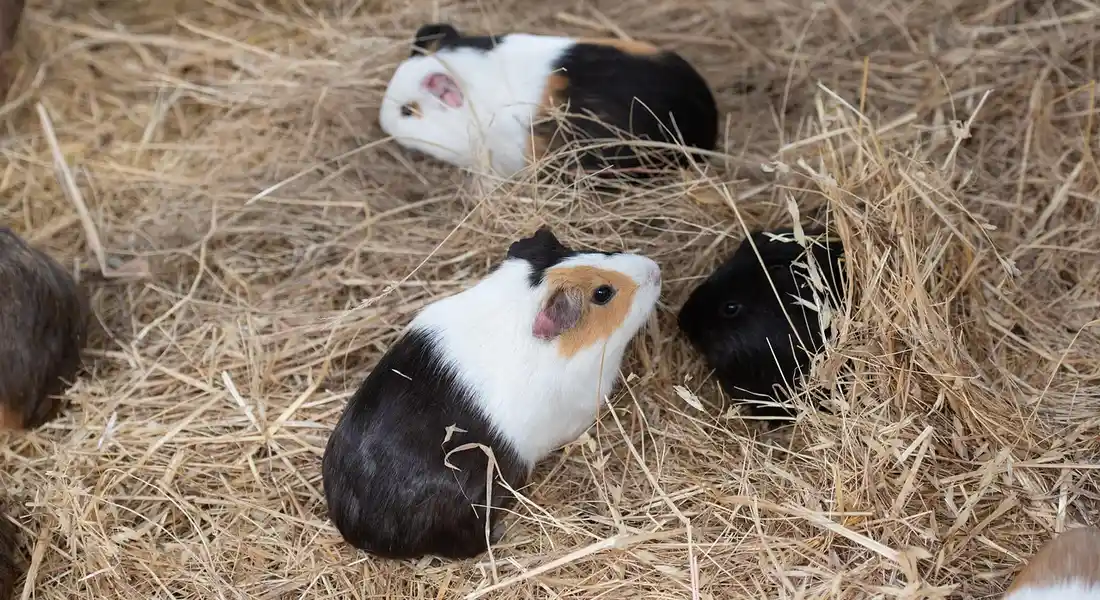
Your guinea pig’s sounds are an open invitation to connect with them on a deeper level. Responding to their vocalizations is one of the most direct ways to build a trusting and affectionate relationship. Are these among the common bonding behaviors, and what do they mean for you and Pepper? When my guinea pig, Pepper, lets out a soft “wheek” as I walk by, I always answer with a gentle, “Hello, handsome boy,” and he often responds with another happy noise.
Talk Back to Build a Dialogue
Think of your guinea pig’s sounds as the start of a conversation. When you hear a noise, acknowledge it. This shows you are listening and engaged.
- Answer their “wheeks”: If they call out for food or attention, respond verbally. A simple “I’m coming!” or “Are you hungry?” in a calm, high-pitched voice can be very reassuring.
- Mimic their purrs: When they are rumbling or purring contentedly, try making a low, soft “brrr” sound back at them. I’ve found my Clover will often settle down and close her eyes when I do this, as if we’re sharing a secret, comfortable language.
- Reassure during “chutts”: If you hear the short, staccato “chutt” of uncertainty, speak to them softly. A quiet “It’s okay, you’re safe” can help them understand there’s no danger.
Incorporate Sounds into Play and Training
You can use specific sounds as cues for fun activities, turning communication into a game. Consistency is the secret to making these sound associations stick. My piggies have learned that a specific tongue-clicking sound from me means a tasty piece of cilantro is on its way.
- Create a “dinner call”: Use a distinct whistle or word every time you bring their fresh veggies. They will quickly learn to associate that sound with mealtime and will “wheek” in excited chorus.
- Use a “find it” cue: Hide a favorite treat in a paper bag or a cardboard tube. Make a specific sound, like a soft tap on the floor, to signal the start of the hunt. Listen for their happy chirps and rumbles as they search.
- Introduce a “lap time” sound: Before you pick them up for cuddles, use a gentle, consistent phrase. My Biscuit used to be very shy, but she now recognizes “Up you go, sweet girl” and will often purr in anticipation instead of running away.
Enrichment Activities to Stimulate Chatter
The right activities will encourage your guinea pigs to be more vocal, expressing their curiosity and contentment. A stimulated guinea pig is a chatty guinea pig, and providing novel experiences is key to their happiness. I always prioritize safe, animal-friendly materials in all the toys I make for my herd.
- The Crinkle Tunnel: Stuff a paper bag or a commercially made crinkle tunnel with fresh hay. The sound of them rustling through it often triggers a symphony of excited “wheeks” and curious “brrs.”
- Foraging Fun: Scatter their daily pellet ration or small veggie pieces around their enclosure instead of using a bowl. The search encourages natural foraging behavior and you’ll hear them communicating with soft, searching chirps as they work.
- Sound-Interactive Toys: Introduce baby toys that make gentle, non-threatening sounds, like a soft rattle. Place it near them and observe. They might “popcorn” away from it at first, but often they will return to investigate, rumbling and “chutting” to each other about the strange new object.
Fun Facts and Training Tips
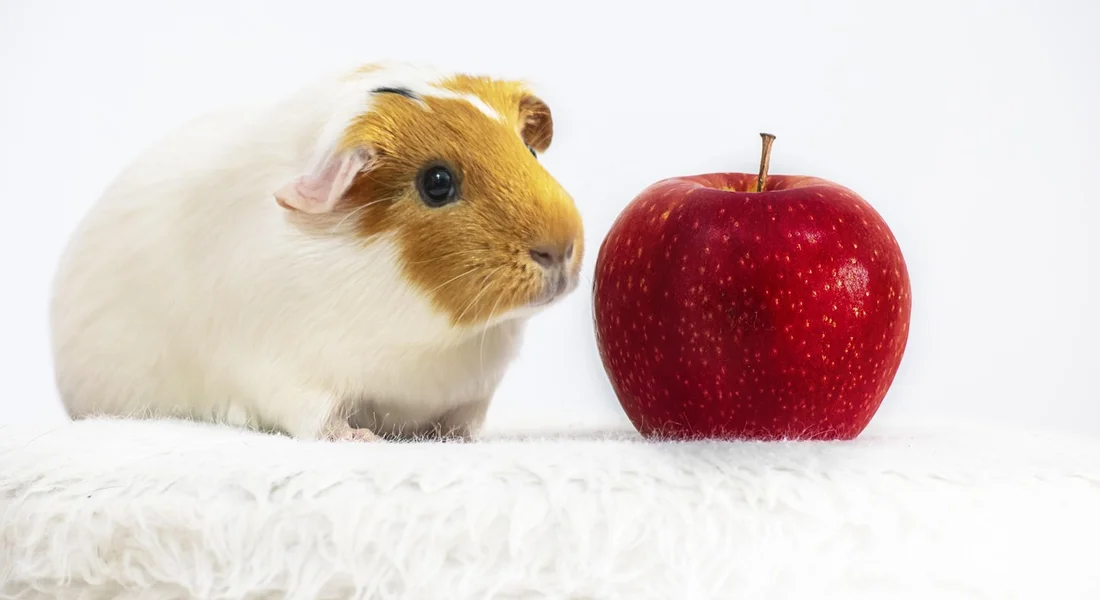
Did you know your guinea pig might perk up when you say its name? Guinea pigs can learn to recognize their names through repetition and positive associations, much like how my Pepper responds with a soft wheek when I call her. This isn’t just cute-it shows their ability to connect sounds with familiar faces and rewards.
During playtime, listen for unique chirps and purrs. When guinea pigs run or explore, they often emit rapid, high-pitched squeals that signal excitement, similar to Clover’s graceful zoomies in her pen. I’ve noticed these sounds vary by personality; Biscuit’s reserved nature means her noises are softer, but just as meaningful.
Training with vocal cues strengthens your bond and keeps their minds active. Use simple, consistent sounds paired with treats to teach basic commands, ensuring it’s a stress-free experience for your pet. Here’s a quick guide to get started:
- Pick a vocal cue, like a gentle whistle or saying “here” in an upbeat tone.
- Repeat the cue right before giving a small veggie treat, so they link the sound to something positive.
- Practice in short, daily sessions to build familiarity without fatigue.
- Gradually reduce treats, relying on praise and the cue alone for responses.
Always prioritize their comfort and avoid forcing interactions. With patience, even shy guinea pigs like Biscuit can learn to respond, turning training into a joyful routine that supports their well-being. I’ve found this approach not only teaches tricks but deepens trust, making every chirp and purr a shared language of care.
Common Questions
Where can I find audio examples of guinea pig vocalizations?
Many guinea pig care websites and online forums host libraries of sound clips for you to reference. Listening to these can help you distinguish between similar-sounding vocalizations like purrs and rumbles. It’s also important to understand guinea pig hearing and ear sensitivity to interpret their sounds accurately.
Are there good YouTube channels for learning about guinea pig sounds?
Yes, several dedicated guinea pig channels feature videos that pair specific sounds with visual context and explanations. These can be incredibly helpful for seeing the body language that accompanies different vocalizations. These cues also help you tell if your guinea pig enjoys being petted. Look for relaxed posture, leaning in, and soft sounds, and stop if they tense up or move away.
How can I be sure I’m correctly identifying my guinea pig’s sounds?
Always pair the sound you hear with a direct observation of your guinea pig’s immediate behavior and environment. Recording a short video of the vocalization can also help you analyze it more carefully or seek a second opinion from other owners. In a new owner’s guide to interpreting common guinea pig sounds, these tips help you map noises to specific emotions or needs. By recognizing patterns, you can respond more effectively and support your pig’s well-being.
Can a change in vocalizations indicate a health problem?
Yes, a sudden increase in specific sounds like whining or a decrease in all vocalizations can be a sign of stress or illness. Any persistent change in your pet’s normal sound patterns warrants closer observation and possibly a vet visit.
What is the best way to record my own guinea pig’s vocalizations?
Use your smartphone’s voice memo or video function during quiet moments when your pet is active and vocal. Patience is key, as staying still and quiet will encourage your guinea pig to express itself naturally.
Hearing the Heart of Your Herd
Guinea pigs like my gentle Pepper or thoughtful Clover express their world through unique sounds, guiding you to meet their needs with care. Paying attention to these vocal cues helps you build a trusting and joyful relationship with your pets.
Keep growing as a pet owner by exploring new, sustainable ways to care for your guinea pigs every day. Choosing eco-friendly options, such as paper-based bedding, supports both your pets’ health and our planet’s future. This ties into our ultimate guide on safe bedding options for guinea pigs, where we’ll outline the safest choices and how to use them.
Further Reading & Sources
- Guinea Pig Sounds and Noises: What Do They Mean? | Oxbow
- Guinea Pig Sounds Explained | What Your Pet Is Telling You
- What Do Guinea Pig Noises Actually Mean? How to Interpret Their Adorable Sounds
- Guinea Pig Sounds and Their Meanings – GuineaDad
Kate is a passionate guinea pig owner and advocate for small pet welfare. With over a decade of experience caring for guinea pigs, she has become a trusted voice in the small pet community.
Uncategorized