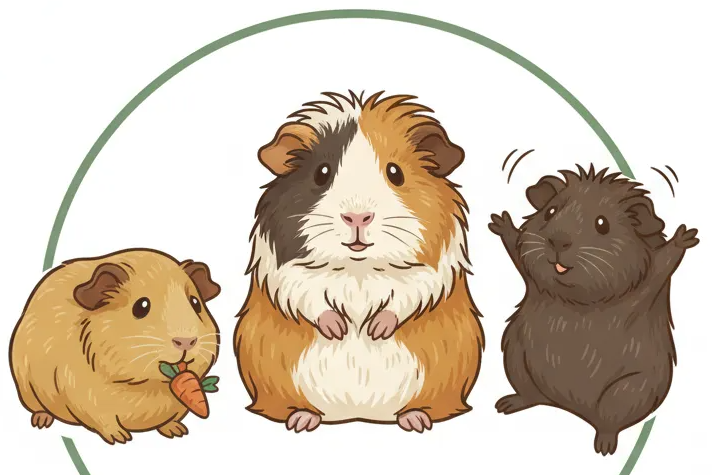
The Ultimate Guide to Guinea Pig Foraging Toys and Activities
Published on: January 1, 2026 | Last Updated: January 1, 2026
Written By: Kate M. Callahan
Hello CavyFam! Are you looking for easy ways to keep your guinea pigs entertained and engaged? You might worry about their boredom or finding safe, budget-friendly toys that tap into their natural instincts. I’ve seen firsthand how simple foraging activities can transform my own cavies’ days from dull to delightful.
In this guide, I’ll walk you through key topics to enrich your pets’ lives:
- Top foraging toy types
- DIY activities using household items
- Safety checks to avoid hazards
- Step-by-step setup for fun sessions
With years of hands-on experience caring for my guinea pigs Pepper, Clover, and Biscuit, I share tips that really work in real life.
Why Foraging is Essential for Your Guinea Pig’s Happiness
Foraging toys keep your guinea pig’s mind sharp and body active, just like in the wild. Mental stimulation from foraging prevents boredom and reduces the risk of behavioral issues like excessive chewing or lethargy. Physical exercise comes naturally as they move around searching for treats, which supports healthy weight and muscle tone.
- Reduces stress by giving them a rewarding task that distracts from anxiety.
- Mimics natural behaviors, making them feel secure and content in their environment.
- Encourages social interaction if done with cage mates, strengthening bonds.
- Boosts confidence as they successfully solve challenges and find hidden food.
I’ve seen my guinea pig Biscuit light up when I scatter hay and veggies for her to find. Watching her methodically search and nibble reminds me how foraging taps into their instincts, turning mealtime into a joyful adventure. Pepper, with his gentle nature, becomes more animated and curious during foraging games, which has noticeably cut down on his stress-related behaviors.
Exploring Different Types of Guinea Pig Foraging Toys
Different toys cater to various aspects of foraging, from treat hunting to problem-solving. Choosing the right toys ensures your guinea pig stays engaged and safe while having fun. Always opt for materials like untreated wood, natural fibers, or food-safe cardboard to support animal welfare and avoid harmful chemicals.
| Toy Type | Features | Benefits |
|---|---|---|
| Treat Balls | Rolling dispensers with small openings | Encourages movement and prolongs feeding time |
| Puzzle Feeders | Interactive devices with compartments | Stimulates problem-solving skills and mental agility |
| Hay Racks | Mounted holders for hay and greens | Promotes natural grazing and reduces waste |
Edible Puzzles and Treat Dispensers
Edible puzzles make your guinea pig work for their food, which sharpens their thinking and slows down eating. Problem-solving with these toys mimics wild foraging, keeping their brains active and satisfied. I introduced a simple puzzle feeder to Clover, and she now spends minutes figuring it out instead of gulping food quickly.
- Start with easy puzzles that have large openings to build confidence.
- Place familiar treats inside to reduce frustration and encourage exploration.
- Supervise initial sessions to ensure they understand how it works without stress.
- Gradually increase difficulty as they master the toy for ongoing challenge.
Cardboard Tunnels and Hideouts
Cardboard tunnels let your guinea pig explore and hide, satisfying their need for security and adventure. These structures double as chew toys, helping wear down their ever-growing teeth naturally. My trio, especially Biscuit, loves darting through tunnels I make, which adds excitement to their daily routine.
- Repurpose empty paper towel rolls by connecting them with non-toxic glue for a custom maze.
- Cut openings in cardboard boxes to create multi-room hideouts they can nibble on safely.
- Add hay or herbs inside to encourage foraging while they play and rest.
Step-by-Step Guide to Fun Foraging Activities
-
Start with simple activities that tap into your guinea pig’s natural instincts. Hide-and-seek with treats is a favorite in my home—I scatter small pieces of carrot or bell pepper in safe spots around their play area, and watch as Pepper, with her gentle demeanor, methodically sniffs them out. For scent games, rub a bit of fresh herb like cilantro on a toy or hide, then place it nearby; Clover, being so thoughtful, often follows the aroma with graceful curiosity. These games encourage mental stimulation and mimic wild foraging behaviors. For a complete guide foraging your guinea pig, check out our expanded tips. It covers more enrichment ideas, safety considerations, and ways to tailor activities to your pig’s personality.
-
Setting up an obstacle course or food maze can turn playtime into an engaging challenge. I’ve found that using household items like cardboard tubes and small boxes keeps it affordable and safe for my trio. Follow these steps to create your own:
- Gather materials such as empty toilet paper rolls, untreated wood blocks, and shallow containers-avoid anything with sharp edges.
- Arrange the items in a simple maze pattern in a secure space, placing hidden treats like leafy greens in various sections to reward exploration.
- Introduce your guinea pig slowly, letting them sniff and navigate at their own pace; Biscuit, though reserved, often shows her intelligence by figuring out routes quickly.
- Supervise the activity to ensure they don’t get stuck or stressed, and always remove any soiled items afterward to maintain hygiene.
-
Rotate activities regularly to keep your guinea pigs from losing interest. I switch up toys and hiding spots every few days based on what excites Pepper, Clover, and Biscuit-this prevents boredom and supports their emotional well-being. Pay attention to which games they respond to most; for example, if scent games are a hit one week, try a new variation the next. Storing toys in rotation also makes them feel fresh and exciting, much like discovering new foraging opportunities in the wild.
DIY Foraging Toys You Can Safely Make at Home
Creating your own foraging toys is a wonderful way to bond with your guinea pigs and enrich their environment without spending a fortune. My guinea pigs, Pepper, Clove, and Biscuit, get so excited when I bring out a new homemade creation, and watching them figure it out is a true joy. You likely have most of the materials you need already tucked away in your recycling bin or kitchen cabinets. To help you build the perfect guinea pig cage, plan the layout so space is safe, accessible, and easy to clean, with room for foraging toys. A thoughtful setup goes hand in hand with DIY enrichment, turning playtime into a holistic home for Pepper, Clove, and Biscuit.
Easy Projects Using Common Household Items
Before you start, always ensure every material is clean, dry, and free from any staples, tape, or glue. The safest projects use items your guinea pigs can also safely chew and destroy as part of the fun. If you’re looking for reliable guidance on bedding, check out our ultimate guide to safe bedding options for guinea pigs. It explains which materials are safest and how to create a cozy, chew-friendly setup. Here are a few of our household favorites:
- Cardboard Tube Treasure Hunt: Take an empty toilet paper or paper towel tube. Stuff it full of fresh hay and a few hidden treats, then fold the ends inward to secure the contents.
- Paper Bag Piñata: A simple brown paper lunch bag is perfect. Crumple up some clean, plain paper inside, add a handful of their favorite hay and a few veggie pieces, then loosely twist the top closed.
- Muffin Tin Surprise: Use a clean, non-stick muffin tin. Place a different, safe item in each cup-a sprig of cilantro in one, a blueberry in another, a pile of orchard grass hay in a third.
How to Create a Foraging Box or Mat
This is a more involved project that provides hours of entertainment. I make a new foraging box for my trio every weekend, and it’s become our special ritual. Follow these simple steps for a guaranteed success.
- Find a shallow cardboard box, like a shoe box lid or a small shipping box.
- Fill the bottom of the box with a generous layer of Timothy hay or Orchard grass.
- Scatter a variety of healthy treats throughout the hay. I use chopped bell peppers, cucumber slices, and a few pellets.
- Add a second, fluffy layer of hay on top to completely hide the treasures.
- Place the box in their enclosure and watch the foraging begin!
For a foraging mat, simply take a small, clean hand towel or a piece of fleece fabric. Scatter treats and herbs across it, then roll or fold the fabric up tightly. Your guinea pig will have to nudge, unroll, and explore to find every last morsel. This enrichment is part of proper guinea pig care, helping prevent boredom and promote natural behaviors. Make sure treats are given in moderation and that hay, water, and a clean living space are always available.
Prioritizing Safety with Non-Toxic Materials
Your guinea pig’s safety is the single most important part of any DIY project. Always supervise your pets with any new toy to see how they interact with it. Their curiosity knows no bounds, so we must be diligent in creating a safe space for them to explore — especially when introducing a new guinea pig to your home.
- Stick to Simplicity: Use plain, uncoated cardboard, untreated wood, and paper with non-toxic ink. Avoid any plastics, glossy papers, or painted materials.
- Size Matters: Ensure any small items, like cardboard pieces from a shredded tube, are large enough that they cannot be swallowed whole and become a choking hazard.
- Inspect Regularly: Check all homemade toys for wear and tear before each use. Remove and replace any item that becomes soiled, soggy, or develops sharp, splintered edges.
Best Practices for Safe and Engaging Foraging Sessions
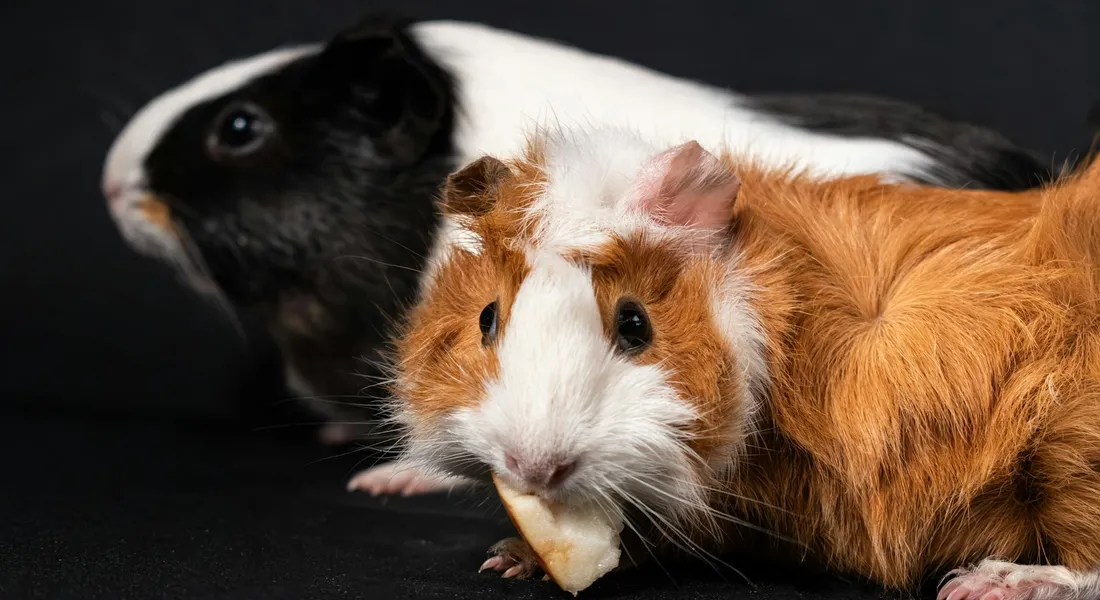
Always supervise your guinea pigs during foraging to prevent accidents or stress. I watch Pepper, Clover, and Biscuit closely because even gentle guinea pigs can get overly excited and chew on something unsafe. To keep mealtimes peaceful and reduce food aggression, offer multiple feeding spots or separate bowls and observe their interactions. Ensuring equitable portions for each pig can prevent guarding. Start by placing a new toy in their cage for short periods, like 10-15 minutes, and gradually increase the time over a week.
- Sit nearby and observe their behavior-if they seem scared, remove the toy and try again later.
- Introduce one toy at a time to avoid overwhelming them; I did this with Biscuit, who’s reserved, and it helped him adjust.
- Use familiar scents by rubbing a bit of hay on the toy to make it less intimidating.
Common mistakes can turn fun into danger, so steer clear of these pitfalls. Avoid materials like plastic, which can splinter and cause injuries, or anything with sharp edges that might hurt their delicate mouths. I’ve learned this the hard way when Clover once nibbled on a poorly made toy.
- Never use toys with small, detachable parts that could be swallowed-this is a big no for animal welfare.
- Don’t force interactions; let your guinea pig explore at their own pace to build trust.
- Skip sugary or processed treats in foraging toys; stick to fresh veggies and hay to keep them healthy.
Create an enrichment schedule to provide steady mental stimulation without burnout. I rotate toys weekly for Pepper, Clover, and Biscuit to keep things fresh and prevent boredom. Aim for short, daily sessions rather than long, infrequent ones to match their natural curiosity.
- Set aside 10-20 minutes each morning for guided foraging-this fits well with their active periods.
- Mix in different activities, like hiding treats in paper tubes or using puzzle feeders, to engage their senses.
- Track what works in a simple journal; I note which toys each guinea pig prefers to tailor future sessions.
Selecting Commercial Foraging Toys for Your Guinea Pig
Choosing the right foraging toys can feel overwhelming with so many options at the pet store. I always look for toys made from safe, non-toxic materials like untreated wood, seagrass, or food-safe hard plastics that can withstand enthusiastic chewing. My guinea pigs, especially Biscuit, have a talent for dismantling flimsy toys in minutes.
Key Features to Prioritize
Focus on these core characteristics to find toys that last and are practical for your routine.
- Durability: Opt for solid wood blocks or tightly woven seagrass balls. Thin plastics or poorly glued items break easily and create hazards.
- Ease of Cleaning: Select toys with smooth surfaces and minimal crevices. You want something you can quickly rinse or wipe down during cage cleanings.
- Simplicity: The best toys are often the simplest. A wooden puzzle with sliding lids is easier for you to refill and for your pig to understand.
Conducting a Safety and Habitat Check
Before any new toy enters the cage, I give it a thorough inspection. Run your fingers over every surface to check for sharp edges, splinters, or small parts that could be chewed off and swallowed. I learned this the hard way when a poorly made hay ball started shedding thin wires.
- Ensure the toy is an appropriate size-nothing so small your guinea pig could get its head stuck.
- Verify the toy fits well in your habitat setup without blocking main pathways or hiding spots.
- Avoid toys with bells, mirrors, or any components not specifically designed for guinea pigs.
Choosing Toys for a Herd
When you have multiple pigs, like my trio, toy selection needs a different approach. Providing multiple foraging stations or larger toys with several access points prevents competition and encourages peaceful co-exploration. I watch Pepper, Clover, and Biscuit to see who uses what.
- Pick toys large enough for two pigs to investigate at once, like a long treat-log.
- Consider buying duplicates of popular toys to avoid squabbles over a favorite item.
- Observe your herd’s dynamic. If one pig is more dominant, place toys in different areas to give shyer pigs a chance.
FAQs
What are the safest materials for guinea pig foraging toys?
The safest materials are untreated wood, natural fibers like seagrass, and food-safe cardboard. Always avoid plastics, painted items, or anything with small, detachable parts that could be a choking hazard.
How often should I introduce new foraging activities?
It’s best to rotate toys and activities every few days to keep your guinea pig engaged and prevent boredom. Short, daily sessions are more effective than long, infrequent ones for maintaining their interest. Noting when your guinea pig is most active helps you plan play during peak times. Guinea pigs are typically most active at dawn and dusk, with bursts of energy after feeding.
Can I use a foraging guinea pig flower mix for daily feeding?
No, a foraging flower mix should be used as a treat or enrichment supplement, not a staple diet. Their primary nutrition should always come from unlimited hay, fresh vegetables, and a small amount of pellets.
What should I look for in a foraging guinea pig flower mix for sale?
Look for mixes that are 100% natural and free from artificial colors, preservatives, or added sugars. Ensure all included flowers and herbs are confirmed safe for guinea pigs, such as calendula, chamomile, and rose petals. These safe flower options can be fed to guinea pigs as occasional treats. Always ensure they are pesticide-free and given in moderation.
Where can I buy a safe foraging guinea pig flower mix?
You can find them at specialty pet stores, reputable online retailers, and shops that focus on small animal or natural pet supplies. Always check reviews and ingredient lists to verify the quality and safety of the product.
Keep the Fun Going
Providing a variety of safe foraging toys and activities is the best way to keep your guinea pig’s mind active and body healthy. Rotating different puzzle feeders and DIY cardboard creations prevents boredom and encourages natural behaviors. Looking for more boredom busters? Here are 20 safe, engaging enrichment ideas for guinea pigs.
Remember, being a great pet owner means always learning new ways to enrich your guinea pig’s life while making eco-friendly choices. Your thoughtful care creates a happy, stimulating home where your little friend can truly thrive. To know if your guinea pigs are happy, watch for relaxed body language and curious exploration. They should have bright eyes, a gentle demeanor, and a healthy appetite.
Further Reading & Sources
- Top 10 Guinea Pig Toys and Accessories
- Amazon.com: Guinea Pig Foraging Toys
- Top Guinea Pig Toys for 2025: Chew, DIY, and Fun Ideas
- Best Toys & Enrichment Ideas For Guinea Pigs: Ultimate Guide
Kate is a passionate guinea pig owner and advocate for small pet welfare. With over a decade of experience caring for guinea pigs, she has become a trusted voice in the small pet community.
Uncategorized