Foraging for Your Guinea Pig: A Safe and Natural Guide
Published on: December 4, 2025 | Last Updated: December 4, 2025
Written By: Kate M. Callahan
Hello CavyFam! Foraging brings exciting, fresh foods to your guinea pig’s diet, but it’s natural to feel cautious about safety. You might wonder which plants are truly safe or how to avoid common mistakes that could harm your pet.
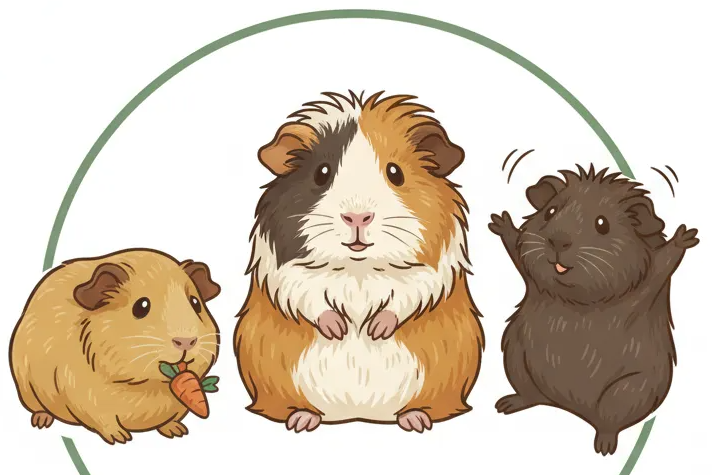
I’ll cover identifying edible plants, proper foraging steps, health benefits, and key safety precautions. With years of hands-on experience and my own guinea pigs-Pepper, Clover, and Biscuit-thriving on foraged treats, I offer reliable, pet-tested guidance.
What is Foraging and Why Your Guinea Pig Needs It
Foraging is simply letting your guinea pig search for and nibble on safe plants, just like they would in the wild. It turns mealtime into an engaging adventure that taps into their natural instincts. This activity keeps their minds sharp and bodies healthy.
- Mental stimulation prevents boredom and reduces stress, making your pet happier.
- Natural behavior fulfillment helps them feel more secure and content in their environment.
- Nutritional boosts like vitamin C from fresh greens support their immune system, and fiber aids digestion for a healthy gut.
I’ve seen firsthand how foraging brightens my guinea pigs’ days. Pepper, my gentle American, perks up when he sniffs out hidden dandelion leaves, while Clover, the graceful Abyssinian, takes her time exploring each new find. Biscuit, my reserved Peruvian, becomes more confident as she uncovers treats, showing me how this simple act builds their well-being.
Safe Plants and Herbs for Guinea Pig Foraging
Edible Leafy Greens and Vegetables
Offer a mix of safe greens like dandelion greens, clover, and parsley to keep things interesting. Variety is key to providing balanced nutrients without overloading on any one type. Rotate options weekly to avoid issues from oxalates or excess calcium, which can harm their urinary health.
- Dandelion greens: Rich in vitamins and easy to find in pesticide-free yards.
- Clover: A tasty source of fiber that my guinea pigs love to munch on.
- Parsley: Packed with vitamin C, but give in small amounts due to higher calcium.
I always pick a few different greens for Pepper, Clover, and Biscuit to encourage natural grazing. Mixing things up prevents picky eating and supports their overall vitality.
Toxic Plants to Avoid at All Costs
Steer clear of common hazardous plants like ivy, foxglove, and rhubarb leaves, which can cause serious illness. Accurate identification is your best defense against accidental poisoning. Always double-check plants before offering them, and avoid areas treated with chemicals.
- Ivy: Contains toxins that lead to digestive upset or worse.
- Foxglove: Highly poisonous and often found in gardens.
- Rhubarb leaves: High in oxalic acid, which is dangerous for guinea pigs.
I use a plant ID app and consult reliable guides to ensure everything I gather is safe. Taking these steps protects your furry friends from hidden dangers.
Limited Fruits and Herbs as Treats
For occasional fun, try small bits of safe fruits like apple slices or herbs like basil. Keep fruit portions tiny to avoid gut issues from excess sugar. Too much can disrupt their delicate digestive balance, leading to discomfort or weight gain.
- Apple slices: Remove seeds and offer a thin wedge once a week.
- Strawberry tops: A sweet treat that Biscuit adores in moderation.
- Basil or mint: Herbs add flavor without the sugar rush.
I give my guinea pigs these treats sparingly, watching how they react. Sticking to small amounts ensures foraging stays a healthy joy, not a risk. To prevent food aggression between guinea pigs, I manage mealtimes by offering treats in small portions and giving each pig space to eat. This helps keep guinea pig mealtimes peaceful.
How to Identify and Prepare Foraged Greens
Step 1: Source Pesticide-Free Plants
-
Look for foraging spots in your own garden or trusted wild areas away from roads, farms, and industrial sites. I always pick greens from my backyard where I know no pesticides have touched the soil. Selecting clean locations protects your guinea pig from ingesting harmful chemicals that can build up over time. Being mindful of the 10 common foraging mistakes that could poison your guinea pig helps you choose truly safe greens and spots. Avoid spots near recently sprayed lawns, polluted runoff, or unknown wild plants.
-
Avoid areas near water runoff or places where lawn treatments might occur, as these can harbor toxins. When I foraged near a park once, I noticed Pepper seemed off after eating, so now I stick to my safe zones. Steering clear of contaminated sites prevents potential poisoning and keeps your pet’s diet pure and healthy.
Step 2: Wash and Inspect Produce Thoroughly
-
Rinse foraged greens under cool, running water while gently rubbing leaves to dislodge dirt and tiny bugs. I use a simple soak in water with a bit of white vinegar for about five minutes, then rinse again. This washing routine effectively removes not only visible grime but also unseen residues that could irritate your guinea pig’s digestive system.
-
Check each leaf carefully for mold spots, insect holes, or wilting before serving. With Clover, I once found a small caterpillar hiding in a dandelion bunch-now I always inspect in good light. Discarding any questionable greens ensures you’re only offering fresh, safe food that supports your pet’s well-being.
Step 3: Introduce New Foods Gradually
-
Start by mixing a tiny amount of the new foraged green, like a small leaf, into their usual veggies once a day. I did this with Biscuit when adding plantain leaves, watching for any changes over a week. Slow introductions let you monitor for allergies or digestive upsets, making it easier to adjust their diet without stress.
-
Observe your guinea pig’s behavior and droppings for signs of discomfort, such as lethargy or loose stools. If you’re wondering how to tell if your guinea pigs are happy, look for bright eyes, a relaxed body, and enthusiastic eating and exploring. My gentle Pepper took to clover slowly, but after a few days, he was munching happily. You can gauge happiness by how freely they snuggle, chatter softly, and enjoy their surroundings. Paying close attention during transitions helps prevent health issues and builds trust with your furry friend.
Setting Up Engaging Foraging Activities
DIY Foraging Toys and Stations
You don’t need a big budget to create a foraging paradise for your guinea pig. I’ve found that some of the best toys come from items you already have at home. An empty, clean toilet paper roll stuffed with a few strands of hay and a sprig of parsley instantly becomes an engaging puzzle. My guinea pig, Biscuit, will spend a good twenty minutes carefully shredding the cardboard to get to the treasure inside. For more ideas, check out the ultimate guide to guinea pig foraging toys and activities.
Creating a stimulating environment is all about encouraging their natural behaviors to dig, nudge, and explore. Take a shallow cardboard box and fill it with a mix of orchard grass hay and a handful of safe, dried flower petals. Watching Pepper root around in this simple setup is pure joy; it keeps her mind and body active for much longer than just eating from a bowl.
- Paper Bag Hideaway: Crumple a plain brown paper bag and hide a few veggie pieces inside. Your guinea pig will love the crinkly sound and the challenge.
- Cardboard Maze: Connect a few small, open cardboard boxes to create a simple maze. Scatter hay and herbs throughout to motivate exploration.
- Muffin Tin Surprise: Place a small piece of different, safe veggies or herbs in each cup of a muffin tin. Cover some with a crumpled paper ball to add a layer of difficulty.
Using Hay and Flower Mixes for Enrichment
Hay is the absolute cornerstone of a guinea pig’s diet, and using it creatively for foraging is a game-changer. I hang a simple hay net in the corner of the cage, and my trio spends hours pulling strands out. This mimics the way they would graze in the wild, pulling at grasses, and it significantly slows down their eating, which is better for their digestion. Still, which supports natural foraging better: a hay rack or a loose hay pile? A rack can slow feeding and extend foraging, while a loose pile invites more roaming and grazing, which supports natural foraging better here.
Fiber is non-negotiable for a healthy guinea pig; it keeps their constantly growing teeth worn down and their digestive system moving smoothly. By making them work for their hay, you are directly supporting their physical health while providing mental stimulation. I often mix in a small handful of a commercial dried flower blend with their hay. Clover, in particular, seems to adore picking out the delicate chamomile and rose petals.
- Hay Stuffer Ball: Use a hard plastic ball with holes (designed for small pets) and pack it tightly with hay. Your guinea pig will roll it around to get the hay to fall out.
- Layered Foraging Box: In a box, create layers of different hays-orchard grass, meadow hay, and timothy-with dried dandelion leaves or marigold petals sprinkled between them.
- Herb Bouquets: Tie together small bunches of safe, fresh herbs like cilantro, mint, or basil with a strand of hay and hang them in the cage for a fragrant, engaging snack.
Rotating Activities for Variety
Guinea pigs are intelligent creatures, and they get bored with the same old routine, just like we do. I make it a point to switch up their foraging toys every few days. One day it might be the muffin tin, the next a new cardboard tunnel stuffed with hay. This constant novelty keeps them curious and prevents their environment from becoming stale. Do guinea pigs like or dislike certain items? Here’s a complete guide to their likes and dislikes.
Keeping foraging fresh and exciting is key to a happy and mentally sharp guinea pig. If you’re looking for inspiration, there are 20 safe, engaging boredom busters for guinea pigs you can explore. I notice a clear difference in energy levels when I introduce a “new” toy, even if it’s just a variation of an old one. Seasonal changes also offer a wonderful opportunity for variety. In the summer, I might forage for safe, pesticide-free dandelion greens and plantain leaves from my yard. In the winter, I rely more on store-bought dried mixes and different textures of hay to keep things interesting.
- The Toy Rotation Bin: Keep a bin with 4-5 different homemade foraging toys and only put 2 in the cage at a time, rotating them every 2-3 days.
- Seasonal Scents: Introduce new, safe scents with the seasons-a sprig of fresh mint in summer, a cinnamon stick (for smelling only, not eating) tucked in a corner in winter.
- Texture Tuesday: Dedicate one day a week to a new texture. One week, use crinkly paper; the next, use soft, fleecy fabric strips to hide treats (always supervised).
Common Foraging Challenges and Solutions
Overforaging and Picky Eating
When my guinea pig Pepper gets too excited about fresh dandelion greens, he’ll munch nonstop, ignoring his hay. Watch for signs like rapid weight gain or leftover veggies, which mean your pet might be overindulging or being selective. Picky eaters, like my Clover, often snub certain herbs, leading to nutrient gaps.
- Identify signs of overeating or selective feeding: Look for uneaten food piles, weight changes, or lethargy after meals. My Biscuit once left all her bell peppers, so I knew she was favoring sweeter treats.
- Provide strategies to encourage balanced habits: Mix new foraged items with familiar foods, rotate offerings daily, and limit high-sugar plants to small portions. I found that hiding herbs in hay encourages Clover to explore varied tastes naturally.
Weather and Environmental Considerations
Foraging in rainy seasons can turn leaves soggy and mold-prone, risking your guinea pig’s health. Always check plants for dampness or pests before picking, as wet conditions increase rot and contamination risks in outdoor leaves for guinea pigs. I recall a summer storm ruining my planned clover harvest, so now I dry extras indoors.
- Address how to adapt foraging in different seasons or conditions: In winter, focus on hardy greens like kale from safe sources, and avoid frost-bitten plants. During heatwaves, forage early mornings to keep items fresh and prevent wilting.
- Share anecdotes about handling unexpected issues: Once, Pepper refused damp grass after a drizzle, so I switched to indoor-grown wheatgrass. This taught me to always have a backup plan for sudden weather shifts.
Seasonal Foraging Tips for Year-Round Fun
Spring and Summer Abundance
Warmer months transform your backyard into a guinea pig’s buffet, offering a vibrant array of fresh, safe greens. My trio-Pepper, Clover, and Biscuit-gets visibly more excited when I bring in a dewy morning harvest.
- Dandelion Leaves & Flowers: A complete powerhouse, rich in Vitamin C and a favorite in our household.
- Clover (leaves and flowers): Readily available and packed with protein; my graceful Clover nibbles these delicately.
- Plantain Leaves (the common weed, not the fruit): Excellent for digestive health and easy to find in most lawns.
- Chickweed: A tender, mild green that my reserved Biscuit often seeks out first.
- Mallow: Its rounded leaves are soft and hydrating, perfect for a summer snack.
This seasonal variety isn’t just about nutrition; it provides crucial mental stimulation. Watching them explore new textures and tastes is one of the simple joys of being a pet owner.
Fall and Winter Alternatives
When the ground hardens and frost appears, your foraging strategy must shift indoors to keep your pets healthy and engaged. I’ve found that maintaining their routine is key to preventing boredom during the long, cold months.
- DIY Indoor Grass Patches: Grow wheatgrass or oatgrass in shallow trays for a constant supply of fresh, safe greens.
- Herb Gardens: A windowsill planter with cilantro, parsley, or mint offers aromatic, fresh-picked leaves.
- Forage-Style Hay Piles: Hide dried, forage-safe flowers like chamomile or rose hips within their regular hay.
- Paper Bag Foraging: Crumple untreated brown paper bags with hay and a few pellets inside for a fun, destructible puzzle.
It’s vital to ensure their diet remains balanced when fresh picks are scarce. I always supplement their winter diet with high-quality timothy hay and a steady, measured amount of vitamin C-rich pellets. This careful planning keeps my herd’s nutrition on track and their curious personalities shining, even when they can’t graze outdoors.
FAQs
What are the benefits of using a foraging flower mix for guinea pigs?
Foraging flower mixes provide mental enrichment by encouraging natural grazing and exploration behaviors. They also add safe, varied nutrients to your pet’s diet through dried edible flowers like chamomile or calendula.
How can I ensure foraging toys are safe for my guinea pig?
Always choose toys made from non-toxic, chew-safe materials like untreated cardboard or hard plastic without small, detachable parts. Supervise play sessions and regularly check for damage to prevent choking hazards or injuries.
Where can I buy safe foraging flower mixes for guinea pigs?
Look for reputable pet supply stores or online retailers that specialize in small animal products and clearly list all ingredients. Verify the mix is free from pesticides, additives, and includes only guinea pig-safe plants to support their health.
Your Foraging Journey Together
From my years with Pepper, Clover, and Biscuit, I’ve learned that safe foraging starts with proper plant identification to avoid harmful species. Introducing new greens slowly ensures your guinea pigs enjoy variety without digestive troubles. For a guinea pig, safe vegetables and greens are a daily staple that provide vitamin C and fiber. Choose leafy greens like romaine, kale, and parsley, offered in moderation.
Keep growing your knowledge on eco-friendly pet care to make choices that benefit both your pets and the planet. Your commitment to learning and responsible habits helps create a healthier world for all animals.
Further Reading & Sources
- The Ultimate Guide to Foraging for your Guinea Pigs & Rabbits – Kavee
- Ultimate Guide To Foraging For Guinea Pigs: Plants + Weeds
- The Ultimate Guide to Foraging for your Guinea Pigs & Rabbits
- Guinea Lynx :: Forages
Kate is a passionate guinea pig owner and advocate for small pet welfare. With over a decade of experience caring for guinea pigs, she has become a trusted voice in the small pet community.
Uncategorized