Guinea Pig Safe Plants: Flowers and Greens They Can Eat
Published on: December 9, 2025 | Last Updated: December 9, 2025
Written By: Kate M. Callahan
Hello CavyFam! Are you curious about which flowers and plants are safe for your guinea pig to nibble on? It’s natural to worry about their health when introducing new foods to their diet.
In this guide, I’ll cover safe flower varieties, edible plant options, identification tips, and precautions to take. With years of hands-on experience caring for my own guinea pigs like Pepper, Clover, and Biscuit, I’m here to share trustworthy advice.
What Makes a Plant Safe for Guinea Pigs?
Guinea pigs have unique digestive systems that require specific nutrients and cannot process many common plant compounds. A safe plant must be non-toxic, free from pesticides, and provide nutritional value like Vitamin C, which their bodies cannot produce. I learned this firsthand when my guinea pig, Clover, nibbled on a questionable leaf from the garden and had a minor stomach upset.
Always verify a plant’s identity before offering it. Stick to plants you can positively identify or purchase from trusted, organic sources to avoid accidental poisoning. My rule of thumb is: if I’m not 100% certain, it doesn’t go in the cage.
The plant should also be high in fiber to support their digestive health. Fiber is the cornerstone of a healthy guinea pig gut, helping to prevent issues like bloating and diarrhea. I always check new plants against a reliable database or consult my vet.
Safe Flowers and Petals Your Guinea Pig Can Enjoy
Introducing flowers can add variety and enrichment to your pet’s diet. Offering a colorful mix of safe flowers stimulates their senses and provides a fun foraging experience. My trio-Pepper, Clover, and Biscuit-get visibly excited when they see me bringing in their floral treats.
Rose Petals and Rose Hips
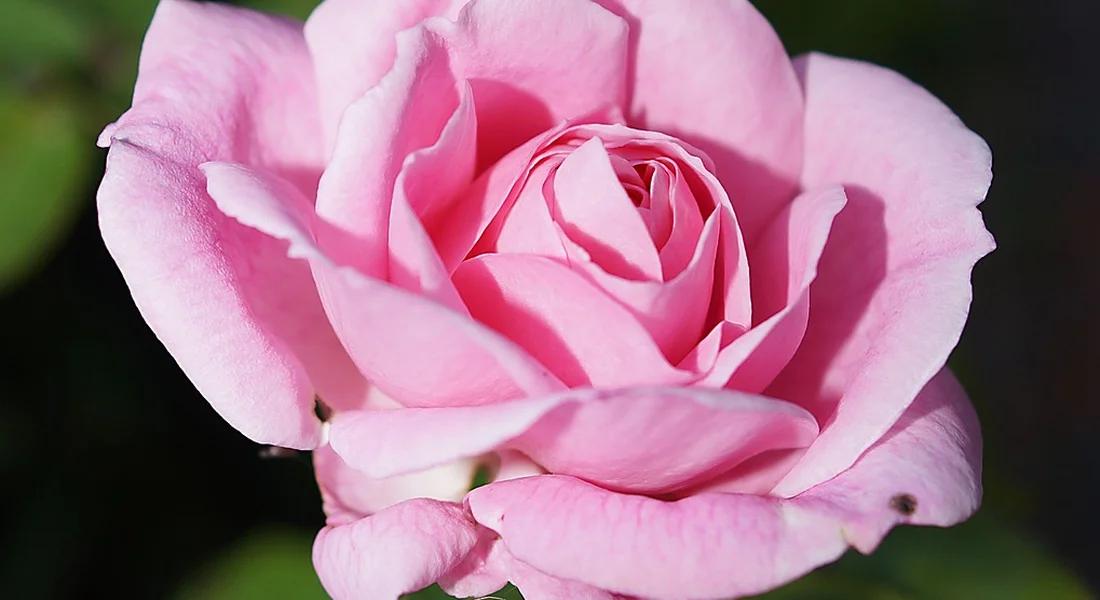
Roses are a fantastic and safe choice, but only if they are unsprayed. Rose petals are a delicate, vitamin-rich treat that my guinea pigs devour with gentle nibbles. I grow my own roses to ensure no chemicals are present.
Rose hips, the fruit of the rose plant, are even more beneficial. Rose hips are an exceptional natural source of Vitamin C, crucial for preventing scurvy in guinea pigs. I dry them and offer small pieces as a weekly supplement, especially to my older pig, Pepper.
- Always remove the bitter white base of the petal.
- Wash thoroughly to remove any dirt or tiny insects.
- Introduce slowly to monitor for any soft stools.
Hibiscus and Other Edible Blooms
Hibiscus flowers are a vibrant and tart favorite. The bright red hibiscus flowers provide antioxidants and can be offered fresh or dried for a chewy snack. My graceful Clover seems to particularly enjoy the unique texture.
Several other common garden flowers are also safe in moderation. Variety is key, so rotating between different safe flowers ensures a broader range of nutrients and keeps meals interesting. I often create a small “salad” mix for my herd.
- Dandelions (whole flower, leaves are also safe)
- Marigolds (also known as calendula)
- Nasturtiums (flowers and leaves are both edible)
Remember to offer these as treats, not meal replacements. Flowers should complement a diet based on high-quality hay, fresh vegetables, and a small amount of pellets. This balance has kept my guinea pigs like the reserved but intelligent Biscuit healthy and happy for years.
How to Prepare and Serve Flowers Safely
Giving your guinea pigs flowers is a wonderful treat, but it requires a little prep work to ensure their safety. Proper preparation is your first line of defense against pesticides and contaminants that could make your pets sick. I always take these steps with Pepper, Clover, and Biscuit before they get a floral snack. I also practice natural pest control to keep bugs away from the cage without chemicals. A tidy, well-sealed setup and pet-safe deterrents help protect your little ones and their treats.
Washing and Drying Techniques
Never feed a flower to your guinea pig straight from the garden or store. A thorough wash is non-negotiable for removing invisible chemical residues and dirt. I’ve developed a simple routine that works every time. This is part of a complete guinea pig hygiene cleaning routine designed to keep them healthy and happy. Regular grooming and a clean living space round out the regimen.
- Fill a large bowl with cool, clean water.
- Add a splash of white vinegar or a pinch of baking soda to help lift residues.
- Gently swish the flowers and leaves for about a minute.
- Rinse them thoroughly under running water.
- Pat the flowers completely dry with a clean paper towel or a salad spinner. Excess moisture can lead to digestive upset.
I always let the flowers air dry for a few extra minutes on a towel. This extra step ensures no dampness is left, which is crucial for preventing mold growth. Wet food can spoil quickly in their cage.
Portion Sizes and Frequency
Flowers are treats, not a dietary staple. Overfeeding, even with safe options, can disrupt their sensitive digestive systems and lead to obesity. I learned this the hard way when Biscuit turned his nose up at his regular hay after too many dandelion treats.
Here is a simple guide I follow for my trio:
- For a single adult guinea pig, one or two small flower heads or petals per serving is perfect.
- Younger pigs should get even smaller portions, about half a flower head.
- Always mix different safe flowers instead of giving a large amount of one type.
Frequency is just as important as portion size. I offer flowers as a special reward no more than 2-3 times per week. This keeps their diet balanced and their interest in these special snacks high. Their main food should always be high-quality hay, fresh water, and a small amount of fortified pellets.
Plants and Flowers to Avoid for Guinea Pig Safety
Knowing what your guinea pig cannot eat is just as critical as knowing what they can. From my years of caring for Pepper, Clover, and Biscuit, I’ve learned that a moment’s curiosity can lead to a serious health scare. Always double-check any plant’s identity before offering it to your curious friend.
Common Toxic Houseplants and Garden Flowers
Many popular decorative plants are dangerously toxic to guinea pigs. I keep a list on my fridge as a constant reminder.
- Lilies: Extremely poisonous, especially to their kidneys. Even a small amount of pollen can be fatal.
- Foxglove: Contains digitalis, which severely affects the heart. I never grow this in my garden.
- Daffodils and Tulips: The bulbs are the most toxic part, but all parts of the plant can cause intense drooling and digestive upset.
- Ivy (All Types): Causes mouth burning, excessive thirst, and can lead to coma.
- Oleander: One of the most toxic plants; every part is deadly if ingested.
- Rhododendron and Azalea: Can cause vomiting, weakness, and potentially lead to a drop in blood pressure and coma.
Other Dangerous Plants to Steer Clear Of
Beyond the usual suspects, several common weeds and shrubs pose a hidden threat.
- Buttercups: These cheerful yellow flowers contain a sap that can cause blisters in the mouth and severe digestive distress.
- Nightshade Family: This includes tomatoes (the plant itself, not the fruit), potatoes (the green parts), and deadly nightshade. They contain solanine, a potent toxin.
- Rhubarb Leaves: High in oxalic acid, which can cause kidney failure and tremors.
- Yew: Every single part of this evergreen is toxic and can cause sudden death from heart failure.
What to Do If You Suspect Poisoning
Time is critical. If you see your guinea pig nibbling on an unknown plant or showing symptoms like lethargy, drooling, or seizures, act immediately. If you fear your guinea pig is dying or slipping into a dangerous torpor, remember that guinea pigs don’t truly hibernate, but sudden lethargy, cold extremities, or unresponsiveness are critical signs that require urgent veterinary care.
- Remove any plant material from their mouth and their cage.
- Contact your veterinarian or an emergency pet poison hotline right away. Do not wait for symptoms to worsen.
- If you can, bring a sample of the plant with you to the vet for quick identification.
Prevention is your best tool. I always research a plant’s safety long before it ever comes near my pets’ play area. It’s a simple habit that brings immense peace of mind.
Recognizing Signs of Plant Toxicity in Guinea Pigs
You should always watch for sudden changes in your guinea pig’s behavior after they nibble on new plants. Quickly spotting these signs can prevent serious health issues and keep your furry friend safe. These changes can also signal that your guinea pig is stressed or anxious. Knowing how to read them helps you tell when your pet needs comfort or a calmer environment. I learned this firsthand when Clover once got into a questionable leaf, and her usual graceful demeanor turned sluggish within hours.
Common symptoms include loss of appetite, lethargy, or unusual drooling. If your guinea pig stops eating their regular food or seems less active, it might signal something is wrong. From my experience with Biscuit, who is usually reserved, any drop in curiosity or energy level makes me check what she’s been munching on. If your guinea pig seems sick, you can use a complete home troubleshooting checklist to guide your next steps. This quick checklist covers hydration, enclosure conditions, safe foods, and when to seek veterinary care.
- Diarrhea or changes in droppings
- Difficulty breathing or wheezing sounds
- Skin irritation or excessive scratching
- Seizures or tremors in severe cases
Immediate steps to take if you suspect toxicity include removing any remaining plants and offering fresh water. Contact your vet right away, as guinea pigs can deteriorate quickly from toxic exposure. I keep a small kit with activated charcoal on hand, but only use it under veterinary guidance to avoid harming your pet. Being mindful of the 10 common foraging mistakes that could poison your guinea pig helps you prevent exposure. Learning to identify risky plants and feeding habits can further reduce the risk.
- Isolate your guinea pig from the plant source
- Note the plant type and any symptoms observed
- Call an emergency vet for advice or appointment
- Monitor their temperature and hydration closely
Prevention is key, so always research plants before introducing them. Stick to known safe options like dandelions or clover, which my guinea pigs Pepper and Clover enjoy without issues. I test new greens in tiny amounts and watch for reactions over a day, ensuring their diet stays varied and risk-free. You can read more about maintaining a balanced diet for your guinea pigs on The Hay Hutch.
Regularly inspect their living area for stray plants or debris. A clean, controlled environment reduces the chance of accidental ingestion and supports overall well-being. I advocate for animal welfare by sharing this simple habit, which has kept my trio healthy and happy for years.
Tips for Sourcing and Storing Plant Treats
Choosing Organic and Unprocessed Options
When picking plants for your guinea pig, always go for organic varieties to avoid harmful pesticides. I’ve found that my guinea pigs, like gentle Pepper and graceful Clover, thrive much better on chemical-free greens I grow myself in a small garden patch. Whether you’re buying from a trusted source or foraging for safe outdoor leaves for guinea pigs, it’s crucial to ensure they are free from pesticides. This simple step reduces their exposure to toxins that could upset their sensitive digestive systems.
Look for trusted sources like local farmers’ markets or certified organic stores. Growing your own herbs like parsley or basil ensures you know exactly what goes into their food, and it’s a fun way to bond with your pets. I often share freshly picked leaves with Biscuit, who’s reserved but always perks up for a clean, homegrown snack.
- Select plants labeled organic to minimize pesticide risks.
- Avoid anything sprayed with chemicals or treated with preservatives.
- Wash all plants thoroughly under cool water before feeding.
Storage Methods to Keep Treats Fresh
Proper storage extends the life of plant treats and keeps them safe for your guinea pigs. I store fresh greens like dandelion leaves in airtight containers in the fridge, which helps them stay crisp and nutritious for up to a week. This method prevents wilting and mold, which can be dangerous for small animals.
For longer-term options, consider drying herbs in a cool, dark place. Dried flowers like chamomile or rose petals can be kept in sealed jars for months, giving your pets a healthy treat anytime. I’ve used this for Clover’s favorite treats, and it saves money while reducing waste.
- Refrigerate fresh plants in breathable bags or containers to maintain moisture.
- Dry flowers and leaves on a rack away from direct sunlight to preserve nutrients.
- Freeze chopped herbs in ice cube trays with water for a quick, cool snack in warm weather.
FAQs
Can guinea pigs safely consume plants from the mint family?
Yes, mint plants like peppermint and spearmint are generally safe and can aid in digestion due to their mild properties. Offer them in small amounts as an occasional treat to prevent any potential stomach issues.
Are there any safe plants that contain high levels of calcium or oxalates?
Some safe plants, such as parsley, have higher oxalate content and should be fed sparingly to avoid urinary problems. Always mix these with other low-oxalate greens to maintain a balanced diet for your pet.
How can I quickly verify if a plant is safe for my guinea pig?
Refer to trusted guinea pig care websites or mobile apps that list non-toxic plants for accurate information. If you’re uncertain, it’s best to skip the plant and seek advice from a veterinarian to ensure safety.
What are some indoor plants that are non-toxic and safe for guinea pigs?
Spider plants and Boston ferns are common indoor options that are typically safe for guinea pigs to nibble on. Make sure these plants are organically grown and free from any chemical treatments before offering them, especially when learning how to properly care for guinea pigs.
Can guinea pigs eat plants that are safe for humans, like basil or cilantro?
Yes, human-edible herbs such as basil and cilantro are safe and provide beneficial nutrients like vitamins and antioxidants. Serve them washed and in moderation to complement their main diet of hay and pellets.
Your Guinea Pig’s Healthy Diet Journey
Stick to safe, non-toxic flowers and plants like dandelions or marigolds to keep your guinea pig nourished and happy. From feeding my own guinea pigs, Pepper and Clover, I always introduce new greens slowly to avoid upsetting their sensitive stomachs, especially when trying new vegetables or leafy greens.
Responsible pet ownership means staying curious about eco-friendly options, like growing your own pesticide-free plants. Keep learning and sharing tips with fellow owners to ensure a safe, sustainable lifestyle for all our furry friends.
Further Reading & Sources
- Safe Garden Plant List for Rabbit & Guinea-pigs – Bunny Meadow
- What Can Guinea Pigs Not Eat | Poisonous Food & Plants – Woodgreen Pets Charity
- r/guineapigs on Reddit: Pig-safe Houseplants?
- Ultimate Guide To Foraging For Guinea Pigs: Plants + Weeds
Kate is a passionate guinea pig owner and advocate for small pet welfare. With over a decade of experience caring for guinea pigs, she has become a trusted voice in the small pet community.
Uncategorized