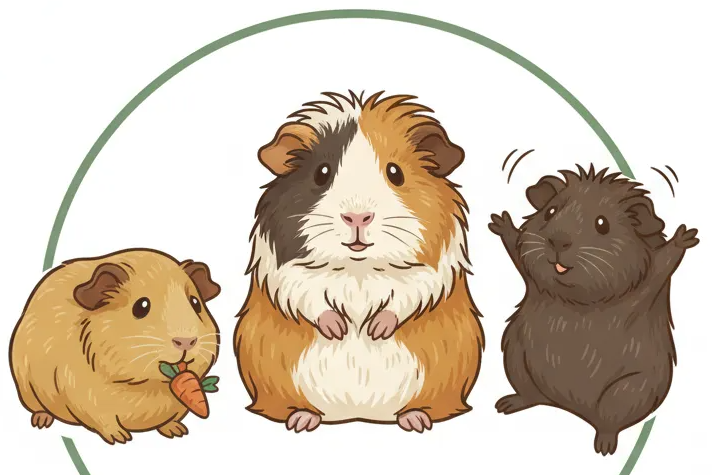
How Much Exercise and Floor Time Do Guinea Pigs Need?
Published on: January 2, 2026 | Last Updated: January 2, 2026
Written By: Kate M. Callahan
Hello CavyFam! If you’re wondering about the right amount of exercise and floor time for your guinea pigs, you’re in the right place. It’s natural to feel concerned that your furry friends might not be getting enough movement to stay fit and content.
In this article, I’ll break down everything you need to know, covering key areas like:
- Daily exercise needs based on age and breed
- How to create a safe and engaging floor time setup
- Benefits of regular activity for health and behavior
- Signs your guinea pig may need more or less exercise
With years of hands-on experience caring for my own guinea pigs-Pepper, Clover, and Biscuit-I’ll share insights to help you provide the best care.
Understanding Guinea Pig Exercise
Why Exercise is Non-Negotiable for Health
I’ve seen firsthand what happens when my guinea pigs, like gentle Pepper and graceful Clover, don’t get enough movement. Their entire demeanor changes, becoming sluggish and less interested in their surroundings. Understanding when they are most active helps me plan daily play and exercise around their natural rhythms. Daily exercise is a cornerstone of guinea pig wellness, directly impacting their physical and mental state.
Without sufficient activity, guinea pigs face serious health complications. Their bodies are built for foraging and exploring. Proper care means daily exercise, a safe space, and enrichment. This helps keep them healthy and happy.
- Prevents Obesity: A sedentary life quickly leads to weight gain, putting immense strain on their tiny hearts and joints.
- Supports Digestive Health: Movement helps keep their complex digestive systems processing food properly, preventing dangerous blockages like GI stasis.
- Promotes Strong Bones and Muscles: Running and popcorning (those joyful little jumps) build the strength needed for a vibrant, active life.
- Combats Boredom and Stress: Exercise is mental stimulation. An under-stimulated guinea pig can develop repetitive, neurotic behaviors.
My thoughtful Clover, for instance, will start chewing the bars of her cage when she’s been cooped up too long-a clear signal she needs her playpen time. Providing consistent exercise is one of the most direct ways we can advocate for their welfare and ensure a high quality of life.
Creating the Perfect Exercise and Floor Time Schedule
Setting Up a Safe and Stimulating Playpen
Your playpen is your guinea pig’s personal gym and adventure park. I learned through trial and error that a simple, empty space isn’t enough to keep my trio engaged. The goal is to create a secure, escape-proof area that encourages natural behaviors like running, hiding, and foraging.
Start with the fundamentals of safety and space.
- Size Matters: Aim for a minimum of 8 square feet per pig, but more is always better. My three need a much larger area to avoid squabbles.
- Escape-Proofing: Use panels with small, vertical bars or solid walls at least 12 inches high. My intelligent Biscuit once figured out how to climb a lower grid!
- Flooring is Key: Never use wire or slippery surfaces. I layer a waterproof mat with a thick, absorbent fleece liner for comfort and easy cleanup.
- Supervision is Mandatory: Never leave them unsupervised during floor time. It only takes a moment for a curious pig to find trouble.
A well-constructed playpen transforms floor time from a simple outing into a crucial part of their daily health regimen.
Essential Playpen Enrichment Items
Toys and hideouts turn a basic pen into an exciting world of discovery. I rotate these items weekly to keep my herd curious and prevent boredom.
- Multiple Hideouts: Offer at least two or three hideys. This gives them safe retreats and prevents one pig from blocking access, which is vital for group harmony.
- Tunnels and Tubes: Paper-based or fleece-covered tunnels are a huge hit. Pepper loves sprinting through his long tunnel over and over.
- Foraging Opportunities: Scatter their daily portion of pellets and hay throughout the pen instead of using a bowl. This makes them work for their food, mimicking natural grazing.
- Chew Toys: Untreated wood blocks, willow balls, and hay sticks are essential for wearing down their constantly growing teeth.
- Simple Obstacles: Create low ramps or small stacks of sturdy cardboard boxes for them to climb on and explore.
This variety of enrichment encourages movement, satisfies their instincts, and makes floor time the highlight of their day. Watching reserved Biscuit tentatively explore a new cardboard castle is one of my greatest joys.
Guinea Pig Exercise Equipment: What’s Safe and What to Avoid
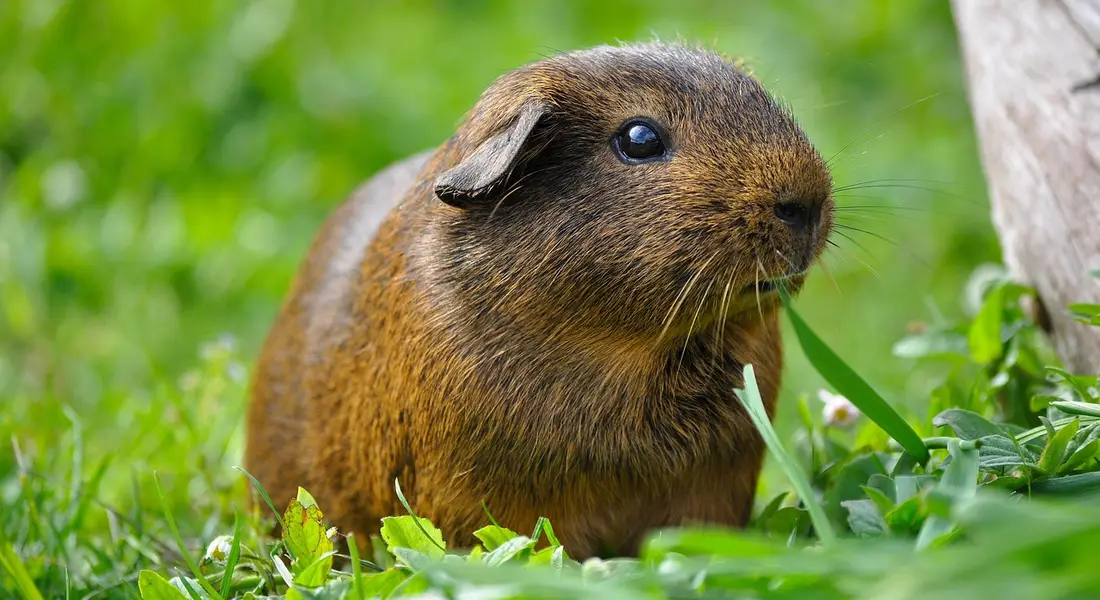
Your guinea pigs’ play area should be a safe haven for zoomies and exploration. I always check any new item for sharp edges, toxic materials, or small parts that could be chewed off and swallowed. My three, Pepper, Clover, and Biscuit, have very different tastes, so I’ve learned what works through trial and error. Foraging for toys in pet stores helps make their playtime both fun and safe.
Supervising Your Guinea Pig’s Adventures
Never leave your guinea pigs unsupervised during floor time. Constant supervision is your best tool for preventing accidents and intervening if a squabble breaks out. I like to sit on the floor with them, which helps them feel secure and allows me to interact directly. To keep floor time safe, here are the five critical safety mistakes to avoid during guinea pig floor time. Avoiding these pitfalls helps prevent accidents and keeps interactions positive.
- Always be in the same room, watching for signs of chewing on baseboards or electrical cords.
- Keep other household pets like cats and dogs in a separate, closed room.
- Check the play area for potential hazards like small spaces they could get stuck in.
- Watch their body language; if one seems stressed or is being bullied, it’s time for a break.
Spotting Signs of Inadequate Exercise
A guinea pig that isn’t getting enough movement will tell you, if you know what to look for. Lethargy and a lack of interest in their surroundings are often the first and most obvious red flags. I noticed this with Biscuit when he was younger; he’d just sit in one corner until we improved his play routine. By learning to interpret common guinea pig body language, you can catch these signs early. Watch their posture, movement, and how they interact with you.
- Behavioral Signs: Excessive hiding, lack of “popcorning” (happy jumps), decreased appetite, and increased irritability with cage mates.
- Physical Signs: Weight gain or obesity, overgrown nails from lack of wear, and a general dullness in their coat.
Tailoring Exercise for Different Life Stages
A one-size-fits-all approach to exercise doesn’t work for guinea pigs. Young guinea pigs, like my one-year-old Biscuit, are bundles of energy and need more frequent, stimulating play sessions. Their routines should encourage curiosity and build confidence. For timid guinea pigs, a gentle, step-by-step approach helps them overcome shyness and build confidence. Small, gradual challenges can turn hesitation into curiosity over time.
Adult guinea pigs, like Pepper and Clover, have established personalities. My gentle Pepper enjoys a predictable routine with familiar tunnels, while the graceful Clover prefers new layouts to investigate thoughtfully. They need consistent daily exercise to maintain a healthy weight and mental sharpness.
Senior guinea pigs move at a slower, more deliberate pace. Their exercise should focus on gentle mobility and easy access to food, water, and cozy resting spots. Make sure their play area has solid footing to prevent slips and falls that could injure delicate older joints. Older guinea pigs may face arthritis, dental wear, and weight changes that require gentler handling and tailored care. Regular veterinary checkups can help catch these aging issues early and guide adjustments to housing, diet, and activity.
Transforming Floor Time into a Daily Ritual
Consistency is the secret ingredient for successful floor time. Guinea pigs are creatures of habit, and a predictable schedule helps them feel secure and eager to explore. I aim for the same time each day, usually in the evening when my household is calm. Thinking ahead to their entire lifespan means setting up a safe, spacious home and a predictable routine. Regular health checks and ongoing enrichment help them thrive year after year. My trio, Pepper, Clover, and Biscuit, now popcorn with anticipation when they hear me setting up their playpen.
Setting Up Your Safe Exploration Zone
Your living room floor isn’t inherently safe for a tiny prey animal. A dedicated, enclosed play area is non-negotiable for their safety and your peace of mind. I use a modular playpen that I can configure differently each week to keep things interesting. Ensure the space is free from electrical cords, toxic plants, and small spaces where a pig could get stuck.
- Use a pet playpen or create barriers with sturdy, connected storage cubes.
- Place a waterproof mat or old towels under a fleece blanket for easy cleanup.
- Always supervise them closely-it only takes a second for a curious nibble on a baseboard.
Enrichment is Everything
Simply placing your guinea pigs in an empty pen is like putting a child in an empty room. To truly benefit their minds and bodies, you must fill the space with opportunities for natural behaviors. This is the kind of practice featured in a complete guide to foraging your guinea pig. It helps you create lasting enrichment. I scatter their daily portion of pellets and hay throughout the area to encourage foraging. I also hide leafy greens inside plain brown paper bags or toilet paper tubes stuffed with hay.
- Create tunnels from cardboard boxes or purchase dedicated guinea pig tunnels.
- Introduce new, safe items weekly, like a small cat toy with a bell or a pile of shredded paper.
- Observe their personalities. My Clover loves to climb on low, stable platforms, while Biscuit prefers hiding in a cozy fleece forest.
Making It a Bonding Experience
Floor time isn’t just for them; it’s your prime opportunity to build trust. Sitting quietly in the pen with them allows you to become part of their safe environment. I always bring a book and sit on the floor, letting them approach me on their own terms. After a few weeks, Pepper now confidently climbs into my lap, expecting a gentle chin scratch.
Speak to them in a soft, reassuring voice as they explore. Hand-feeding them a favorite veggie, like a slice of bell pepper, during floor time creates powerful positive associations. This transforms exercise from a chore into a cherished part of your day that you both look forward to.
FAQs
What is a guinea pig exercise ball?
A guinea pig exercise ball is a small, enclosed plastic sphere intended for pets to run inside for exercise. However, it is unsafe for guinea pigs due to risks of spinal injury, poor ventilation, and stress.
What is a guinea pig exercise wheel?
A guinea pig exercise wheel is a rotating device similar to those used by hamsters, designed for running. Guinea pigs should avoid exercise wheels because their rigid spines are not suited for the curved motion, which can cause back problems.
What is a guinea pig exercise video?
A guinea pig exercise video is an online tutorial or demonstration that showcases safe activities and floor time setups for guinea pigs. These videos can offer creative ideas to encourage natural behaviors like exploring and foraging in a secure environment.
Your Guinea Pig’s Happy, Healthy Routine
From my time with Pepper, Clover, and Biscuit, I always ensure they get at least one hour of supervised floor time daily in a safe, spacious area. This regular exercise prevents health issues like obesity and keeps their curious minds engaged through exploration.
Commit to responsible pet ownership by continually educating yourself on their needs and choosing eco-friendly options like biodegradable bedding. This is a natural lead to our ultimate guide on bedding options for guinea pigs. It helps you choose substrates that support health and comfort. Your dedication not only enriches your guinea pig’s life but also supports a healthier planet for all animals.
Further Reading & Sources
- Guinea Pig Exercise: Importance & Activities | Petco
- What exercise and environmental enrichment do guinea …
- How Much Exercise Do My Guinea Pigs Need? – Omlet Blog US
- Exercise and enrichment for guinea pigs | RSPCA Victoria
Kate is a passionate guinea pig owner and advocate for small pet welfare. With over a decade of experience caring for guinea pigs, she has become a trusted voice in the small pet community.
Uncategorized