How to Prepare Your Home for Your Guinea Pig’s Entire Lifespan
Published on: December 18, 2025 | Last Updated: December 18, 2025
Written By: Kate M. Callahan
Hello, CavyFam! Bringing a guinea pig home is a joyful commitment, but it also means preparing for a pet that could be with you for many years. It’s natural to feel a little overwhelmed about creating the perfect forever home for your new furry friend.
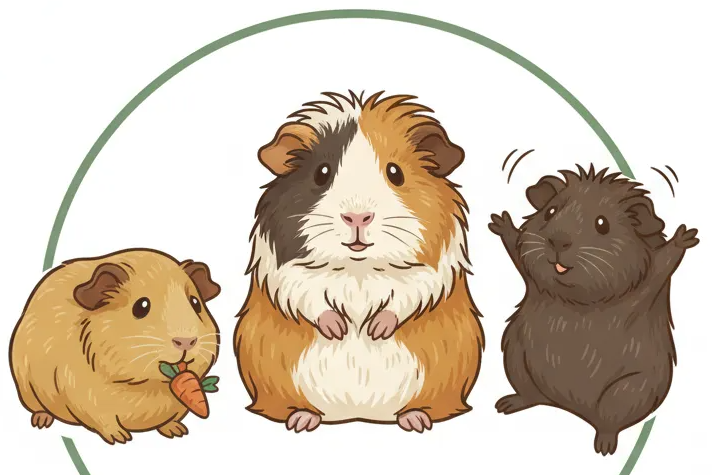
In this guide, we will cover housing, diet, health monitoring, and enrichment activities. I’ve learned these essentials through years of caring for my own guinea pigs-Pepper, Clover, and Biscuit-each with their own unique needs and personalities.
Choosing the Perfect Guinea Pig Habitat
Cage Size and Safe Housing Types
Your guinea pig’s home is their entire world, so size truly matters. I learned this quickly with my trio-Pepper, Clover, and Biscuit need space to run and popcorn. The minimum recommended size for one or two guinea pigs is at least 7.5 square feet, but I always advocate for going bigger whenever you can. More space means happier, healthier pets who can express their natural behaviors.
You’ll find a few main types of cages available. Each has its own benefits and things to watch for.
| Type | Pros | Cons |
|---|---|---|
| C&C (Cubes & Coroplast) |
|
|
| Midwest Habitat |
|
|
| Traditional Plastic Base with Wire Top |
|
|
Setting Up a Safe and Cozy Environment
Bedding, Hideouts, and Vital Safety Checks
Creating a safe space goes beyond just the cage walls. Your first and most critical safety rule is to never use a cage with a wire mesh floor, as these can cause painful foot injuries called bumblefoot. I always line the entire base with a solid, waterproof layer before adding bedding.
Choosing the right bedding is a game-changer for odor control and comfort.
- Paper-based bedding is my top choice. It’s highly absorbent, soft on feet, and dust-free, which is great for their sensitive respiratory systems.
- Fleece liners are a reusable option. You’ll need to spot-clean daily and wash them 1-2 times a week. I use these for my herd and they love the softness.
- Avoid cedar and pine shavings. The aromatic oils in these woods can be harmful to your guinea pig’s lungs and liver over time.
Guinea pigs are prey animals and need places to hide to feel secure. Provide at least one hidey house per pig, plus an extra to prevent squabbles over prime real estate. You can use store-bought wooden or plastic huts, or get creative with cardboard boxes-just remove any tape or staples. Tunnels made from safe materials also encourage exploration and play, mimicking the burrows they’d seek in the wild.
Essential Supplies for Daily Care and Comfort
Must-Have Items and Hygiene Schedule
Setting up for success means having the right tools on hand from day one. A heavy, tip-proof ceramic food bowl is my number one recommendation to prevent mealtime messes and spills. Your basic supply checklist should include:
- A water bottle with a metal sipper tube, checked daily for clogs or leaks.
- An ample supply of their chosen bedding.
- A dedicated hay rack or manger to keep their most important food clean and accessible.
- Nail clippers designed for small animals and a soft-bristled brush.
A consistent cleaning routine is non-negotiable for a healthy home. Here is the simple schedule I follow for my three pigs. A complete guinea pig hygiene cleaning routine includes daily spot-cleaning, weekly cage deep cleans, and timely bedding changes to keep their enclosure safe and odor-free. This approach helps ensure my pigs stay clean, comfortable, and healthy.
- Daily: Remove soiled bedding and leftover fresh veggies. Refill hay rack and water bottle. Wipe down the food dish.
- Weekly: Do a full cage clean-out. Replace all bedding, scrub the base with a pet-safe cleaner, and wash all hideouts and fabric items.
- Monthly: Deep clean the entire habitat, including the water bottle and food dish with a vinegar solution to prevent bacteria buildup.
Feeding Station Essentials
Nutrition, Hydration, and Vitamin C
Your guinea pig’s feeding area is their health hub. Unlimited, high-quality grass hay like Timothy Orchard Grass should make up about 80% of their diet and be available 24/7 for healthy digestion and tooth wear. I watch my pigs munching contentedly for hours.
Selecting the right pellets and fresh foods is the next step.
- Choose plain, fortified guinea pig pellets, not a muesli-style mix which can lead to selective eating.
- Provide a daily serving of fresh, leafy greens like romaine lettuce, bell peppers, and cilantro. Bell peppers are a fantastic daily source of vital Vitamin C.
- Avoid sugary fruits as regular treats; they are like candy for guinea pigs.
Fresh, clean water is as important as food. Change the water in their bottle every single day, without fail, to ensure it stays fresh and free of contaminants. Since guinea pigs cannot produce their own Vitamin C, a consistent supply from fresh veggies and quality pellets is your best defense against deficiency and scurvy.
Nutrition and Feeding for a Healthy Lifespan

A guinea pig’s diet is the foundation of their health and happiness. I’ve found that a simple trio of hay, pellets, and fresh vegetables keeps my herd thriving and full of personality. This approach supports an ideal overall diet for a healthy guinea pig. Let’s break down how to build this balanced plate.
The Core Components of a Balanced Diet
Think of your guinea pig’s diet like a sturdy, three-legged stool. If one leg is weak, the whole thing topples over.
- Unlimited Grass Hay: This is the most critical part of their diet, making up about 80% of what they eat. Timothy hay is perfect for most adults. It keeps their constantly growing teeth filed down and their digestive system moving smoothly. I always make sure Pepper, Clover, and Biscuit have a massive pile of fresh hay available 24/7.
- High-Quality Pellets: Look for plain, timothy-based pellets fortified with vitamin C. Avoid mixes with colorful bits, seeds, or dried fruit-these are like junk food. A measured 1/8 cup per pig per day is a good rule of thumb to prevent obesity.
- Daily Fresh Vegetables: This is where they get hydration and a vital boost of vitamin C, which their bodies cannot produce. A cup of mixed veggies per pig per day is a fantastic goal.
A Step-by-Step Guide to Introducing New Foods
Guinea pigs have sensitive stomachs, so new foods must be introduced with care. I learned this the hard way with Biscuit, who got a very upset tummy from too much new lettuce at once.
- Start with a Tiny Portion: Offer one new vegetable at a time, and only a piece the size of your thumbnail.
- Observe for 24 Hours: Watch their behavior and check their droppings. Healthy poops are firm and oval. If they become soft or misshapen, stop the new food.
- Wait Before Adding Another: If all goes well, you can slowly increase the amount over a week before trying another new veggie. This patience prevents digestive chaos.
Monitoring Vitamin C Intake
Vitamin C deficiency, or scurvy, is a real and dangerous threat to guinea pigs. Since their bodies can’t store this vitamin, they need a fresh supply every single day. Pellets lose their potency after the bag is opened, so fresh veggies are your best bet.
- Excellent Sources: Bell peppers (all colors), kale, broccoli, and parsley.
- Avoid Liquid Drops: Don’t add vitamin C drops to their water. It degrades quickly, changes the taste of the water, and makes it impossible to know how much they’ve consumed.
Diet Variety and Lifespan Impact
Just like people, a guinea pig’s nutritional needs shift as they grow from wobbly babies into wise seniors. Adjusting their diet with age is one of the most loving things you can do for their long-term health.
Diet Through the Ages
- Babies (Under 6 months): Young pups need extra protein and calcium for growth. Alfalfa hay is excellent for them, along with alfalfa-based pellets. They can have unlimited pellets at this stage.
- Adults (6 months – 5 years): Switch to timothy hay and timothy-based pellets. Limit pellets to that 1/8 cup measurement to maintain a healthy weight. This is the long, steady maintenance phase of life.
- Seniors (5+ years): Older pigs may have dental issues or struggle to keep weight on. I monitor my senior, Clover, closely, sometimes offering critical care food slurry if she seems off. Softer veggies, like peeled cucumber and pureed squash, can be easier for them to eat.
Safe Treats and Foods to Avoid
Treats are a wonderful way to bond, but they must be chosen wisely. A small piece of fruit is a special occasion in my house.
- Safe Occasional Treats: Blueberry, strawberry (top and all), apple slice (no seeds), melon, or a small carrot piece.
- Foods to Absolutely Avoid: This list is non-negotiable for their safety. Never give them potatoes, onions, garlic, leeks, mushrooms, iceberg lettuce, rhubarb, or any animal products like meat or dairy. Their digestive systems are not designed for these foods and they can cause severe illness.
Enrichment and Exercise to Keep Your Pig Happy
Guinea pigs are curious creatures with active minds, and a bored pig is often an unhappy pig. Providing consistent mental and physical stimulation is just as vital for their health as a proper diet. I’ve found that my own herd, especially the graceful Clover, thrives when their environment changes and offers new things to explore.
Guidance: Explain the importance of enrichment, toys, and floor time. Provide DIY ideas for tunnels, hideouts, and foraging activities.
Enrichment prevents boredom, which can lead to over-grooming or lethargy. A stimulating cage mimics their natural foraging instincts and keeps their brains sharp. My reserved Biscuit became much more engaged once I started hiding his veggies.
Simple DIY Enrichment Ideas
- Tunnels and Mazes: Save cardboard tubes from paper towels or toilet paper. You can also flatten a cardboard box and cut archways to create a simple maze. My pigs love the rustling sound as they push through.
- Cozy Hideouts: An upside-down cardboard box with a door cut out is an instant favorite. Line it with a soft fleece pad for extra comfort. I always make sure to have multiple hideouts so no one feels cornered.
- Foraging Fun: Instead of putting their daily greens in a bowl, scatter them throughout the cage or hide them inside a paper bag stuffed with hay. This turns mealtime into a rewarding sniffing adventure.
Regular Play and Socialization
Guinea pigs are social animals who need interaction and space to run. Daily floor time in a safe, enclosed area is non-negotiable for their well-being. My gentle Pepper always lets out happy “wheeks” when he sees the playpen being set up.
Guidance: Outline steps for safe exercise outside the cage and introducing new pigs. Include tips on using litter boxes and creating sniffing mats.
Creating a secure play area is your first priority. Use a large, sturdy exercise pen on a safe surface, away from electrical cords and other pets.
- Guinea-Proof the Space: Block off any areas they could squeeze under or behind. I use extra grids from their C&C cage to create walls.
- Provide Hideys and Toys: Bring a few favorite items from their main cage into the play area to make them feel secure.
- Supervise Always: Never leave your pigs unattended during floor time. It only takes a moment for a curious nibble to turn dangerous.
Introducing a New Friend
Guinea pigs are herd animals and generally do best with a companion. Introductions should be done slowly and on neutral territory to prevent territorial disputes. This careful approach helps you successfully introduce and bond new guinea pigs. Patience and consistent routines make the process smoother. When I introduced Biscuit to the others, I used a method that worked well.
- Place their cages near each other for a few days so they can get used to each other’s scent and sounds.
- For the first face-to-face meeting, use a large, neutral space like a bathtub (dry, of course) or a section of floor neither has claimed.
- Scatter lots of hay and multiple piles of veggies to distract them and create positive associations.
- Be prepared for some rumbling and nose-raising; this is normal communication. Only separate them if a serious fight breaks out.
Litter Training and Sensory Play
You can encourage neat habits by placing a small litter box filled with hay in the corner your pigs prefer to use. Most guinea pigs naturally choose one spot, and placing hay there reinforces the behavior.
For a simple sniffing mat, take a small square of fleece and cut multiple slits in it. Tuck small pieces of cilantro or parsley into the slits. This simple toy provides hours of mental stimulation as they work to extract the treats. My thoughtful Clover will methodically work her way across the entire mat.
Health and Wellness Throughout Life Stages
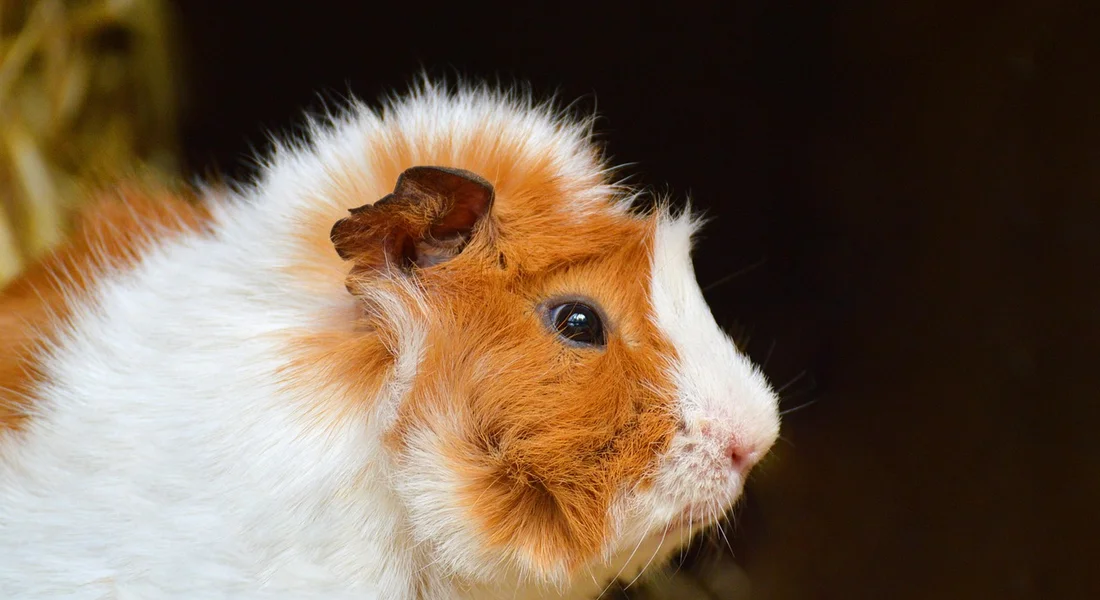
Guinea pigs are masters at hiding illness, a survival instinct from their wild ancestors. Learning their subtle signs of discomfort is your first line of defense in keeping them healthy for years. Proper care means more than just watching for signs—it also means daily routines like clean cages, fresh hay, vitamin C-rich veggies, and regular vet checkups. With that foundation, learning what’s normal becomes part of daily care. I’ve spent many quiet afternoons with my trio, and that’s where you learn what’s normal and what’s not.
Vet Care and Common Health Challenges
Your guinea pig needs a vet who specializes in “exotics,” not just cats and dogs. A general vet might miss the early signs of scurvy or a subtle dental problem.
Here are common health issues to watch for at different life stages:
- Young Pigs (Under 1 year): Watch for respiratory infections (sneezing, crusty eyes) and parasites like mites, which cause intense itching and hair loss.
- Adult Pigs (1-5 years): Dental issues are paramount. Their teeth never stop growing! Look for drooling, weight loss, or difficulty eating. Bladder stones can also develop, causing painful urination.
- Senior Pigs (5+ years): Arthritis is common. You might see them moving less or having trouble reaching their food. Heart and kidney issues also become more prevalent.
A sudden change in eating habits or a quiet, hunched posture is often the biggest red flag something is wrong. My Clover once sat puffed up in a corner, and that single sign told me she needed immediate help.
Maintaining a Stable Habitat Environment
Guinea pigs thrive in consistent, comfortable conditions. Dramatic shifts in temperature or humidity can trigger serious health problems. Guinea pigs have temperature heating needs that require a stable, draft-free environment. Keeping the enclosure within an appropriate range with controlled warmth helps prevent stress and illness.
Follow these steps to keep their home safe:
- Place the cage away from direct sunlight, drafts from windows or doors, and air conditioning vents.
- Use a simple digital thermometer and hygrometer to monitor the environment daily.
- Maintain a temperature between 65°F and 75°F (18°C – 24°C).
- Aim for a humidity level of 40% to 60%. Too much moisture encourages bacterial growth.
- In cold weather, provide extra piles of hay and fleece hideys for them to burrow into for warmth.
- During heatwaves, you can place a frozen water bottle wrapped in a small towel in the cage for them to lean against.
Their ideal environment feels comfortable to you in a t-shirt-not too hot, not too cold, and not damp.
Preventive Care and Emergency Prep
Being prepared isn’t about fear; it’s about providing confident care. A little organization now saves panic later.
Finding the Right Vet and Keeping a Health Log
Don’t wait for an emergency to find a vet. Search online for “exotic veterinarian” or “small mammal specialist” in your area and read reviews. Call and ask if they have specific experience with guinea pigs, including dental procedures.
Start a simple health log for each pig. A notebook or a notes app on your phone works perfectly. Track their weight weekly, any changes in appetite, and notes on their behavior. When my Biscuit was unwell, having a record of his exact weight loss helped the vet immensely.
Creating a Guinea Pig First-Aid Kit
Your kit should be separate from your human supplies. Keep it in an easily accessible box.
- Styptic powder or cornstarch to stop minor bleeding from a nail trim.
- Small, blunt-ended scissors and non-adhesive gauze pads.
- A small syringe (1mL) for hand-feeding critical care food if they stop eating.
- Saline solution for flushing eyes.
- Your exotic vet’s phone number and the address of the nearest 24-hour emergency clinic.
A prepared first-aid kit turns a scary moment into a manageable situation.
Annual Check-up Checklist
Even a healthy-seeming guinea pig benefits from a yearly vet visit. Regular vet visits are a key part of a complete care schedule for guinea pigs, helping catch issues early and guide ongoing care. Use this checklist to make the most of your appointment.
- Weight check and comparison to their baseline.
- Full physical exam, including listening to heart and lungs.
- Inspection of teeth for even wear and overgrowth.
- Check skin and fur for parasites or lumps.
- Discussion of diet and any changes in behavior you’ve noted.
This proactive visit can catch small issues before they become big, painful, and expensive problems.
Preparing for Your Guinea Pig’s Golden Years
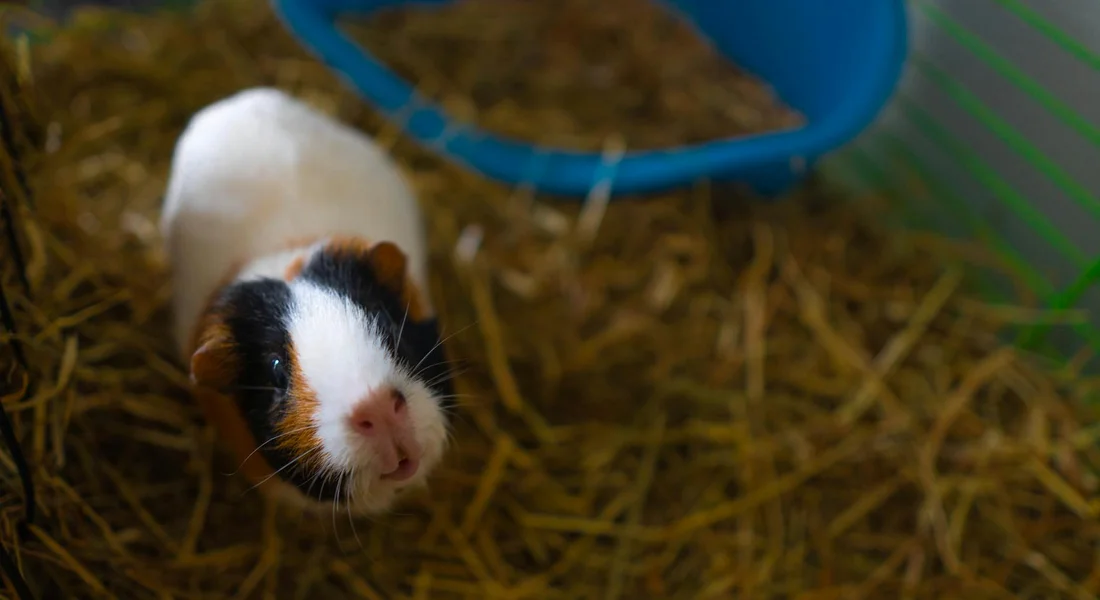
As your guinea pig enters their senior years, usually around age 4 or 5, you’ll notice gradual shifts in their behavior and health. My gentle Pepper, now 2, already shows subtle signs like taking longer naps and being less eager to popcorn around her cage. Keep a close eye on weight changes, as sudden loss can signal dental issues or other concerns.
Mobility often decreases with age, making jumps and climbs challenging. You might see your pig hesitating before hopping onto a platform, which could indicate joint stiffness or arthritis. I’ve watched Clover, my graceful Abyssinian, move more deliberately lately, so I adjusted her habitat to support her comfort.
Diet adjustments are crucial for senior guinea pigs to maintain health and ease chewing. Soften their pellets by mixing with water or offer finely chopped veggies to prevent choking. As guinea pigs age, dental wear and digestive changes can occur, so these tweaks are essential for senior health care. Monitor weight and consult a vet for age-related health concerns. Increase high-fiber hay like timothy to aid digestion, and always provide fresh water in a shallow dish they can access easily.
Make their living space senior-friendly with these simple steps:
- Replace high-sided hideouts with low-entry options, like small cardboard boxes with wide openings.
- Use ramps with gentle slopes instead of steep steps to connect different cage levels.
- Switch to soft, fleece bedding that cushions their joints and reduces pressure points.
- Position food and water bowls at ground level to minimize stretching or bending.
End-of-Life Comfort and Care
When your guinea pig reaches their final stages, palliative care focuses on maximizing comfort and minimizing pain. Recognizing signs of distress, such as teeth grinding, reduced appetite, or excessive hiding, helps you respond quickly with vet guidance. I’ve learned from caring for older pigs that gentle handling and a quiet environment soothe their nerves.
Planning for loss involves emotional preparation and practical steps, like discussing options with a veterinarian. Create a memory box with their favorite toys or fur clippings to cherish the bond you’ve shared. This process honors their life and supports your well-being during a difficult time.
Keep your aging guinea pig engaged and comfortable with these thoughtful approaches:
- Offer favorite treats in small, manageable pieces to stimulate appetite without overfeeding.
- Provide soft, warm spots for resting, like fleece-lined beds away from drafts.
- Engage in low-energy activities, such as hand-feeding or gentle stroking, to maintain connection.
- Monitor their environment for consistent temperature and reduced noise to prevent stress.
- Schedule regular vet check-ups to adjust care plans as needed for their changing needs.
Budgeting for Lifetime Guinea Pig Care
Planning for your guinea pig’s financial needs can feel overwhelming, but breaking it down makes it manageable. I’ve learned through caring for Pepper, Clover, and Biscuit that a clear budget prevents stress and ensures you’re always prepared.
Step-by-Step Expense Estimation
Let’s build your budget from the ground up. I track everything for my trio, and you can use this same method.
- Calculate One-Time Startup Costs
- A spacious cage or C&C setup: $80 – $150
- Water bottle and heavy food bowls: $20 – $30
- Hideouts and a hay rack: $25 – $40
- Estimate Recurring Monthly Supplies
- High-quality Timothy hay: $25 – $40
- Fortified pellets: $10 – $15
- Fresh vegetables (daily): $25 – $35
- Bedding (paper or fleece): $15 – $25
- Plan for Annual and Unexpected Vet Care
- Yearly wellness check: $50 – $80 per pig
- Emergency fund: Start with $300, aim for $500
- Nail trims and grooming: $50 annually
Your total monthly cost for one guinea pig typically falls between $75 and $115. Remember that guinea pigs are social, so a pair will nearly double your food and vet budget. For my three, I budget about $250 monthly for all their needs. While food and vet visits dominate monthly expenses, be sure to factor in initial setup and yearly costs into your planning.
Cost-Saving Tips and Long-Term Planning
Providing excellent care doesn’t have to break the bank. Smart choices free up funds for what truly matters.
Budget-Friendly Choices for Essentials
You can significantly cut costs without compromising your pet’s well-being.
- Bedding: Fleece liners require a higher initial investment but save hundreds over time compared to disposable paper bedding. I made my own for a fraction of the cost.
- Toys: Skip the pet store. Paper towel tubes, untreated wicker baskets, and cardboard boxes make fantastic, free enrichment items that my girls love.
- Food: Buy hay in bulk from local farms or feed stores. For veggies, buy what’s in season and consider growing your own safe herbs like cilantro and parsley.
Prioritizing Your Spending: Needs vs. Wants
Focus your budget on health and safety first. This list helped me make smart financial decisions.
| Essential Items (Spend Here) | Supplementary Items (Save Here) |
|---|---|
| Large, secure cage | Decorative cage accessories |
| Unlimited Timothy Hay | Commercial treat sticks |
| Vitamin C-rich pellets | Fancy outfits or costumes |
| Emergency Vet Fund | Expensive plastic hideouts |
The single best long-term financial plan is a dedicated emergency savings account for your pets. I automatically transfer a small amount each month, and it gives me immense peace of mind knowing I can handle any health scare for Pepper, Clover, or Biscuit.
FAQs
Where can I find a reliable guinea pig care guide in PDF format?
Many reputable animal welfare organizations and veterinary websites offer free, downloadable PDF guides for guinea pig care. Always check that the guide is recent and sourced from experts to ensure it reflects current best practices.
Is Reddit a good source for guinea pig care advice?
Reddit communities can provide helpful tips and real-life experiences from fellow guinea pig owners. However, cross-reference any advice with authoritative sources like veterinarians to confirm its safety and accuracy. If you’re evaluating a potential guinea pig veterinarian, prepare a short list of Questions for guinea pig veterinarian to ask during the first visit. Good questions cover the vet’s experience with small mammals, their approach to care, and what after-hours options are available.
What should be included in a guinea pig care sheet?
A thorough care sheet should summarize key areas like diet, habitat setup, and common health signs for quick reference. It helps owners stay organized with daily tasks and emergency procedures for their pet’s well-being.
Your Guinea Pig’s Lifelong Journey
From my time with Pepper, Clover, and Biscuit, I’ve seen how a roomy, secure home and a diet full of fresh hay and veggies support their entire lives. Routine vet visits and daily interaction prevent stress and health issues, keeping your guinea pig content for years.
Stay dedicated to learning about guinea pig care, exploring eco-friendly options like biodegradable bedding to minimize your pet’s environmental pawprint. Your ongoing effort in responsible ownership creates a nurturing, sustainable space where your guinea pig can flourish. In our ultimate guide to bedding options for guinea pigs, you’ll find practical tips on choosing materials that are both safe and comfortable. We’ll also highlight common pitfalls to avoid for a healthy home habitat.
Further Reading & Sources
- Cavia porcellus (Guinea pig) | INFORMATION | Animal Diversity Web
- Guinea pig | Smithsonian’s National Zoo and Conservation Biology Institute
- Guinea pigs in the wild (2023 Update!) – GuineaDad
- Guinea pig | Definition, Diet, Life Span, & Facts | Britannica
Kate is a passionate guinea pig owner and advocate for small pet welfare. With over a decade of experience caring for guinea pigs, she has become a trusted voice in the small pet community.
Uncategorized