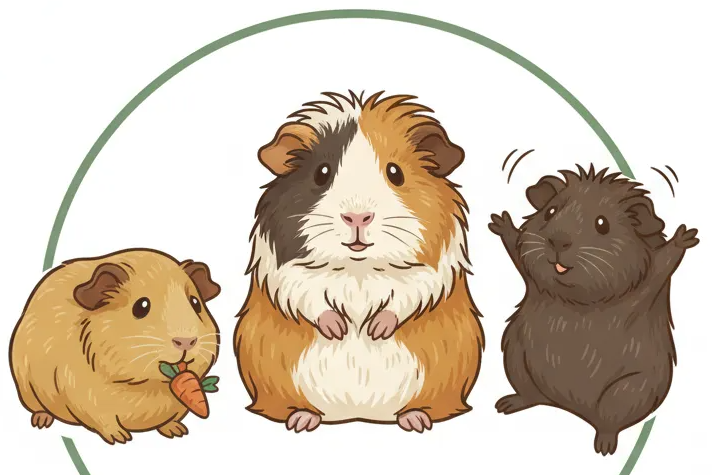
Guinea Pig Health Check: Safe Handling Guide
Published on: January 6, 2026 | Last Updated: January 6, 2026
Written By: Kate M. Callahan
Hello CavyFam! Feeling nervous about checking your guinea pig’s health without causing stress or injury? It’s a common concern that many caring owners share when handling their delicate pets.
I’ll guide you through gentle holding methods, spotting stress signals, step-by-step inspection routines, and avoiding common errors. My hands-on experience with guinea pigs like steady Pepper and thoughtful Clover has taught me how to make health checks calm and secure for them.
Setting Up a Calm and Safe Environment
Creating a peaceful space is your first step to a successful health check. I always choose a small, enclosed room like a bathroom with the door shut to prevent any escape attempts. Removing loud noises and sudden movements helps keep your guinea pig’s stress levels low.
Place a soft, non-slip surface on your lap or the table, like a fleece blanket or towel. This provides secure footing and comfort. A familiar-smelling item, such as a piece of their cage fleece, can offer extra reassurance during the exam.
Ensure all your supplies-like a small scale, nail clippers, and a treat-are within easy reach before you begin. Preparing everything in advance means you won’t need to move suddenly and startle your pet mid-check.
Mastering Gentle Handling and Proper Restraint
Proper handling builds trust and keeps both you and your guinea pig safe. With my three pigs, I’ve learned that patience and a steady approach make all the difference. Proper care for guinea pigs goes beyond handling. A clean cage, fresh water, and plenty of hay are essential daily.
Step 1: Approach with Slow, Gentle Movements
Always approach from the front where your guinea pig can see you. Avoid looming over them, as this can trigger their prey-animal instincts. Speak in a soft, calm voice and let them sniff your hand before any contact. If you’re on vacation, arrange a trusted caregiver to follow these steps and check in daily. This helps your guinea pig stay calm and comfortable while you’re away.
Move your hand slowly along their side, not directly over their head. Sudden motions from above can make them flinch or try to run, so slow and steady wins their confidence every time.
Step 2: Lift and Cradle with Secure Support
Slide one hand under their chest, behind the front legs, and use your other hand to support their hindquarters and back feet. Lifting with full body support prevents spinal injury and makes your guinea pig feel securely held.
Bring them close to your body immediately after lifting. Hold them in a gentle but firm “football hold” against your chest. Keeping them snug against you minimizes wiggling and helps them feel protected.
Tip: Use a Towel for Extra Warmth and Comfort
I often wrap my more reserved pig, Biscuit, in a small towel during checks. This provides a cozy barrier that reduces stress and contains any nervous shuffling.
The towel also gives you a better grip, especially if your hands are a bit sweaty. Just ensure their face is unobstructed so they can breathe comfortably and see their surroundings.
Conducting a Thorough Health Examination
Inspecting Eyes, Ears, and Teeth for Clues
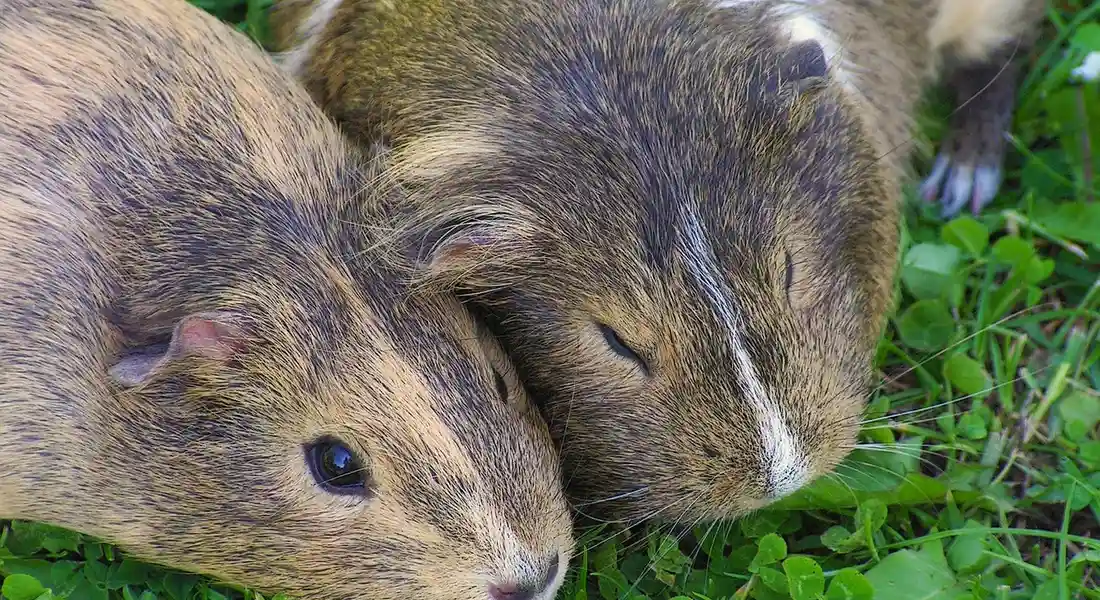
Start by gently holding your guinea pig in a comfortable position, like on your lap with a soft towel. Clear, bright eyes without discharge are a good sign of health, while crustiness or cloudiness might indicate an infection. I remember checking Pepper’s eyes during a routine exam and noticing how her calm demeanor made it easier to spot any subtle changes.
For ears, look inside for redness, wax buildup, or foul odors. Healthy ears should be clean and free of debris, as any irritation could signal mites or an infection. Use a small flashlight if needed, but avoid inserting anything into the ear canal.
Teeth inspection is crucial because overgrown teeth can cause eating difficulties. Gently part the lips to check that the front teeth align properly and aren’t broken or too long. With Biscuit, I’ve found that offering a chew toy afterward helps reduce stress and keeps his teeth in good shape.
Assessing Skin, Fur, and Nail Health
Run your fingers through your guinea pig’s fur to feel for lumps, bald patches, or flaky skin. Smooth, even fur without mats or parasites like lice is ideal for overall comfort. Understanding guinea pig fur types and their usual characteristics helps you spot changes early. By feeling the texture and observing shine, you can tell when grooming or care is needed. In my experience, Clover’s graceful nature makes her more tolerant of this, but always go slowly to avoid startling them.
Check the skin for redness, sores, or signs of mites, which can cause intense itching. Regular grooming not only keeps the coat shiny but also helps you catch issues early before they worsen. I use a soft brush weekly on all my guinea pigs to monitor for changes.
Nails should be trimmed if they curve too much or touch the ground. Overgrown nails can lead to pain or difficulty walking, so aim to trim them every 4-6 weeks with pet-safe clippers. Learn how to safely trim guinea pig nails without causing injury. Hold the paw firmly but gently, and reward your guinea pig with a small treat afterward to make it a positive experience.
Monitoring Weight and Overall Condition
Weigh your guinea pig weekly using a small digital scale to track any sudden changes. A steady weight is a key indicator of good health, as rapid loss or gain can signal underlying problems. I keep a log for Pepper, Clover, and Biscuit to spot trends over time. Regular weighing is essential to monitor their health effectively.
Feel along the body for a well-rounded shape without prominent bones or excessive fat. Your guinea pig should have a firm but not bony backbone and a slightly rounded belly when healthy. Compare this to their usual behavior-like how active they are-to get a full picture.
Observe their movement and posture during the exam. Limping or reluctance to move might point to joint issues or pain, so note any abnormalities and consult a vet if needed. Gentle handling helps keep stress low and makes the process smoother for both of you.
Recognizing Stress Signals and Signs of Illness
Watch for behaviors like hiding, teeth chattering, or rapid breathing, which often mean your guinea pig is uncomfortable. Stress can weaken their immune system, so it’s vital to stop and comfort them if they show these signs during a check-up. I’ve seen Clover freeze up when stressed, and giving her a break always helps. If you notice these cues, you can tell if your guinea pig is stressed or anxious. Respond quickly to help them relax.
Common illness indicators include lethargy, loss of appetite, or unusual vocalizations. If your guinea pig isn’t eating or drinking normally, it could be a red flag for digestive issues or other health concerns. Knowing what normal eating looks like helps you spot issues early. A healthy guinea pig typically chews hay steadily, eats small, regular portions of pellets and vegetables, and drinks water consistently. Monitor their daily habits closely, as early detection makes treatment easier.
Look for physical symptoms like diarrhea, sneezing, or discharge from the nose or eyes. Any persistent abnormality warrants a vet visit to rule out infections or chronic conditions. Advocating for their welfare means acting quickly to ensure they get the care they need.
Ensuring Hygiene and Comfort Post-Check
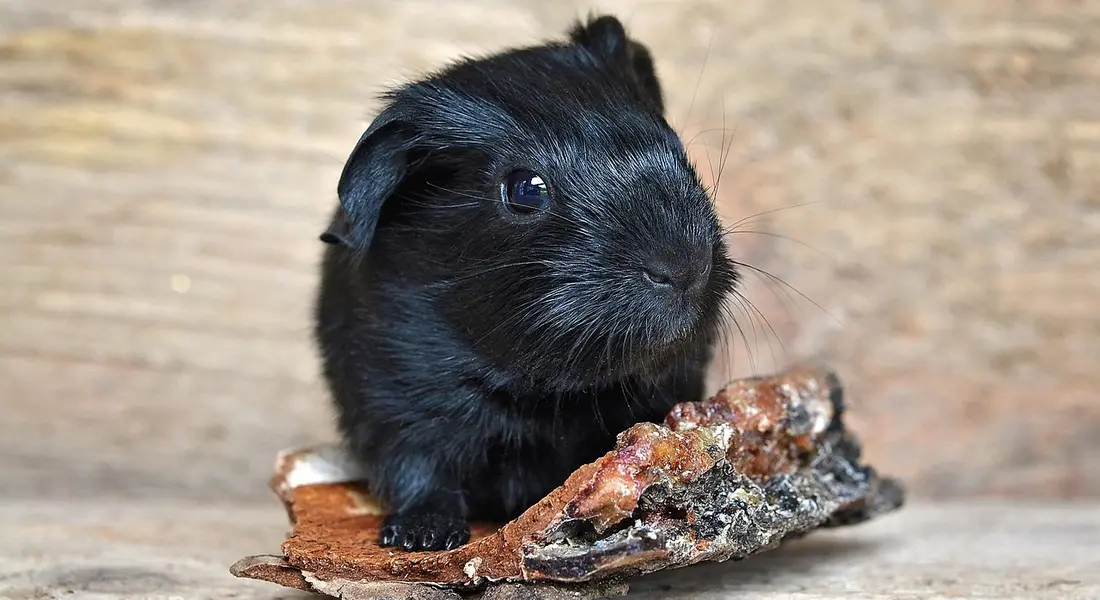
After any health check, I always make sure my hands are freshly washed. Proper hand hygiene prevents transferring germs between you and your pets. I use a mild, unscented soap to avoid irritating their sensitive skin.
Return your guinea pig to a freshly cleaned cage. A clean environment helps them feel secure and reduces stress after handling. I spot-clean any soiled bedding immediately and replace it with fresh, soft material. For more on safe bedding options, consult the ultimate guide. It covers safe materials, layering, and what to avoid.
Offer a small, healthy treat as a reward. Positive reinforcement builds trust and makes future checks easier. My guinea pig Biscuit especially loves a piece of cilantro after an exam.
Observe your pet quietly for a few minutes. Watch for normal behaviors like exploring, eating, or gentle popcorning to confirm they’ve settled back in comfortably.
Knowing When to Seek Veterinary Assistance
Some symptoms require immediate professional attention. Difficulty breathing, discharge from eyes or nose, or complete refusal to eat or drink are urgent signs. I learned this when Clover once stopped eating-prompt vet care was crucial.
Monitor for changes in behavior or mobility. Limping, excessive scratching, or sudden lethargy often indicate underlying health issues needing diagnosis. Trust your instincts; you know your pet’s normal demeanor best.
Check for physical abnormalities that persist. Lumps, bumps, or wounds that don’t heal within a day should be evaluated by a veterinarian. Regular checks help you catch these changes early.
Keep a small journal of symptoms. Note when symptoms started, their frequency, and any changes in severity to provide your vet with accurate information. This helps ensure your guinea pig receives the most effective treatment possible. For a new guinea pig’s first veterinary check-up, bring this journal to guide the visit and discuss patterns with your vet. Your notes can help tailor preventive care and catch issues early.
FAQs
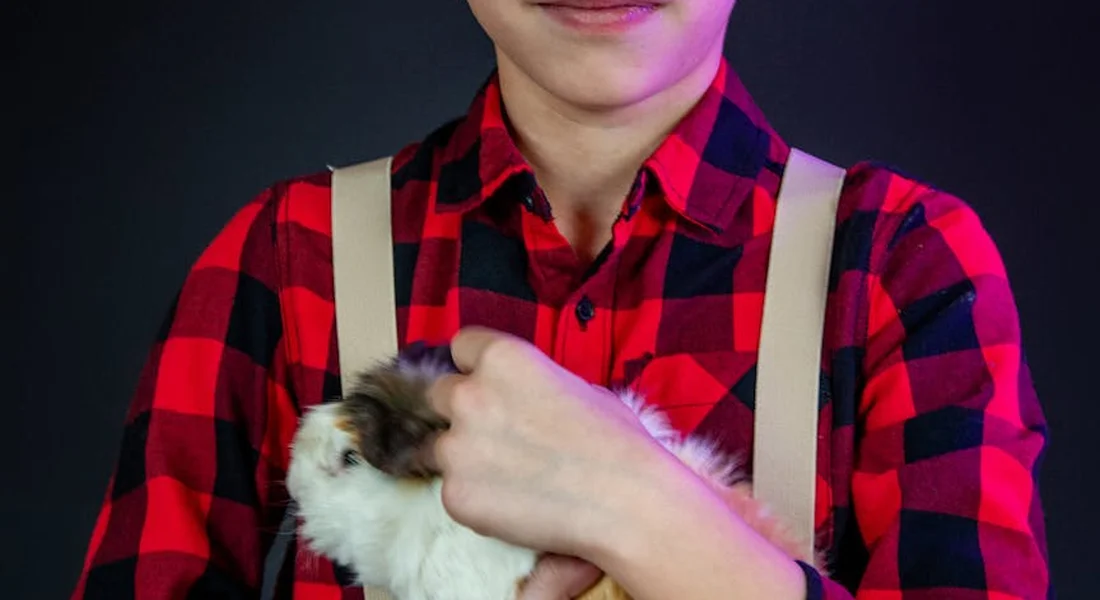
How often should I perform a full health check on my guinea pig?
Aim for a quick daily observation and a thorough weekly examination to monitor their well-being. Regular checks help you spot changes early and maintain their health over time.
What should I do if my guinea pig seems too anxious to handle during a check?
Pause the check and offer a calm, quiet break to reduce their stress levels. Try again later with gentle reassurance and a favorite treat to build positive associations.
Are there any specific signs that indicate my guinea pig is in pain during handling?
Watch for flinching, loud squealing, or attempts to escape, which can signal discomfort. If you notice these, stop immediately and consult a vet to address any underlying issues.
Your Guinea Pig’s Health Is in Your Hands
Building trust through gentle handling and performing a calm, systematic check from nose to tail ensures your piggy feels secure. A consistent routine not only keeps them healthy but also deepens your special bond with them.
Committing to their well-being means always seeking new knowledge and choosing eco-friendly care options. Your dedication to learning and sustainable practices directly contributes to a happier, healthier life for your small companion.
Further Reading & Sources
- Guinea pig health – PDSA
- Guinea Pig Health & Welfare Tips | RSPCA – RSPCA – rspca.org.uk
- Health Checklist for Guinea Pigs – FOUR PAWS International – Animal Welfare Organisation
- Guinea Pig Health Checklist: Routine Weekly Checks at Home
Kate is a passionate guinea pig owner and advocate for small pet welfare. With over a decade of experience caring for guinea pigs, she has become a trusted voice in the small pet community.
Uncategorized