Normal Guinea Pig Eating Habits: A Healthy Guide
Published on: January 13, 2026 | Last Updated: January 13, 2026
Written By: Kate M. Callahan
Hello CavyFam! Ever wonder if your guinea pig is eating the right amount or the right things? Watching their munching can sometimes feel confusing, especially when they seem to eat all the time or suddenly ignore a favorite treat.
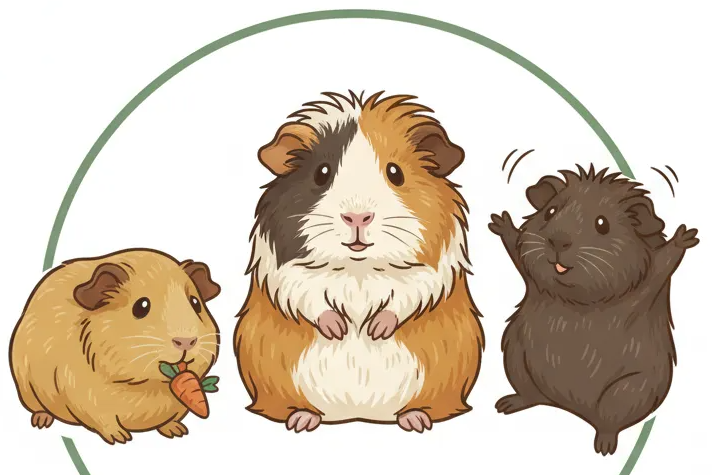
In this article, we’ll explore constant eating behaviors, safe and unsafe foods, red flags in their diet, and proper portion control. I’ve learned this through years of caring for my own guinea pigs like Pepper, Clover, and Biscuit.
Understanding the Natural Grazing Instinct
Guinea pigs are not meal-eaters; they are grazers by design. Their digestive systems are built to process a steady, slow trickle of food throughout their waking hours. In the wild, this constant foraging keeps them safe and their gut muscles actively moving. When my guinea pig, Pepper, first arrived, I worried she wasn’t eating enough at once. I soon learned her constant, gentle nibbling on her hay pile was perfectly normal and healthy.
Their teeth grow continuously, and the gritty fiber in grass hay files them down naturally. A day without hay can lead to serious dental problems. I always make sure my herd has a mountain of fresh timothy hay available 24/7, and I watch them munch happily all day long. This is the cornerstone of their health and happiness.
What a Balanced Guinea Pig Diet Looks Like
A healthy guinea pig menu is simple but specific. Think of it as a three-part system that works together to keep your pet thriving.
The Daily Staples: The Non-Negotiables
These items should be available every single day without fail.
- Unlimited Grass Hay: Timothy hay is the gold standard for adult pigs. It makes up about 80% of their diet and is essential for digestion and dental health.
- High-Quality Pellets: Look for plain, timothy-based pellets fortified with Vitamin C. I give my pigs about 1/8 cup each per day to prevent selective feeding.
- Fresh, Clean Water: Change their water daily in a drip-proof bottle. I add a tiny splash of Vitamin C to their water each morning for an extra boost.
The Fresh Food Rotation: The Daily Treat
This is where you add variety and crucial nutrients. Offer about one cup of fresh vegetables per pig per day.
- Vitamin C Powerhouses: Bell peppers (all colors) are my go-to. My pig, Clover, adores the red ones. Also include kale and parsley in moderation.
- Leafy Greens: Romaine lettuce, cilantro, and endive are fantastic daily options. I avoid iceberg lettuce as it has little nutritional value.
Always introduce one new vegetable at a time and in small quantities to monitor their tummy’s reaction.
Foods to Avoid: The No-No List
Some human foods are dangerous for guinea pigs. Keep these far away from their cage.
- Grains, nuts, and seeds (they can’t digest them)
- Dairy products of any kind
- Meat or animal proteins
- Onions, garlic, potatoes, or mushrooms
- Chocolate or any processed sweets
When in doubt, always research a new food before offering it to your curious cavy.
Do Guinea Pigs Know When to Stop Eating?
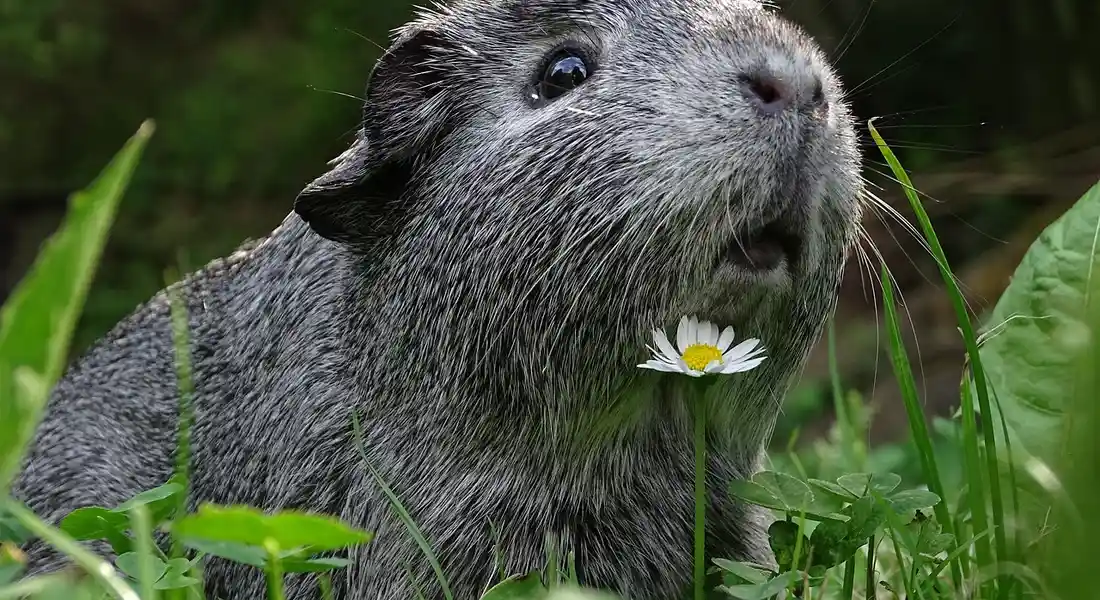
In my years of caring for guinea pigs like Pepper, Clover, and Biscuit, I’ve learned they are natural grazers, not natural stoppers. Their digestive systems are designed for near-constant intake of fibrous foods to keep their gut moving. They don’t have the same “full” signal that many other pets do, which means they will often eat whenever food is available. A complete guide to foraging for your guinea pig will show you how to offer safe, fibrous greens in balanced portions. It’ll also cover what to avoid and how to read their appetite cues.
This is why portion control and providing the right types of food falls entirely on you as their caregiver. Unlimited access to high-calorie foods like certain fruits or commercial pellets can quickly lead to obesity. I always provide unlimited grass hay, which is low in calories but essential for their health, and then carefully measure out their daily portions of veggies and pellets.
Signs of Healthy vs. Problematic Eating Habits
Recognizing the difference between a happy eater and one with issues is a key part of guinea pig ownership. A healthy guinea pig will approach mealtime with bright eyes and enthusiastic “wheeking,” eagerly consuming their fresh vegetables and hay. You’ll notice a steady, consistent pattern in their eating and drinking throughout the day. This pattern is a good indicator that your guinea pigs are happy.
- Steady weight: They maintain a consistent, healthy weight without dramatic fluctuations.
- Consistent droppings: They produce a normal amount of firm, oval-shaped droppings daily.
- Active foraging: They spend a good part of their day munching on hay and exploring their food.
Problematic eating, on the other hand, is a major red flag. A sudden disinterest in favorite treats, a messy or wet chin from drooling, or a noticeable drop in poop production are all urgent signs. I once noticed Biscuit leaving behind his beloved cilantro, which was my first clue he wasn’t feeling well.
When a Healthy Appetite Becomes a Concern
It might seem counterintuitive, but an overly enthusiastic appetite can sometimes signal a problem. If your guinea pig is ravenously hungry but losing weight, it could point to a parasite or a metabolic issue that prevents proper nutrient absorption. They’re eating, but their body isn’t getting the fuel it needs. This can be one of the critical signs that something isn’t right with your pet’s health.
Another concern is selective eating. A guinea pig that only picks out the high-sugar pellets and ignores the crucial hay is setting themselves up for dental and digestive troubles. I had to adjust my herd’s feeding routine when I noticed they were doing this, mixing their pellets thoroughly into their hay to encourage more natural foraging behavior. This is one of the top guinea pig diet mistakes that can lead to serious health issues. Keeping hay accessible and limiting sugary pellets is a practical tip to avoid such mistakes.
Why a Guinea Pig Might Stop Eating
A guinea pig that stops eating is a veterinary emergency. Their gut health is so delicate that even 12 hours without food can be dangerous. The most common reason for a guinea pig to stop eating is dental pain, often from overgrown teeth that need to be filed down by a vet. When handling for a health check, hold your guinea pig gently with both hands, supporting the chest and hindquarters. Keep movements slow and calm to reduce stress during the exam.
- Dental Issues: Misaligned or overgrown teeth make chewing painful and impossible.
- Respiratory Infection: A stuffy nose means they can’t breathe while they eat.
- Gut Stasis: A painful slowdown of the digestive system that causes a loss of appetite.
- Stress or Pain: A new environment, a loud noise, or an injury can make them too anxious or sore to eat.
From my experience with Clover, even a minor environmental change can temporarily affect her appetite. Any sudden refusal of food, especially their favorite greens, means it’s time to call your exotic animal veterinarian immediately. Don’t wait to see if they “feel better tomorrow”-their health can decline very rapidly.
How Aging Affects a Guinea Pig’s Appetite
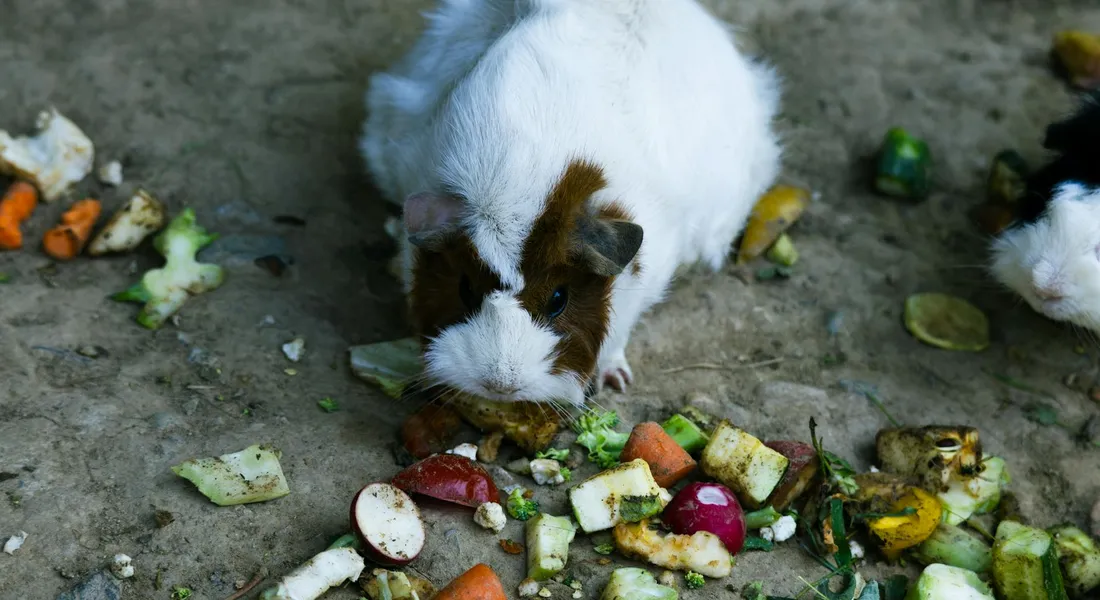
As your guinea pig grows older, you’ll notice their eating habits start to shift in subtle ways. Older guinea pigs often eat less and may become pickier about their food choices. This change happens because their metabolism slows down, much like in humans, and they might develop dental issues that make chewing tougher foods uncomfortable.
From my experience with Clover, my 3-year-old Abyssinian, I’ve seen her go from eagerly munching on hay to preferring softer veggies. Monitoring their weight weekly helps you catch any sudden drops that could signal health problems. I use a small kitchen scale to keep track, and it’s become a simple routine that gives me peace of mind.
- Watch for reduced hay consumption, as fiber is crucial for digestion.
- Offer softer vegetables like cucumber or steamed greens if chewing seems difficult.
- Check their teeth regularly for overgrowth, which is common in aging pigs.
Biscuit, my reserved Peruvian, started eating slower around age one, so I switched to smaller, more frequent meals. Always provide fresh water in a shallow dish to prevent dehydration, which older guinea pigs are more prone to. This small adjustment made a big difference in keeping her hydrated and comfortable. As part of the weekly guinea pig care routine ultimate checklist that many owners follow, you can regularly check hydration and feeding. A quick weekly review also helps with grooming and enrichment.
Creating a Simple and Effective Feeding Schedule
A consistent feeding schedule keeps your guinea pig healthy and reduces stress. Stick to the same times each day to help them feel secure and anticipate meals. I feed Pepper, Clover, and Biscuit at 7 AM, 12 PM, and 6 PM, and they often start wheeking excitedly right before I arrive. Generally, guinea pigs do best with 2–3 small meals per day, in addition to unlimited hay. Maintaining a steady feeding frequency helps digestion and energy levels.
- Start the day with fresh hay-it should be available 24/7 for constant grazing.
- Offer a small portion of pellets in the morning to provide essential nutrients.
- Include a variety of fresh veggies at lunchtime, like bell peppers or leafy greens.
- End the day with a light evening snack, such as a slice of carrot or apple.
I’ve found that this routine prevents overeating and supports their natural foraging behavior. Rotate vegetable types to ensure a balanced diet and prevent boredom. For example, I alternate between kale, parsley, and zucchini to keep things interesting for my trio.
Using a feeding chart can simplify your planning. Always remove uneaten fresh food within a few hours to avoid spoilage and keep their habitat clean. I keep a small notebook by their cage to track what they eat, which helps me spot preferences or issues early on.
FAQs
How much calcium should be in a guinea pig’s diet?
Calcium is essential for bone health, but excess can lead to bladder stones. Offer low-calcium veggies like bell peppers and limit high-calcium foods such as spinach.
What is the ideal percentage breakdown for a guinea pig’s diet?
Aim for about 80% unlimited grass hay, 15% fresh vegetables, and 5% high-quality pellets. This balance supports digestion and overall well-being.
What is Guineadad and how does it relate to guinea pig nutrition?
Guineadad is a brand offering products like hay liners and forage mixes designed for guinea pigs. Their items can supplement a diet but should not replace core components like fresh hay and veggies.
Where can I find a printable guinea pig diet chart in PDF format?
Many guinea pig care websites and veterinary resources provide free downloadable PDF charts. These charts help you track daily food portions and ensure variety in their meals. Knowing the daily calorie requirements for guinea pigs helps you set appropriate portions and prevent overfeeding.
What are the key components of a guinea pig diet for beginners?
Start with unlimited timothy hay, a small daily portion of vitamin C-fortified pellets, and a cup of fresh vegetables. Always research new foods before introducing them to prevent digestive upset.
Happy, Healthy Eating Habits Start With You
Provide unlimited, high-quality hay and a daily portion of fresh vegetables to support your guinea pig’s digestive health and wear down their constantly growing teeth. A consistent routine with the right foods is the foundation for a vibrant, energetic pet.
Always seek out new, trustworthy information and consider eco-friendly choices like buying hay in bulk to reduce packaging waste. Your commitment to learning and making sustainable choices directly contributes to your pet’s long-term well-being and happiness.
Further Reading & Sources
- What To Feed a Guinea Pig | RSPCA – RSPCA – rspca.org.uk
- Guinea pig feeding schedule and dietary needs | Humane World for Animals
- Guinea pig feeding – Humane Society
- Feeding Guinea Pigs | VCA Animal Hospitals
Kate is a passionate guinea pig owner and advocate for small pet welfare. With over a decade of experience caring for guinea pigs, she has become a trusted voice in the small pet community.
Uncategorized