Guinea Pig Diet: Safe Vegetables and Greens for Your Pet
Published on: December 7, 2025 | Last Updated: December 7, 2025
Written By: Kate M. Callahan
Hello CavyFam! Choosing the right vegetables for your guinea pig can feel confusing and a little scary. You want to provide the best nutrition without accidentally causing harm.
In this guide, I’ll walk you through safe vegetable options, dangerous foods to avoid, proper portion sizes, and how to introduce new greens.
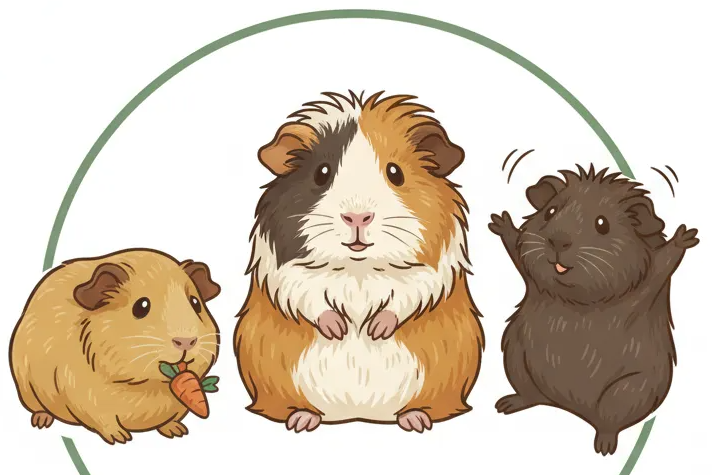
I’ve learned this through years of caring for my own guinea pigs, Pepper, Clover, and Biscuit, and seeing firsthand how the right diet keeps them happy and healthy.
Understanding Your Guinea Pig’s Core Dietary Needs
Why Vitamin C Is Non-Negotiable
Your guinea pig’s body cannot produce its own Vitamin C, making daily dietary intake absolutely essential. I learned this the hard way when one of my own pigs, Biscuit, showed early signs of scurvy-lethargy and a rough coat. Without enough Vitamin C, your guinea pig can develop serious joint problems, dental issues, and a weakened immune system. It’s a foundational nutrient for their health, just like water is for us. Knowing how much Vitamin C they need daily is crucial for avoiding these health problems.
Think of Vitamin C as the daily maintenance crew for your pet’s body, constantly repairing tissues and keeping everything running smoothly. I always make sure my pigs get a fresh, high-C vegetable every single day without fail.
The Role of Fiber in Digestion
Fiber is the engine that keeps your guinea pig’s complex digestive system moving. Their gut is designed to process a constant stream of fibrous material. A diet rich in fiber prevents gastrointestinal stasis, a dangerous condition where the gut slows down or stops. I watch my pigs, especially the more reserved Biscuit, to ensure they are consistently eating and producing plenty of droppings.
There are two main types of fiber that are crucial:
- Digestible fiber provides energy as it ferments in the cecum.
- Indigestible fiber keeps food physically moving through the intestines.
A proper balance is key to avoiding bloating and maintaining a healthy weight.
Safe Vegetables and Greens for Your Guinea Pig
Leafy Greens to Love
Leafy greens should form the bulk of the fresh vegetable portion of your guinea pig’s diet. My trio—Pepper, Clover, and Biscuit—get a rotating mix to keep things interesting and nutritionally balanced. Rotating between at least three different greens each week ensures a broader spectrum of vitamins and minerals. This practice also prevents them from developing a fixation on just one type of food. Together with unlimited hay, this forms the ideal overall diet for a healthy guinea pig. Ensure fresh water is always available to support hydration.
Here are some of the safest and most nutritious leafy greens I regularly feed:
- Romaine Lettuce: A great daily staple, high in water and fiber.
- Green Leaf Lettuce: Another excellent base green.
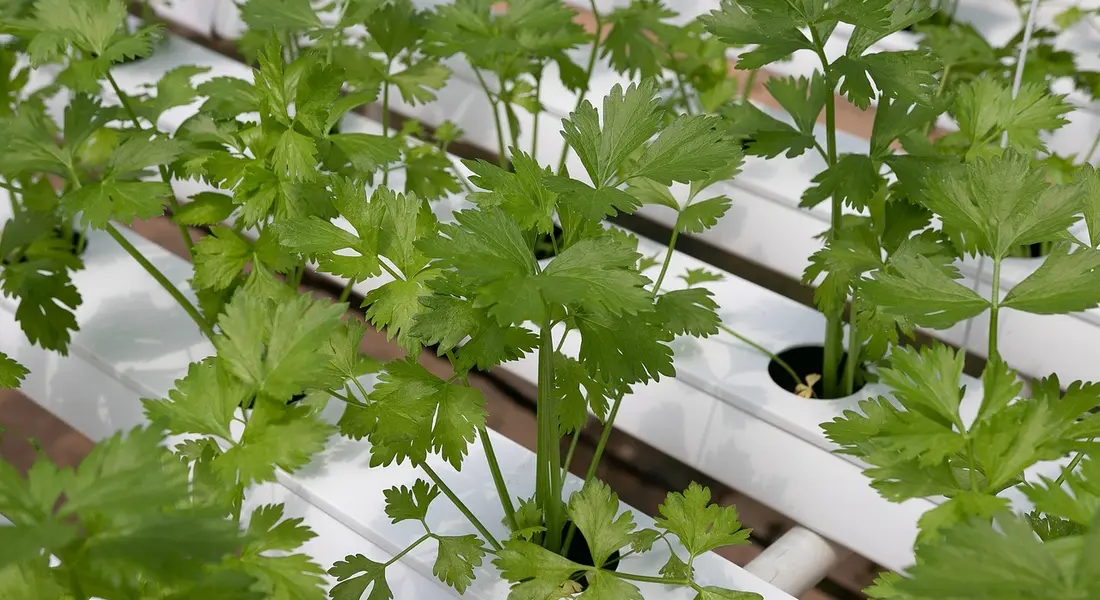
- Cilantro: A huge hit in my herd, packed with antioxidants.
- Endive: Offers a slightly bitter taste that provides variety.
Always wash all greens thoroughly to remove any pesticide residue before serving.
Crunchy Vegetables and Herbs
Beyond leafy greens, crunchy vegetables and herbs add vital texture, enrichment, and additional nutrients. The sound of a happy guinea pig crunching on a bell pepper is one of my favorite sounds. These crunchy options are fantastic for wearing down their constantly growing teeth naturally. I’ve found that even my more thoughtful pig, Clover, becomes very engaged with a new, interesting vegetable.
You can confidently offer these crunchy vegetables and herbs a few times a week:
- Bell Peppers (all colors): The red and yellow varieties are especially high in Vitamin C. Remove the seeds and stem first.
- Zucchini: A mild, soft-crunch vegetable that is very hydrating.
- Cucumber: Mostly water, but a refreshing and cool treat, especially in warmer weather.
- Carrot Tops: The leafy greens are actually more nutritious than the carrot root itself!
- Dill & Mint: Use these herbs sparingly as a special, fragrant treat.
Introduce any new food slowly to avoid upsetting their sensitive stomachs.
Foods to Avoid in Your Guinea Pig’s Diet
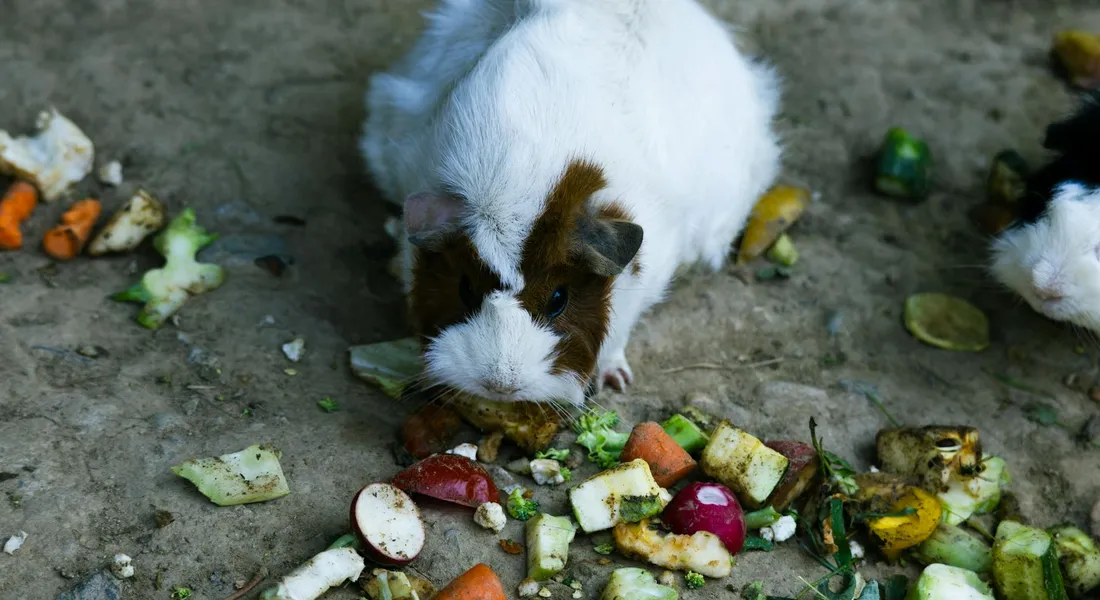
When you’re picking out fresh veggies for your guinea pig, it’s easy to get excited about sharing your favorites. From my time caring for Pepper, Clover, and Biscuit, I’ve seen how even small amounts of the wrong foods can lead to tummy troubles or worse. Always double-check before offering something new. To keep Pepper, Clover, and Biscuit safe, it’s helpful to know the 10 common foraging mistakes that could poison your guinea pig.
Common Vegetables and Greens That Are Harmful
Some greens might look healthy but pack hidden dangers for your guinea pig. Stick to safe options like romaine lettuce or bell peppers to avoid unnecessary risks. Outdoor foraging adds extra risk since wild leaves can be unsafe or contaminated. If you forage, stick to known-safe greens and wash everything thoroughly before offering them. Here are a few to watch out for:
- Onions and garlic: These can cause anemia and digestive upset-I keep them far from my guinea pigs’ reach after a scare with Biscuit.
- Potatoes and their greens: Contain solanine, which is toxic; even a small piece isn’t worth the danger.
- Rhubarb leaves: High in oxalic acid, leading to kidney issues-never a part of our meal plans.
- Iceberg lettuce: Low in nutrients and can cause diarrhea; I opt for leafy greens like kale in moderation instead.
Other Items to Keep Off the Menu
Beyond veggies, many human foods aren’t suitable for guinea pigs. Their digestive systems are delicate, so always err on the side of caution with unfamiliar items. Being mindful of the top guinea pig diet mistakes that lead to serious health issues can help you avoid them. This list includes:
- Avocado: Contains persin, which is toxic and can lead to breathing problems.
- Dairy or meat products: Guinea pigs are strict herbivores; I’ve never seen mine show interest, and it could cause bloating.
- Seeds and pits: Pose a choking hazard-remove them from fruits like apples before serving.
- High-sugar treats: Foods like candy or bread can lead to obesity and dental issues over time.
If you’re ever unsure about a food, skip it and consult a vet. Your guinea pig’s health is worth that extra moment of care, just like I do for my trio every day. Stick to proven safe choices to keep them happy and energetic. For new guinea pigs, their first veterinary check up helps establish a health baseline and provides guidance on safe feeding and care.
How to Prepare and Serve Greens Safely
Step 1: Thorough Cleaning
Start by rinsing all greens under cool, running water to wash away dirt and any pesticide residues. I always do this for Pepper, my American Guinea Pig, because his gentle nature means he deserves the cleanest food. Scrub leafy surfaces gently with your fingers or a soft brush to ensure no hidden grit remains. For an extra layer of safety, I sometimes soak greens in a mix of water and a splash of vinegar for a few minutes, then rinse well. This step keeps your guinea pigs healthy and prevents stomach upsets from contaminants.
Step 2: Proper Chopping Techniques
Chop greens into small, manageable pieces to reduce choking risks and make eating easier. I’ve found that cutting leaves into strips or tiny bits works best for guinea pigs like Clover, who’s graceful but appreciates food that’s easy to handle. Aim for pieces no larger than your fingernail to encourage safe chewing and digestion. Use a sharp knife on a clean cutting board, and avoid tearing greens by hand, which can bruise them and reduce freshness. This method helps your pets enjoy their meals without struggle.
Step 3: Gradual Introduction
Introduce new greens slowly to prevent digestive issues like bloating or diarrhea. I did this with Biscuit, my Peruvian Guinea Pig, by offering a tiny portion first and watching for any changes over a few days. Start with just a teaspoon of the new green mixed into their regular diet, and increase the amount gradually over a week if they tolerate it well. Monitor your guinea pig’s behavior and droppings closely-this careful approach supports their well-being and helps you spot any allergies early. Always prioritize variety in moderation to keep their diet balanced and exciting.
Feeding Guidelines by Age and Health
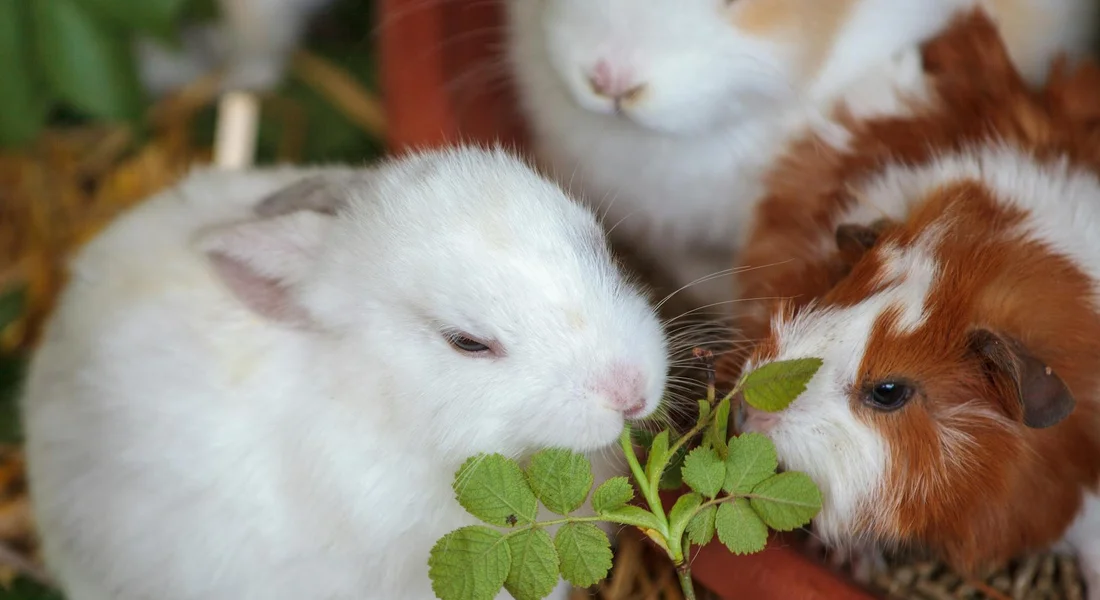
Just like people, a guinea pig’s nutritional needs change throughout their life. What keeps a young pup growing strong isn’t the same as what maintains a healthy adult or supports a wise senior. I’ve seen this firsthand with my own trio, Pepper, Clover, and Biscuit, as they’ve each moved through different stages.
Adjusting for Life Stages
Getting the diet right for each age is one of the most impactful things you can do for their long-term health. It’s not just about the quantity of food, but the specific nutritional profile.
Growing Pups (Under 6 Months)
Young guinea pigs are little bundles of energy and rapid growth. Their bodies are building bone and muscle at an incredible rate. You can expect each stage of a guinea pig’s life to bring new needs and milestones. Understanding these stages helps you tailor care for every age.
- Unlimited Alfalfa Hay: I always provide unlimited alfalfa hay to my young ones. It’s richer in calcium and protein than Timothy hay, which is vital for developing strong skeletons.
- High-Quality Pellets: Offer an alfalfa-based juvenile guinea pig pellet. They can have a slightly larger portion than adults to support their growth spurt.
- Daily Veggie Introduction: This is the perfect time to introduce a wide variety of safe vegetables. Start with small amounts of one new veggie at a time to watch for any tummy upset.
Healthy Adults (Ages 1-5 Years)
This is the maintenance phase where the goal is a balanced diet to prevent obesity and health issues.
- Transition to Timothy Hay: Around six months, I gradually switch my pigs from alfalfa to unlimited Timothy or orchard grass hay. This is the single most important part of an adult guinea pig’s diet, crucial for dental and digestive health.
- Limited Timothy-Based Pellets: Switch to a plain, Timothy-based pellet and measure their daily portion-usually about 1/8 cup per pig. This prevents them from filling up on pellets and ignoring their hay.
- One Cup of Fresh Veggies Daily: A heaping cup of mixed, low-calcium vegetables like romaine lettuce, bell peppers, and cilantro forms the core of their fresh food intake.
Seniors (Ages 5+ Years)
Older guinea pigs often slow down and may develop age-related issues like dental problems or arthritis. My gentle Pepper is entering this stage, and I’ve adjusted his meals accordingly. Proper care for aging guinea pigs is crucial to ensure they live comfortably in their later years.
- Softer Veggie Options: If they have trouble chewing, I offer finely chopped or grated vegetables. Steamed zucchini or sweet potato (cooled completely) can be easier for them to eat.
- Monitor Weight Closely: Weigh your senior pig weekly. A sudden loss can signal dental issues, meaning they can’t eat their hay properly and may need a critical care diet supplement.
- Continue Unlimited Hay: Never restrict hay, even if they eat less of it. Its fiber is essential for keeping their digestive system moving, which can slow down with age.
Recognizing Signs of Dietary Issues
I’ve spent many years watching my own guinea pigs—Pepper, Clover, and Biscuit—and I can tell you firsthand that their health is deeply connected to what they eat. So, what do normal guinea pig eating habits look like? Knowing typical appetite and routine makes it easier to spot when something’s off. Spotting the early signs of a dietary problem can literally save your pet’s life, so always trust your gut if something seems off.
Common Symptoms of an Unbalanced Diet
Watch for these red flags in your guinea pig’s daily behavior and appearance.
- Changes in Poop: Diarrhea, very small or misshapen droppings, or a complete lack of poop can signal serious digestive trouble.
- Loss of Appetite: A guinea pig that turns away from its favorite veggies or hay needs immediate attention.
- Weight Fluctuations: Sudden weight loss or gain is a major warning sign that their diet isn’t meeting their needs.
- Lethargy or Hiding: If your normally social piggy like Pepper becomes withdrawn and inactive, it’s a cause for concern.
- Dental Problems: Overgrown teeth, drooling, or difficulty eating often stem from a lack of fibrous hay to grind teeth down naturally.
Specific Health Conditions Linked to Diet
Certain illnesses have a direct line to what’s in your pet’s food bowl.
- Scurvy (Vitamin C Deficiency): Look for a rough coat, swollen joints, and general weakness. Since guinea pigs cannot produce their own Vitamin C, a daily fresh source is non-negotiable for their wellbeing.
- Urinary Problems: Straining to urinate or blood in the urine can be caused by excessive calcium from veggies like spinach or kale.
- Digestive Stasis (GI Stasis): This life-threatening condition, where the gut slows down or stops, is often triggered by a low-fiber diet. A constant supply of fresh timothy hay is the best prevention.
What to Do If You Suspect a Problem
Your quick action makes all the difference. Follow these steps.
- Immediately remove any new foods you’ve recently introduced.
- Ensure they have unlimited access to fresh hay and water.
- Contact your exotic veterinarian right away. Do not try to diagnose or treat serious symptoms at home.
- Keep a small log of their eating, drinking, and pooping habits to share with the vet.
FAQs
Why is there green stuff coming out of my guinea pig’s mouth?
This may be drool or regurgitated food, often linked to dental problems or eating too fast. Consult a veterinarian to rule out issues like tooth overgrowth or digestive discomfort.
Can guinea pigs eat green onions?
No, green onions are unsafe and toxic for guinea pigs, similar to other allium vegetables. Avoid them entirely to prevent potential anemia or stomach upset.
Is green pepper safe for guinea pigs?
Yes, green bell peppers are a safe and nutritious choice, rich in Vitamin C. Serve them seed-free and in controlled amounts to support a varied diet.
Are there any benefits to feeding guinea pigs green onions?
No, green onions offer no benefits and pose health risks due to their toxic properties. Stick to safe vegetables like romaine lettuce or cilantro for optimal nutrition.
Do different guinea pig breeds have different dietary needs?
Most breeds share similar core dietary requirements focused on hay, veggies, and Vitamin C. Adjust portion sizes for smaller breeds to avoid overfeeding and maintain health.
Your Guinea Pig’s Diet: A Simple Guide to Success
From my time with Pepper, Clover, and Biscuit, I’ve found that offering a daily mix of safe veggies like bell peppers and romaine lettuce ensures they get essential vitamin C. Always wash greens thoroughly and remove any uneaten food promptly to keep their habitat clean and healthy.
Caring for guinea pigs means committing to lifelong learning about their needs and choosing eco-friendly options, like buying organic produce when possible. Properly caring for guinea pigs also means providing a spacious enclosure, fresh hay, and clean water. Regular vet visits and daily social interaction are equally important. Your dedication to gentle, informed care makes all the difference in their well-being and our shared environment.
Further Reading & Sources
- Guinea pig feeding schedule and dietary needs | Humane World for Animals
- GuineaDad Vegetable Master List: What kinds of vegetables can guinea p
- Your guinea pig’s diet – PDSA
- Veggie Guide | Southern California Guinea Pig Rescue
Kate is a passionate guinea pig owner and advocate for small pet welfare. With over a decade of experience caring for guinea pigs, she has become a trusted voice in the small pet community.
Uncategorized