Can Guinea Pigs Get Myxomatosis?
Published on: February 18, 2026 | Last Updated: February 18, 2026
Written By: Kate M. Callahan
Hello CavyFam, if you’re fretting over whether your guinea pig might catch myxomatosis, you’re showing true pet parent love. This concern pops up often when diseases spread among animals. Getting clear answers can ease your mind and help you act fast if needed.
I’ll guide you through crucial points to understand this issue fully.
- What myxomatosis is and how it spreads
- Risks specific to guinea pigs
- Symptoms to watch for in your pets
- Prevention tips from my hands-on experience
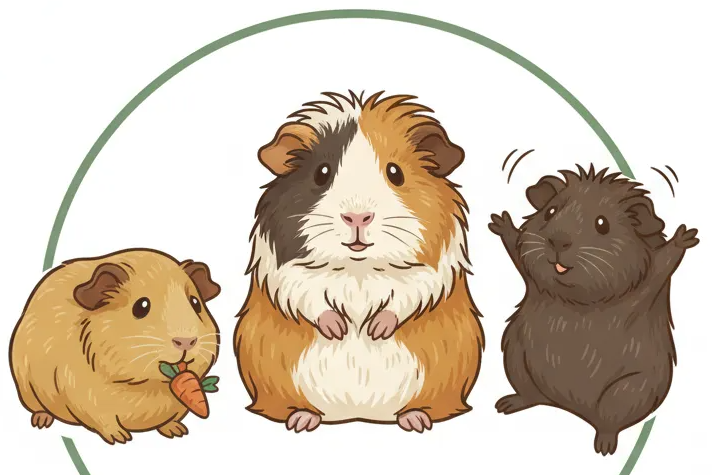
Having cared for guinea pigs like Pepper, Clover, and Biscuit for years, I’ve handled health scares and can share trustworthy insights.
Understanding Myxomatosis and Its Origins
Myxomatosis is a serious viral disease caused by the myxoma virus, which belongs to the poxvirus family. This virus specifically targets rabbits, causing severe swelling, fever, and often leading to fatal outcomes.
- Define myxomatosis as a viral disease caused by the myxoma virus, a poxvirus, primarily affecting rabbits.
- Explain the history and impact on rabbit populations, using simple analogies for clarity.
- Include a brief note on how it spreads in nature, focusing on vectors like insects.
Historically, myxomatosis was intentionally introduced in some regions, like Australia, to control overwhelming wild rabbit populations. Think of it like a key made for one specific lock; the virus fits perfectly into a rabbit’s biological system, causing devastating effects. This deliberate release led to a massive, rapid decline in rabbit numbers, reshaping entire ecosystems.
In nature, the disease spreads mainly through biting insects such as fleas and mosquitoes. These insects act like tiny, flying syringes, transferring the virus from an infected rabbit to a healthy one when they take a blood meal. Direct contact with infected rabbits or contaminated environments can also play a role in transmission.
Susceptibility of Guinea Pigs to Myxomatosis
You might wonder if this dangerous rabbit disease can jump to your beloved guinea pigs. Based on current scientific understanding and my years of caring for guinea pigs, they are considered highly resistant to myxomatosis.
- Address whether guinea pigs can contract myxomatosis, referencing scientific knowledge on cross-species transmission.
- Discuss host range and why guinea pigs might be less susceptible compared to rabbits.
- Mention any rare cases or research findings, emphasizing caution.
The myxoma virus has a very narrow host range, meaning it is exquisitely adapted to infect rabbits specifically. Guinea pigs lack the specific cellular receptors that the virus needs to latch onto and initiate an infection, making them a poor host for the disease. It’s like the virus speaks a language that only rabbit cells understand.
While the risk is exceptionally low, a handful of very old, isolated studies from the mid-20th century reported that under extreme laboratory conditions, guinea pigs could be experimentally infected. However, these cases are not representative of real-world scenarios and should not cause panic for pet owners. In addition, humans can occasionally transmit illnesses to guinea pigs through close contact, so if you’re sick, avoid handling them and wash your hands before and after touching your pet. I always recommend erring on the side of caution by preventing contact with wild rabbits and controlling insect populations in your home.
Transmission Routes and Risk Factors
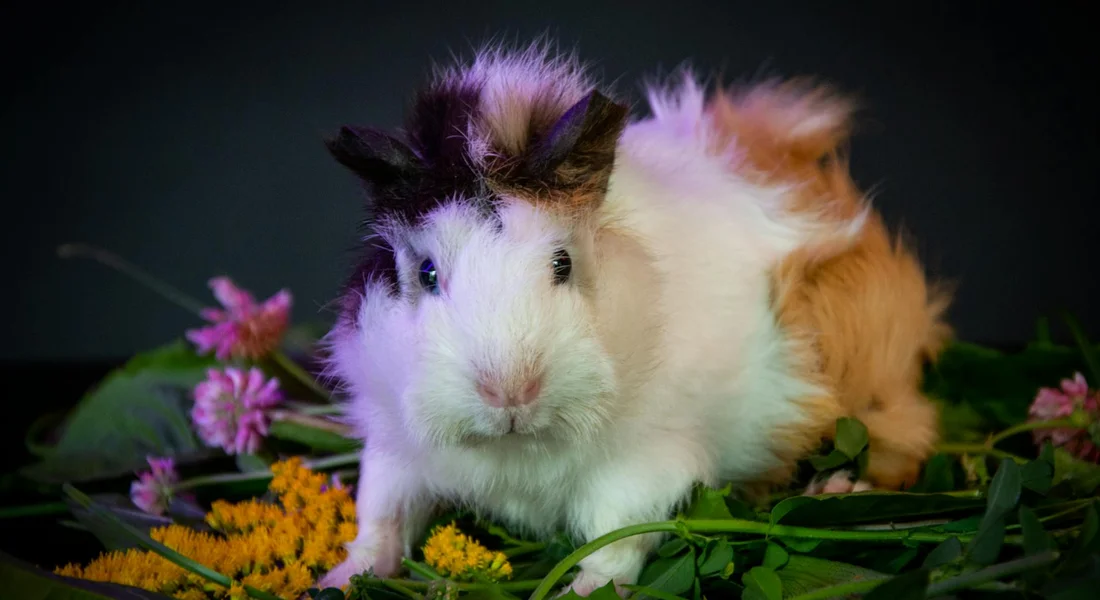
Myxomatosis spreads mainly through insect vectors like mosquitoes, fleas, and mites that carry the virus from infected rabbits. These tiny pests can hop from one animal to another, making even indoor pets vulnerable if bugs sneak in.
- Vectors such as mosquitoes and fleas are common carriers. I’ve seen how a single mosquito bite near Pepper’s cage made me rethink screen doors during summer months.
- Direct contact with sick rabbits or contaminated areas poses a real threat. Shared spaces or items like hay bins can harbor the virus, so always quarantine new additions.
- Outdoor housing or homes with multiple pets heighten risks. Keeping Clover and Biscuit indoors full-time has cut their exposure to wild animals and bugs dramatically.
Recognizing Symptoms and Clinical Signs
Though rare, guinea pigs might show vague signs if exposed. Early detection lets you act fast, much like when I noticed Biscuit’s subtle changes before a vet visit. To start, schedule your new guinea pig’s first veterinary check-up to establish a baseline. It will help you learn what’s normal and what to watch for as you settle in together.
- Swelling around eyes or body, often puffy and tender.
- Lethargy or unusual tiredness, like skipping playtime.
- Eye issues such as redness, discharge, or crustiness.
- Loss of appetite or weight drop, a clear red flag.
- Fever or shivering, indicating internal distress.
Monitor your pet daily for these clues. Catching symptoms early can turn a scary situation into a manageable one with proper care.
Prevention and Biosecurity Measures
Minimizing Exposure to Vectors and Infected Animals
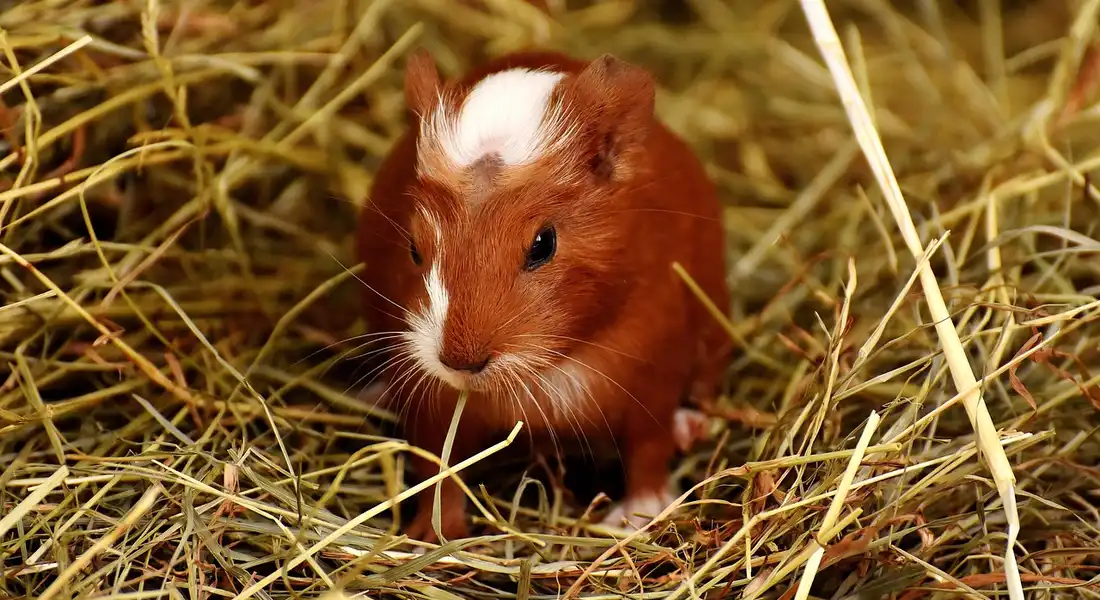
Protecting your guinea pigs starts with controlling their environment. Insect vectors like mosquitoes and fleas can transmit diseases, so managing them is your first line of defense. For natural pest control, focus on safe, pet-friendly methods like keeping the cage area clean and dry, sealing gaps, and using screens to deter insects. Avoid chemical sprays near the cage; opt for non-toxic, habitat-focused strategies to safeguard your pets while minimizing pests.
- Use veterinarian-approved, small animal-safe insect repellents in the room, but never directly on your guinea pigs.
- Maintain a clean habitat by removing soiled bedding and uneaten vegetables daily to avoid attracting pests.
- Install fine mesh screens on windows and doors if your guinea pigs live indoors to keep flying insects out.
You must also be mindful of other animals. Always prevent any contact between your guinea pigs and rabbits, whether they are wild or someone else’s pet. I learned this the hard way years ago when a friend’s rabbit visited and my guinea pigs, Pepper and Clover, became stressed and more susceptible to illness. Furthermore, any new guinea pig you bring home must be completely isolated for at least two weeks in a separate room with its own set of supplies. Proper isolation is a key step to properly care for guinea pigs and ensure their health.
Implementing Quarantine and Hygiene Practices
A strict routine is non-negotiable for keeping your herd healthy. Proper quarantine is the single most effective practice I’ve used to prevent introducing illness to my existing pets.
- Set up a quarantine space in a completely separate room, away from your other guinea pigs.
- Use dedicated food bowls, water bottles, and hideouts for the new or sick animal that are not shared with others.
- Always wash your hands thoroughly and even change your clothes after handling a quarantined guinea pig before interacting with your established pets.
Your regular cleaning habits form the backbone of good hygiene. A deep clean of the entire cage with a mild, pet-safe disinfectant once a week drastically reduces the risk of pathogen buildup. Wipe down food bowls and water bottles daily, and ensure the living area is well-ventilated and dry, as damp conditions can encourage the growth of harmful bacteria and fungi.
Veterinary Care and Diagnostic Approaches
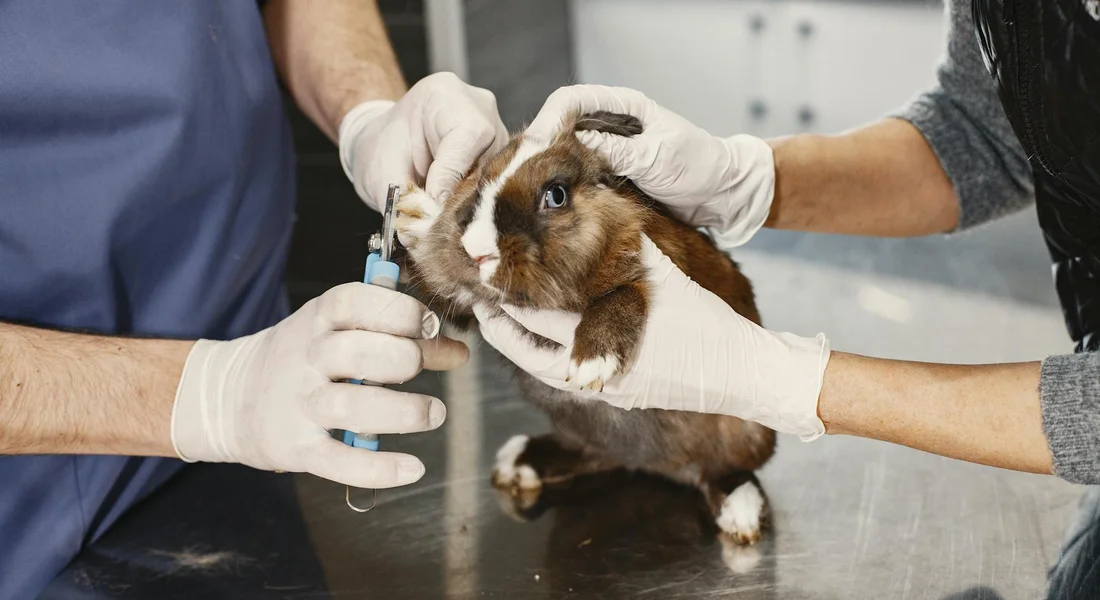
Knowing when to call a professional can save your pet’s life. You should contact an exotic animal veterinarian immediately if you notice sudden lethargy, loss of appetite, or any swelling around the eyes, face, or genitals. These are major red flags that something is seriously wrong.
- Lethargy and refusing favorite foods are often the first subtle signs of distress.
- Swelling or lumps on the body, especially on the head, are a critical symptom that needs urgent attention.
- Difficulty breathing or a runny nose and eyes also warrant an emergency vet visit.
A vet will perform a thorough physical examination. Diagnosis typically involves a physical exam and may include blood tests or a PCR test to confirm the presence of the myxoma virus. The vet will also perform a differential diagnosis, which means they will rule out other conditions that look similar, such as bacterial abscesses or other viral infections.
From my many vet visits with my trio, I find it helps to go prepared. Before your appointment, write down a timeline of symptoms, any changes in behavior, and a list of questions you have. This helps you stay calm and ensures you don’t forget to mention anything important to the vet, leading to a more accurate and efficient diagnosis for your worried pet.
Treatment Options and Prognosis Insights
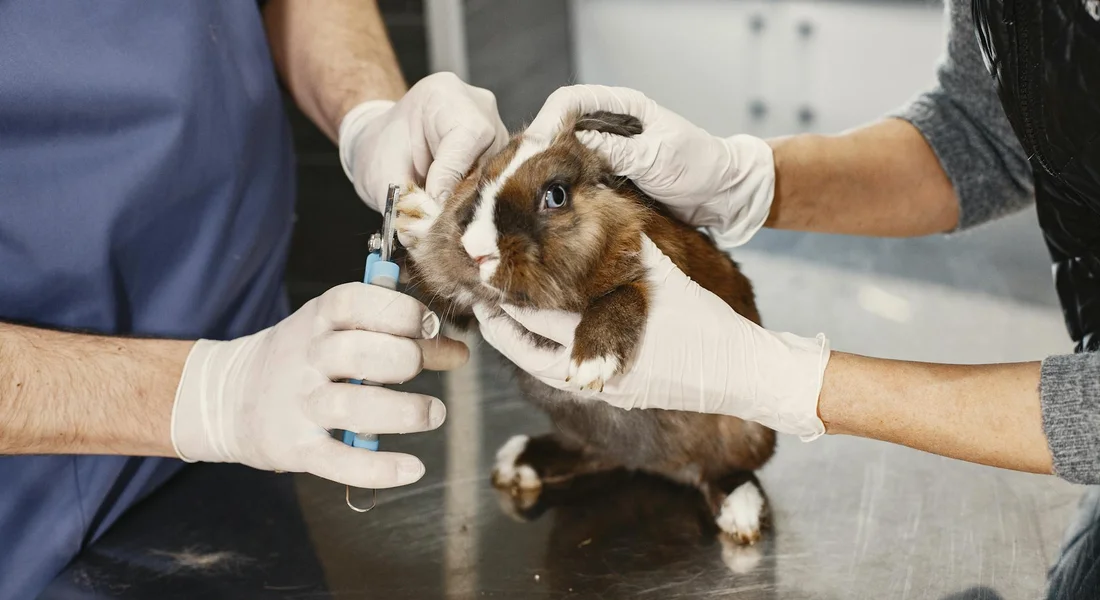
When myxomatosis strikes, the immediate focus shifts to supportive care. There is no direct antiviral medication for this disease, so treatment revolves around keeping your guinea pig comfortable and their body strong enough to fight the virus. This is a battle fought with hydration, nutrition, and vigilant monitoring.
Potential Treatments and Supportive Care
Your veterinarian will create a care plan tailored to your pet’s specific symptoms. I’ve had to provide this intensive care before, and it requires a gentle, patient hand.
- Fluid Therapy: Dehydration is a major risk. Your vet may administer fluids subcutaneously (under the skin) to maintain hydration.
- Appetite Support: If your guinea pig stops eating, you may need to syringe-feed a critical care formula. I’ve spent many evenings patiently feeding Pepper this way to keep his strength up.
- Pain Management: The swelling and lesions are painful. Your vet can prescribe safe pain relief to make your pet more comfortable.
- Antibiotics: These don’t fight the virus itself but are crucial for preventing secondary bacterial infections in the swollen eyes and respiratory tract.
- Eye Lubricants and Cleaning: Keeping the eyes clean from discharge is vital to prevent further irritation and infection.
Factors Influencing Prognosis and Recovery
The outcome of a myxomatosis infection is never certain and depends heavily on several key factors. The overall prognosis is often guarded, but a strong immune system and early intervention are your guinea pig’s best allies.
- Immune System Strength: A younger, otherwise healthy guinea pig like Biscuit has a better fighting chance than an elderly or already ill one.
- Speed of Diagnosis: The sooner you recognize the symptoms and seek veterinary help, the sooner supportive care can begin.
- Strain Virulence: Some strains of the myxoma virus are more severe than others, which directly impacts the disease’s progression.
- Quality of Nursing Care: Your dedication at home with feeding, cleaning, and administering medications plays a huge role in their comfort and potential for recovery.
Guinea pigs that do recover can sometimes face long-term health issues, such as chronic respiratory problems or lasting damage to the eyes and skin. Eye health is a common concern in guinea pigs, and infections, injuries, or cataracts can affect vision and, in some cases, lead to blindness.
The Vaccination Question: Rabbits vs. Guinea Pigs
Many owners, knowing that rabbits can be vaccinated against myxomatosis, wonder if the same option exists for their guinea pigs. Unfortunately, the myxomatosis vaccine is specifically developed for and only licensed for use in rabbits; it is not safe or approved for guinea pigs nor does it protect against any diseases they might carry.
Their bodies react differently to medications and biologics. Administering a rabbit vaccine to a guinea pig could cause a severe adverse reaction and would not provide any reliable protection. This makes prevention through strict environmental control your most powerful tool. Guinea pigs need vaccination shots. Generally, they do not require routine vaccines, and any vaccination should be discussed with a veterinarian based on disease risk.
FAQs
Are guinea pigs at high risk for myxomatosis?
Guinea pigs are not highly susceptible to myxomatosis due to biological differences from rabbits. The risk remains very low under normal conditions, so focus on general health instead of undue worry. During health checks, handle your guinea pig gently—support both the chest and hindquarters and keep the animal close to your body. Use a calm, quiet environment to help reduce stress while you inspect fur, skin, teeth, and nails.
How can I protect my guinea pig from myxomatosis?
Use fine mesh screens and insect control to minimize exposure to disease-carrying vectors like mosquitoes. Avoid contact with rabbits and practice strict quarantine for new pets to prevent potential transmission.
What is the prognosis if a guinea pig contracts myxomatosis?
The prognosis is often guarded, as there is no direct cure and recovery depends on supportive care. Early veterinary help and diligent nursing can improve comfort and outcomes in rare cases.
Your Guinea Pig’s Health Path
Guinea pigs cannot get myxomatosis, as this disease only affects rabbits, but staying vigilant about their overall health is key. Focus on a balanced diet and clean habitat to prevent common issues, which I’ve seen keep my guinea pigs like Pepper thriving.
Always seek reliable sources and stay curious about eco-friendly care, like using biodegradable bedding to reduce waste. Responsible ownership means learning continuously and advocating for animal welfare in every choice you make.
Further Reading & Sources
- Are Guinea pigs prone to myxomatosis | The Guinea Pig Forum
- myxomatosis? | The Guinea Pig Forum
- Myxomatosis – BUNS
- Mixomatosis | The Guinea Pig Forum
Kate is a passionate guinea pig owner and advocate for small pet welfare. With over a decade of experience caring for guinea pigs, she has become a trusted voice in the small pet community.
Uncategorized