Diseases Guinea Pigs Can Carry and Transmit to Humans
Published on: February 21, 2026 | Last Updated: February 21, 2026
Written By: Kate M. Callahan
Hello CavyFam! If you’re like me, you adore your guinea pigs but sometimes worry about the health risks they might pose.
It’s a common fear among pet owners, especially when it comes to diseases that could be passed to your family.
In this guide, I’ll walk you through common zoonotic diseases, how transmission occurs, symptoms to watch for, and simple prevention strategies. With years of hands-on experience caring for my own guinea pigs like Pepper, Clover, and Biscuit, I’ll share practical advice to keep everyone healthy and happy.
Understanding Zoonotic Diseases from Guinea Pigs
Zoonotic diseases are illnesses that animals can pass to humans, much like how a shared toy might spread germs in a classroom. As a guinea pig owner for years, I’ve found that knowing about these risks makes pet care safer and more enjoyable for everyone. Common zoonotic diseases linked to guinea pigs include Salmonella and Ringworm, but with good habits, you can easily manage these concerns.
- Salmonella: A bacterial infection causing stomach issues.
- Ringworm: A fungal infection leading to skin rashes.
- Lymphocytic choriomeningitis: A viral disease, though very rare.
Risks are low if you practice basic care. In my time with Pepper, Clover, and Biscuit, I’ve never faced a zoonotic issue because I prioritize cleanliness and regular check-ups.
What Is a Zoonotic Disease?
A zoonotic disease jumps from animals to people through direct contact or contaminated environments. For guinea pigs, this could happen when you handle them or clean their cage without washing up afterward. Understanding key terms helps you stay informed and proactive.
- Zoonosis: The scientific name for diseases that cross species barriers.
- Transmission: How germs spread, like through feces, saliva, or shared surfaces.
I always explain this to new owners to ease worries. Simple actions, like washing hands, create a strong defense against potential illnesses.
Common Zoonoses Linked to Guinea Pigs
Guinea pigs can carry specific diseases, but not every pet is a carrier. Based on my experience, most guinea pigs are healthy, and issues arise only if hygiene is overlooked. Here are a few zoonoses to be aware of, with brief descriptions.
- Salmonella enterica: Causes gastrointestinal symptoms like diarrhea in humans.
- Dermatophytosis: Known as ringworm, it results in itchy, circular skin patches.
- Campylobacter: Leads to gut-related illnesses, similar to Salmonella.
With pets like Biscuit, who’s reserved but intelligent, I focus on prevention. Regular vet visits and clean habitats keep these risks minimal and support animal welfare.
Bacterial Infections You Might Encounter
Bacterial zoonoses, such as Salmonellosis and Campylobacter jejuni, are among the most common issues guinea pig owners might face. These infections often stem from contact with contaminated feces or surfaces, but they’re preventable with consistent habits. To reduce your risk, follow these steps that I use daily with my guinea pigs.
- Wash your hands with soap and water for at least 20 seconds after handling your pets or cleaning their cage.
- Clean and disinfect the cage weekly to remove bacteria buildup.
- Avoid letting guinea pigs roam in kitchen areas to prevent cross-contamination.
I’ve seen how these practices protect both me and my pets. Good hygiene not only lowers infection chances but also promotes a happier, healthier life for your guinea pigs. To keep them clean, you can safely clean your guinea pig’s ears and nose—gently wipe around the outside with a soft, damp cloth, never inserting anything into the ear canal. If you notice irritation or discharge, consult a veterinarian.
Salmonella and Gut-Related Illnesses
Salmonella is a bacteria that can cause gut-related problems in humans, with symptoms like diarrhea, fever, and abdominal cramps. It typically spreads through contact with infected guinea pig feces or contaminated bedding, so prompt action is key if you notice any signs. Watch for these indicators in yourself or your pet, and always seek veterinary care if your guinea pig seems unwell.
- Diarrhea that lasts more than a day.
- Fever or chills that come on suddenly.
- Vomiting or loss of appetite.
When Clover showed slight lethargy once, a quick vet visit ruled out serious issues. Early intervention helps prevent spread and ensures your pet’s comfort and safety.
Respiratory and Other Bacterial Threats
Infections like Bordetella bronchiseptica can lead to respiratory problems in both guinea pigs and humans, potentially causing pneumonia in vulnerable individuals. Leptospira is another bacterial threat, though it’s less common and often linked to urine contamination. To stay safe, incorporate these tips into your routine, especially if you or your pet have health concerns.
- Avoid close contact like kissing or sharing food if you’re feeling sick.
- Wear gloves during cage cleaning to minimize direct exposure to bacteria.
- Ensure good ventilation in your pet’s area to reduce respiratory irritants.
With gentle Pepper in my care, I always monitor for sneezing or coughing. Proactive measures help maintain a bond built on trust and well-being for all.
Leptospirosis and Its Risks
Leptospirosis spreads through contact with infected urine and can cause flu-like symptoms in humans, such as fever and muscle aches. While this disease is rare in guinea pigs, it’s worth noting for comprehensive pet care, as prevention is straightforward. Focus on hygiene to minimize any risk, and remember that most guinea pigs never encounter this bacteria.
I keep Biscuit’s environment spotless to avoid such issues. Regular cleaning and handwashing are simple yet effective ways to protect your family and advocate for your pet’s health.
Fungal and Skin Conditions to Watch For
Guinea pigs can sometimes carry fungal infections that may pass to humans, so staying alert helps keep everyone safe. Early detection and proper care can prevent these issues from escalating, ensuring your pet stays healthy and happy.
- Look for circular, scaly patches or hair loss on your guinea pig’s skin, which often signal ringworm.
- Consult a veterinarian for a proper diagnosis, as they might use a UV light or skin scraping test.
- Treat with antifungal medications prescribed by your vet, and wash your hands thoroughly after handling.
- Seek medical help if you develop itchy, red rings on your own skin, as human treatment may be needed.
Ringworm and Dermatophytosis
Ringworm, caused by fungi like Microsporum canis, shows up as red, circular rashes on humans and bald spots on guinea pigs. I once noticed a small, flaky area on Pepper’s back and acted fast, which stopped it from spreading to my family.
- Groom your guinea pig weekly to spot changes early and remove loose fur.
- Isolate affected pets in a separate, clean cage to prevent cross-contamination.
- Wash bedding and toys in hot water to kill fungal spores effectively.
Conjunctivitis and Eye Infections
Conjunctivitis, often linked to Chlamydia caviae, causes redness and discharge in both guinea pigs and people. Keeping eyes clean reduces the risk of this uncomfortable infection spreading between you and your pet.
- Avoid touching your face after handling your guinea pig until you wash your hands.
- Clean cage surfaces regularly with pet-safe disinfectants to minimize bacteria.
- Schedule vet check-ups if you see crusty or watery eyes in your guinea pig.
How Transmission Occurs Between Guinea Pigs and Humans
Diseases can move from guinea pigs to people through simple daily interactions, but awareness makes a big difference. Understanding these routes helps you take proactive steps to protect your household and your furry friends.
- Handling pets: Always wash hands after cuddling to remove potential germs.
- Cleaning cages: Wear gloves to avoid contact with contaminated bedding or waste.
- Sharing spaces: Keep guinea pig areas separate from food prep zones to lower risks.
Direct Contact and Bites
Scratches or bites from guinea pigs can introduce bacteria into your skin, leading to infections. When Clover nibbled my finger playfully, I learned that even minor breaks in skin need attention to avoid complications.
- Clean the area immediately with soap and warm water to flush out bacteria.
- Apply an antiseptic cream and cover with a bandage to prevent dirt entry.
- Monitor for swelling or redness, and see a doctor if signs of infection appear.
Indirect Transmission via Environment
Germs can linger on hay, bedding, or fleas, spreading illnesses without direct touch. Using eco-friendly cleaning methods not only safeguards your health but also supports a kinder environment for your pets.
- Replace hay and bedding weekly, opting for organic, dust-free options to reduce irritants.
- Clean cages with vinegar and water solutions, which are gentle yet effective against pathogens.
- Check for fleas regularly and use natural repellents like diatomaceous earth if needed.
Recognizing Symptoms in Humans
If you spend time with guinea pigs, watch for signs that something might be off in your own health. Many zoonotic infections start with subtle changes that are easy to miss if you are not paying close attention.
- Skin rashes or redness that feels itchy or looks unusual
- Respiratory troubles like persistent coughing, sneezing, or shortness of breath
- Fever, fatigue, or general body aches that do not have another clear cause
- Digestive upset such as nausea or diarrhea after handling your pet
Contact a doctor if symptoms linger more than a day or two, especially if they worsen, to rule out any serious issues and ease your worries.
Skin and Respiratory Indicators
Skin lesions from ringworm often appear as circular, scaly patches, while respiratory signs can stem from allergens or infections like lymphocytic choriomeningitis. In my experience with Biscuit, who had a brief skin irritation, I noticed a mild rash on my arm that faded with simple care.
- Check for new rashes or coughs after cuddle sessions with your guinea pig
- Monitor any breathing changes or skin redness that develops over hours
- Keep a small journal to track symptoms and when they started
Most human cases are mild and resolve on their own, so don’t panic-just stay observant and proactive.
Practical Prevention Strategies for Safe Pet Ownership
Preventing disease transmission lets you enjoy your guinea pigs without fear. Even humans can unknowingly pass germs to sensitive pets, so practice good hygiene and avoid direct contact when you’re sick. Being mindful of sick days and washing hands helps protect them. Simple habits build a safe environment where both you and your pets thrive together.
- Wash your hands thoroughly with soap and water after every interaction
- Schedule regular veterinary check-ups for your guinea pigs to catch issues early
- Quarantine new pets like I did with Pepper for two weeks before introducing them to others
- Clean cages and supplies weekly to reduce germ buildup
- Avoid kissing your guinea pigs or letting them near your face
These steps are not just about safety-they make pet ownership joyful and stress-free for everyone involved.
Hygiene and Infection Control
Good hygiene starts with proper handwashing and extends to your pet’s living space. I use a gentle, unscented soap and scrub for at least 20 seconds to remove any potential germs from handling Clover or Biscuit.
- Wash hands before and after feeding or cleaning the cage
- Use pet-safe disinfectants for cage surfaces to avoid harsh chemicals
- Change bedding frequently to keep odors and bacteria low
- Wear gloves during deep cleans if you have sensitive skin
Daily routines like these are easy to adopt and go a long way in protecting your health and your guinea pig’s well-being. For weekly care, many owners follow a weekly guinea pig care checklist to cover grooming, cage cleaning, and health checks. Keeping to that routine helps ensure your guinea pig stays happy and healthy all week.
Veterinary Care and Monitoring
Routine vet visits are your best defense against hidden health problems. I always bring up zoonotic risks with my vet during annual exams for Pepper and the others, which helps us stay ahead of any concerns.
- Discuss any changes in your guinea pig’s behavior or appetite
- Ask about tests for common infections that could affect humans
- Request guidance on diet and habitat to boost overall immunity
- Share your own health observations to tailor care plans
Early detection through vet care ensures your furry friends stay happy and reduces the chance of spreading illnesses to your family.
Special Considerations for Vulnerable Groups
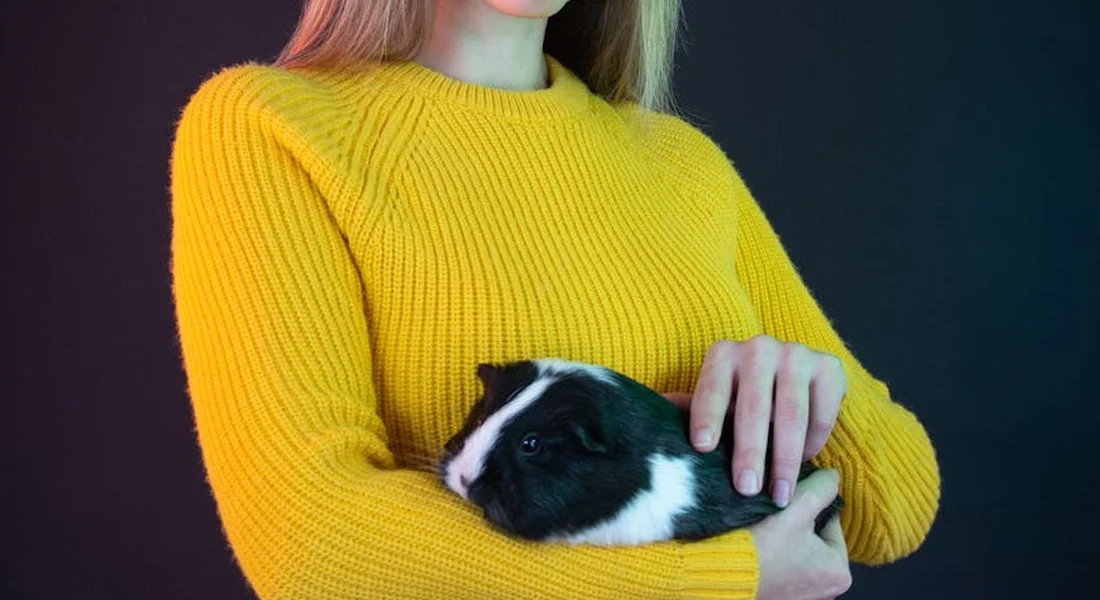
If you or someone in your home is very young, elderly, or has a weakened immune system, extra care around guinea pigs is wise. Their developing or compromised immune systems make them more vulnerable to infections that guinea pigs might carry. To properly care for guinea pigs, you’ll keep their enclosure clean and well-ventilated. You’ll also provide fresh hay, a balanced diet, and gentle handling. From my years caring for Pepper, Clover, and Biscuit, I’ve seen how simple habits keep everyone safe and happy. Guinea pigs absolutely can be wonderful family pets—you just need a bit of mindful management.
- Wash hands thoroughly with soap after every interaction, before eating, and after cleaning cages.
- Avoid letting guinea pigs roam on surfaces where food is prepared or eaten.
- Keep cages clean and dry to reduce bacteria and fungi buildup.
- Ensure immunocompromised individuals wear gloves during cage cleaning or handling if recommended by a doctor.
- Schedule regular vet check-ups for your guinea pigs to catch any health issues early.
With these steps, your guinea pig can be a joyful part of the family without undue worry. I’ve always made hygiene a fun routine with my pets, turning handwashing into a game for kids. A complete guinea pig hygiene cleaning routine should include brushing, nail care, and regular cage cleaning. These simple tasks fit naturally into daily care, keeping your pig clean and comfortable.
Protecting Children and Elderly
Kids and older adults often adore guinea pigs for their gentle nature, but they need guidance to stay safe. Supervised interaction and clear hygiene rules are your best tools for prevention. I’ve taught many young friends how to pet Clover gently without stressing her, and it’s amazing how quickly they learn. Awareness and simple habits cut down risks dramatically, letting everyone enjoy these furry companions. Before you bring your first guinea pig home, consider whether you can commit to a long-term care routine. They need daily attention, a suitable space, and regular social interaction to stay happy.
- Always watch children and elderly family members when they’re near guinea pigs to prevent rough handling or accidental bites.
- Teach kids to wash their hands with soap for at least 20 seconds after touching the guinea pig or its habitat.
- Explain why they should avoid touching their face or mouth during play to reduce germ spread.
- Show how to hold guinea pigs properly-supporting their whole body-to keep them calm and prevent scratches.
- Involve them in safe tasks, like filling food bowls, to build responsibility without direct contact risks.
By making safety a normal part of pet care, you empower your family to love guinea pigs responsibly. I’ve found that even my reserved Biscuit warms up to gentle, supervised visits from all ages. For health checks, practice safe handling by supporting the chest with one hand and the hindquarters with the other, keeping movements slow and calm. These careful holds help your vet or caregiver examine your pig without stress.
FAQs
How can I tell if my guinea pig is carrying a zoonotic disease?
Watch for unusual signs in your pet, such as changes in behavior, appetite, or skin condition like hair loss or rashes. Regular vet check-ups can help detect hidden issues early and ensure your guinea pig stays healthy. For a new guinea pig, plan their first veterinary check-up within the first week or two of bringing them home. The vet can perform a full health assessment, check teeth and digestion, and guide you on ongoing care and husbandry.
Are there vaccines available for guinea pigs to prevent diseases transmissible to humans?
No, there are no commonly available vaccines for guinea pigs specifically targeting zoonotic diseases like Salmonella or ringworm. Focus on preventive care, including good hygiene and routine veterinary visits, to minimize risks effectively. Regarding vaccination shots, guinea pigs generally do not require routine vaccines. If you’re wondering about specifics, you can read more about the topic in our article on Do guinea pigs need vaccines. If a vaccine is ever considered, it’s a rare exception based on risk and veterinary guidance.
What should I do immediately if I develop symptoms after interacting with my guinea pig?
Wash any exposed skin thoroughly and monitor your symptoms, such as fever or rash, for any worsening. Contact a healthcare provider promptly if issues persist, and inform them about your recent contact with pets for accurate diagnosis.
Wrapping Up: A Healthy Home for You and Your Guinea Pigs
From my years with Pepper, Clover, and Biscuit, I’ve found that simple habits like washing hands after handling and keeping their habitat clean drastically cut disease risks. Staying alert to changes in your guinea pig’s behavior or appetite helps you catch health issues before they escalate.
Responsible pet ownership means always learning better ways to care for your furry friends while minimizing environmental impact. Choosing eco-friendly supplies and sharing knowledge with other owners builds a safer, greener community for all pets.
Further Reading & Sources
- Disease Problems of Guinea Pigs – PMC
- The Guinea Pig as a Model of Infectious Diseases – PMC
- Disorders and Diseases of Guinea Pigs – All Other Pets – Merck Veterinary Manual
- Biology and Diseases of Guinea Pigs – PMC
Kate is a passionate guinea pig owner and advocate for small pet welfare. With over a decade of experience caring for guinea pigs, she has become a trusted voice in the small pet community.
Uncategorized