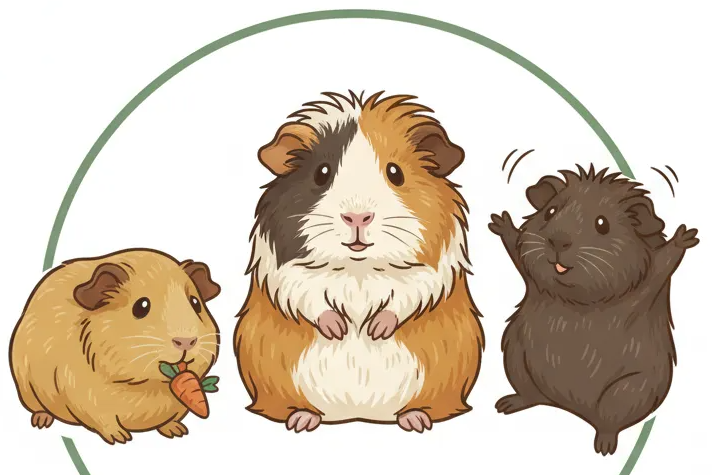
Common Hay-Related Health Problems in Guinea Pigs and How to Avoid Them
Hello CavyFam! You want the best for your furry friend, and that starts with their diet. But did you know the wrong hay can secretly harm your guinea pig?
In this guide, I will help you navigate identifying bad hay, recognizing health symptoms, choosing the right hay, and proper storage techniques.
I’ve learned this through caring for my own guinea pigs-Pepper, Clover, and Biscuit-ensuring their health and happiness for years.
Understanding Hay-Related Respiratory Issues
Dusty hay or mold exposure can trigger serious respiratory problems in guinea pigs. I learned this firsthand when my guinea pig Clover started sneezing after I introduced a dusty batch of hay into her habitat. Tiny particles irritate their delicate lungs, leading to inflammation and potential infections like pneumonia.
- Frequent sneezing or nasal discharge
- Wheezing or rattling sounds during breathing
- Labored breathing with visible effort
Shake out hay thoroughly before placing it in the cage to remove excess dust. This simple habit drastically reduces airborne irritants that can harm your pet’s respiratory system. I always do this for Biscuit, and it has made a noticeable difference in her comfort.
Store hay in a cool, dry area to prevent mold growth. Moisture encourages fungal spores that release harmful toxins when inhaled. I keep Pepper’s hay in a breathable container away from dampness, ensuring it stays fresh and safe.
Navigating Gastrointestinal Problems from Hay
Insufficient fiber or poor-quality hay often causes gastrointestinal stasis, bloat, or blockages in guinea pigs. Their digestive systems rely on constant fiber intake to maintain proper motility and prevent food from stagnating. Without enough roughage, the gut can slow down, leading to painful and dangerous conditions.
High-fiber hay, such as timothy or orchard grass, is vital for keeping the digestive tract active. Fiber acts like a natural broom, sweeping food through the intestines and supporting healthy gut bacteria. From caring for my trio, I’ve seen how unlimited access to quality hay prevents issues like bloating in sensitive pigs like Biscuit.
- Reduced appetite or sudden refusal to eat
- Unusual droppings, like small, dry, or misshapen pellets
- Lethargy, hunched posture, or signs of abdominal pain
Ensure fresh hay is available around the clock. Replace old hay daily to maintain its nutritional value and appeal. I check Clover’s hay rack every morning to make sure she always has a clean, enticing supply to nibble on.
Addressing Dental Health Concerns
Your guinea pig’s teeth never stop growing, and hay is the single most important tool for keeping them in check. Without the constant, abrasive action of chewing long-strand hay, their teeth can develop painful malocclusion, where they become overgrown and misaligned. I learned this firsthand when my gentle guinea pig, Pepper, started dropping food-a classic sign something was wrong with his bite.
Guinea pigs require that high-fiber hay to literally grind their teeth down every single day. Think of hay as the natural, necessary file that maintains the perfect length and shape of their constantly erupting molars and incisors. It’s non-negotiable for their comfort and ability to eat. That’s why hay is the foundation of a guinea pig’s diet. It provides the bulk fiber needed for digestion and helps maintain a healthy weight.
Watch closely for these symptoms that may indicate a dental issue is developing:
- Difficulty picking up or chewing food, often dropping pellets
- Noticeable weight loss, even if they seem interested in eating
- Excessive drooling or a wet chin and chest area
- A sudden preference for softer foods over crunchy vegetables
- Reduced number or size of fecal pellets
Prevention is always simpler than treatment. For adult guinea pigs, providing an unlimited supply of high-quality Timothy hay is your best defense against costly and stressful dental procedures. Make sure the hay is fresh, fragrant, and always available in a rack that encourages them to pull and chew naturally.
Choosing the Right Hay for Dental Health
Not all hay is created equal when it comes to maintaining those crucial chompers. The two most common types, Timothy and Alfalfa, serve very different purposes.
- Timothy Hay: This is the gold standard for adult guinea pigs. It’s high in the long, coarse fiber needed for optimal dental wear and lower in calcium and calories, making it perfect for lifelong maintenance.
- Alfalfa Hay: This legume hay is richer, higher in protein and calcium, and should be considered a supplement. It’s ideal for growing youngsters, pregnant mothers, or underweight pigs, but its softer stems provide less effective dental abrasion for healthy adults.
You can actively monitor your pet’s chewing to ensure their hay is working for them.
- Observe them daily. Are they spending long periods pulling and chewing hay from the rack?
- Listen for the sound of consistent, rhythmic chewing, especially in the evening.
- Check that the hay you provide is being consumed and not just used as bedding.
- If you notice a decrease in chewing, try a different cut of Timothy hay, like a coarser second cut, to see if it encourages more activity.
Managing Urinary Tract and Bladder Issues
The same hay that keeps teeth healthy can sometimes pose a risk to your guinea pig’s urinary system. Certain hays, particularly Alfalfa, are high in calcium, and when a guinea pig’s body can’t process the excess, it can crystallize into painful bladder stones or sludge. My thoughtful girl, Clover, had a scare with this, and switching her hay was a game-changer. Wondering when alfalfa hay is appropriate for a guinea pig? Our complete guide on guinea pigs eating alfalfa hay explains calcium considerations, recommended use, and safety tips to prevent urinary problems.
Several factors can increase a guinea pig’s susceptibility to these issues.
- A diet consistently high in calcium-rich Alfalfa hay or pellets
- Limited water intake, which concentrates minerals in the urine
- Genetic predisposition, as some pigs simply metabolize calcium less efficiently
- A sedentary lifestyle, which can slow down the entire urinary system
Be vigilant for these warning signs of urinary distress:
- Straining or crying out when urinating
- Blood in the urine (hematuria)
- Frequent, small attempts to urinate
- A hunched posture or general signs of pain and lethargy
For adult guinea pigs, the goal is to select low-calcium hay options. Stick with grass hays like Timothy, Orchard Grass, or Meadow Hay as the staple, as they provide the necessary fiber without the calcium overload of legume hays. Always ensure fresh, clean water is available to help their bodies flush out minerals.
Balancing hay types is key to long-term urinary health. I reserve Alfalfa hay as an occasional, small handful treat for my adult pigs, relying on Timothy hay to form the bulk of their diet and do the heavy lifting for both dental and urinary health. This simple adjustment provides all the benefits without the associated risks.
Preventing Health Problems with Proper Hay Management
Your guinea pig’s health truly starts with the hay you choose and how you manage it. I’ve learned through trial and error with my own herd that consistent, high-quality hay is the single most important factor in preventing common illnesses. Proper care of guinea pigs also means clean housing and fresh water daily. Regular vet checks help catch issues early.
Evaluating Hay Quality
You must become a hay detective. Look for hay that is green and smells sweet, like fresh-cut grass. Good hay should spring back slightly when you squeeze a handful, showing it retained its natural moisture and nutrients.
- Check the color. Avoid hay that is yellow, brown, or looks bleached.
- Take a big sniff. It should smell pleasant and earthy, never musty or sour.
- Feel for dust. Shake a flake over a dark surface; minimal dust means safer lungs.
- Search for contaminants. Look closely for any signs of mold, insects, or foreign objects.
Using Hay Feeders Effectively
A good hay feeder does more than just hold food. I found that using a rack or ball feeder for my guinea pigs, especially for Biscuit who is more reserved, encourages them to forage naturally, which reduces stress and boredom. This mimics their wild behavior and keeps their minds active. It also dramatically cuts down on waste, as they are less likely to soil the hay they are actively pulling.
Daily Health Monitoring
Make a quick daily check part of your routine. Watching your guinea pigs eat is one of the simplest and most effective ways to catch health issues early. When choosing a guinea pig, do a quick health-check look—check their eyes, nose, coat, and energy level to gauge overall health. Healthy, alert animals are usually easier to care for.
- Monitor their appetite. Are they all eagerly approaching the hay?
- Listen for consistent chewing sounds, a sign of healthy dental activity.
- Check their water bottle levels to ensure they are drinking enough to process all that fiber.
- Observe their droppings. They should be plentiful, firm, and oval-shaped.
Steps for Safe Hay Storage
How you store hay is just as important as the hay you buy. Proper storage protects your investment and, more importantly, protects your pets from invisible dangers like mold spores.
- Use breathable containers like canvas bags or woven baskets. I avoid plastic bins which can trap moisture.
- Store hay in a cool, dry, and dark place like a closet or pantry, away from direct sunlight.
- Elevate the container off the floor to improve air circulation and prevent dampness.
- Never store hay in a garage or shed where temperature fluctuations and car fumes are common.
Pre-Feeding Hay Inspection Checklist
Before any hay goes into the cage, give it this quick once-over.
- Look: Is it still green? Any visible white or black fuzzy spots?
- Smell: Does it still have that sweet, grassy aroma?
- Feel: Is it dry and crinkly, or does it feel damp or warm?
- Shake: Is there a cloud of dust or fine particles when you fluff it?
Recognizing Early Signs and Taking Action
Guinea pigs are masters at hiding illness, so you need to be a keen observer. Noticing a small change in behavior today can prevent a major health crisis tomorrow. This ties into the fact-fiction topic of Guinea Pig Health and Illnesses, helping you separate myth from medical fact.
Common Symptoms Quick Reference
- Respiratory: Sneezing, wheezing, crusty eyes or nose, labored breathing.
- Gastrointestinal (GI): Small, misshapen, or no droppings. Loss of appetite, a bloated or painful belly.
- Dental: Drooling, difficulty eating, weight loss, overgrown front teeth.
- Urinary: Squeaking while urinating, blood in urine, straining to pee.
Initial Home Care Steps
If you spot a potential problem, your first actions are critical. The moment I suspect one of my guinea pigs is unwell, my first priority is to isolate them in a quiet, comfortable hospital cage with ample fresh hay and water. I follow a complete checklist for sick guinea pigs. This helps me address common issues at home and know when to seek veterinary care.
- Gently move the affected guinea pig to a separate, clean enclosure.
- Offer their absolute favorite, freshest hay to encourage eating.
- Provide a source of vitamin C, like a small piece of bell pepper.
- Ensure they are in a warm, draft-free area to reduce stress.
When to Seek Veterinary Care
Some symptoms are a clear signal to call your vet immediately. Guinea pigs can deteriorate rapidly, so never hesitate to seek professional help for severe symptoms. If you suspect respiratory distress, refer to a respiratory distress emergency symptoms checklist to act quickly and accurately. Knowing the checklist in advance can save precious minutes.
- Contact your vet the same day for: Not eating for more than 6-8 hours, no droppings, loud breathing, or obvious pain.
- Seek emergency care for: Seizures, extreme lethargy (unresponsive), bleeding, or signs of paralysis.
Tracking Health and Hay Adjustments
Keep a simple log of your guinea pig’s health, especially after changing hay types or brands. I keep a small notebook where I jot down things like “Switched to new Timothy hay batch. Pepper’s sneezing reduced.” This helps me connect the dots. Note their energy levels, the quality and quantity of droppings, and any changes in eating habits for a week after any dietary shift. This record is invaluable for you and your veterinarian.
FAQs
How much hay should I feed my guinea pig each day?
Guinea pigs need unlimited access to fresh hay daily to support their digestive and dental health. Always refill their hay rack to ensure they can graze continuously. Meeting the daily hay requirement for a guinea pig is essential for digestion and dental health. Keep an eye on their hay intake to ensure they meet daily needs.
Can I mix different types of hay for my guinea pig?
Yes, mixing hays like Timothy and Orchard Grass can provide variety and balanced nutrition. Avoid overusing high-calcium Alfalfa hay to prevent urinary issues in adult pigs.
What should I do if my guinea pig stops eating hay?
Immediately consult a veterinarian, as this can signal serious health problems like dental pain or GI stasis. Offer fresh, appealing hay and monitor for other symptoms like lethargy.
How do I transition my guinea pig to a new type of hay?
Gradually mix the new hay with the old over 5-7 days to avoid digestive upset. Watch for changes in appetite or droppings to ensure a smooth adjustment.
Is it safe to use hay as bedding in the cage?
Using hay as bedding is not recommended, as it can lead to waste and contamination from urine. Provide hay in a feeder to keep it clean and encourage natural foraging behavior.
My Final Thoughts on Hay and Guinea Pig Health
From caring for Pepper, Clover, and Biscuit, I always ensure they get fresh, high-quality hay to prevent dental and digestive troubles. Regularly inspecting hay for mold and offering a variety like timothy or orchard grass keeps their systems running smoothly and wards off common ailments.
Committing to ongoing education about guinea pig care helps you adapt to their evolving needs and strengthens your bond. Choosing sustainably sourced hay not only benefits your pets but also supports eco-friendly practices that protect our planet for all animals. Many owners wonder which is better for guinea pigs: grass or hay? In practice, hay should be the main daily staple to support digestion and dental health, with fresh grass offered in moderation as a supplement.
Further Reading & Sources
- Best Hays for Guinea Pigs – Nutritional Breakdown Comparison – The Little Hay Company
- 3 Key Questions About Guinea Pigs and Hay
- A Comprehensive Hay Guide for Guinea Pigs (incl. providers in several countries) | The Guinea Pig Forum
- The Best Types of Guinea Pig Hay | GuineaDad
Kate is a passionate guinea pig owner and advocate for small pet welfare. With over a decade of experience caring for guinea pigs, she has become a trusted voice in the small pet community.
Uncategorized