Guinea Pig Quarantine Guide: Introducing New Pets Safely
Published on: December 26, 2025 | Last Updated: December 26, 2025
Written By: Kate M. Callahan
Hello CavyFam! Bringing home a new guinea pig is exciting, but you might be worried about keeping your current pets safe from hidden illnesses. That nervous feeling is completely normal, and a proper quarantine plan is your best tool for a smooth transition.
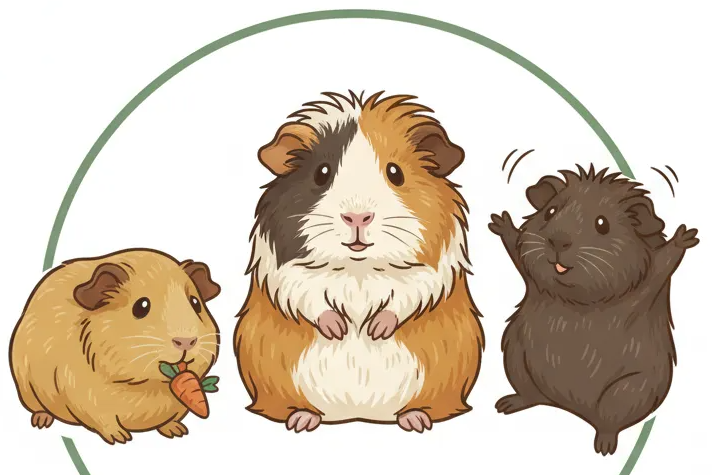
In this guide, I’ll walk you through why quarantine is non-negotiable, how to set up a separate space, what to watch for daily, and the slow introduction process. Having raised my own trio-Pepper, Clover, and Biscuit-through careful introductions, I can share the firsthand steps that ensure a happy, healthy herd.
Understanding Guinea Pig Quarantine and Its Importance
Think of quarantine as a health safety net for your entire furry family. This temporary isolation period allows you to monitor the new guinea pig for any signs of illness without putting your existing pets at risk. It’s the single most effective way to prevent the spread of contagious diseases like respiratory infections or parasites.
When I brought home my second guinea pig, Biscuit, I was so excited I almost skipped this step. Skipping quarantine can introduce hidden illnesses into your established herd, leading to costly vet bills and heartbreaking stress for all your pets. Even a seemingly healthy new arrival can be a carrier for something that your current pigs have no immunity against.
The risks are real and go beyond just physical sickness. Stress from a sudden introduction can weaken immune systems, making all your guinea pigs more susceptible to getting sick. Humans can also transmit illnesses to guinea pigs, so anyone handling them should be healthy and practice good hygiene. Even minor symptoms can pose a risk, so always wash hands before and after handling. A proper quarantine gives the newcomer time to settle in a calm, low-pressure environment before the big meet-and-greet.
Setting Up the Ideal Quarantine Space
Your quarantine area must be in a completely separate room from your other guinea pigs. Airborne germs can travel surprisingly far, so a different room with a closed door is non-negotiable for true isolation. A spare bedroom, a quiet home office, or even a large, ventilated closet can work perfectly.
The enclosure itself should be spacious enough for the guinea pig to move around comfortably. A minimum of 7.5 square feet is ideal, with excellent ventilation and familiar comfort elements like a hidey house and fresh hay. This is part of a complete space requirements guide for guinea pigs. A larger cage may be needed depending on the number of pigs and their activity level. Use separate feeding bowls, water bottles, and toys that never come into contact with your other pets’ supplies.
Plan for a quarantine period of at least two to three weeks. This duration covers the incubation period for most common guinea pig illnesses, giving any hidden problems time to surface. You may need to extend this time if the new pig shows any signs of sniffles, lethargy, or changes in eating habits.
To keep stress levels low, place the enclosure in a quiet corner away from loud household noises. Reducing disturbances like blaring televisions or slamming doors helps the new guinea pig feel secure and start to relax in its new home. I always use a soft fleece blanket over part of the cage to create a darker, cozier den for my new arrivals like Pepper and Clover when they first came home. To build a setup that’s perfect for a guinea pig, start with a roomy, solid-floor enclosure and a calm, accessible layout. Then add cozy dens, safe bedding, and easy-to-clean zones to support comfort from day one.
Monitoring Health and Recognizing Warning Signs

During quarantine, your new guinea pig’s health needs careful observation. I’ve learned from my own herd-Pepper, Clover, and Biscuit-that subtle changes often signal bigger issues.
Watch for these common symptoms daily. Early detection can prevent minor problems from becoming serious.
- Appetite shifts: A sudden drop in eating or drinking is a major red flag. My guinea pig Biscuit, who’s usually reserved, once refused her favorite veggies, alerting me to a digestive issue.
- Breathing changes: Listen for wheezing, sneezing, or labored breaths. Clover’s graceful demeanor hid a respiratory infection until I noticed her rapid breathing.
- Behavioral differences: Look for lethargy, excessive hiding, or reduced vocalization. Pepper’s steady nature made it obvious when he became unusually quiet and inactive.
Conduct daily health checks to stay proactive. Regular routines help you spot deviations quickly.
- Weigh your guinea pig each morning before feeding. Use a small scale-I track Pepper’s weight weekly to ensure he stays within a healthy range.
- Examine their eyes, nose, and ears for discharge or swelling. Gently feel for any lumps or tenderness.
- Check their fur and skin for bald spots, parasites, or redness. Run your fingers through their coat to detect abnormalities.
- Observe their activity level and social interactions. Note if they’re avoiding play or showing stress signs like teeth chattering.
Contact a vet immediately if you observe persistent warning signs. Trust your instincts-delaying care can worsen conditions.
- Lethargy that lasts more than a day, especially if they’re not moving or responding.
- Discharge from eyes, nose, or mouth, which could indicate infection.
- Weight loss of over 10% in a short period, as I noticed with Clover during her recovery.
- Labored breathing or coughing that doesn’t resolve with rest.
Schedule a baseline vet visit for every new arrival. This establishes a health record and catches hidden ailments early. When I adopted Biscuit, her vet check revealed a minor parasite issue we treated right away, ensuring she settled in safely.
Essential Supplies for a Smooth Quarantine Period
Setting up a proper quarantine space is your first act of care for your new arrival. Having a dedicated set of supplies prevents cross-contamination and gives the newcomer a secure space to settle in. I learned this the hard way when I brought Biscuit home and realized I was sharing tools between cages, a mistake I won’t make again.
Your Quarantine Setup Checklist
- A Separate Cage: This is non-negotiable. It should be placed in a different, low-traffic room from your existing herd.
- Dedicated Food and Water Bowls: Use simple, easy-to-clean ceramic dishes to monitor intake accurately.
- Multiple Hideouts: Provide at least two hideys so your new pig can always feel safe and hidden.
- Own Set of Cleaning Tools: Get a separate brush, spray bottle, and cloth used only for the quarantine cage.
Enrichment for a Calm Mind
A bored guinea pig is a stressed guinea pig. Simple enrichment items can dramatically reduce anxiety by providing mental stimulation and comfort. I always include a few cardboard tubes stuffed with hay for Clover, who loves the quiet challenge of pulling it all out. These are classic boredom busters—safe, engaging enrichment ideas for guinea pigs. For more inspiration, there are 20 safe options to keep Clover curious and content.
- Chew Toys: Untreated wood blocks or loofah chews satisfy natural gnawing instincts.
- Snuffle Mats: Hide a few pellets in a fleece mat to encourage natural foraging behavior.
- A Quiet Fleece Forest: Drape a piece of fleece over one corner of the cage to create a dark, cozy nook.
Grooming as a Health Check
Gentle grooming sessions are less about beauty and more about observation. Regular, gentle brushing allows you to check for patches of missing fur, flaky skin, or any unusual lumps. When I first groomed Pepper, I discovered a small patch of dry skin that we were able to address immediately.
- Use a soft-bristled brush suitable for their coat length.
- Check their skin as you brush, especially around the back and rump.
- Observe their feet and nails for any signs of redness or overgrowth.
The Quarantine Journal
Keep a simple notebook next to the quarantine cage. Documenting daily observations creates a valuable health record and helps you spot subtle changes in behavior or appetite. I note everything from how many pellets Biscuit eats to the consistency of his droppings, which has been invaluable for vet visits.
- Daily Food Intake: Note consumption of hay, pellets, and any veggies.
- Water Consumption: Track how much water is drunk each day.
- Behavior Notes: Record activity levels, vocalizations, and general demeanor.
- Physical Observations: Write down the appearance of eyes, nose, fur, and droppings.
Daily Care Routines to Support Well-Being

-
Step 1: Manage nutrition with fresh hay, veggies, and consistent feeding times.
Provide unlimited timothy hay to support digestion and dental health-it should fill most of their diet. I always keep a fresh pile for Pepper, who nibbles steadily throughout the day. Add daily veggies like bell peppers or romaine lettuce for variety and vitamins. Stick to the same feeding times each day to create a predictable routine that lowers stress. In my experience, Clover perks up right at 7 AM when I bring her morning greens, showing how consistency builds comfort.
-
Step 2: Establish a cleaning schedule to maintain hygiene and prevent odors.
Perform daily spot cleans by removing soiled bedding and uneaten food to keep the cage fresh. Once a week, do a deep clean with a vinegar-water solution-it is safe and eco-friendly. I wipe down Biscuit’s habitat every Sunday, and it prevents any lingering smells. A clean space reduces bacteria and supports overall health, especially during quarantine. Your guinea pigs will breathe easier and feel more at ease in a tidy environment.
-
Step 3: Incorporate gentle handling and quiet bonding time to build trust.
Approach your guinea pig slowly and scoop them up with both hands to avoid startling them. Spend a few minutes each day sitting near their cage, speaking in a soft voice to help them get used to you. I bonded with Clover by reading aloud to her-she now associates my voice with safety. Gentle interactions teach your pet that you are a source of comfort, not fear. Over time, this patience pays off with a stronger, trusting relationship.
-
Step 4: Use scent swapping techniques to familiarize pets before introductions.
Swap items like fleece bedding or hideouts between your current and new guinea pig’s cages every couple of days. This lets them investigate each other’s scents without direct contact. Before introducing Biscuit, I exchanged blankets between her and Pepper’s areas. Scent swapping reduces territorial behavior and makes the first face-to-face meeting much calmer. It is a simple step that can prevent fights and ease the transition into a shared home.
Gradual Introduction and Bonding Strategies
After the initial quarantine period, the real work of building a friendship begins. Taking things slow is the single most important factor for a successful guinea pig introduction. I learned this the hard way when I rushed Pepper and Clover, causing a setback that took weeks to repair.
-
Step 1: Start with short, supervised meetings in neutral territory.
Choose a space where neither guinea pig has established territory, like a clean bathtub or a partitioned playpen. Neutral ground prevents immediate territorial disputes and allows them to focus on each other. Keep these first encounters brief—just 10 to 15 minutes is plenty. How long bonding takes can vary by pair; some settle after a few sessions, while others may need days to weeks to fully bond.
-
Step 2: Observe body language for compatibility and signs of aggression.
Watch them closely. Good signs include curious sniffing, gentle rumbling (a happy purr), and popcorning. Warning signs are raised hackles, teeth chattering, lunging, or persistent chasing. Understanding their silent language helps you intervene before a small spat becomes a real fight. My guinea pig Biscuit, for instance, always flicks his ear before he gets annoyed, a tiny signal I now watch for.
-
Step 3: Slowly increase shared space time while providing separate retreats.
As they show more comfort, extend their time together by five or ten minutes each session. Always ensure there are multiple hideys, food bowls, and water bottles so no one feels trapped or has to fight for resources. This gradual expansion of shared life builds tolerance and, eventually, companionship.
-
Step 4: Share tips for reinforcing positive interactions with treats and praise.
When you see them sitting calmly near each other or sniffing peacefully, reward that behavior immediately. Hand-feeding small pieces of cilantro or bell pepper during calm moments creates a powerful positive association with each other’s presence. Use a soft, praising voice to let them know they are doing well.
- Scatter veggies around the neutral zone to encourage foraging side-by-side.
- Try placing a single, large lettuce leaf between them to promote sharing.
- Never reward or offer treats during tense moments or aggression.
FAQs
How long should a new guinea pig be quarantined?
A new guinea pig should be isolated for at least two to three weeks to cover common illness incubation periods. This timeframe allows hidden health issues to emerge before introductions. For a complete plan, see your new guinea pig’s first 30 days—our week-by-week acclimation guide. It walks you through each week’s steps for a smooth transition.
What symptoms should you look for during quarantine?
Monitor for appetite loss, breathing changes like wheezing, and behavioral shifts such as lethargy or excessive hiding. Catching these early helps prevent illness spread to your herd.
How can you separate a quarantined guinea pig from others?
Keep the new guinea pig in a different room with a closed door to block airborne germs. Always use separate cages, bowls, and cleaning tools to avoid cross-contamination. Proper care also means providing a clean, spacious enclosure with fresh hay and clean water. Regular gentle handling and routine veterinary checkups help keep guinea pigs healthy.
When should you seek veterinary advice during quarantine?
Consult a vet if you observe persistent warning signs like labored breathing, discharge, or rapid weight loss. Prompt care can address issues before they escalate and affect all your pets.
Can you quarantine more than one new guinea pig together?
Yes, quarantining multiple new guinea pigs together is possible if they originate from the same healthy source. Ensure close monitoring as any illness could spread between them during this period. If you plan to house a male and a female together, make sure both are healthy before introducing them. Consider neutering to reduce aggression and prevent unwanted litters, and supervise initial interactions to help them live together safely.
Keep Your Herd Happy and Healthy
Always start with a two-week quarantine period in a separate room to protect your current pets from potential illness. After quarantine, introduce your guinea pigs slowly using neutral territory and scent-swapping to build a positive relationship.
Responsible pet ownership means committing to lifelong learning about guinea pig behavior, nutrition, and habitat needs. You can make eco-friendly choices, like using recycled paper bedding, to care for your pets and the planet simultaneously.
Further Reading & Sources
- Quarantine – why you should do it – Guinea Lynx Forums
- Should You Separate Your Sick Guinea Pig? – YouTube
- Guinea Lynx :: Guinea Pig Care Guide
- All You Need To Know About Guinea Pig Quarantine – Guinea Pigs Guide
Kate is a passionate guinea pig owner and advocate for small pet welfare. With over a decade of experience caring for guinea pigs, she has become a trusted voice in the small pet community.
Uncategorized