How Smart and Intelligent Are Guinea Pigs?
Published on: January 19, 2026 | Last Updated: January 19, 2026
Written By: Kate M. Callahan
Hello CavyFam, have you ever gazed at your guinea pig and questioned the depth of their cleverness? You might fret they lack mental challenges or feel unsure how to support their natural intelligence.
I will walk you through their problem-solving abilities, social intelligence, and capacity for learning tricks. With years of hands-on experience caring for guinea pigs like gentle Pepper and thoughtful Clover, I provide insights rooted in daily life with these charming pets.
What Makes Guinea Pigs Intelligent?
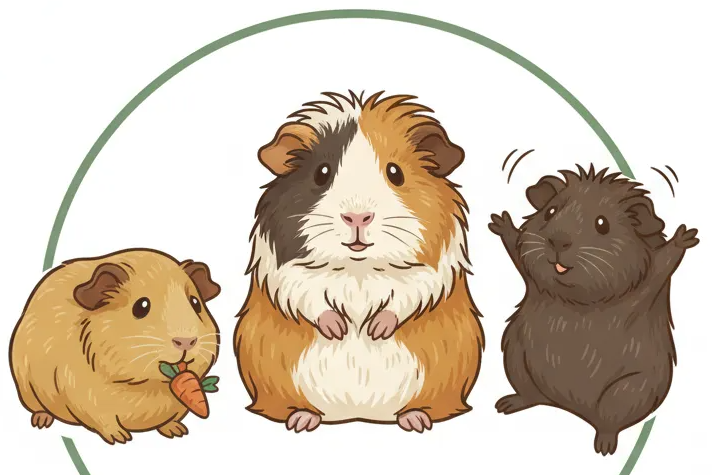
Many people see my guinea pigs, Pepper, Clover, and Biscuit, and think they are just simple, cute creatures. I used to think that too. After years of living with them, I’ve learned their intelligence shines through in their complex social behaviors and problem-solving skills. They aren’t just reacting to the world; they are actively figuring it out.
My Abyssinian, Clover, taught me about their capacity for social learning. She watched me open the latch on their cage door exactly once. The next day, I found her nudging the latch with her nose, trying to replicate the motion. This ability to observe and attempt to mimic is a clear sign of cognitive processing, not just simple instinct.
Evidence of Guinea Pig Smarts
- Vocal Communication: They don’t just make noise; they have a specific vocabulary. The excited “wheeking” for food is different from the low “purring” of contentment, which is different from the sharp chirp of alarm. They are communicating their specific needs and emotions to you.
- Problem-Solving: I’ve watched Biscuit, my Peruvian, systematically move a small, lightweight bridge to get to a favorite hideout. It wasn’t random pushing; it was a deliberate effort to overcome an obstacle.
- Memory and Recognition: They remember who you are. All three of my pigs react differently to my footsteps compared to a stranger’s. They also remember the layout of their cage and run, knowing exactly where to find food, water, and their safest sleeping spot.
- Emotional Intelligence: Guinea pigs are deeply social and form strong bonds. When Pepper was feeling unwell, Clover and Biscuit stayed close to her, a quiet display of empathy that still moves me. They understand and respond to the emotional states of their herd mates.
How Smart Are Guinea Pigs Compared to Other Pets?
It’s tempting to rank pets on a linear intelligence scale, but that’s not how animal cognition works. Guinea pigs possess a different kind of smart, one specialized for their social, prey-animal lifestyle. They won’t fetch a ball like a dog, but a dog can’t communicate a dozen distinct feelings through a series of unique whistles and purrs. Understanding this unique intelligence is essential when considering them as pets.
Compared to hamsters or gerbils, which are often more solitary and independent, guinea pigs display a much richer social intelligence. When you compare them directly with hamsters, the difference in social needs becomes obvious. Their need for companionship and their complex herd dynamics require a level of social awareness that many other small pets simply don’t need to develop.
When I think about my cats, their intelligence is more predatory-focused on stalking and independent problem-solving. My guinea pigs, however, are masters of cooperative living. Their intelligence is woven into their social fabric, making them exceptionally adept at reading social cues and maintaining group harmony. They may not learn tricks as quickly as a parrot, but their emotional perception and vocal communication are remarkably sophisticated for their size.
Ultimately, judging a guinea pig by a dog’s standards is like judging a fish by its ability to climb a tree. We must appreciate their intelligence for what it is: a brilliant adaptation for a life built on community, communication, and cautious curiosity. Each guinea pig has its own personality temperament—some are bold and sociable, others shy and observant. Recognizing these temperaments helps tailor interactions and enrichment. Providing them with a stimulating environment, puzzle feeders, and, most importantly, a companion, is how we honor and nurture their unique cognitive abilities.
Signs of Intelligence in Your Guinea Pig

You might be surprised by how much your guinea pig understands. Their intelligence often shows in subtle, everyday behaviors that reveal complex thinking and emotional awareness. My guinea pig, Pepper, taught me this when she started nudging her empty food bowl toward me every morning at exactly 7 AM. This also ties into understanding when they’re most active and how their daily patterns unfold. Observing Pepper’s routine helps me tailor play and interaction to her peak times.
Communication and Vocal Cues
Guinea pigs have a rich vocabulary of sounds, each with a specific meaning.
- Wheeking: This high-pitched squeal isn’t just noise. It’s a deliberate call for food, often triggered by the sound of a refrigerator door or a plastic bag crinkling.
- Purring: A deep, vibrating purr usually means your pig is content and feels safe. You’ll often hear this during gentle petting sessions.
- Rumbling: This lower-pitched sound can signal anything from a mating call to a warning to another guinea pig to back off from a favorite hidey-hole.
- Chutting and Whining: These are conversational sounds. My Abyssinian, Clover, makes soft “chut” sounds as she explores, almost as if she’s talking to herself.
Learning to interpret these sounds is like learning a new language-it deepens your bond and shows you just how much they have to say.
Problem-Solving Skills
Watch your guinea pig navigate their environment. You’ll see a clever mind at work.
- They remember the layout of their cage and can plan routes to food, water, and hiding spots efficiently.
- Some learn to nudge or lift simple latch mechanisms on cage doors. I had to child-proof my Peruvian Biscuit’s enclosure after she figured out how to pop the gate open.
- They can solve simple puzzles, like figuring out how to move a lightweight cup to get a treat hidden underneath.
This isn’t random behavior; it’s evidence of a brain that can assess a situation and test solutions. It’s one of the clearest signs you’re living with a smart little creature.
Social Intelligence and Memory
Guinea pigs are highly social, and their intelligence is deeply tied to their interactions.
- They recognize their owners by sight, sound, and smell. My pigs always start wheeking when they hear my specific footsteps, not anyone else’s in the house.
- They form strong bonds with their cage mates and establish complex social hierarchies. They remember who is friendly and who might steal their favorite vegetable.
- They can learn their names and respond when called, especially if a tasty reward like a piece of bell pepper is involved.
A guinea pig’s ability to form these lasting memories and relationships is a powerful indicator of their emotional and cognitive depth. Knowing if your guinea pigs are happy comes from observing their daily behavior. Happy guinea pigs are curious, active, and relaxed around you and their companions. Treating them with the kindness and respect they deserve is fundamental to their welfare.
Training Your Guinea Pig to Boost Intelligence
Training does more than teach cute tricks. It provides essential mental stimulation that keeps your guinea pig engaged, happy, and mentally sharp. Think of it as a fun workout for their brain. I’ve found that even my most reserved pig, Biscuit, becomes more confident and interactive after short training sessions.
Start With Target Training
This is the foundation for many other behaviors. All you need is a small target stick (a chopstick works perfectly) and your guinea pig’s favorite veggie treats. This is a great way to provide mental stimulation and enrichment, which is an important part of properly caring for guinea pigs. Short training sessions also help you observe comfort levels and build trust with your pet.
- Present the target stick near your guinea pig’s nose.
- The moment they sniff or touch it with their nose, say “Yes!” in a happy voice and immediately give them a tiny treat.
- Repeat this 5-10 times per session. Soon, they’ll actively move to touch the stick.
- Once they understand, you can start moving the stick slightly so they have to take a step or two to touch it.
This simple exercise teaches them the core concept of training: that their actions can earn rewards. It builds a line of communication between you.
Teach a Simple Spin
This is a classic trick that’s easier to teach than you might think.
- Hold a treat right in front of your guinea pig’s nose.
- Slowly move the treat in a wide circle around their head, guiding them to follow it.
- As they complete the circle to follow the treat, say “Spin!” and let them have it.
- Practice this daily, and soon you can start using just a hand signal without the treat lure.
Mastering a spin gives your guinea pig a huge confidence boost and strengthens their ability to follow complex cues. Always keep sessions short, around 5 minutes, to prevent frustration.
Create a Mini Agility Course
You don’t need fancy equipment. Use cardboard tubes, small boxes, and untreated wooden blocks.
- Encourage them to run through a tunnel made from a paper towel roll.
- Place a low, stable object for them to step over or onto.
- Use your target training to guide them through the course.
This kind of environmental enrichment is crucial for their well-being. It satisfies their natural curiosity and prevents boredom, which can lead to negative behaviors. Change the course layout every few days to present a new mental challenge.
Important Training Principles
Success hinges on your approach.
- Use Positive Reinforcement Only: Never scold or punish. Training should be a positive, fun experience built on trust and yummy vegetables.
- Keep Sessions Short and Sweet: A guinea pig’s attention span is short. Aim for 5-minute sessions, once or twice a day.
- End on a Success: Always finish the session after a correct behavior and a big reward. This leaves them feeling accomplished and eager for the next session.
- Be Patient: Every guinea pig learns at their own pace. My steady Pepper took longer to learn a spin than my thoughtful Clover, but she mastered it perfectly in the end.
The ultimate goal of training isn’t perfection; it’s building a richer, more communicative relationship with your intelligent pet.
Enrichment Ideas for a Smarter Guinea Pig
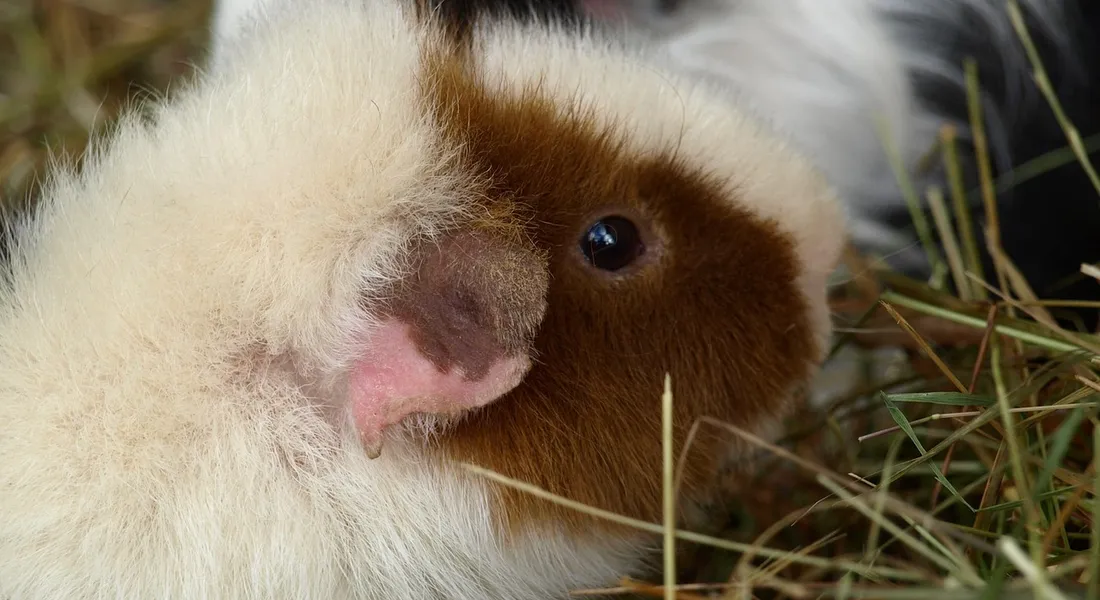
Keeping your guinea pig’s mind active is just as vital as feeding them a healthy diet. Mental stimulation prevents boredom, which can lead to lethargy and even depression in these sensitive creatures. I’ve spent countless hours observing my trio-Pepper, Clover, and Biscuit-and their personalities truly shine when I provide them with new puzzles.
Foraging Fun
In the wild, guinea pigs spend most of their time searching for food. You can replicate this natural behavior easily at home. Scatter their daily pellet ration or favorite veggies like cilantro and bell peppers around their enclosure instead of using a bowl. This simple change encourages natural foraging instincts and provides excellent mental exercise. This technique is part of the complete guide to foraging your guinea pig. In that guide you’ll find tips on variety, safety, and enrichment to keep your pet engaged.
DIY Puzzle Toys
You don’t need expensive toys to challenge your piggy. I often use items from around the house.
- Paper bags: Crumple a clean paper bag with a few lettuce leaves inside and watch them nudge and nibble to get the reward.
- Toilet paper tubes: Stuff these with hay and a small piece of carrot. The crinkling sound and the challenge of extraction are incredibly engaging.
- Muffin tin: Place a pea or a small piece of fruit in each cup and cover them with small, lightweight balls. Your guinea pig will have a blast “discovering” each treat.
The joy of watching them solve these simple puzzles never gets old and strengthens our bond immensely.
Obstacle Courses
Create a mini agility course using safe household items. I use small cardboard boxes as tunnels and low, stable stacks of books as gentle ramps. Guiding them through the course with a piece of parsley as a lure teaches them to follow commands and navigate new environments. My Abyssinian, Clover, is particularly graceful and seems to genuinely enjoy this activity.
Assessing Your Guinea Pig’s Cognitive Needs
Every guinea pig is an individual with a unique mind. Learning to read your pet’s behavior is the first step to ensuring their cognitive needs are met. A happy, mentally stimulated guinea pig is active, curious, and vocal. In this guide to guinea pig vocalizations, we explain what each sound means.
Signs of a Stimulated Mind
- Active Exploration: Your guinea pig should regularly investigate new objects placed in their habitat.
- Purring and “Wheeking”: These happy sounds, especially when they see you or hear a food bag, show anticipation and engagement.
- Playful “Popcorning”: Those sudden, joyful leaps in the air are a clear sign of a content and stimulated piggy.
Warning Signs of Boredom
If your guinea pig’s environment isn’t stimulating enough, they will tell you. Lethargy, excessive hiding, over-grooming, or bar-chewing are red flags that they need more mental engagement. I noticed my Peruvian, Biscuit, was more reserved until I introduced more hiding spots and foraging toys, which brought out her intelligent, curious side. Interpreting their body language—such as alert postures, ear and eye cues, or vocalizations like wheeks—helps you understand what they need. By paying attention to these signals, you can tailor enrichment and social interaction to support their well-being.
Tailoring Enrichment to Personality
Just like my three have different personalities, your guinea pigs will prefer different types of play.
- For a gentle, steady pig like Pepper, a consistent routine with predictable puzzle toys works best.
- A graceful, thoughtful pig like Clove enjoys more complex challenges, like multi-part obstacle courses.
- A reserved but intelligent pig like Biscuit appreciates enrichment that allows for independent play, like a hay-stuffed puzzle she can solve on her own time.
Paying close attention to what excites your pet allows you to customize their mental workout perfectly.
FAQs
How does guinea pig intelligence compare to human intelligence?
Guinea pig intelligence is specialized for social and survival skills, unlike human abstract reasoning. They excel in areas like vocal communication and memory within their ecological niche.
How can I test my guinea pig’s intelligence at home?
Use simple puzzle feeders or hide treats to observe their problem-solving abilities. You can also set up mini obstacle courses to assess their learning and navigation skills.
What are some key facts about guinea pig intelligence?
Guinea pigs can learn by observing and mimicking actions, such as opening latches. They also display empathy and form strong social bonds with both humans and other guinea pigs.
Your Guinea Pig’s Bright Future
Guinea pigs surprise many with their ability to learn names and solve simple puzzles, so always offer toys and social time to keep their minds active. Providing a varied environment with hiding spots and gentle challenges helps them thrive and show their unique personalities. For ideas on enriching play with guinea pig foraging toys, the ultimate guide offers practical setups. These ideas turn everyday exploration into rewarding challenges.
Caring for these intelligent pets means committing to their well-being through proper diet and habitat upkeep. I’ve found with Pepper, Clover, and Biscuit that choosing eco-friendly options like recycled bedding or locally sourced veggies makes a positive impact on their health and our planet.
Further Reading & Sources
- How Smart Are Guinea Pigs?
- r/guineapigs on Reddit: Are guinea pigs smart?
- Guinea Pigs Are (Much) Smarter Than You Think! – GuineaDad
- r/guineapigs on Reddit: About how intelligent and affectionate are Guinea pigs in general?
Kate is a passionate guinea pig owner and advocate for small pet welfare. With over a decade of experience caring for guinea pigs, she has become a trusted voice in the small pet community.
Uncategorized