Guinea Pig Temperature and Heating Needs: Your Easy Guide
Published on: February 26, 2026 | Last Updated: February 26, 2026
Written By: Kate M. Callahan
Hello CavyFam! Are you concerned about keeping your guinea pigs warm and comfortable during chilly weather? Getting their environment just right can prevent health issues and ensure they stay happy.
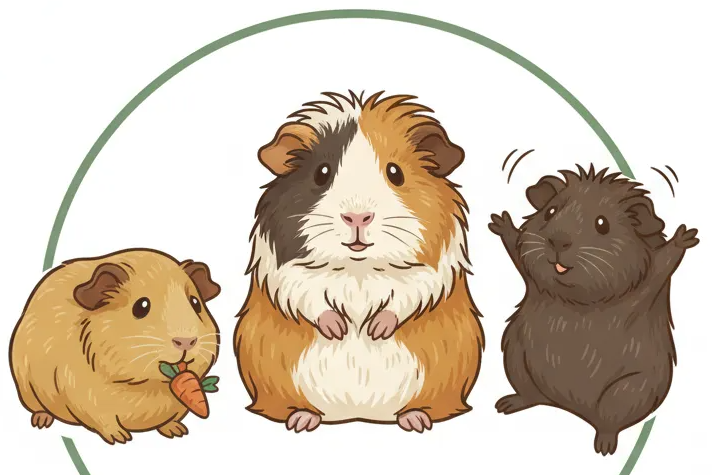
In this article, I’ll cover ideal temperature ranges, safe heating methods, signs of temperature stress, and seasonal adjustments. With years of experience caring for my guinea pigs Pepper, Clover, and Biscuit, I offer trusted advice to keep your pets safe and cozy.
Understanding Guinea Pig Thermoregulation
Guinea pigs control their body heat through natural thermoregulation, relying on their environment to stay comfortable. They cannot sweat or pant effectively, so ambient temperature plays a huge role in their well-being.
- Their bodies adjust by sensing changes in heat and cold, making drafts and humidity critical factors to watch.
- Older guinea pigs, like my gentle Pepper, or those with health issues, are more vulnerable to temperature shifts.
- Enclosure setup, such as bedding depth and location, directly impacts how they handle warmth or chill.
How Guinea Pigs Manage Body Heat
You will notice your guinea pigs huddling together for warmth or seeking out cooler spots in their cage. Proper ventilation prevents heat buildup and keeps the air fresh, which I always ensure for my active trio. They benefit from natural sunlight in moderation for vitamin D, but avoid direct sun to prevent overheating. Make sure there is a shaded spot for relief.
- They might burrow into hay or stretch out on a tile to regulate their temperature.
- Good airflow reduces risks from stagnant, humid conditions that can stress them quickly.
Factors Influencing Temperature Tolerance
- Fur type: Long-haired breeds, like Biscuit, may overheat faster than short-haired ones.
- Activity level: Energetic play raises body heat, requiring more monitoring.
- Overall environment: Room layout and seasonal changes affect their comfort zone.
The Ideal Temperature Range for Guinea Pigs
Keep your guinea pigs in a range of 65 to 75 degrees Fahrenheit, which equals 18 to 24 degrees Celsius. This sweet spot avoids cold stress and heat stroke, keeping them healthy and happy. Keeping a stable climate is part of preparing your home for their entire lifespan. It helps them stay comfortable from day one through old age.
| Fahrenheit (°F) | Celsius (°C) |
|---|---|
| 65 | 18 |
| 70 | 21 |
| 75 | 24 |
Guinea pigs thrive in this range because their small bodies lose heat easily and struggle to cool down. I have seen my graceful Clover perk up when the room stays steady around 70°F.
Optimal Ambient Temperature Settings
Use a reliable thermometer to check the temperature near their enclosure, not just the room. Place it at guinea pig level for the most accurate reading, and adjust heating or cooling as needed.
- Avoid direct sunlight or vents that cause sudden changes.
- Add cozy hideaways for warmth and ceramic tiles for cooling breaks.
Risks of Temperature Extremes
Temperatures below 65°F can lead to hypothermia, while above 75°F risks heat stroke. Guinea pigs show distress quickly, so act fast if you notice heavy breathing or lethargy.
- In cold, they may shiver or become inactive; in heat, panting and weakness are red flags.
- Issues can escalate within minutes, especially for young or ill pets.
Recognizing Signs of Temperature Stress
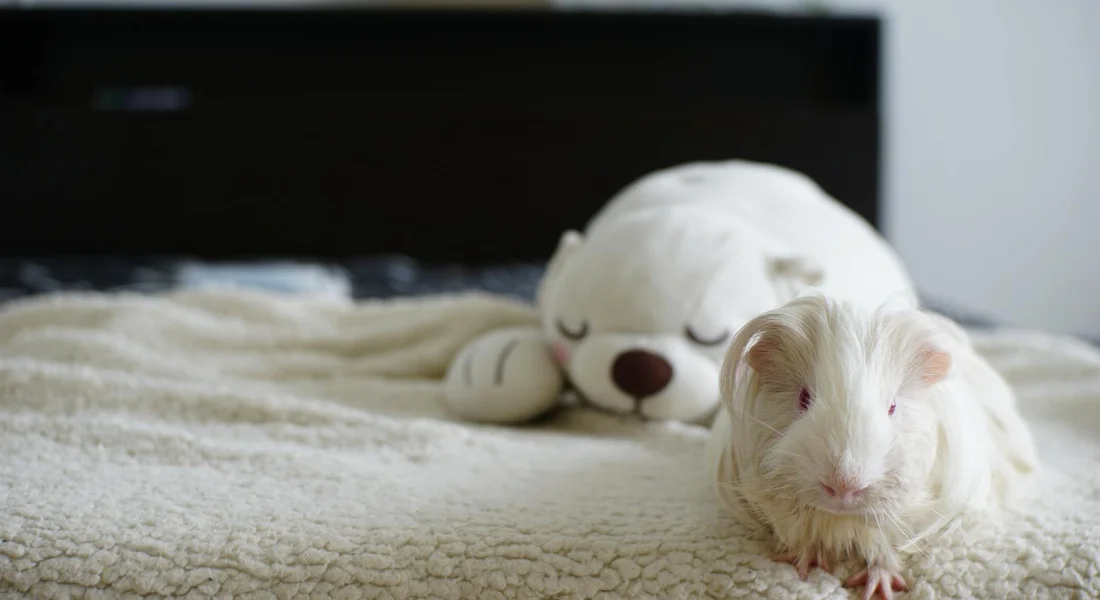
Keeping an eye on your guinea pig’s behavior and physical state helps you catch temperature issues early. Spotting these cues quickly can prevent serious health problems and keep your pet comfortable.
- Hypothermia signs: Shivering, cold ears, lethargy, and huddling in a ball.
- Hyperthermia signs: Panting, reddened skin, excessive drooling, and unusual restlessness.
Indicators Your Guinea Pig Is Too Cold
When temperatures drop, guinea pigs like my gentle Pepper can show clear distress signals. Act fast if you notice shivering or cold ears, as these are early warnings of hypothermia.
- Shivering or trembling, especially around the body.
- Lethargy and reduced movement, like staying in one spot.
- Cold ears or feet to the touch.
- Huddling tightly in corners or under bedding.
To warm them safely, move your guinea pig to a warmer area and wrap them in a soft, dry towel. When you handle them for a health check, do so gently—support their chest and hindquarters with both hands and keep movements slow. I’ve used this method with Biscuit, and it helped him perk up without shocking his system.
Indicators Your Guinea Pig Is Overheating
Heat stress can sneak up quickly, as I saw with my graceful Clover during a hot spell. Panting and red skin are red flags that require immediate attention to avoid heat stroke.
- Rapid, open-mouth panting or heavy breathing.
- Red or flushed skin, particularly on the ears.
- Restlessness or trying to escape the enclosure.
- Weakness or lying flat without moving.
Cool them down gradually by placing a cool, damp cloth on their body and offering fresh water. Never use ice or cold water directly, as it can cause shock and worsen their condition.
Safe Heating Options for Guinea Pig Enclosures
Choosing the right heating method ensures your guinea pig stays cozy without risks. I always prioritize safety and gradual temperature changes to mimic their natural environment. This is part of a seasonal care checklist for prepping your guinea pig through spring, summer, fall, and winter. Keep an eye on bedding and drafts as temperatures shift with the seasons.
- Heat lamps: Provide focused warmth but need careful monitoring to prevent burns.
- Heating pads: Offer consistent heat but must be placed outside the cage to avoid chewing.
- Radiant heat panels: Emit gentle, even warmth and are low-risk if installed correctly.
Using a thermostat with any heater is non-negotiable for preventing overheating. This simple tool helps maintain a stable temperature range, which I’ve found essential for my herd’s well-being.
Using Heat Lamps Effectively
Heat lamps can be a lifesaver in cold months, but setup matters most. Follow these steps to use them safely and avoid common pitfalls like burns or fires.
- Select a low-wattage bulb, around 50-75 watts, and position it at least 12 inches above the cage to distribute heat evenly.
- Connect the lamp to a reliable thermostat to automatically shut off if temperatures rise too high, preventing accidental overheating.
- Ensure the lamp is securely fastened and out of reach, so curious guinea pigs like Biscuit can’t knock it over or get too close.
Alternative Heating and Insulation Tips
Beyond heaters, natural options can add warmth without electricity. Fleece bedding, for instance, traps body heat and feels soft underfoot, which my guinea pigs adore.
- Fleece bedding: Pros – reusable and cozy; Cons – needs frequent washing to stay dry.
- Heated hideaways: Pros – provide a warm retreat; Cons – must be chew-proof and thermostatically controlled.
- Extra hay piles: Pros – insulate and offer nesting material; Cons – can get messy if not refreshed often.
Enhancing Insulation in Housing
Simple tweaks to your guinea pig’s home can retain heat effectively. I line the sides of my cages with foam boards in winter, which cuts drafts and keeps the interior snug. These steps are part of building a set up perfect guinea pig cage. With careful planning of materials and layout, you can optimize heat retention and safety.
- Use foam panels or cardboard around the enclosure’s exterior to block cold air.
- Add layers of fleece or towels over part of the cage top, leaving ventilation areas open.
- Place the enclosure away from windows or doors to minimize temperature fluctuations.
Managing Temperature Changes with the Seasons
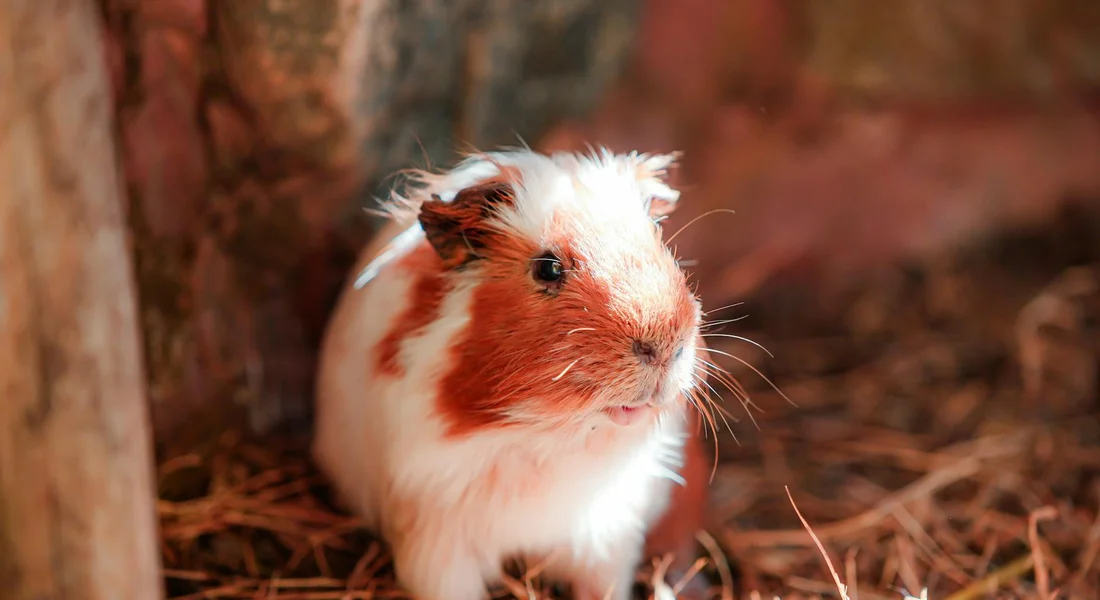
Your guinea pig’s comfort depends on how well you adapt their environment to seasonal shifts. I always start adjusting their habitat about a week before a major weather change, giving their bodies time to acclimate without stress. For new guinea pigs, the first 30 days are crucial, and a week-by-week acclimation plan helps them settle in smoothly. Our complete guide walks you through each week of that first month.
- In winter, I slowly increase the amount of cozy bedding and move their enclosure slightly further from exterior walls.
- For summer, I begin by introducing cooling surfaces and ensuring their space isn’t in direct sunlight for any part of the day.
Winter Heating Strategies
Winters can be tough on small pets. My Abyssinian, Clover, taught me that draft protection is just as vital as adding warmth.
- Wrap three sides of their cage with fleece or specialized cage liners to create a cozy barrier against cold walls.
- Use a safe, pet-specific heating pad placed under only one section of the enclosure, so they can choose their comfort level.
- Check for drafts by holding a lit candle near the cage; if the flame flickers, you’ve found a spot that needs sealing.
Summer Cooling Techniques
Heat buildup happens fast in enclosed spaces. I keep ceramic tiles in the freezer and rotate them into Biscuit’s enclosure during heatwaves for instant relief.
- Place a small, oscillating fan on a low setting across the room to promote air movement without blowing directly on them.
- Frozen water bottles wrapped in thin towels give them something cool to lean against when temperatures spike.
- Monitor humidity with a simple gauge; if it climbs above 70%, run a dehumidifier to prevent respiratory distress.
Emergency Response for Temperature Extremes
Recognizing distress signs early can save your guinea pig’s life. Pepper once got chilled after a cage cleaning near an open window, and I learned to always have an emergency plan ready.
What to Do If Your Guinea Pig Is Too Cold
- Gently move them to a warmer room, avoiding sudden temperature jumps that could cause shock.
- Wrap them in a towel that’s been warmed in the dryer, making sure it’s not hot to the touch.
- Watch for signs of recovery like normal movement and appetite; if they remain listless after 30 minutes, call your vet immediately.
What to Do If Your Guinea Pig Is Overheated
- Immediately transfer them to a tiled floor in a well-ventilated room away from sunlight.
- Dampen their ears and feet with room-temperature water, never ice water, to help lower their body temperature gradually.
- Offer water from a syringe if they’re too weak to drink, and get veterinary assistance as overheating can cause organ damage.
FAQs
What is the temperature tolerance for guinea pigs?
Guinea pigs can handle slight variations but are highly sensitive to temperatures outside 65-75°F. In hot conditions, overheating can occur rapidly if the area lacks ventilation or shade. Prolonged exposure to extremes increases risks of hypothermia or heat stroke.
How can I tell if my guinea pig is too hot?
Watch for rapid panting and reddened ears as key signs of overheating. Immediate action to cool them down is essential to prevent serious health issues.
How can I tell if my guinea pig is too cold?
Shivering and cold extremities indicate your guinea pig may be too cold. Gradually warming them and eliminating drafts can help restore their comfort. Proper care for guinea pigs includes maintaining a comfortable, draft-free environment. Regularly monitor temperature to prevent cold and stress.
What temperature in degrees is safe for guinea pigs?
The safe range is 18-24 degrees Celsius or 65-75 degrees Fahrenheit. Consistently monitoring with a thermometer ensures their environment stays within these limits.
Is a temperature chart useful for guinea pig care?
Yes, a temperature chart helps track daily fluctuations in their living space. It allows you to quickly reference the ideal range and make timely adjustments.
Keeping Your Guinea Pigs Cozy and Safe
Focus on maintaining a stable room temperature between 65-75°F and always observe your guinea pigs for signs of discomfort like huddling or lethargy. In winter, keeping them warm is especially important to prevent cold stress. Providing safe heating options like microwavable heat pads or ceramic heat emitters, while avoiding dangerous heat lamps and electric blankets, ensures their wellbeing.
Being a great guinea pig owner means committing to learning about their unique needs and making thoughtful choices for their habitat. You can even explore eco-friendly options like recycled paper bedding to care for your pets and the planet simultaneously.
Further Reading & Sources
- How to Keep Guinea Pigs Warm – K&H Pet Products
- AC Aids • GUINEA PIGS – Temperature
- Winter and Summer Care – The Guinea Pig Manual
- Guinea Pig Temperature Ranges | Guinea Pig Health | Guinea Pigs | Guide
Kate is a passionate guinea pig owner and advocate for small pet welfare. With over a decade of experience caring for guinea pigs, she has become a trusted voice in the small pet community.
Uncategorized