What is the Ideal Overall Diet for a Healthy Guinea Pig?
Published on: December 5, 2025 | Last Updated: December 5, 2025
Written By: Kate M. Callahan
Hello CavyFam! Are you puzzling over the best foods to keep your guinea pig thriving and full of life? You might fret about picking the right mix to dodge health hiccups like weight gain or nutrient gaps.
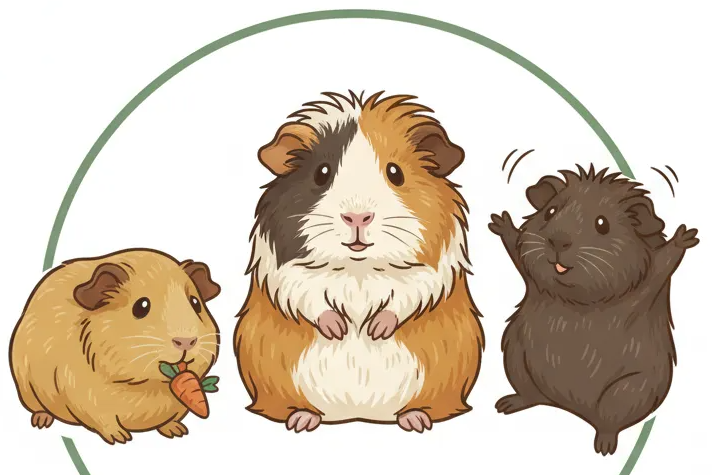
I will break down the core elements step by step, covering timothy hay basics, veggie variety picks, pellet portions, and hydration habits. My own trio-Pepper, Clover, and Biscuit-has taught me the joys and jitters of guinea pig care through daily munching moments.
The Foundation of a Guinea Pig’s Diet: Why It Matters
A guinea pig’s diet directly shapes their health in ways you can see and feel every day. Proper nutrition prevents painful dental issues by keeping their ever-growing teeth worn down through constant chewing. Their digestive systems thrive on high-fiber foods that keep everything moving smoothly. Since guinea pigs cannot produce vitamin C on their own, a diet rich in this nutrient is essential to avoid scurvy, which causes weakness and joint pain. I learned this firsthand when Clover showed signs of lethargy until I boosted her vitamin C intake with fresh veggies. Offering a varied, fresh diet isn’t just about health-it’s a core part of ethical animal care that honors their natural needs. Watching Pepper and Clover flourish with shiny coats and playful energy reinforces how vital balanced meals are for their happiness.
Essential Components of a Balanced Guinea Pig Diet
Unlimited Hay: The Backbone of Every Meal
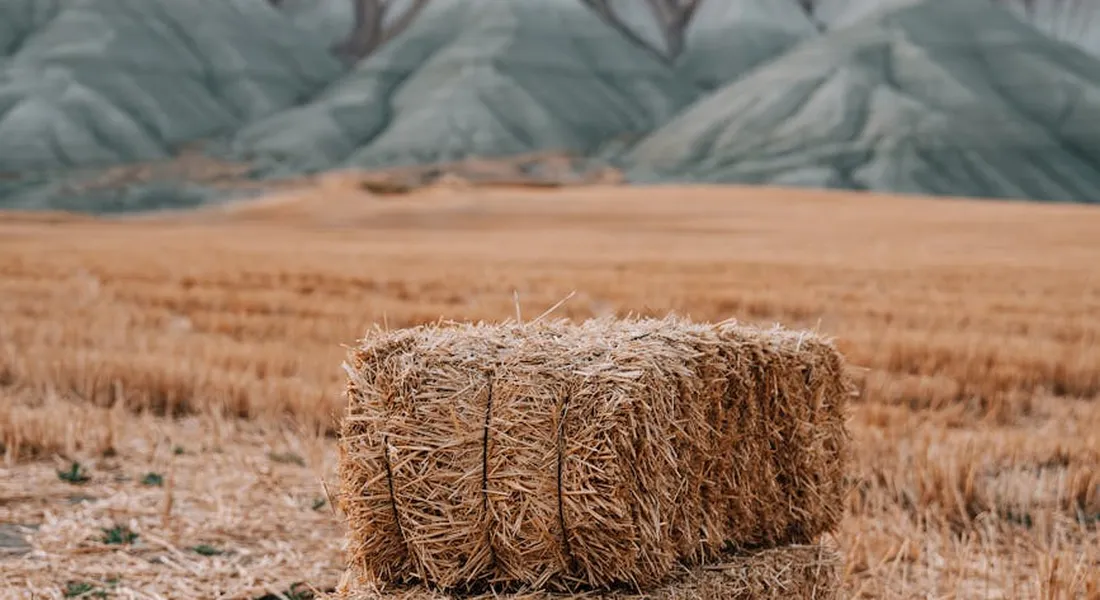
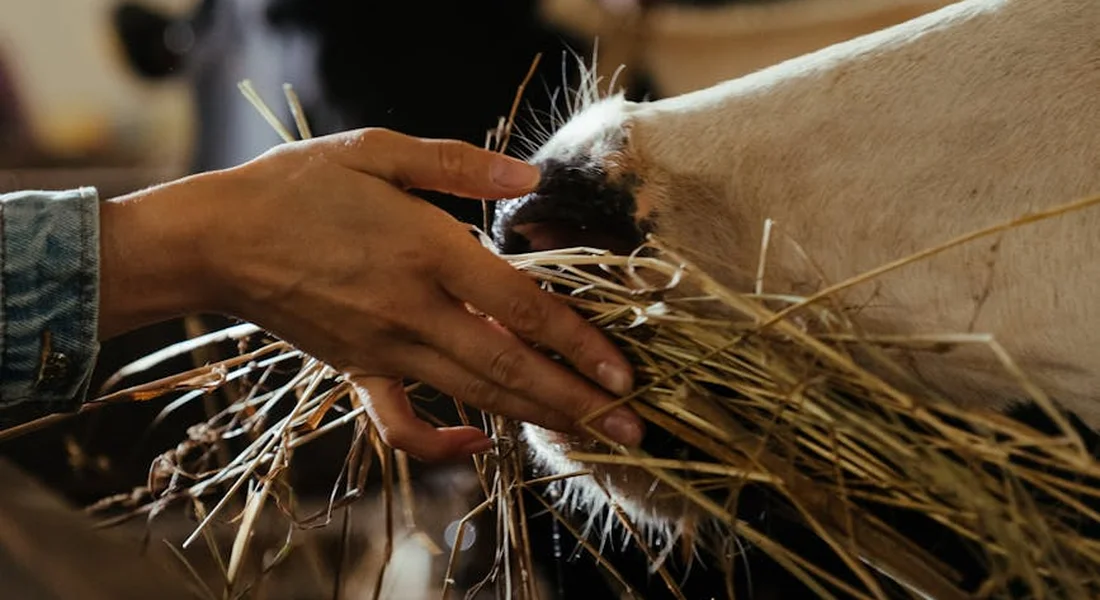
Hay should make up about 80% of your guinea pig’s daily intake. Timothy hay and grass hays like orchard or meadow provide the high fiber needed for healthy digestion and dental wear. These types are low in calcium, reducing the risk of bladder stones. In my routine with Pepper and Clover, I follow simple steps to keep hay fresh and accessible. Always place hay in a clean rack or pile, refill it twice daily, and remove any soiled bits to prevent mold. This mimics their natural foraging behavior and keeps them engaged. Together with the rest of a complete guide to foraging your guinea pig, these steps help keep daily foraging engaging. In that guide, you’ll learn how to safely expand their forage beyond hay with greens, veggies, and enrichment ideas.
- Choose timothy or grass hay for daily feeding.
- Use a hay rack to minimize waste and keep it clean.
- Check for freshness-hay should smell sweet and look green.
Guinea Pig Pellets: Nutrient-Dense Support
Pellets offer concentrated nutrients, but they’re a supplement, not a main course. Select pellets fortified with stabilized vitamin C and low in calcium to support overall health without causing urinary issues. Avoid mixes with seeds or colorful bits, as these can lead to selective eating and obesity. For portion control, I give each of my pigs about 1/8 cup daily, adjusting for their size and activity. Measuring pellets prevents overfeeding and ensures they focus on hay first. Biscuit, for example, maintains a healthy weight with this approach.
- Look for plain, timothy-based pellets with vitamin C.
- Serve in a small, heavy bowl to avoid tipping.
- Store pellets in a cool, dark place to preserve nutrients.
Fresh Vegetables and Leafy Greens: Daily Vitamins
Fresh veggies deliver essential vitamins and hydration. Include daily servings of bell peppers for vitamin C, along with kale, romaine lettuce, parsley, and cilantro for variety and nutrients. Rotate these options to provide a range of benefits and prevent boredom. However, steer clear of iceberg lettuce-it’s mostly water and offers little nutrition, potentially causing digestive upset. I mix greens for Clover and Pepper, which keeps their meals exciting and supports their immune systems. Always wash veggies thoroughly to remove pesticides.
- Safe choices: bell peppers, kale, romaine, parsley, cilantro.
- Avoid: iceberg lettuce, potatoes, and onions.
- Introduce new veggies slowly to monitor for reactions.
Fruits in Moderation: Occasional Sweet Treats
Fruits are tasty but high in sugar, so offer them sparingly. Small pieces of apple (without seeds), strawberries, or blueberries make safe, occasional treats that won’t spike blood sugar. Limit fruit to once or twice a week to maintain a balanced diet. I use fruit as a bonding tool-hand-feeding a bit of strawberry to Biscuit helps build trust and makes vet visits less stressful. This approach turns treats into positive interactions without compromising health. Always remove any uneaten fruit within an hour to avoid spoilage.
- Safe fruits: apple slices, strawberries, blueberries.
- Serve in tiny amounts, about a teaspoon per pig.
- Use fruit rewards during training or handling sessions.
Water and Hydration: Always Available
Fresh water is non-negotiable for digestion and temperature regulation. Provide clean water in a bottle with a sipper tube, checked daily for clogs or leaks to ensure it’s always accessible. Dehydration can lead to serious health issues, so I refill bottles every morning and after cleaning. Adding a drop of vitamin C to the water occasionally can help, but rely on food sources for consistency. For animal welfare, this simple step supports their overall well-being and prevents emergencies.
- Use glass or BPA-free plastic water bottles.
- Clean bottles weekly with vinegar to prevent bacteria.
- Monitor water intake-changes can signal health problems.
Feeding Schedule and Portion Guidelines
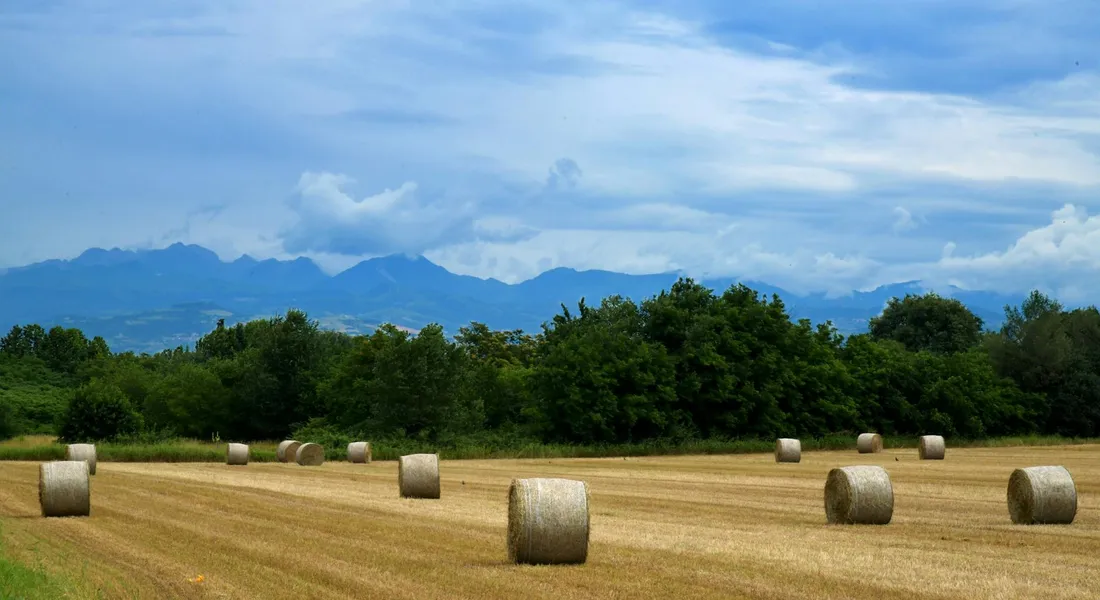
Guinea pigs thrive on a consistent feeding routine that mimics their natural grazing habits. You should provide unlimited, high-quality hay at all times, as their digestive systems depend on constant fiber to prevent issues like bloating or stasis. Fresh vegetables and a small amount of pellets fit into scheduled feedings, typically twice daily to keep their diet balanced and prevent overeating. It’s important to know how often you should feed guinea pigs to maintain their health.
Here’s a simple daily portion guide to help you plan meals effectively:
- Hay: Unlimited access-timothy or orchard grass are my top picks for fiber.
- Pellets: About 1/8 cup per pig daily, opting for brands fortified with vitamin C.
- Vegetables: Roughly 1 cup per pig each day, split between morning and evening servings.
In my home, Pepper, Clover, and Biscuit follow this routine closely. Each morning, I refill their hay racks and serve a mix of leafy greens like romaine and bell peppers, watching as Clover-graceful and thoughtful-nibbles delicately while Biscuit, reserved but intelligent, often hoards the choicest bits. Evenings bring another veggie round, and I’ve noticed Pepper’s gentle, steady nature means he finishes last, ensuring no one misses out. Sticking to this schedule has kept them energetic and their coats shiny, reinforcing how structure supports their well-being.
Safe and Unsafe Foods: What to Include and Avoid
Grass from Outside: Yes or No?
Yes, your guinea pig can munch on outdoor grass, but you must take careful steps to keep it safe. I always check for pesticides and chemicals before letting my guinea pigs, like Pepper, nibble on fresh grass from the yard. From my experience, a patch of untreated, organic grass can be a wonderful treat, but it’s vital to avoid areas near roads or lawns that might have been sprayed. Guinea pigs can eat and play on outdoor grass, but safety is key.
- Pick grass from areas you know are pesticide-free and away from traffic pollution.
- Wash the grass thoroughly under cool running water to remove dirt and potential contaminants.
- Introduce small amounts slowly to prevent digestive upset, watching for any changes in your pet’s behavior.
Here’s a quick guide to fresh greens that are safe versus those that pose risks. For a guinea pig diet, choosing safe vegetables and greens is key to daily health. Stick to greens like romaine lettuce and cilantro for daily variety, while steering clear of iceberg lettuce which offers little nutrition and can cause diarrhea. I’ve found that mixing safe greens keeps my guinea pigs, such as Biscuit, excited about mealtime without health worries.
- Safe fresh greens: Romaine lettuce, cilantro, bell peppers, and dandelion leaves (from clean sources).
- Risky greens to avoid: Iceberg lettuce, rhubarb, onions, and any plants you can’t identify with certainty.
Managing Calcium Balance and Other Concerns
Calcium is essential for strong bones, but too much can lead to urinary problems like sludge or stones. Limit high-calcium vegetables to a few times a week to support your guinea pig’s urinary health and prevent painful issues. With Clover, who’s prone to sensitivity, I’ve learned that balancing her diet reduces the risk of discomfort and keeps her active.
- High-calcium veggies to offer sparingly: Spinach, kale, parsley, and beet greens.
Excess calcium can crystallize in the bladder, causing blockages or infections. Monitor your guinea pig’s water intake and urination habits closely, as changes might signal a need for dietary adjustments. In my care, I’ve noticed that a varied diet with low-calcium options like cucumbers helps maintain a healthy balance.
- Observe for signs like straining to urinate, reduced appetite, or lethargy, and note any unusual behaviors.
- Adjust the diet by reducing high-calcium foods and increasing hydrating options like celery or zucchini if issues arise.
- Consult a veterinarian if symptoms persist, as early intervention can prevent serious health complications.
Tailoring the Diet to Your Guinea Pig’s Life Stage
Just like people, a guinea pig’s nutritional needs shift dramatically from youth to their golden years. Getting the balance right for their specific life stage is one of the most impactful things you can do for their long-term vitality (especially because specific life stages bring their own unique challenges).
Growing Piggies (Under 6 Months)
Youngsters like Biscuit was at one year are in a constant state of growth and development. Their bodies are building bone and muscle at an incredible rate. I always made sure my younger pigs had access to unlimited alfalfa-based pellets and extra portions of high-quality hay. Alfalfa is richer in calcium and protein, which supports their rapid growth. Their need for vitamin C is also at its peak during this stage to support a healthy immune system.
- Unlimited alfalfa hay for extra calcium and protein.
- Alfalfa-based young guinea pig pellets.
- Daily vitamin C-rich veggies like bell peppers and parsley.
- Constant access to fresh, clean water.
Prime Adult Years (Ages 1-5)
This is the maintenance phase, where the goal is sustaining a healthy weight and preventing issues. My adults, Pepper and Clover, thrive on a different regimen. I immediately switch from alfalfa to timothy or orchard grass hay, which is lower in calcium and calories. This helps prevent obesity and urinary stones. Fiber becomes the absolute superstar for keeping their complex digestive systems moving smoothly.
- Unlimited timothy or orchard grass hay.
- Timothy-based adult guinea pig pellets, limited to about 1/8 cup per day.
- A consistent daily cup of fresh vegetables, heavy on leafy greens like romaine and cilantro.
- Continued focus on a daily vitamin C source, as their bodies still cannot produce it.
Senior Citizens (Ages 5+)
Watching my older pigs slow down taught me to be even more attentive. Appetite can wane and dental issues may make chewing difficult. For elderly guinea pigs, the priority shifts to making food easy to eat and highly palatable to ensure they get enough calories and nutrients. I found soaking pellets in a little water to make a mush was a game-changer for my old-timers. Their fiber needs remain critically high to prevent GI stasis, a common issue in senior guinea pigs.
- Softer second-cut timothy hay, which is easier on aging teeth.
- Moistened pellets or critical care formulas if they struggle to eat.
- Softer, easy-to-chew veggies like cucumber and peeled zucchini.
- Very close monitoring of their water intake to prevent dehydration.
I remember when Biscuit, my Peruvian, was a reserved youngster; he was a cautious eater. Observing his individual preferences and adjusting his diet as he matured was key to helping him become the intelligent, confident pig he is today. Paying close attention to these life-stage details makes all the difference in their quality of life.
Practical Tips for a Successful Guinea Pig Diet Plan
Introducing New Foods Safely
Adding new veggies to your guinea pig’s menu should feel like a gentle adventure, not a sudden shock. I learned this firsthand when introducing bell pepper to Pepper; a slow approach prevented any tummy troubles and kept her happy.
- Start with a tiny piece, like a thumbnail-sized slice, mixed into their usual greens.
- Observe your pet closely for 24 hours, watching for signs like diarrhea, lethargy, or loss of appetite.
- If no issues arise, gradually increase the portion over the next 5-7 days to build tolerance.
- Always remove uneaten fresh food within a few hours to avoid spoilage and bacterial growth.
Rushing new foods can stress their delicate systems, so patience is key to their well-being. This careful method honors their health and reduces the risk of digestive upsets that I’ve seen in my own herd.
Storing Food for Freshness
Keeping your guinea pig’s meals fresh ensures they get maximum nutrients and flavor every time. Proper storage not only extends shelf life but also supports their overall vitality, something I prioritize with my trio.
- Store hay in a cool, dry place using breathable bags or bins to prevent mold-I use cloth sacks for Clover’s hay to maintain that sweet, grassy smell.
- Seal pellets in airtight containers away from light and heat; glass jars work wonders for keeping Biscuit’s kibble crunchy.
- Refrigerate vegetables in crisper drawers and wash them right before serving to retain crispness and vitamins.
- Check hay and pellets weekly for any signs of dampness or pests, tossing out anything questionable to avoid health risks.
Fresh food means happier, healthier pets, and these simple habits make a big difference. From my experience, well-stored hay stays aromatic and appealing, encouraging even picky eaters like Biscuit to munch happily.
FAQs
What should a guinea pig diet chart include?
A guinea pig diet chart should list daily portions for hay, pellets, and vegetables to guide balanced feeding. It helps track servings and prevents overfeeding or nutrient deficiencies. Check daily food and calorie requirements for guinea pigs to ensure you’re feeding the right amounts.
How does Guineadad relate to guinea pig diet planning?
Guineadad offers products like hay racks and bedding that support diet management, but focus on fresh hay and veggies for nutrition. Their tools can aid organization but don’t replace core dietary needs.
What are the ideal percentages for a guinea pig’s diet?
Hay should comprise about 80% of intake, vegetables 15%, and pellets 5% to maintain health. These ratios ensure proper fiber for digestion and limit excess calories.
Where can I find a printable guinea pig diet chart?
Printable charts are available on reputable pet care sites or guinea pig forums for easy reference. Customizing one based on your pig’s age and needs ensures accuracy. A simple health log to track vital signs—weight, appetite, activity, and temperature—can help you notice deviations quickly. Keep it updated regularly to discuss with your vet.
What is a simple guinea pig diet plan for beginners?
Start with unlimited timothy hay, 1/8 cup of pellets, and a cup of veggies daily split into two meals. Introduce new foods slowly to monitor for any adverse reactions.
Your Guinea Pig’s Happy, Healthy Eating Plan
Focus on unlimited timothy hay, fresh veggies packed with vitamin C, and quality pellets to meet all their nutritional needs. I always make sure my guinea pigs Pepper, Clover, and Biscuit have a varied diet to prevent boredom and support their unique personalities. However, even with these basics, it’s easy to slip into common guinea pig diet mistakes that can lead to serious health issues. Here are the top 10 guinea pig diet mistakes to avoid.
Commit to learning more about guinea pig care and choosing eco-friendly supplies that protect their well-being and our planet. Properly caring for guinea pigs means meeting their daily needs—housing, nutrition, and social time. This foundation supports your choice of eco-friendly supplies that protect their health. Your dedication to responsible ownership ensures a joyful life for your furry friends and a healthier world for all animals.
Further Reading & Sources
- What To Feed a Guinea Pig | RSPCA – RSPCA – rspca.org.uk
- Your guinea pig’s diet – PDSA
- Guinea pig feeding schedule and dietary needs | Humane World for Animals
- What should I feed my guinea pigs? – RSPCA Knowledgebase
Kate is a passionate guinea pig owner and advocate for small pet welfare. With over a decade of experience caring for guinea pigs, she has become a trusted voice in the small pet community.
Uncategorized