Is Plastic Safe for Guinea Pigs to Chew or Eat?
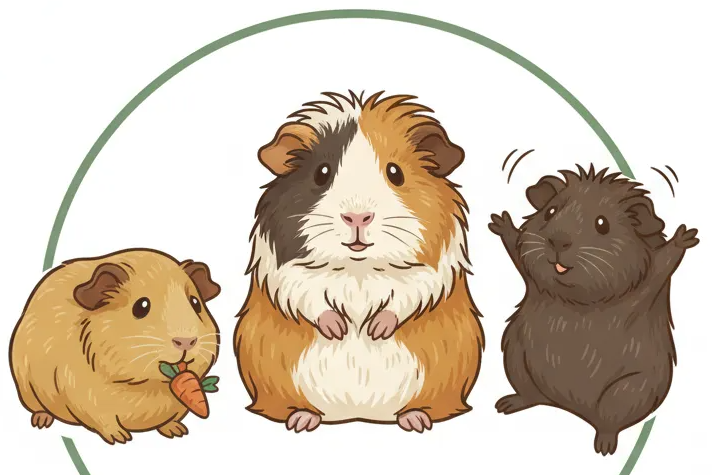
Hello CavyFam! If you’ve ever caught your guinea pig nibbling on a plastic toy or bowl, you might feel a rush of worry. I’ve been there myself, watching my guinea pigs Pepper and Biscuit explore their surroundings with curious teeth.
In this guide, I’ll cover common plastic dangers, safe chewing alternatives, and emergency steps if ingestion occurs. Having cared for guinea pigs like gentle Pepper and intelligent Biscuit for years, I share advice rooted in real-life pet ownership.
Why Guinea Pigs Are Drawn to Chew Plastic
Guinea pigs possess an innate, powerful drive to chew that is fundamental to their wellbeing. Their front teeth, called incisors, grow continuously throughout their lives, and chewing is the primary way they keep them worn down to a healthy, functional length. Without this constant gnawing action, their teeth can become painfully overgrown, leading to serious health complications.
From my own experience with my trio, boredom is just as potent a motivator as dental health. I’ve watched my gentle Pepper methodically test the corner of a plastic hidey-house, not to destroy it, but seemingly as a thoughtful exploration of his environment. My graceful Clover will often nibble at a plastic food bowl if her hay rack is empty, signaling a clear need for more engaging activities.
- Natural Instinct: Constant chewing is non-negotiable for proper dental wear and jaw muscle exercise.
- Boredom Relief: A guinea pig with insufficient enrichment will find its own entertainment, often on items you wish it wouldn’t.
- Texture Exploration: The hard, smooth, yet slightly giving surface of plastic can be intriguing to their sensitive mouths and whiskers.
- Simple Curiosity: Like a human toddler, a guinea pig often explores the world by putting new objects in its mouth.
Risks and Hazards of Plastic Ingestion
While the desire to chew is natural, the material itself is dangerously unnatural for their bodies. The most immediate and life-threatening risk is a sharp plastic shard causing an internal perforation or creating a fatal blockage in their delicate digestive tract. Guinea pigs cannot vomit, so anything that goes in must pass all the way through; an obstruction is a veterinary emergency. Guinea pigs cannot vomit, so gas buildup can be dangerous. Understanding basic digestive facts—fiber-rich diets, constant access to hay, and signs of distress—helps prevent emergencies.
Beyond physical blockages, the chemical composition of most plastics is a silent threat. Many plastics leach toxic substances like Bisphenol-A (BPA) and phthalates, especially when chewed, salivated on, or exposed to sunlight and heat. These chemicals can disrupt their endocrine systems and lead to long-term health issues.
- Choking Hazard: A small, bitten-off piece can easily become lodged in their throat.
- Gastrointestinal Blockage: Indigestible plastic fragments can clump together, halting digestion and causing severe pain, bloating, and loss of appetite.
- Toxic Chemical Leaching: BPA, PVC, and phthalates are common plastic softeners and stabilizers that are toxic when ingested.
- Internal Lacerations: Sharp, jagged edges from chewed plastic can cut the lining of the mouth, esophagus, stomach, and intestines.
Seeing my intelligent but reserved Biscuit cautiously mouth a plastic tunnel was the final push I needed to remove all such items. No amount of convenience or colorful design is worth the potential for a midnight trip to the emergency vet and the heartbreak that could follow. Their safety must always come before our aesthetic preferences.
Common Plastic Items in Guinea Pig Habitats
Plastic Hideouts and Tunnels
Many guinea pig homes feature plastic igloos, tubes, and other cozy shelters. These items are a major chewing temptation because they are often placed in high-traffic, boredom-prone areas of the habitat. These are essential accessories for a guinea pig cage, helping create a safe, enriching living space. When selecting them, prioritize durability and chew-safety to keep a busy chewer like Biscuit out of trouble. My guinea pig, Biscuit, has a particular fondness for gnawing on the entrance of his plastic tunnel, which is why I have to be extra vigilant.
- Describe typical products like hideouts and tubes, and their chew risks: The smooth, often flexible surface of these plastics can splinter into sharp shards if chewed extensively. Ingesting these pieces can cause serious internal injuries or life-threatening blockages.
- Offer tips for inspecting these items for damage: Run your fingers along all surfaces daily, feeling for any new grooves, punctures, or rough spots. Look closely for any missing pieces of plastic that could have been swallowed.
Plastic Cages and Accessories
C&C cages often have plastic bases, and many standard cages come with attached plastic ramps, ledges, and food dishes. Corners and edges are the most vulnerable spots, as guinea pigs will often chew them out of habit or to file their constantly growing teeth. My girl Clover once started nibbling the corner of her food bowl, which was our signal to replace it immediately. That experience showed us how to build a setup that’s perfect for a guinea pig cage. Use a durable base, smooth corners, and easy-to-clean, modular parts.
- Cover safety concerns with cages, food bowls, and other accessories: Chewing on cage walls can lead to ingestion of plastic and exposure to chemical stabilizers within the material. Plastic food bowls can also harbor bacteria in tiny chew marks, contaminating your pet’s food and water.
- Suggest ways to minimize chewing on cage parts: Protect exposed plastic corners with safe, metal corner guards available from pet stores. Replace plastic food and water bowls with heavy, tip-resistant ceramic or stainless-steel options that are much harder to gnaw on.
Recognizing Symptoms of Plastic Ingestion
Catching the signs early can make a critical difference for your pet’s health. Any sudden change in your guinea pig’s normal behavior or bodily functions should be treated as a potential red flag. I learned this the hard way when my first guinea pig showed subtle signs I initially missed. During a health check, gently cradle your guinea pig, supporting both the chest and hindquarters to prevent slips. Keep movements slow and soothing to reduce stress while you look for any signs of trouble.
- List signs such as reduced appetite, lethargy, or changes in droppings: Watch for a refusal to eat favorite veggies, unusual stillness or hiding, a hunched posture indicating pain, or droppings that are smaller, misshapen, or have completely stopped. You might also hear teeth grinding, a sign of discomfort.
- Provide steps for monitoring your guinea pig’s health daily: Weigh your pet weekly with a kitchen scale to catch slow weight loss. Observe them during their active dawn and dusk periods, noting their energy levels and interest in food. Check their droppings for size, shape, and quantity every time you spot-clean their cage.
Immediate Actions If Plastic Is Eaten
-
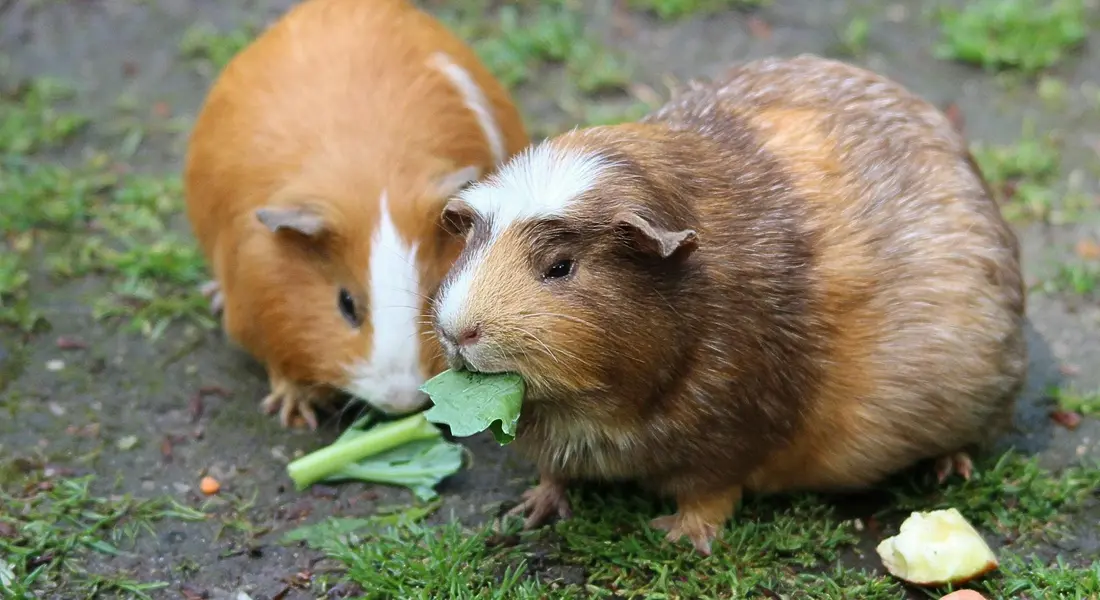
Watch your guinea pig closely for any signs of distress like lethargy or refusing food, and quickly remove any plastic pieces from their reach. I always check on Pepper first when something seems off, as his steady nature makes changes in behavior easy to spot. Look for drooling, pawing at the mouth, or unusual quietness, which can signal discomfort. It’s important to recognize signs of pain or illness in guinea pig behavior to ensure they receive prompt care.
-
Call your veterinarian right away to discuss symptoms and get guidance on next steps, as plastic can lead to serious health issues. Prompt vet contact saved Clover once after she nibbled on a small plastic item, allowing for early intervention. Describe what was eaten and how much, so the vet can assess risks like blockages or toxicity.
-
Stick to your vet’s recommendations, which might include monitoring for GI stasis or adjusting their diet to keep things moving. Following advice for potential blockages helped Biscuit recover smoothly with extra hay and water. This could involve offering critical care food or scheduling a check-up to prevent complications.
Safe and Fun Alternatives to Plastic Chew Toys
-
Choose wood treats like apple or willow sticks, hay-based toys such as woven balls, and cardboard items like empty toilet paper rolls. In my home, Clover adores gnawing on untreated wood blocks, which satisfy her thoughtful chewing habits safely. These options are natural and non-toxic, reducing risks of ingestion compared to plastic.
-
These alternatives support dental health by wearing down constantly growing teeth and boost mental well-being through enrichment. Regular chewing on hay toys keeps Pepper’s teeth in check and wards off boredom, making him more active and content. Engaging activities prevent stress and encourage natural behaviors, leading to a happier pet.
-
Create simple DIY toys by stuffing hay into cardboard tubes or tying safe, untreated wood pieces together with sisal rope. I often make puzzles for Biscuit by hiding veggies in a cardboard box, sparking his intelligence without any plastic parts. These DIY toys also pair nicely with small treats to boost enrichment during play. Plus, you can tailor them to your pig’s preferences and needs. This approach is budget-friendly and lets you customize toys to suit your guinea pig’s personality. For more ideas, check out this guide on how to create simple DIY toys.
FAQs
Can I purchase plastic tubes for guinea pigs on Amazon safely?
Plastic tubes sold on Amazon may not be safe if your guinea pig chews them, as ingestion can lead to blockages or toxicity. It’s best to choose natural alternatives like hay-based tunnels to avoid health risks.
How can I prevent my guinea pig from chewing on a plastic hide?
Provide plenty of safe chew toys, such as wood sticks or cardboard, to redirect their chewing instincts away from plastic hides. Regularly inspect the hide for bite marks and replace it if damage occurs to prevent ingestion.
What should I do if my guinea pig starts chewing plastic tunnels?
Remove the tunnel immediately and observe your guinea pig for symptoms like reduced appetite or lethargy. Keep a quick home troubleshooting checklist handy to track changes in eating, drinking, and activity as you monitor them. Contact your vet promptly for advice to address any potential internal issues from plastic ingestion.
Is a plastic cage base safe if my guinea pig chews it?
A plastic cage base can be risky if chewed, as it may cause blockages or expose your pet to harmful chemicals. Use metal corner guards or switch to a cage with a chew-resistant material for better safety.
Can I use a plastic hideout if I supervise my guinea pig?
Supervision may reduce immediate risks, but guinea pigs can chew quickly and ingest plastic even when watched. Opt for non-plastic hideouts made from wood or safe fabrics to eliminate the danger entirely. This topic is covered in our Guinea Pigs Chew Safely: Complete Guide. It explains safe materials, recommended chew options, and how to spot hazards before they become a problem.
Your Guinea Pig’s Safety Comes First
Ultimately, plastic is not a safe material for your guinea pigs to chew or ingest, as it poses serious risks of internal injury and toxicity. Your best bet is to stick with approved, natural chew toys made from untreated wood, hay cubes, and cardboard to satisfy their gnawing instincts safely.
Being a responsible pet owner means continuously learning about their unique needs and making choices that support their health and our planet. Every day offers a new opportunity to make kinder, more eco-friendly decisions for your small companions.
Further Reading & Sources
- How will I keep my guinea pigs safe against household hazards? – RSPCA Knowledgebase
- r/guineapigs on Reddit: Please help!! My guinea pig just ate some plastic?!
- C&C Cage Safety – Guinea Pig Cage Company
- Guinea Pig Connection: More Things Your Guinea Pig Should Not Eat
Kate is a passionate guinea pig owner and advocate for small pet welfare. With over a decade of experience caring for guinea pigs, she has become a trusted voice in the small pet community.
Uncategorized