Is Cardboard Safe for Guinea Pigs to Chew and Play With?
Published on: April 26, 2026 | Last Updated: April 26, 2026
Written By: Kate M. Callahan
Hello CavyFam! You’re probably staring at a cardboard box, wondering if it’s a fun new toy or a hidden danger for your furry friend. That’s a smart question to ask, and I’ve been right there with you.
In this guide, we’ll cover safe cardboard types, potential hazards to avoid, fun DIY toy ideas, and important chewing alternatives.
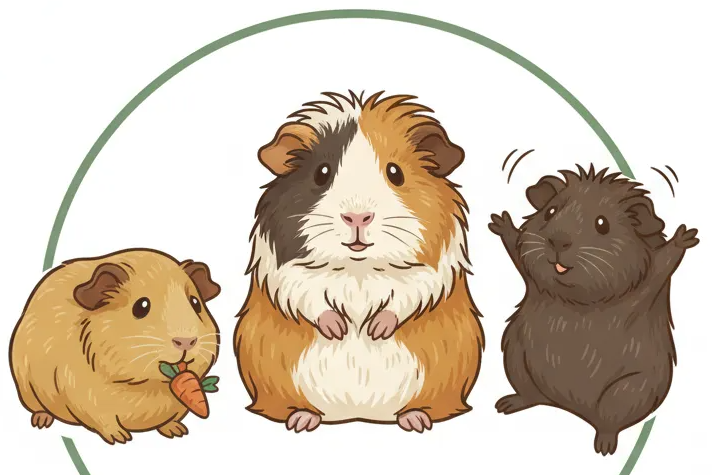
I’ve learned this through years of caring for my own guinea pigs-Pepper, Clover, and Biscuit-so you get advice tested in a real home.
Understanding Cardboard Safety for Guinea Pigs
Is Cardboard Toxic or Harmful?
Plain, untreated cardboard is generally safe for guinea pigs. I’ve watched my own guinea pigs, like gentle Pepper and graceful Clover, happily nibble plain cardboard boxes for years without any health issues. The real danger lies in the additives, not the cardboard itself. In the ultimate guide to safe bedding options for guinea pigs, plain cardboard is a simple, safe base material to consider. Just avoid inks, coatings, or adhesives on any cardboard you use.
You must be a detective for hidden hazards. Avoid any cardboard with:
- Glossy, shiny, or colored printed surfaces (inks can be toxic)
- Heavy adhesives or sticky tape residues
- Scented or wax-coated cardboard (common in some food packaging)
- Unknown chemical treatments from shipping or storage
My reserved Biscuit once chewed a small piece of a printed cereal box before I could stop her. While she was fine, the scare taught me to be incredibly vigilant about the source of every cardboard piece I provide. Always choose the plain brown stuff.
Benefits of Chewing Cardboard for Guinea Pigs
How Chewing Supports Dental and Digestive Health
Chewing isn’t just a pastime; it’s a biological necessity for guinea pigs. Their teeth grow continuously, and chewing on fibrous materials like cardboard helps grind them down to a healthy length. Regular dental health care also involves routine vet checkups and a diet rich in hay and appropriate chews. This helps prevent painful overgrowth and other dental problems. Without this, their teeth can become painfully overgrown.
Beyond dental care, chewing aids their entire digestive process. Here’s how it works:
- Chewing cardboard produces more saliva, which kick-starts the breakdown of food.
- The physical act of chewing keeps their gut moving properly.
- Ingesting small, safe amounts of cellulose fiber can add bulk to their digestion.
I notice my thoughtful Clover often chews her cardboard hidey after eating her hay. This natural behavior mimics what they would do in the wild with bark and tough grasses, keeping their complex digestive systems running smoothly. It’s a simple, enriching activity with profound health benefits.
Identifying Safe and Unsafe Cardboard Products
Not all cardboard is created equal, and knowing the difference keeps your pets safe and happy. Plain, untreated brown cardboard from shipping boxes or paper towel tubes is generally your safest bet. My trio-Pepper, Clover, and Biscuit-spend hours chewing on these simple items without any issues.
Risks from Adhesives, Inks, and Other Hazards
Many cardboard items contain hidden dangers that can harm your guinea pig. Glues and adhesives used in box construction often contain toxic chemicals. Heavily inked or glossy cardboard, like cereal boxes, can leach harmful dyes and coatings into your pet’s system. I once received a package with a shiny, printed interior, and I’m glad I checked it before giving it to my curious herd.
- Avoid cardboard with sticky tape, labels, or plastic windows.
- Steer clear of cardboard that has been near cleaning chemicals or food waste.
- Reject any cardboard with a strong, perfumed odor, as it may contain artificial fragrances.
- Never use cardboard from unknown sources, like items found on the street.
Preparing Cardboard for Your Guinea Pig’s Playtime
A little preparation makes cardboard playtime both fun and secure for your furry friends. Always inspect each piece of cardboard carefully for staples, tape residue, or any foreign objects before handing it over. I make this a habit every time I save a box for my guinea pigs.
- Remove all tape, stickers, and plastic elements completely.
- Check for and peel away any glossy or heavily printed layers.
- If the cardboard seems dusty, wipe it down with a slightly damp cloth and let it air dry fully.
DIY Cardboard Toy Creation Tips
Creating your own toys is a rewarding way to bond with your pets and enrich their environment. Start with simple structures like tunnels or hideys that don’t require any glue or fasteners. My guinea pig Biscuit, who is often reserved, absolutely loves the simple two-entrance hidey I made from a small box. From there, you can branch into more homemade toys and even simple treats your guinea pig will love. DIY toys and treats let you tailor enrichment to your pig’s preferences and budget.
- Cut doorways in small boxes to create instant hideaways.
- Stack and interlock toilet paper tubes to form a chewable puzzle.
- Fill a small, plain cardboard box with hay for a fun foraging experience.
- Always supervise your guinea pigs with new toys to see how they interact with them.
Watching my guinea pigs explore a new cardboard creation is one of my favorite parts of pet ownership. Their excited wheeks and gentle nibbling tell me I’ve provided a safe and stimulating activity. This is the kind of enrichment you’ll find in the ultimate guide to Guinea pig foraging toys and activities. It includes DIY ideas and simple challenges to keep tiny minds busy.
Supervision and Observing Your Guinea Pig with Cardboard
What to Do If Your Guinea Pig Shows Signs of Distress
I always sit with my guinea pigs for the first ten minutes whenever I introduce a new cardboard item. Watching them closely helps you learn their normal chewing behavior and catch any issues early. You’ll notice if they start acting differently. That same approach is how potential owners gauge temperament before buying. Understanding their behavior before you buy helps you know what to expect and set up a comfortable home.
Look for these specific signs that something might be wrong:
- Excessive drooling or wetness around the mouth
- Pawing persistently at their face or mouth
- Suddenly stopping eating or drinking
- Unusual lethargy or lack of movement
- Wheezing, sneezing, or labored breathing
If you see any of these symptoms, remove the cardboard immediately. Offer fresh hay and water to help clear any potential irritants from their mouth and throat. I’ve had to do this once with Biscuit, who started sneezing after chewing on a new box.
Monitor them closely for the next hour. If symptoms persist or worsen, contact your veterinarian right away. Guinea pigs are prey animals and often hide illness, so any visible distress signal requires prompt attention—especially when trying to recognize signs of pain or illness in guinea pig behavior. It’s always better to be safe and get professional advice.
Fun and Enriching Cardboard Play Ideas
My three guinea pigs have completely different preferences, so I’ve experimented with many cardboard creations. Rotating these toys every few days keeps their environment fresh and mentally stimulating. You’ll quickly learn which types your pets enjoy most. To keep things interesting, rotate toys every 3–4 days. If you notice waning interest, swap in a different toy to refresh their environment.
Start with these simple, safe projects that use common household items:
- Tunnel Systems: Connect toilet paper tubes or cut doorways in small boxes to create a maze. My Clove loves darting through these.
- Foraging Boxes: Fill a shallow cardboard tray with hay and hide small veggie pieces inside. Pepper will dig for hours.
- Chew Castles: Stack and tape small boxes together with multiple entry points. Biscuit prefers these cozy hideaways.
- Cardboard Rings: Cut rings from cereal boxes for them to push and toss around.
Always remove any plastic windows, tape, or staples before giving cardboard to your pets. I keep a dedicated “guinea pig only” cardboard bin to ensure everything is clean and safe for them. Watching them explore these simple toys brings me so much joy every day.
FAQs

What are safe alternatives to cardboard for guinea pigs to chew on?
Safe alternatives include untreated wood chews, hay-based toys, and specially designed rodent-safe sticks. These options provide essential dental wear and mental stimulation without the risks of adhesives or inks found in some cardboard.
How often should I replace cardboard toys to maintain hygiene?
Replace cardboard toys when they become soiled, wet, or heavily shredded to prevent mold and bacteria buildup. Inspecting toys weekly and rotating them regularly helps keep your guinea pig’s environment clean and engaging. Properly caring for guinea pigs means keeping their cage clean and safe. Regular toy checks and replacements are part of good care.
Can cardboard cause digestive blockages if ingested in large amounts?
Ingesting small amounts of plain cardboard is typically safe, but large pieces can lead to intestinal blockages. Always supervise chewing sessions and remove any cardboard if your guinea pig shows signs of overconsumption, such as reduced appetite or lethargy. If you’re looking for safe chews beyond cardboard, consider plastic-safe chew toys designed for guinea pigs. Choose items labeled BPA-free and pet-safe, and supervise chewing sessions to ensure they’re being used safely.
Wrapping Up: Smart Choices for Your Guinea Pigs
Cardboard can be a safe, engaging chew toy for your guinea pigs if you select plain, untreated types and remove any staples or adhesives first. Always supervise their play sessions to catch any over-chewing or potential hazards early on. Learn what materials are safe for guinea pigs to chew on to keep them healthy and entertained.
Through caring for my own guinea pigs like steady Pepper and thoughtful Clover, I’ve seen how small, informed choices make a big difference in their health and happiness. Keep exploring eco-friendly pet care ideas to support both your furry friends and the environment they live in.
Further Reading & Sources
- Is cardboard safe for guinea pigs? – GuineaDad
- Is Cardboard Bad for Guinea Pigs? | Pets on Mom.com
- Can Guinea Pigs Eat Cardboard? Vet Approved Facts & FAQ | Hepper Pet Resources
- Is Eating Cardboard Safe for Guinea Pigs? (Find Out Now) – Squeaks Scales & Tails
Kate is a passionate guinea pig owner and advocate for small pet welfare. With over a decade of experience caring for guinea pigs, she has become a trusted voice in the small pet community.
Uncategorized