Why Isn’t My Guinea Pig Eating Hay? Troubleshooting Checklist
Published on: April 12, 2026 | Last Updated: April 12, 2026
Written By: Kate M. Callahan
Hello CavyFam! If your guinea pig is suddenly turning up their nose at their hay, it’s natural to feel a wave of worry. This is one of those moments that can make any pet parent’s heart sink.
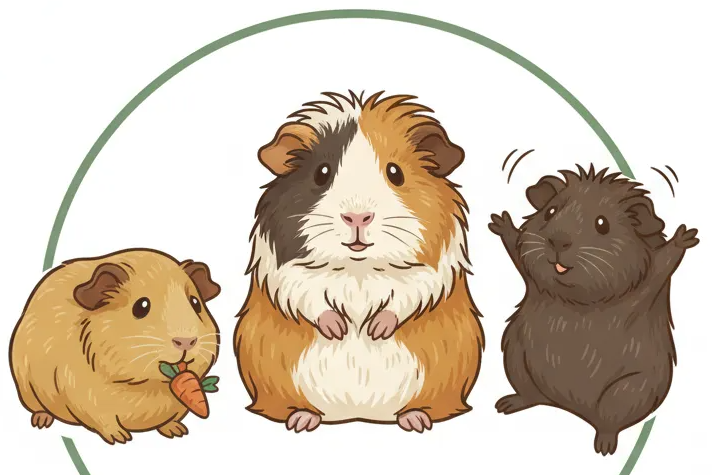
In this guide, we’ll walk through the common reasons together, covering underlying health issues, hay quality and freshness, and dental problems. I’ve been through this myself with my own trio-Pepper, Clover, and Biscuit-so I can share the practical steps that worked for us.
The Essential Role of Hay in Your Guinea Pig’s Well-Being
Why Hay is a Lifeline for Guinea Pig Health
Hay is far more than just food for your guinea pig; it is the absolute cornerstone of their existence. I’ve seen firsthand with my own herd how a steady hay supply directly impacts their energy, their shiny coats, and their bright, curious eyes. Their digestive systems are designed for near-constant grazing on fibrous grasses. This constant intake keeps their gut moving, preventing dangerous and often fatal blockages called GI stasis.
But that’s not all. The physical act of chewing hay is nature’s perfect tooth-filing system. A guinea pig’s teeth never stop growing, and the tough, fibrous strands of hay grind them down to a safe, comfortable length. Without this daily dental workout, their teeth can become painfully overgrown, making it impossible for them to eat anything at all.
Selecting the Best Hay for Your Pet’s Needs
Not all hay is created equal, and choosing the right type makes all the difference. Think of Timothy hay as the reliable daily bread for most adult guinea pigs-it’s high in fiber and lower in calcium and protein, which is perfect for their maintenance diet. My trio, Pepper, Clover, and Biscuit, get a big pile of fresh Timothy hay every single morning.
For younger pups under six months or pregnant sows, you might mix in some Alfalfa hay. Alfalfa is richer in calcium and protein, providing the extra nutrients needed for growth, but it should be given sparingly to adults to prevent urinary issues. You can also explore other grass hays like Orchard Grass or Meadow Hay to add variety and prevent boredom.
- Timothy Hay: The gold standard for daily feeding of adult guinea pigs.
- Orchard Grass: A excellent, soft-textured alternative if your pig is sensitive to Timothy.
- Alfalfa Hay: A supplemental hay for young, growing, or nursing guinea pigs.
- Meadow Hay: A diverse mix of grasses that can add exciting new smells and textures.
Common Reasons Your Guinea Pig May Avoid Hay
Behavioral Factors: Boredom and Environmental Stress
Sometimes, the issue isn’t the hay itself but the environment surrounding it. Guinea pigs are intelligent creatures, and just like us, they can get bored with the same old meal day after day. My Clover, for instance, will sometimes turn her nose up at a pile of hay if it’s been sitting in the same corner for too long. That’s why choosing the best hay for your guinea pig matters—fresh, high-quality hay can keep them interested. Look for bright, clean hay free of dust, and consider rotating varieties to find what they like best.
Stress is another huge factor that can ruin their appetite. A sudden change in their environment, like a new cage location, loud noises, or the introduction of a new pet, can make a guinea pig too anxious to eat. Ensure their habitat is a safe, quiet haven where they feel secure enough to relax and munch.
- Rotate different types of grass hay to keep things interesting.
- Hide hay in paper bags or toilet paper tubes to encourage foraging behavior.
- Place the hay rack in a different, safe area of the cage to spark curiosity.
- Ensure their cage is away from drafts, direct sunlight, and high-traffic areas in your home.
Health-Related Causes: Dental and Digestive Concerns
When a guinea pig stops eating hay, it’s often a red flag for an underlying health problem. The most common culprit is dental pain, as overgrown teeth or sharp spurs can make the tough fibers of hay feel like chewing on needles. You might notice them dropping food, drooling, or losing weight while still showing interest in softer foods. Regular, steady access to high-quality hay helps prevent these hay-related issues. Ensuring adequate fiber supports dental wear and gut motility, reducing the risk of common hay-related health problems guinea pigs should avoid.
Digestive discomfort is another serious concern. If their gut is already upset or sluggish, they may instinctively avoid the very fiber they need to get things moving again. This creates a dangerous cycle that can escalate quickly. A sudden refusal to eat hay, especially when combined with a lack of droppings or a hunched posture, requires immediate veterinary attention.
Watch for these subtle signs that often accompany a hay strike. A healthy guinea pig is a hungry guinea pig, so any change in their eating habits deserves your full and prompt attention.
Step-by-Step Hay Intake Troubleshooting Checklist
Step 1: Inspect Hay Freshness and Storage
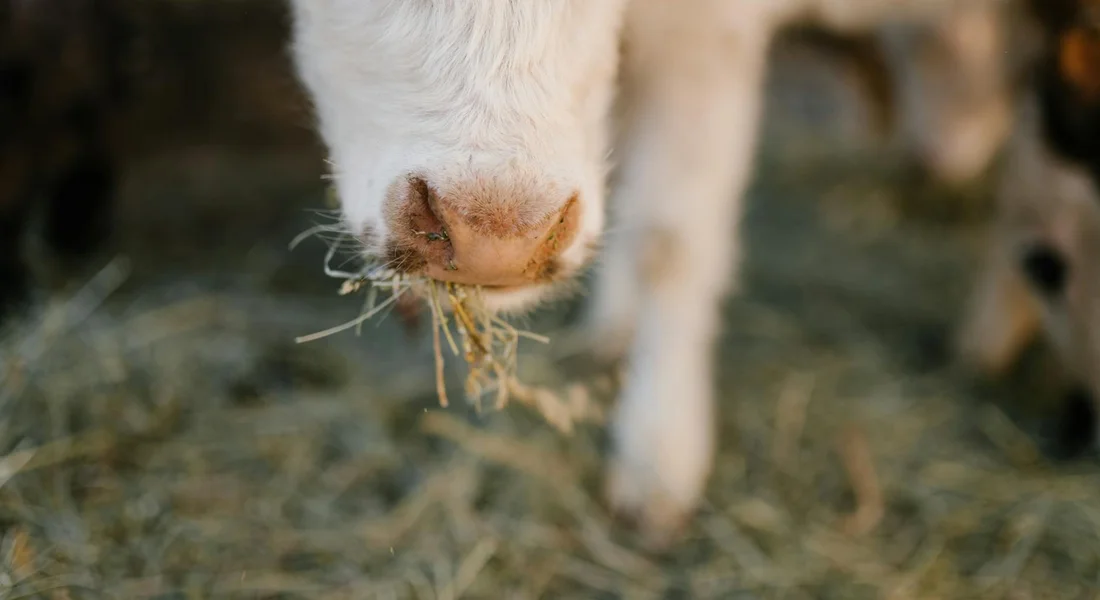
Start by examining the hay itself. Your guinea pig has an incredibly sharp sense of smell and will reject hay that smells musty, dusty, or just plain old. I once bought a bag that seemed fine to me, but my guinea pig, Biscuit, turned his nose up at it immediately. Open the bag and take a deep breath; it should smell like a fresh, sweet meadow. Look for a vibrant green color and avoid any hay that appears brown, gray, or has visible mold spots. Store your hay in a cool, dry place inside an airtight container to lock in that freshness. Proper storage is key to keeping it fresh. A sealed container in a cool, dry place helps keep moisture and mold away, so your guinea pig gets fresher hay longer.
Step 2: Observe Eating Habits and Hydration
Watch your pet closely for a day. A sudden drop in hay consumption is often the very first sign that something is off with your guinea pig’s health or environment. Are they approaching the hay rack and then walking away? Are they only nibbling on the leafy parts and ignoring the fibrous stalks? Check their water bottle or bowl daily. A dehydrated guinea pig will almost always eat less. I make it a habit to watch my girls, Pepper and Clover, for a few minutes during their prime munching times to ensure they’re actively engaged with their hay. Even though it’s important they eat enough, it’s equally crucial to understand the limits of hay consumption to keep them healthy.
Step 3: Assess Feeding Schedule and Feeder Type
How and when you offer hay makes a huge difference. Guinea pigs are natural grazers and need access to hay 24/7, not just at scheduled meal times. Hay provides the fiber essential for healthy digestion and helps wear down their continually growing teeth, which is why hay is the cornerstone of a guinea pig’s diet. An empty hay rack for even a few hours can disrupt their digestive rhythm. The type of feeder matters, too. A rack that is too high, too cramped, or has sharp edges can discourage eating. I found that switching from a wall-mounted rack to a simple, open hay manger made it much easier for all my pigs to eat comfortably.
Step 4: Identify Potential Medical Red Flags
This step is critical. If your hay inspection and schedule seem perfect, health issues could be the culprit. Any sign of dental problems, like overgrown teeth, will make chewing painful and cause a guinea pig to stop eating hay. Look for these warning signs and contact your veterinarian immediately if you notice them:
- Drooling or wetness around the mouth and chin
- Difficulty picking up food or dropping it frequently
- A sudden preference for only soft, mushy foods
- Lethargy, hunched posture, or weight loss
- Small, dry, or missing fecal pellets
Practical Strategies to Encourage Hay Eating
Boosting Appeal with Hay Mixes and Toppers
Sometimes, hay just needs a little help to become more exciting. Mixing different types of hay, like Timothy with a bit of Orchard Grass or Botanical Hay, can introduce new smells and textures that pique their interest. I often sprinkle a few fragrant dried herbs like chamomile or dandelion leaves over the top of the hay as a “topper.” My thoughtful pig, Clover, loves to dig through the pile to find these special treats, which encourages her to eat more hay in the process.
Optimizing Hay Feeders for Easy Access
Make eating hay a pleasant experience, not a chore. The best hay feeder is one that allows your guinea pig to eat in a natural, comfortable position without struggling to pull strands out. Avoid racks where hay gets stuck. Instead, try a large, open-top basket or even just pile a generous handful directly on the floor of their clean enclosure. This allows them to burrow and forage, which is a deeply ingrained natural behavior. I’ve noticed my reserved pig, Biscuit, eats far more when he can sit comfortably in a pile of hay. If you do opt for a rack, go for one of the best hay racks designed to keep hay accessible and tidy. Pair any setup with a clean bedding solution—soft fleece or paper-based bedding—so your pig has a comfortable, cozy space to eat and rest.
Creating a Calm and Consistent Feeding Routine
Guinea pigs are creatures of habit and feel most secure with predictability. Establishing a consistent daily routine for refreshing hay reduces stress and encourages steady eating throughout the day and night. I always add fresh hay at the same two times each day—once in the morning when I greet them and once in the evening during their veggie time. This consistency signals that food is always available and safe. It also helps meet their daily hay requirement by ensuring constant access to fiber. Monitoring their daily intake helps ensure they’re meeting that requirement. Place the hay in a quiet, low-traffic area of their habitat where they won’t be startled while they eat.
When to Seek Professional Veterinary Help
If your guinea pig still refuses hay after checking basics like freshness and accessibility, it is time to consult a vet. Delaying professional care can worsen underlying health issues, so act promptly if simple fixes fail. Regular vet visits are part of a complete care schedule for guinea pigs. They help monitor teeth, weight, and overall health, even when your pet seems fine. I learned this firsthand when my guinea pig Biscuit ignored his hay for days, and a vet visit revealed early dental problems we caught in time.
Recognizing Urgent Health Warning Signs
Watch for symptoms that demand immediate attention, as guinea pigs hide illness well. Any sign of pain or rapid decline means you should contact your vet without delay. From my experience with Pepper, who once grew lethargic, these red flags saved him from severe complications.
- Sudden weight loss or a bony spine feel
- Lethargy, hiding, or lack of movement
- Wet or matted fur around the mouth, indicating drooling
- Changes in droppings, like small, dry, or absent poop
- Grinding teeth or refusal to eat any food, not just hay
Preparing for a Veterinary Dental Assessment
Dental issues are a common cause of hay refusal, so a vet may focus on teeth. Bringing a recent photo or video of your guinea pig eating can help the vet spot subtle problems. When Clover had a dental check, I prepared a small bag of her usual hay and pellets to show what she was avoiding.
Gather details about your guinea pig’s diet and behavior to share with the vet. Note any changes in appetite, weight, or activity over the past week for a clearer diagnosis. I always keep a simple log for each of my pigs, which streamlined Biscuit’s treatment plan.
- Transport your guinea pig in a secure, ventilated carrier with familiar bedding.
- Bring a sample of the hay they are rejecting and any other foods they eat.
- Share their medical history, including past dental issues or treatments.
- Stay calm during the exam to keep your pet relaxed and cooperative.
FAQs
What is the best no-mess hay feeder for guinea pigs?
No-mess hay feeders, such as covered racks or bags, help contain hay and reduce waste in the cage. They allow your guinea pig to eat comfortably while keeping their living area cleaner and more organized.
How do I use a hay bag for my guinea pig?
Hay bags provide easy access to hay and minimize spillage by holding it securely in place. Fill the bag with fresh hay and hang it at a height your guinea pig can reach to encourage natural foraging behavior.
Where can I find guinea pig hay near me?
You can locate guinea pig hay at local pet stores, farm supply shops, or some grocery stores that carry pet supplies. Always inspect the hay for freshness by checking its color and smell before purchase.
Is Oxbow a good brand of hay for guinea pigs?
Oxbow is a trusted brand that offers high-quality, nutritionally balanced hay suitable for guinea pigs. It is widely recommended for its consistency and safety, helping support your pet’s digestive and dental health.
Can I buy guinea pig hay on Amazon?
Yes, Amazon sells a variety of guinea pig hay brands with options for fast shipping and customer reviews. Be sure to select products labeled as fresh and suitable for small pets to meet your guinea pig’s dietary needs.
Your Guinea Pig’s Health Starts Here
Ultimately, getting to the root of your guinea pig’s hay strike comes down to checking three main areas: their dental health, the quality of their hay, and their overall environment. A quick vet visit can rule out pain, while offering fresh, fragrant hay in a clean, accessible spot makes all the difference. Ensuring you’re following the right care routines for guinea pigs supports their well-being and encourages regular hay consumption.
Remember, being a proactive pet owner means observing your pets daily and always being open to learning more about their natural, hay-munching instincts. Choosing sustainably sourced hay and compostable bedding are simple ways to care for your pets and our planet at the same time.
Further Reading & Sources
- r/guineapigs on Reddit: Making guinea pigs stop wasting hay
- 3 Key Questions About Guinea Pigs and Hay
- r/guineapigs on Reddit: Hay feeder advice
- Hooting And Stuffy From Hay? | The Guinea Pig Forum
Kate is a passionate guinea pig owner and advocate for small pet welfare. With over a decade of experience caring for guinea pigs, she has become a trusted voice in the small pet community.
Uncategorized