How to Get Your Couch Potato Guinea Pig Moving
Hello CavyFam! Is your guinea pig more of a fluffy potato than an active explorer? You’re not alone in noticing your pet’s couch-potato tendencies, and it’s a common worry for loving owners like you.
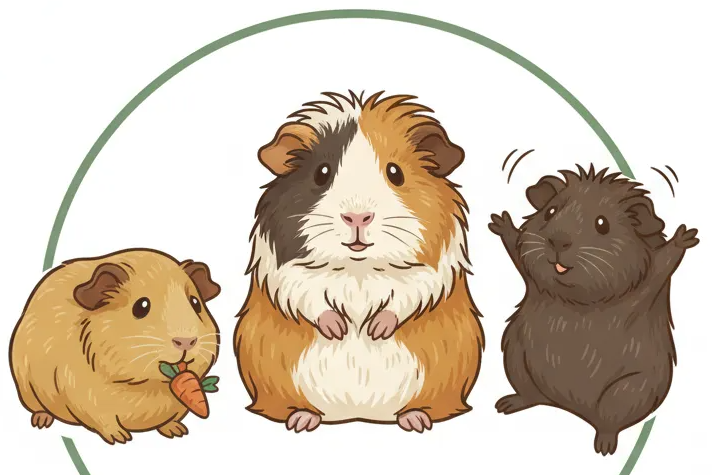
In this guide, I’ll walk you through creating a safe and exciting play space, introducing engaging activities that spark natural curiosity, and adjusting diet to support a healthy energy level. Having cared for my own trio-Pepper, Clover, and Biscuit-for years, I’ve learned firsthand how to turn a sedentary pig into a happy, active one.
Understanding Why Your Guinea Pig Is Sedentary
Age and Life Stage Influences
Guinea pigs, like my own Pepper and Clover, show different energy levels as they grow. Younger guinea pigs under a year old often have playful bursts, while seniors over five might prefer cozy naps. I’ve seen Biscuit, my one-year-old Peruvian, start off reserved but become more curious with gentle nudges. Their life stage directly shapes how much they move, so tailoring activities to age keeps them engaged without stress.
For example, older guinea pigs might enjoy shorter, more frequent sessions to avoid fatigue. Observing your pet’s natural rhythms helps you adjust exercise to match their changing needs over time.
Health and Weight Factors
Health issues can turn a lively guinea pig into a couch potato. Excess weight or underlying conditions like arthritis often reduce mobility, making exercise feel like a chore. When Clover gained a little extra weight, I noticed her graceful movements slowed, prompting a vet visit and diet tweak. Regular check-ups are essential to rule out pain or illness, ensuring your furry friend stays comfortable and active.
Monitor their body condition by feeling for a firm but not bony rib cage. A balanced diet rich in hay and veggies supports a healthy weight, preventing obesity-related laziness. Regular weigh-ins help you stay within healthy weight ranges and catch changes early. Tracking weight is a simple, practical part of a guinea pig weight guide and monitoring routine. I always advocate for proactive care to keep guinea pigs thriving, not just surviving.
Setting Up a Safe Exercise Routine
Recommended Exercise Frequency and Duration
Daily exercise is ideal for maintaining your guinea pig’s health and happiness. Aim for at least 20-30 minutes of supervised playtime each day to build stamina and prevent boredom. With my trio, I schedule short sessions in the morning and evening when they’re most alert. Start with 10-15 minutes if your pet is new to activity, and watch for signs of enjoyment, like popcorn jumps or gentle wheeks. Regarding floor time for guinea pigs, 20-30 minutes per day is a good baseline for most guinea pigs. It’s often easiest to split this into a couple of short sessions on safe, obstacle-free flooring.
Variety keeps things interesting-rotate between floor time, tunnel exploring, and toy interactions. Consistent routines help guinea pigs feel secure, making exercise a fun part of their day rather than a task.
Gradual Introduction to Playtime
Easing into exercise prevents stress and builds confidence. Begin in a small, enclosed area with familiar items to make your guinea pig feel safe. This helps create a safe, fun floor-time environment for your guinea pig. Keep the space calm and hazard-free so she can explore confidently. I started Biscuit in a corner of my living room with her favorite hideout and some veggies nearby. Use these steps to introduce playtime slowly:
- Place your guinea pig in a secure space with low-stimulation toys.
- Offer high-value treats, like bell peppers or cilantro, to encourage movement.
- Gradually increase the play area and session length over a week or two.
- Always supervise to ensure they don’t get stuck or scared.
Patience pays off-soon, your pet will associate playtime with positive experiences. Celebrating small victories, like a first exploratory step, reinforces healthy habits and strengthens your bond.
Enrichment Strategies for Active Play
Cage Layout and Environmental Tweaks
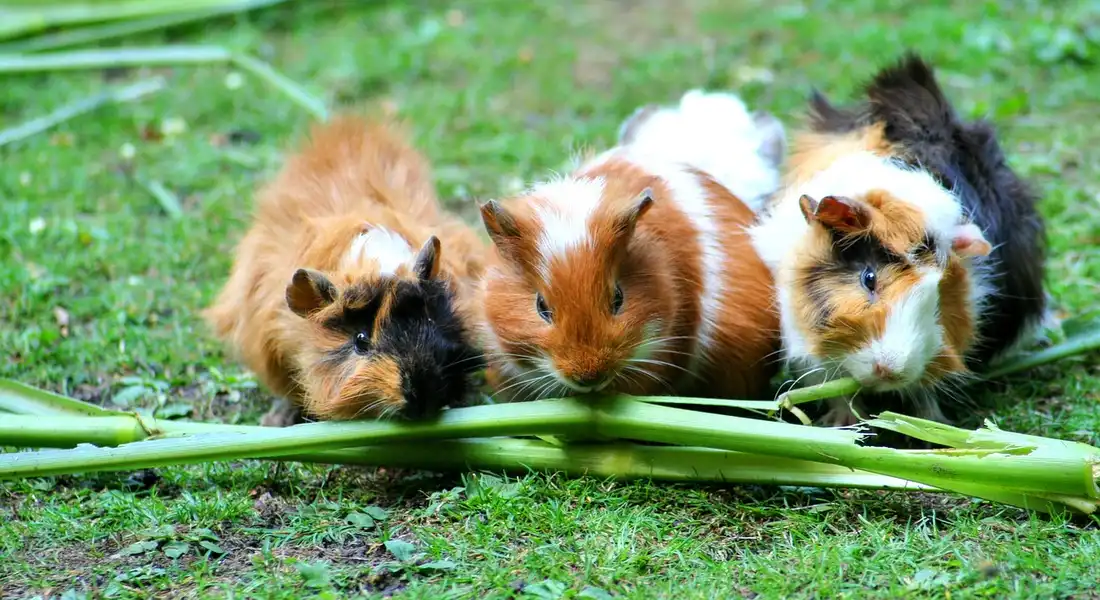
Think of your guinea pig’s cage as a small, rearrangeable city. Moving their hideys, food dish, and water bottle to opposite corners forces them to walk for their basic needs. My guinea pig, Pepper, used to stay in one spot until I started placing his hay rack on the far side of his enclosure. With a little planning, you can build the setup for the perfect guinea pig cage. A thoughtful layout keeps everything accessible and encourages activity.
I create little pathways and zones within the cage using safe, low cardboard boxes or bent-grid tunnels. This simple change encourages natural exploratory behavior and turns a simple cage into a stimulating environment. It prevents the boredom that leads to a sedentary lifestyle.
- Rotate cage accessories weekly to create a novel landscape.
- Ensure hideys have multiple exits to prevent a pig from getting “stuck” in one spot.
- Use fleece forests or hanging toys to encourage movement around and under objects.
Interactive Toys and Motivation
Guinea pigs are intelligent and need mental challenges to stay physically active. Foraging toys are my secret weapon for getting my more reserved pig, Biscuit, up and moving. I stuff a toilet paper tube with hay and a few herb leaves, forcing her to nudge and roll it to get the reward. This approach fits right into the ultimate guide to guinea pig foraging toys and activities. It shows how simple items can become engaging enrichment.
I’ve found that not all pigs love the same toys. Observing your pet’s unique personality is key to finding the right motivational tool. Clover, my graceful Abyssinian, adges pushing lightweight, jingly cat balls, while Pepper prefers a simple willow ball he can demolish.
- Introduce puzzle feeders that require nudging or lifting to dispense food.
- Offer a variety of textures like seagrass mats, crinkle tunnels, and wooden chews.
- Always supervise with new toys to ensure they are used safely and not ingested.
Practical Methods to Motivate Movement
Using Treats and Positive Reinforcement
Never underestimate the power of a delicious, healthy treat. I use fresh cilantro or a small slice of bell pepper as a “lure” to encourage my pigs to follow me or climb onto a low platform. This turns exercise into a positive game they eagerly participate in.
The timing of the reward is everything. You must give the treat the very moment your guinea pig performs the desired action, like taking a step forward or investigating a new toy. This directly connects the action with the positive outcome. I learned this through patient sessions with Biscuit, who now confidently approaches new objects. Using the best treats for rewards training your guinea pig can boost motivation and reinforce desired behavior. Keep portions small to avoid overfeeding.
- Choose a high-value, healthy treat your pig loves.
- Hold the treat just in front of their nose and slowly lead them a short distance.
- Immediately give them the treat and offer verbal praise when they complete the movement.
- Repeat this process, gradually increasing the distance over several days.
Social Play with Guinea Pig Partners
Guinea pigs are herd animals, and a compatible friend is often the best personal trainer. Watching one pig run and popcorn frequently inspires their more sedentary cagemate to join in the fun. The social dynamic creates a natural, low-stress environment for exercise.
When I introduced the energetic Biscuit to the steady Pepper, her reserved nature began to change. Their shared floor time is now a flurry of follow-the-leader and gentle chasing, which is a completely normal and healthy form of play. Always ensure any introductions are done slowly and in a neutral space to keep stress levels low for both animals.
- A well-matched pair will naturally encourage each other to be more active.
- Provide multiple of everything-hideys, food bowls, water bottles-to prevent competition and stress.
- Supervise their interactions to ensure play remains gentle and no one is being bullied.
Creating a Stress-Free Exercise Environment
Your guinea pig’s surroundings directly impact their willingness to move. A calm, secure space encourages natural exploration and playful behavior far more effectively than a noisy or chaotic one (especially since guinea pigs are sensitive to loud noises). I learned this firsthand with Biscuit, who would freeze up whenever our dog barked nearby.
Supervised Playtime and Safety Checks
Always stay in the room during floor time. Your presence isn’t just for bonding; it’s a crucial safety net to prevent accidents or escapes. I make it a habit to do a quick safety sweep before letting Pepper, Clover, and Biscuit out.
- Scan the floor for electrical cords, small objects, or toxic plants they might chew.
- Ensure all doors and windows are securely closed.
- Block off access to tight spaces under furniture where they could get stuck.
- Keep other household pets in a separate room to avoid stress.
Safe Play Area Setup
The goal is a large, inviting area that feels like a playground, not a prison. Use a puppy playpen or securely block off a corner of a room with safe, sturdy panels to create a generous run. I use interlocking grids that are easy to set up and take down.
- Line the floor with a soft, absorbent fleece liner for comfortable footing.
- Scatter piles of fresh hay in different corners to motivate foraging.
- Add a couple of cardboard boxes with entrance and exit holes for hide-and-seek.
- Place a few safe, untreated wood blocks or applewood sticks for chewing.
- Ensure the area is in a quiet part of your home, away from direct sunlight and drafts.
Monitoring Health and Progress
Tracking your guinea pig’s journey helps you celebrate small wins and catch potential problems early. Keeping a simple log of their weight and activity gives you a clear picture of what’s working and what isn’t. This habit helped me realize Clover was most active in the quiet hours of the early evening.
Regular Weight and Activity Tracking
Consistency is more important than fancy tools. Weigh your guinea pig weekly on a small kitchen scale, ideally on the same day and time. Doing it at home weekly helps you catch issues early. A guinea pig’s weight can change quickly, so regular checks matter. A stable or slightly decreasing weight is a great sign they’re becoming more active.
- Use a small bowl or container on the scale to keep your piggy secure.
- Note the weight in a dedicated notebook or a notes app on your phone.
- Also jot down brief activity observations, like “explored new tunnel for 5 minutes” or “popcorning after morning veggies.”
When to Seek Veterinary Advice
While some laziness is normal, certain signs warrant a professional opinion. Any sudden change in behavior or appetite is your cue to contact an exotic vet. I never hesitate to call mine if something seems off.
- Your guinea pig refuses their favorite treats for more than a day.
- You notice labored breathing, wheezing, or a hunched posture.
- They are losing weight rapidly despite a healthy appetite.
- There is a lack of droppings or signs of diarrhea.
- They show no interest in moving, even when tempted with food.
## Common Questions
What if my guinea pig is too scared to leave its cage?
Start by placing a secure playpen directly against the open cage door to create a safe extension of their home. Use a trail of their favorite vegetables to gently lure them out, ensuring the environment is quiet and free from sudden movements.
How can I adjust my guinea pig’s diet to support more activity?
Focus on providing unlimited grass hay, which encourages natural foraging behavior and movement throughout the day. Limit high-calorie pellets and treats to prevent weight gain that can contribute to lethargy.
What are the best types of toys for a guinea pig that doesn’t like to play?
Try simple, food-motivated toys like a cardboard tube stuffed with hay or a forage box filled with paper bedding and herbs. Observe which textures and activities your pig investigates, as their preference will guide you to the most engaging options. For a complete guide on foraging your guinea pig, see our in-depth resource with setup ideas, safety tips, and enrichment routines.
Is it okay to physically pick up my guinea pig and place it in the play area?
While sometimes necessary, this can be stressful, so always use a gentle, secure lifting technique and place them in a play area containing a familiar hidey. Ensure the play space is pre-stocked with enticing snacks to create a positive association upon arrival.
How long will it take to see a change in my guinea pig’s activity level?
Progress can vary significantly, with some pigs showing more curiosity in a few days while others may need a few weeks of consistent, patient encouragement. Look for small victories, like taking a few more steps to get food or briefly sniffing a new toy, as signs of improvement.
Your Guinea Pig’s Journey to Better Health
From my time with Pepper, Clover, and Biscuit, I’ve seen how adding tunnels and safe toys to their space sparks natural curiosity. Daily, gentle play sessions build trust and turn hesitant moments into joyful exploration.
Your dedication to learning and adapting shows true care for your pet’s well-being. Choosing eco-friendly options like biodegradable bedding makes your routine kinder to the earth and your guinea pig. Choosing eco-friendly options for guinea pig bedding is an important part of that process.
Further Reading & Sources
- Guinea Pig Playtime and Exercise | Cages For Guinea Pigs – Guinea Pig Cage Company
- GUINEA PIG CARE GUIDE: EXERCISE AND SOCIAL …
- Amazon.com: Guinea Pig Exercise Toys
- How Much Exercise Does a Guinea Pig Need? How Best To Keep Your Cavy f – Home & Roost
Kate is a passionate guinea pig owner and advocate for small pet welfare. With over a decade of experience caring for guinea pigs, she has become a trusted voice in the small pet community.
Uncategorized